-
Review: The Role of Vitamin D and Lipoprotein Receptor-Related Protein in Amyloid Clearance and Brain Health
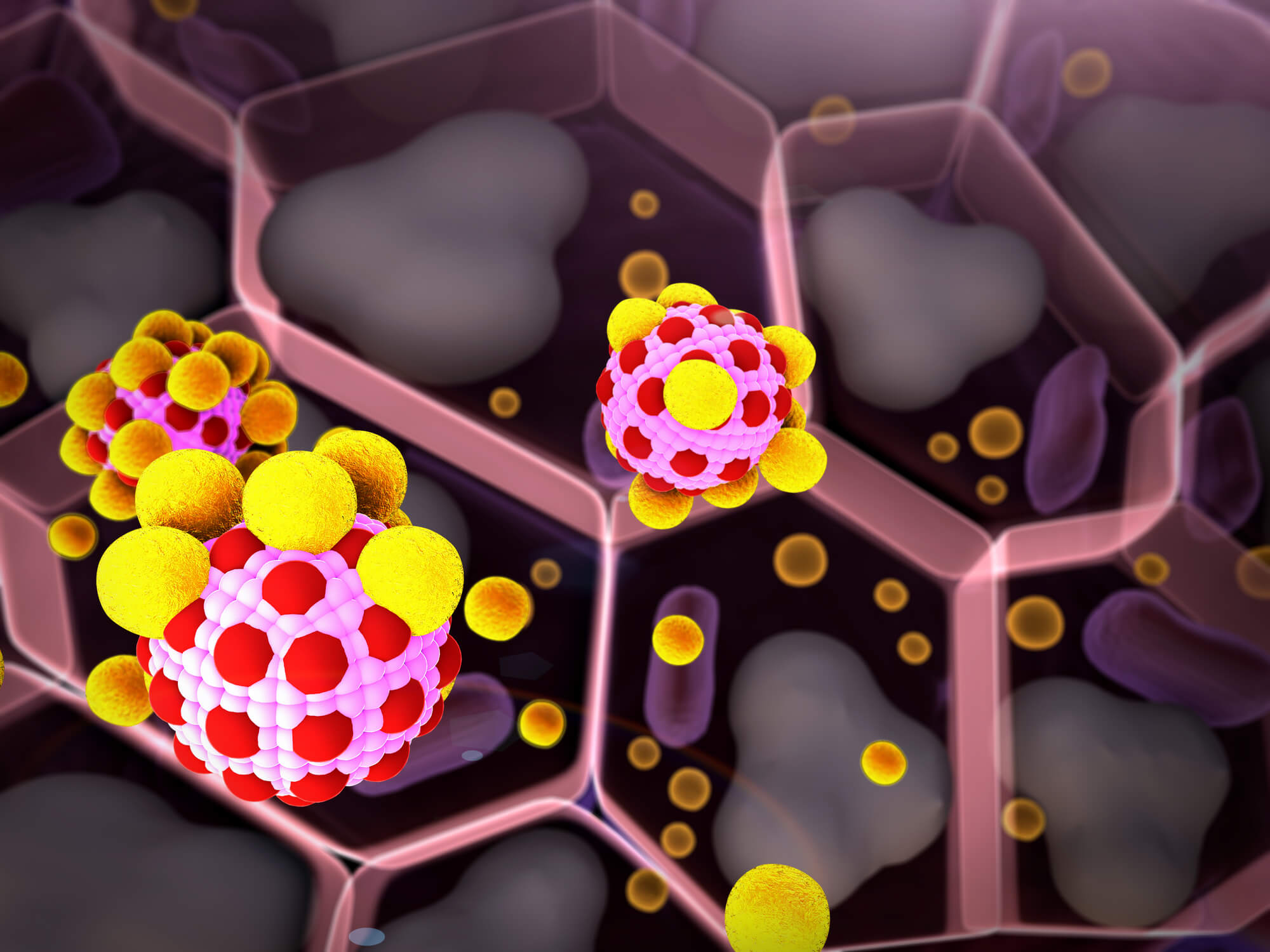
A review on the relationship between vitamin D and low-density lipoprotein receptor-related protein (LRP-1) has revealed that the two may work together to possibly clear amyloid-beta (Aβ), whose deposition is considered linked to the progression of neurological dysfunction. LRP-1 is a large receptor present on the body’s cells and is widely expressed, or present, in…
-
Deep Sleep Optimizes the Glymphatic System

It wasn’t very long ago that scientists discovered a mechanism for the brain to remove toxins, called the glymphatic system, and now can link its efficiency to the quality of sleep. The glymphatic system behaves much the same way as the lymphatic system but is managed by glial cells in the brain. Cerebrospinal fluid (CSF)…
-
Vitamin D and the Brain

We have long known the connection between vitamin D and mental health, however, new research may have found that the reason vitamin D deficiency has an effect on learning and memory may be due to its effect on PNNs. Perineuronal nets (PNNs), specialized extracellular matrix structures in the brain, act like a scaffolding that wraps…
-
Genetic Variation to Vitamin D Levels Links to Non-Bone-Related Health Outcomes

Differences in the genes involved in how we metabolize and transport vitamin D in our bodies may determine the amount of vitamin D that circulates in our blood. Until recently, there was little evidence of the connection between a specific type of genetic variation called single nucleotide polymorphisms (SNPs, or “snips”), vitamin D levels, and…
-
A Pseudogene with Promising Neurological Influence

A pseudogene has been discovered on chromosome Y of the neurofilament light (NEFL) gene in humans.
-
Broken Sleep May Harm Blood Vessels

New research has revealed a potential connection between broken sleep and cardiovascular damage. The animal study, which was performed on mice, involved moving a bar across the bottom of the animals’ cages while they were sleeping. These mice were tested against normal mice who were allowed to sleep normally. The sleep fragmentation treatment reduced the mice’s…
-
Omega-3s and NLRP3 InflammasoMe Signaling in Human Obesity

In a recent study in the Journal of Endocrinology, the relationship between fish oil-derived long chain polyunsaturated fatty acids (n-3 PUFA) and the suppression of NLRP3 inflammasomes in human obesity through downregulation of inflammasome gene expression in adipocytes and macrophages was investigated. The NRLP3 inflammasome serves as a critical link between adipose inflammation and insulin…
-
Obesity and the Microbiome Influence

The gastrointestinal tract is an ecosystem that has a huge impact on human health. Research has shown the floral content of the intestine plays a role in obesity, allergies, inflammatory bowel disease, cancer, and even psychiatric disorders. A new animal study shows how fiber favorably affects the microbiome, and influences metabolism. Researchers assigned four different…
-
Zinc and Hypertension
New research links zinc deficiency to hypertension. Zinc is involved with hundreds of enzyme systems and has other health implications. Zinc has been shown to be beneficial for learning and cognition and is also recommended for people with a genetic predisposition to heart disease. It may even mitigate certain degenerative effects of aging. Some research…
-
Probiotics May Directly Affect Breast Milk Carbohydrate Composition

New research has revealed a possible two-way connection between maternal dietary microbes and the makeup of the oligosaccharide sugar molecules found in human breast milk. Until recently, it was thought that oligosaccharides affected the microbial communities within an infant’s gut, acting as prebiotics that then decreased their risk of certain infections, conditions and diseases. Studies…
Shop Our Brands: