
-
New Study on Time-Dependent Effects of Exercise

Two new interdependent papers have been released studying time-dependent effects of exercise. The studies show that exercising at different times of the day can modulate the outcomes, showing promise for athletes looking to up their game. Circadian science studies systemic energy homeostasis and metabolic pathways in relation to the body’s in-built circadian rhythm.
-
9 Essential Nutrients for Healthy Skin

An average adult has two square meters of skin covering their body. Not only is it the largest neuroendocrine organ in the body, it’s also the largest detoxification organ. The appearance of the skin mirrors physical and emotional health due to the gut-brain-skin connection. As with other areas of the body, oxidative stress and free…
-
Japanese Researchers Link Omega-3s with Lower Muscle Stiffness Post-Exercise

In a small study on the effects of the omega-3 oils eicosapentaenoic acid (EPA) and docosahexaenoic acid (DHA), researchers have found that the oils appear to reduce muscle stiffness symptoms after exercise. During the study, sixteen men were asked to perform six sets of 10 arm contractions using a dumbbell. Their range of motion, muscle…
-
Increased Mortality Risk with Proton Pump Inhibitors

A recent cohort study published in BMJ on May 30, 2019 has raised some alarming insights into the contraindications of PPIs. This long-term observational study on PPIs was carried out over a ten year period with US veterans. The in-depth study used extensive data from the Department of Veterans Affairs databases. All of the veterans…
-
Mapping Brain Connectivity: A New Frontier in Understanding Mental Illness

Data from more than 1,000 brain scans have revealed interesting patterns in the way large-scale systems in the brain interact with each other. Using functional magnetic resonance imaging, they performed rest scans on 120 people who had been diagnosed with bipolar disorder, schizophrenia, depression, and other conditions, 192 people with affective disorders with no psychosis,…
-
Improved Quality of Life with Magnesium

Recent research looked at the disability levels, quality of life, and anxiety and depressive symptoms in 34 children aged 7 – 17 after six months of magnesium prophylaxis for pediatric migraines. According to the researchers, “After 6 months of magnesium prophylaxis, disability due to migraine significantly decreased, whereas physical and psychosocial well-being improved.” Children also…
-
The Health Effects of Popular Weed Killer in Second- and Third-Generation Offspring

The health effects of the world’s most popular weed killer glyphosate, or Roundup, are widely disputed. Recently, increasing numbers of scientists have underlined the need for independent research on the effects of this herbicide, whose global use is increasing rapidly, particularly on genetically modified food crops designed to tolerate it. Glyphosate has been argued to…
-
New Study Finds Gluten in Your Gluten-Free Foods
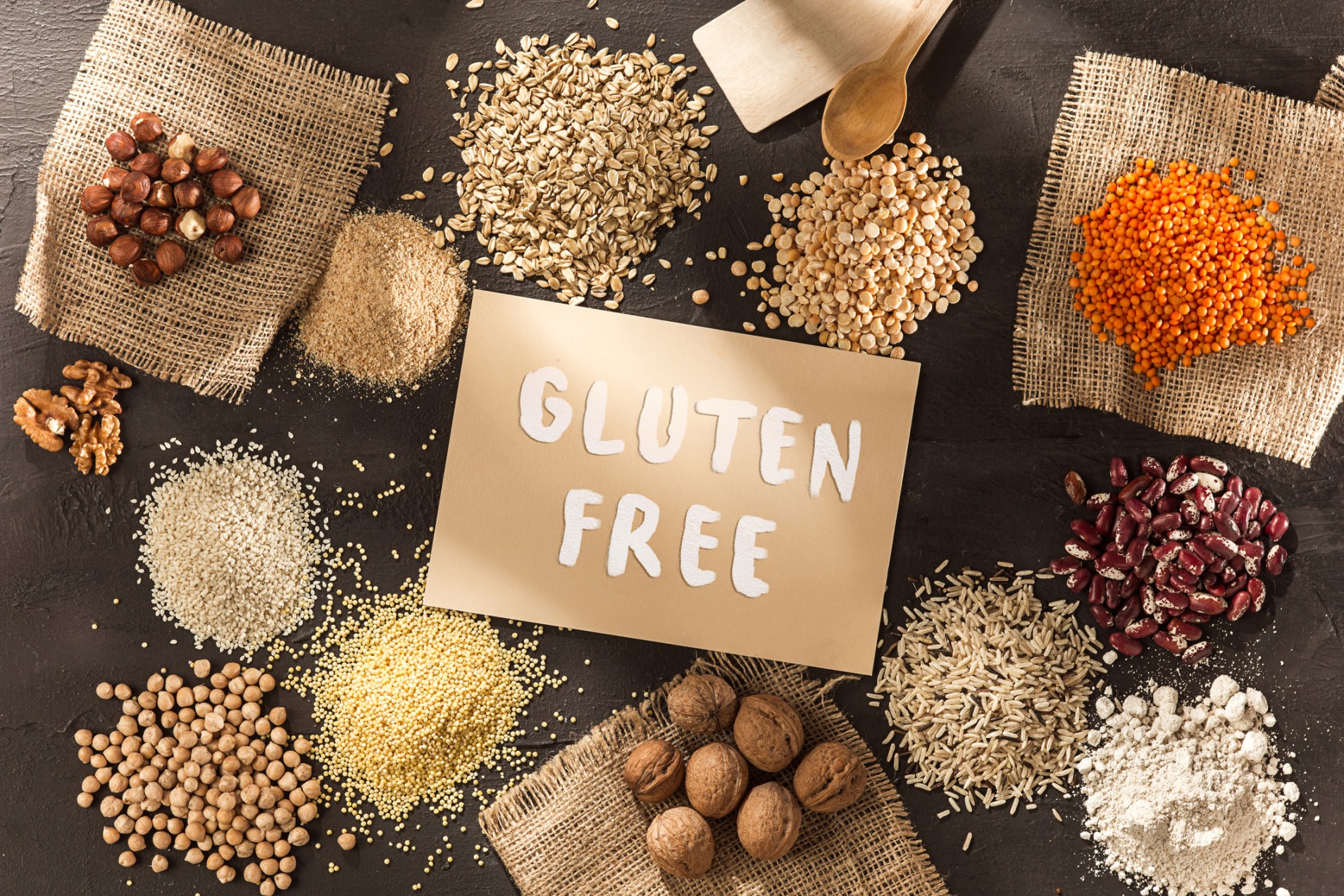
While gluten-free dining options have been steadily increasing, new research has elucidated that there may still be gluten in your “gluten-free” foods. While packaged foods labeled as gluten-free must contain less than 20 parts per million of gluten, there is no similar standard for gluten-free restaurant foods. A study, published in The American Journal of Gastroenterology in…
-
Study Reveals How Attitude Affects Eating Habits

A study on the time and effort people put into finding out about nutrition and seeking out nutritious food, and their dietary behavior has revealed that people who focus on positive outcomes are more likely to eat healthy food than those who only seek to prevent disease. The study was carried out on a national…
-
NEW RESEARCH SHOWS THAT PEOPLE WITH PERIPHERAL ARTERY DISEASE MAY HAVE AN OMEGA-3 DEFICIENCY

New research suggests that people with peripheral artery disease (PAD) could have lower omega-3 levels in their red blood cells than people without the disease. PAD affects 8.5 million Americans and more than 200 million people nationwide. It is a common circulatory problem that leads to narrowed arteries in the extremities and insufficient blood flow…
Shop Our Brands: