-
Keto Diet Myths – Part 2
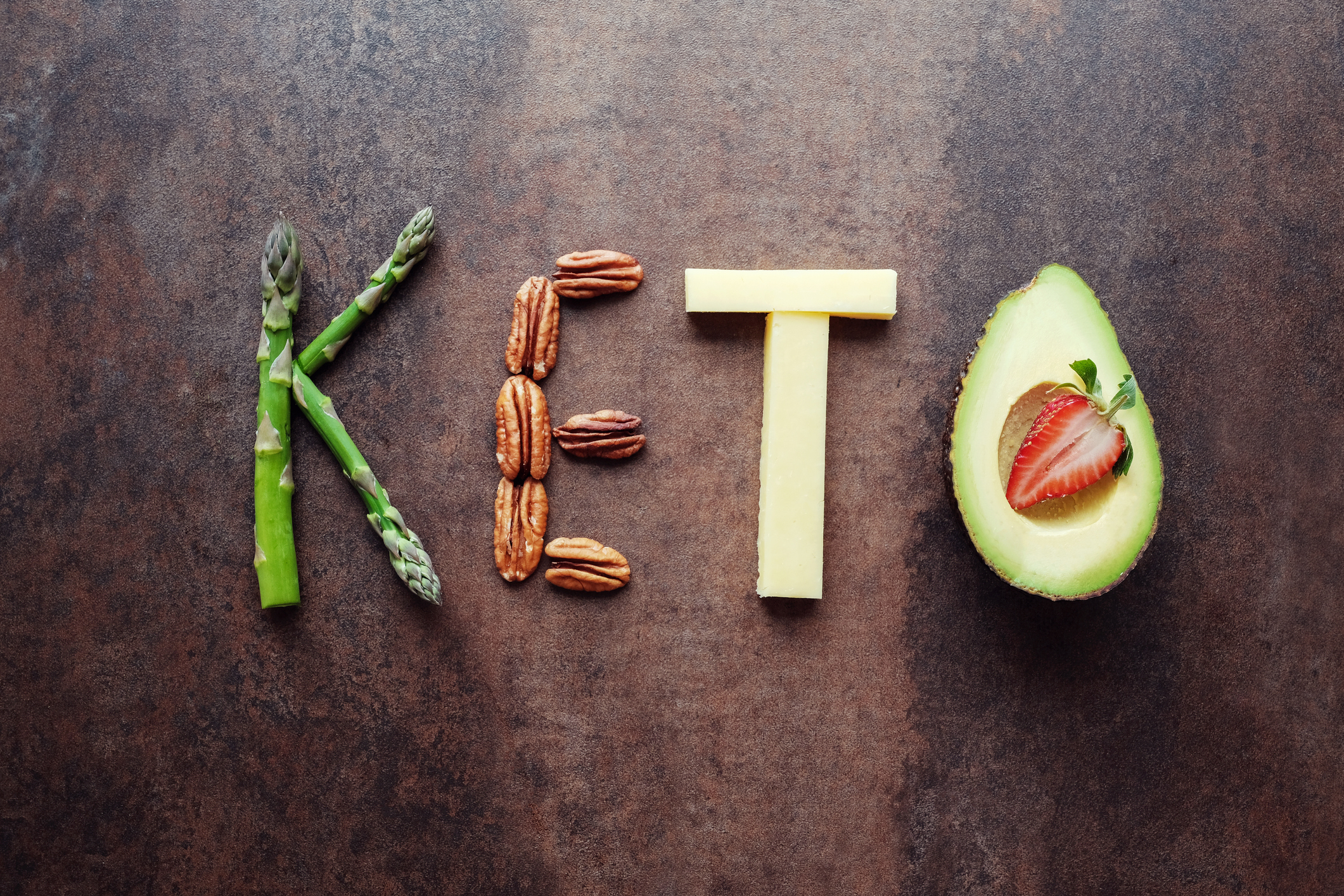
In last week’s blog article, we addressed some common myths about ketogenic diets. There’s no shortage of these to discuss, so today let’s look at three more, including concern regarding the potential for ketoacidosis.
-
Keto Diet Myths – Part 1
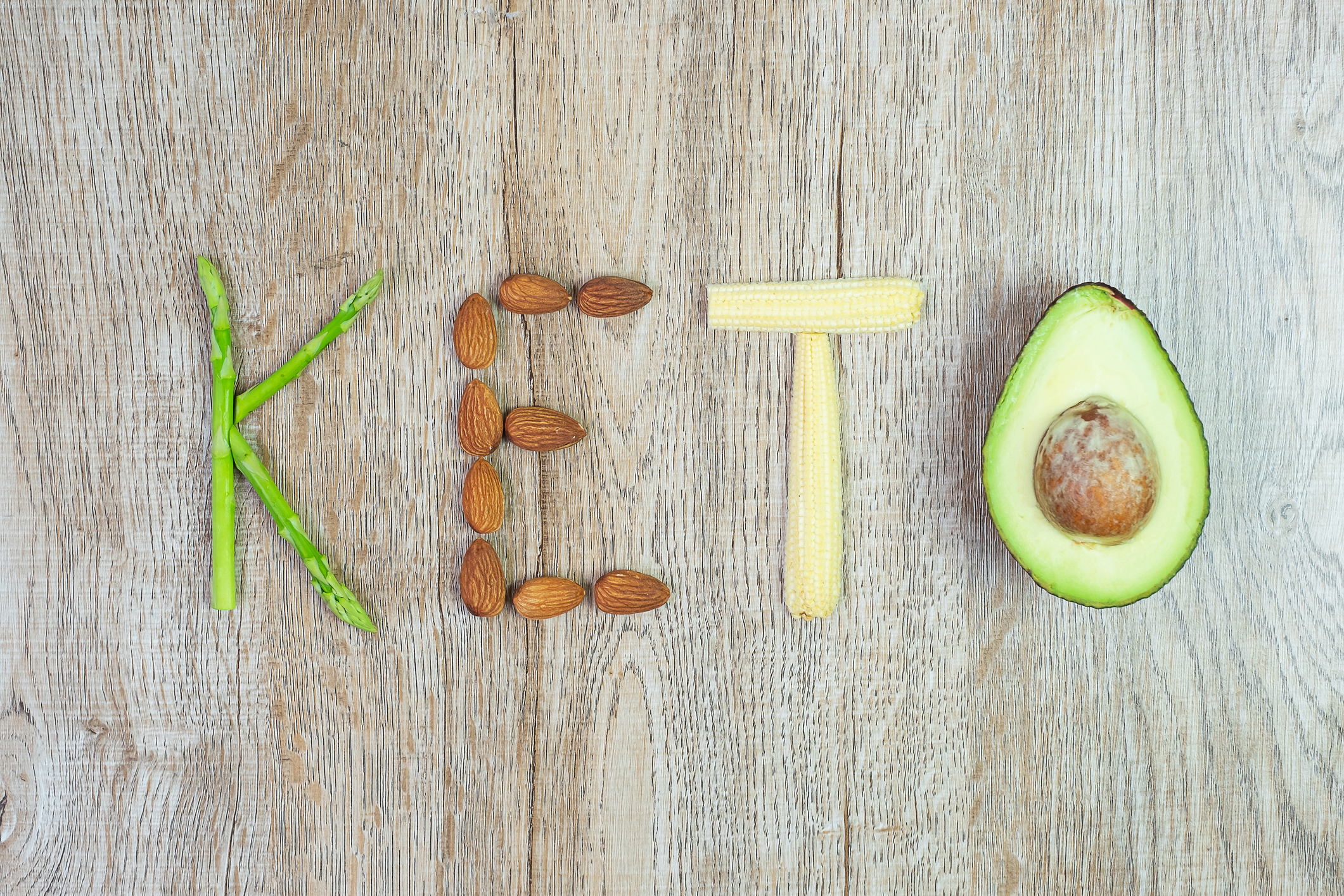
You can’t scroll through social media or stand in a supermarket checkout line these days without being inundated with posts and images related to ketogenic diets. Although this strict form of carbohydrate restriction was originally developed in the 1920s as a dietary treatment for epilepsy, the most common reason people try “keto” now—a century later—is…
-
Meal Timing & Cardiovascular Health

Adding to the body of knowledge regarding dietary patterns and cardiovascular disease (CVD), a cross-sectional study was recently published in the Journal of Clinical Endocrinology & Metabolism, revealing an association between the timing of specific foods and CVD risk. Nearly 28,000 adults in the U.S. National Health and Nutrition Examination Survey (NHANES 2003–2016, an ongoing…
-
Meat Consumption and Brain Health

In a population-based prospective cohort study, nearly 500,000 participants in the UK (aged 40-69) were followed over an average of 8 years, during which nearly 3,000 cases of dementia occurred, of which approximately 1000 were classified as Alzheimer’s disease and 500 as vascular dementia. The relationship between meat consumption and cognitive health has had mixed…
-
The Gout & Insulin Connection

Word is starting to spread that even in people whose blood glucose is within a healthy range, chronically elevated insulin can be a major factor in cardiometabolic disease. Metabolic syndrome and PCOS are the most obvious manifestations of hyperinsulinemia, but a growing number and a widening range of diverse conditions can be added to the…
-
DHA Pathway to the Brain
The health benefits of two omega-3 fatty acids, eicosapentaenoic acid (EPA) and docosahexaenoic acid (DHA), seem indisputable and range from supporting cardiovascular health and body composition to the promotion of healthy inflammatory pathways. Lately, however, DHA has received a brighter spotlight due to its ability to influence the structure, function, and signaling of the brain.…
-
Microbiome, Diabetes & Berberine

In October 2020, results were released from the PREMOTE (Probiotics and berberine on the efficacy and change of gut microbiota in patients with newly diagnosed type 2 diabetes) study. This multi-center, controlled trial had approximately 400 participants recently diagnosed with type 2 diabetes (drug naïve), randomized to one of 4 groups; probiotics + berberine, berberine + placebo, probiotics + placebo, or…
-
Mitigating the Effect of Air Pollution on Cardiovascular Mortality

A 2018 report published by the National Academy of Sciences, based upon data from 41 cohorts within 16 countries, implicated air pollution (i.e., ambient fine particulate matter (PM2.5)) in the deaths of 8.9 million people in 2015. This parallels the predictions published in the Lancet in 2015, which found ambient PM2.5 to be the 5th…
-
Dietary Nitrate & the Oral Microbiome

In 2018 a systematic review and meta-analysis of 23 eligible studies was published, examining the relationship between dietary inorganic nitrates and cardiovascular function, which reviewed studies whose primary outcome was blood pressure, along with secondary outcomes including endothelial function, arterial stiffness, platelet aggregation, and/or blood lipids. Nineteen of these studies used beetroot juice as the…
-
BPH & Insulin

Researchers have been writing about an interesting phenomenon in men, described as a male hormonal equivalent to PCOS (polycystic ovarian syndrome). The main driving factor in PCOS is chronically elevated insulin, with all the signs and symptoms of the condition being explained by the influence of insulin on other hormones and signaling molecules, such as…
Shop Our Brands: