-
Best Forms of Magnesium for Sleep

The magnitude of magnesium’s importance in the human body cannot be understated. This master mineral is the fourth most abundant element in the human body and is responsible for over 300 biochemical reactions in the body. Magnesium gets depleted when exercising, under stress, or during illness. Excessive alcohol consumption can also lead to inadequate magnesium…
-
Happy Tick-Free Summer

Memorial Day Weekend has come and gone, and that means one thing – it’s “officially” summer! And while the warmer weather comes with exciting outdoor adventures and great vitamin D access, it also awakens many creatures – including the ones that bite.
-
Magnesium for Brain Health

The brain’s metabolism never stops. Even during a coma, the metabolism inside the brain only slows down by 50%. As such, the brain is a very resource-hungry organism that requires a great deal of nutrition and, in turn, creates a lot of metabolic waste.
-
Oregano Oil: Updates on Molecular Mechanisms
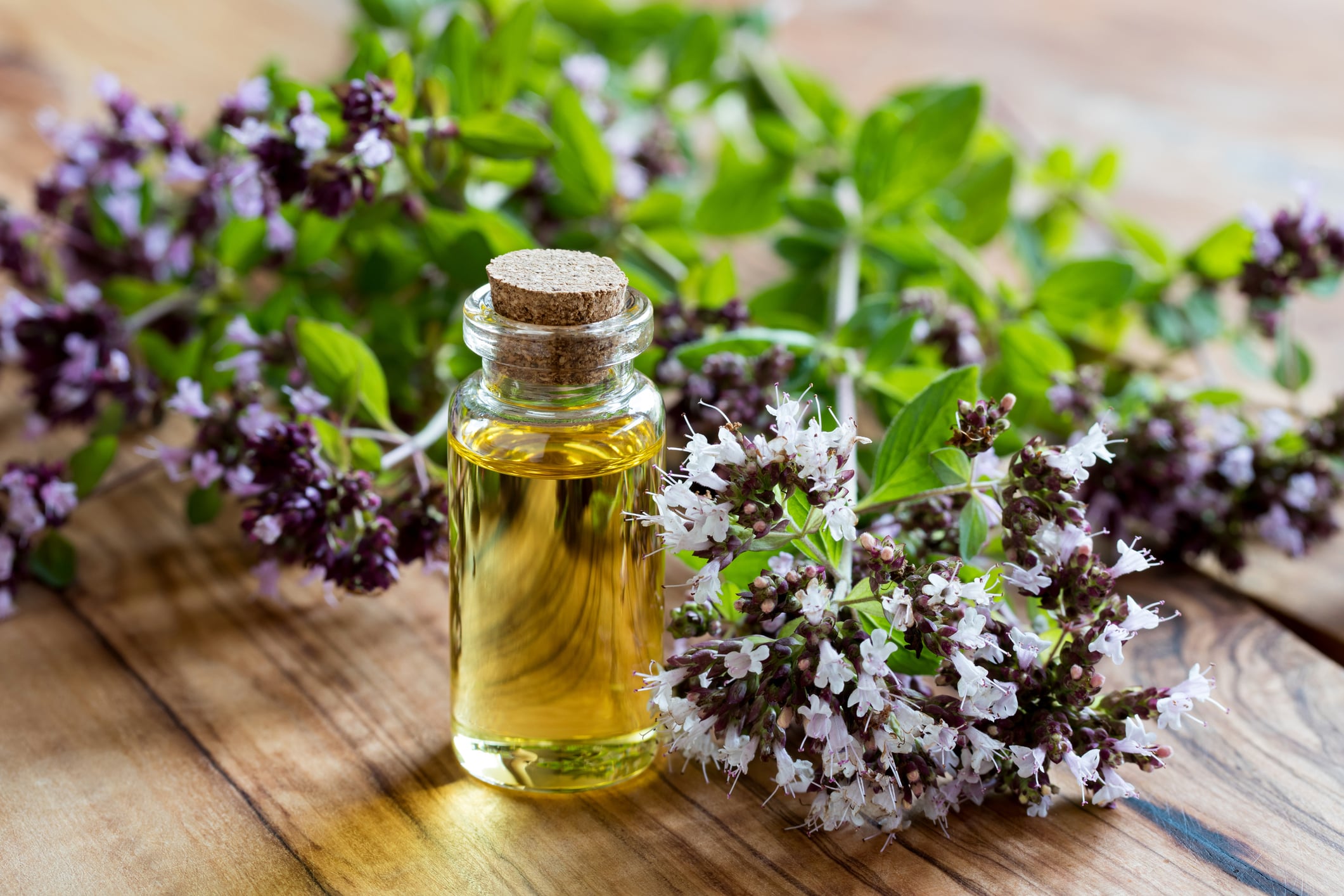
Oregano oil (Origanum vulgare) has been used traditionally for a variety of health-promoting reasons, ranging from gastrointestinal to respiratory support. It has well-established antioxidant, antimicrobial, anti-fungal effects, as well as offering support for a healthy inflammatory response. Recently, anti-neuroinflammatory and neuroprotective effects of carvacrol (the primary constituent of oregano oil) were observed, with activation of…
-
Vitamin D: Muscular Strength & Physical Performance

An article in Clinical Interventions in Aging looked at the relationship between vitamin D status and muscle function in community-dwelling older adults. The researchers suggest that since vitamin D deficiency is prevalent in older adults, optimizing vitamin D status may be a practical and cost-effective approach to support healthy muscle function. They set out to…
-
Dietary Nitrate, the Oral Microbiome and Their Combined Impact on Cardiovascular Health

In 2018 a systematic review and meta-analysis of 23 eligible studies was published, examining the relationship between dietary inorganic nitrates and cardiovascular function, which reviewed studies whose primary outcome was blood pressure, along with secondary outcomes including endothelial function, arterial stiffness, platelet aggregation, and/or blood lipids. Nineteen of these studies used beetroot juice as the…
-
Lycopene for Men’s Health

Lycopene is a carotenoid compound that contributes to the red and pink pigments in tomatoes, watermelon, guava, pink grapefruit, papaya, and other plant foods. Unlike beta-carotene, lycopene has no pro-vitamin A activity, but that doesn’t mean it provides nothing beyond a feast for the eyes. This phytonutrient has some impressive benefits with regard to men’s…
-
Vitamin A in the Spotlight

Perhaps best known for its role in supporting healthy eyes, vitamin A has a much larger reach affecting a surprising breadth of processes in the body, including some for which this fat-soluble nutrient wouldn’t be the first to come to mind.
-
Research Highlights Glutathione’s Potential Effects on the Elderly

A 36-week open-label trial conducted at Baylor College of Medicine was recently published in Clinical and Translational Medicine. This small trial documented multiple physiological deficits among older adults compared to young adults with dramatic change across many biomarkers in older adults after 24 weeks of supplementation with the glutathione (GSH) precursors glycine (Gly) and N-acetylcysteine…
-
5 Ways to Promote Bile Production

Bile is a vital body fluid that plays an important role in the absorption of nutrients in the small intestine as well as flushing the liver of toxins. Bile is continuously produced in the liver by cholesterol oxidation and conjugated to glycine and taurine, and subsequently stored in the gallbladder. Bile also works as a…
Shop Our Brands: