
-
Exercise’s Impact on the Immune System

In a study looking at the effects of exercise on immune function, Dr. James Turner and Dr. John Campbell from the University of Bath’s Department for Health challenged the theory that intense exercise provides an “open window” for infectious diseases to set in. In their paper published in the international journal Exercise Immunology Review, Dr.…
-
How Intensive Physical Exercise Improves Memory

A recent study from the University of Geneva (UNIGE) aimed to discover the link between sports and memory. The results, which were published in the journal Scientific Reports, show that exercise is not only good for the body, it also enhances memory.
-
9 Evidence-Based Health Benefits of Exercise

Poor lifestyle choices, including inactivity, reduces the quality of life for millions of Americans. A massive $117 billion is spent annually on healthcare and about 10% of premature deaths are associated with inadequate physical activity.
-
How Exercise Affects Your Gut

Though it is well known that diet can certainly modulate the composition of the gut microbiota, we are only just beginning to understand how exercise affects your gut and gut microbiome. However, considering the many roles of the gut in the development and maintenance of overall health, it is not surprising that there is great…
-
Could Running Be Associated with a Lower Risk of Mortality?

A study has uncovered that running or jogging, regardless of the amount above one session per week, could be associated with lower rates of mortality. A 2017 study established that physical exercise has the ability to reduce cellular aging by nine years. This was proven by measuring the length of white blood cell telomeres, the…
-
New Study on Time-Dependent Effects of Exercise

Two new interdependent papers have been released studying time-dependent effects of exercise. The studies show that exercising at different times of the day can modulate the outcomes, showing promise for athletes looking to up their game. Circadian science studies systemic energy homeostasis and metabolic pathways in relation to the body’s in-built circadian rhythm.
-
Japanese Researchers Link Omega-3s with Lower Muscle Stiffness Post-Exercise

In a small study on the effects of the omega-3 oils eicosapentaenoic acid (EPA) and docosahexaenoic acid (DHA), researchers have found that the oils appear to reduce muscle stiffness symptoms after exercise. During the study, sixteen men were asked to perform six sets of 10 arm contractions using a dumbbell. Their range of motion, muscle…
-
Mineral-Rich Diet Beats Exercise for Bone Health
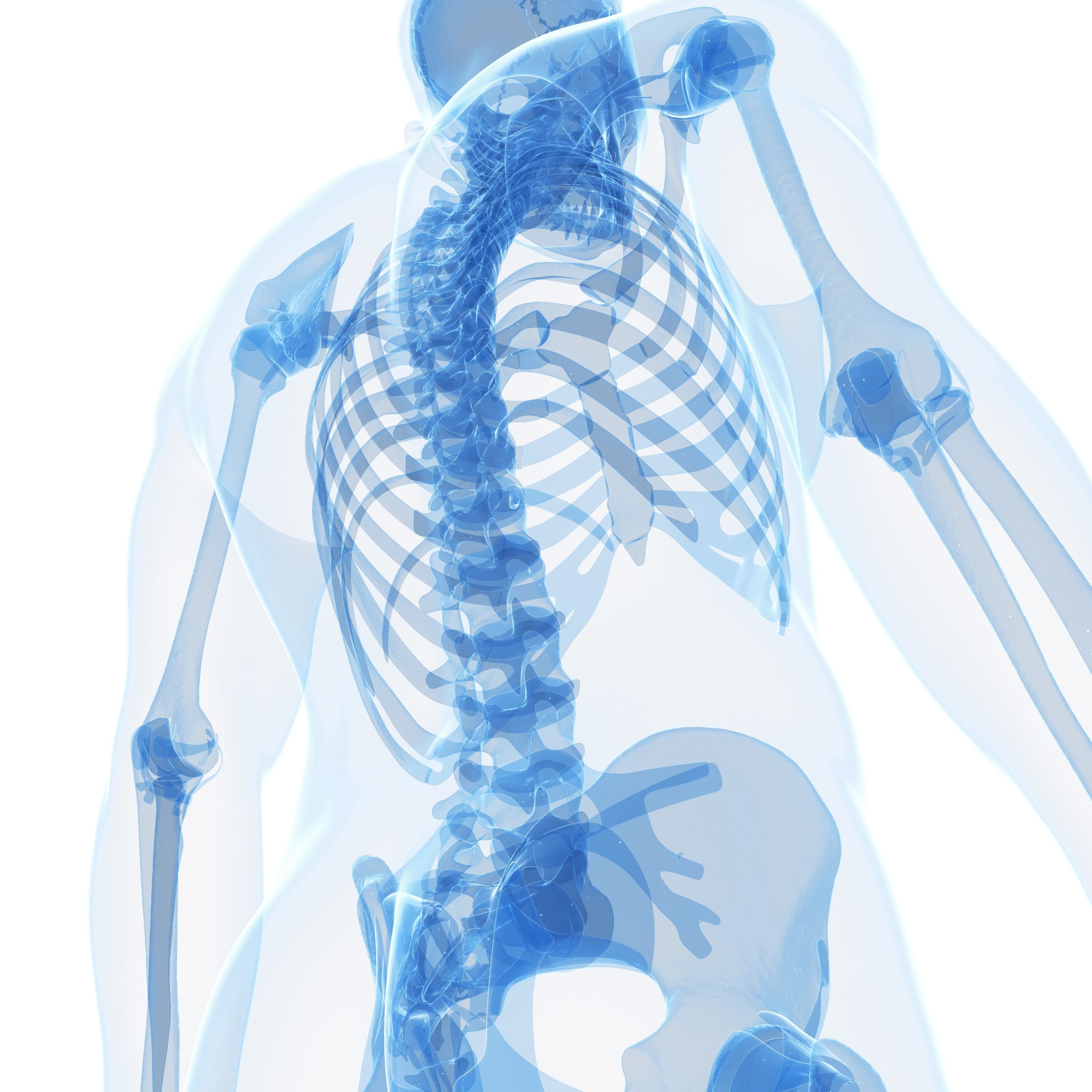
Exercise has always been highly recommended for maintaining bone mass and strength as we age, but there could be more to this story. A recent mouse study at the University of Michigan has demonstrated that a mineral-supplemented diet (high in calcium and phosphorous) had an even greater impact on bone density than exercise. The groups…
Shop Our Brands: