-
Migraine and Cardiovascular Risk
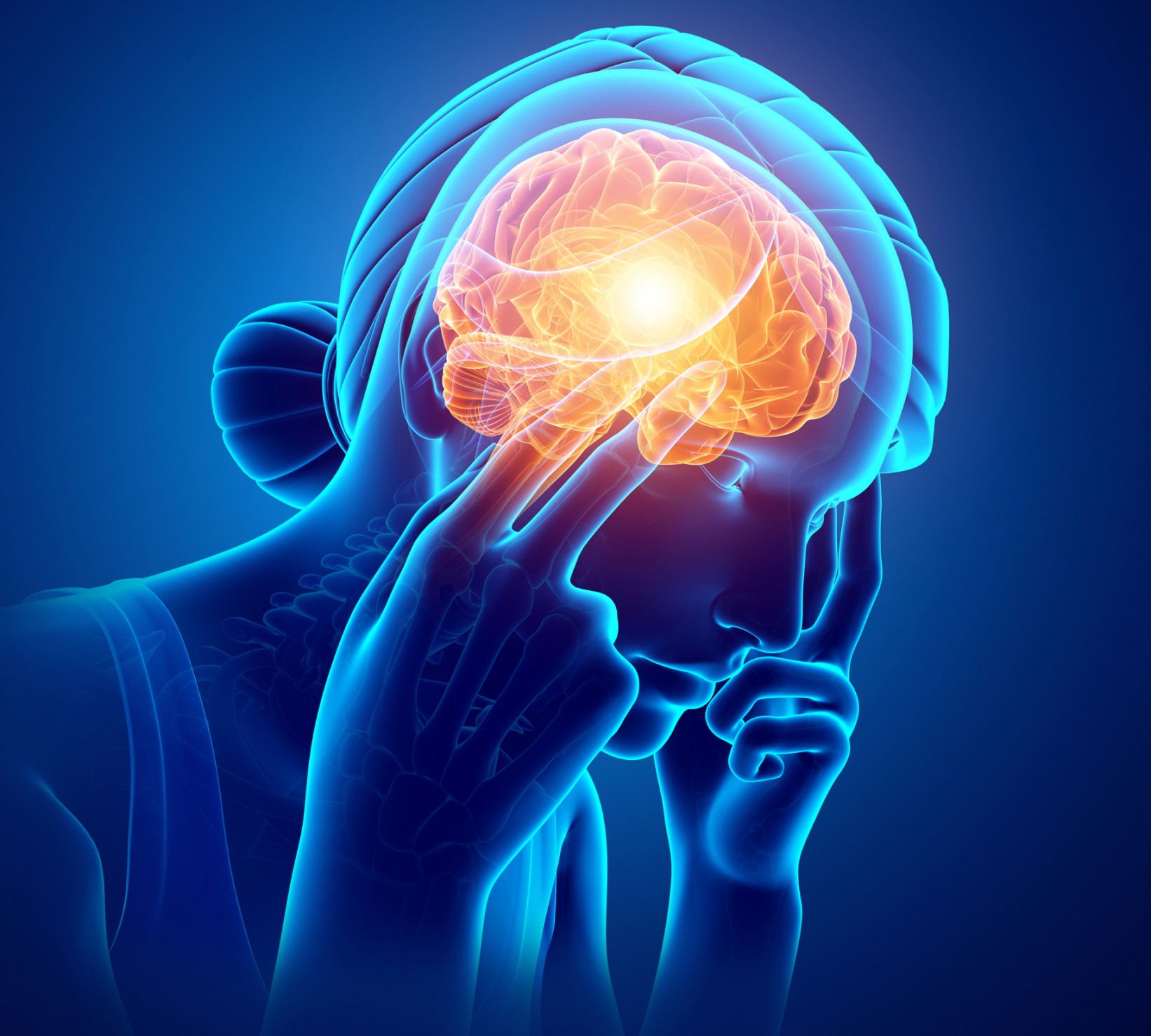
According to the Headache Classification Committee of the International Headache Society,[1] migraine affects nearly 15% of the population or about one billion people worldwide. In a general population cohort, performed by Adelborg K, et al., various risk factors in patients with migraine headaches were assessed. These included myocardial infarction, stroke (ischaemic and haemorrhagic), peripheral artery…
-
Folate Deficiency Associated with Gene Modulation

Folate deficiency has been associated with the onset of varied metabolic abnormalities, “including insulin resistance, by altering epigenetic processes on key regulatory genes,” such as the calcium/calmodulin-dependent protein kinase kinase 2 (CAMKK2). CAMKK2 is part of the calcium-triggered signaling cascade, and influences obesity and glucose metabolism.
-
Thyme for Gut Health

More often than not, we associate thyme with the culinary world. The beloved, leafy herb that accompanies chicken or other savory dishes, we think of it flavoring a stuffing, sauces, stews and soups.
-
Vitamin D and the Flu

Utilizing a randomized, open, controlled clinical trial, a study was performed to “evaluate the clinical efficacy and safety of vitamin D” for the prevention of influenza A in infants. Infants were randomized to low-dose or high-dose vitamin D, for four months, with 200 infants in each group. Influenza A was observed in 78 cases of…
-
Boost Your Brain with Omega-3s
Not long ago, we seemed to accept the notion that humans only use 10% of their brains, as if the other 90% would remain a mystery forever. Today, not only has that myth been debunked, research on the brain is exploding and giving clarity to our misunderstanding of this untapped human resource. With a generation…
-
Enhanced Cognition with Vitamin D
Vitamin D has proven to be a champion of cognitive health in a recent study assessing healthy adults who possessed a baseline vitamin D of ≤ 100nmol/L, and located in British Columbia, Canada (54˚ North Latitude).
-
Happy “Healthy Heart” Month
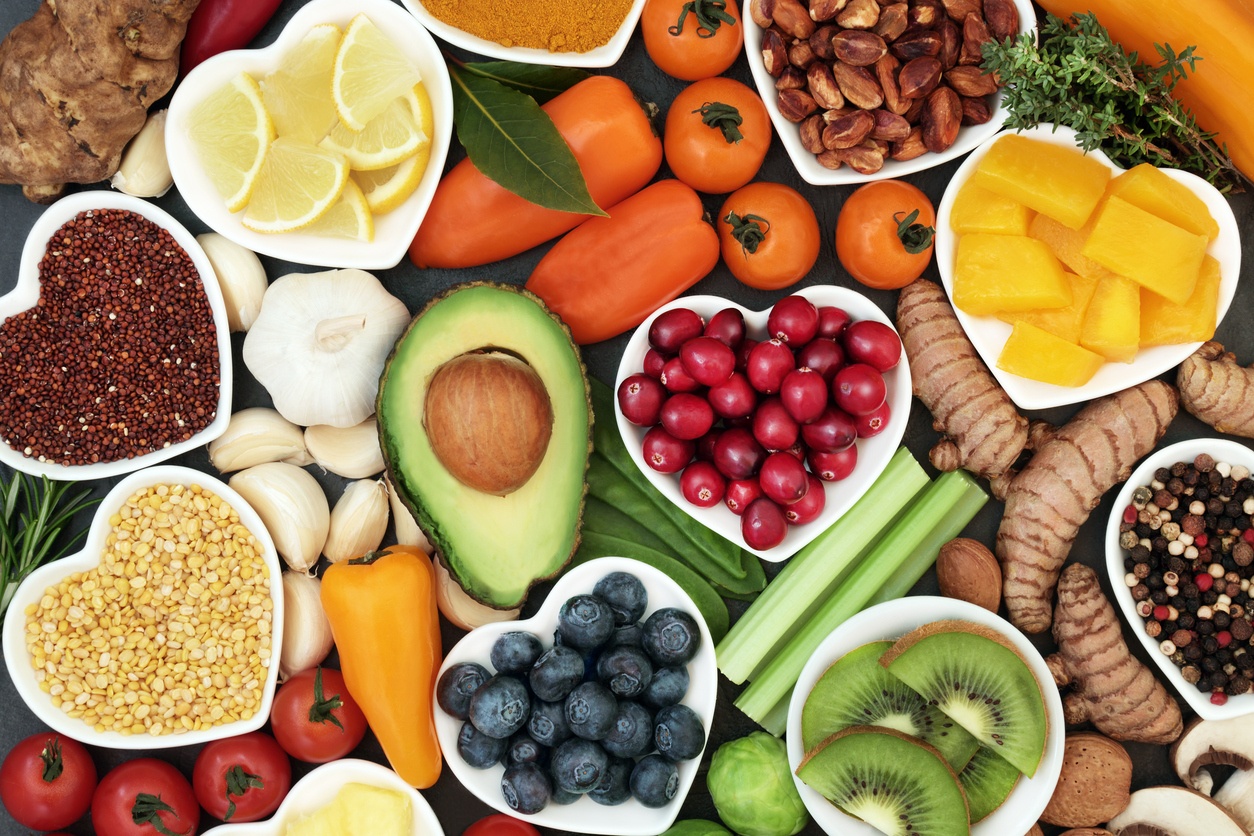
With February being Heart Health Month, and Valentine’s Day, our love holiday, falling right in the middle of the month, we see a lot of heart symbols around. But as we hang the Valentine’s and shower our loved ones with cards and heart-shaped chocolates, let’s not forget the importance of our own beating hearts.
-
Ginkgo Biloba Extract Improves Both Cognitive and Neurological Functions Following Stroke

Ginkgo biloba has a long history of use in China “as a traditional herb for memory, depression, tinnitus and confusion.” In this randomized, controlled trial, Ginkgo biloba was demonstrated to improve both cognitive and neurological functions following acute ischemic stroke. Within seven days of the onset of acute ischemic stroke, patients from five hospitals in…
-
Detox 101

The word “detoxification” can trigger a lot of negative responses from people. When we think “detox,” we think discomfort or something we are afraid to do. Everyone has a friend who has some kind of detox story, and fears range from, “Will I be starving?” to “Will I be in the bathroom all day?” Detox…
-
Ashwagandha is Beneficial in Alleviating Cognitive Dysfunction

In the obese individual, cognitive disturbances, including problem solving, working memory, and neuro-muscular coordination, have been demonstrated to affect both social and mental abilities. Ashwagandha (ASH), recognized for its memory boosting and restorative functions “is traditionally used as a rasayana (tonic) that works in a holistic manner to promote overall health and vitality”, and has…
-
More Bad News for PPI Users
Proton pump inhibitors are widely prescribed and are also available for sale over the counter without prescription in the US. Use of proton pump inhibitors (PPIs) are associated with increased risk of a number of adverse health outcomes including acute interstitial nephritis, chronic kidney disease and end-stage renal disease, incident dementia, increased risk of incident…
-
Lower Levels of DHA and EPA Observed with ADHD
In a meta-analysis review of both randomized controlled trials (RCT) and case-control studies, the effects of omega-3 (n-3) polyunsaturated fatty acids (PUFAs) on both clinical symptoms and cognition in children and adolescent with ADHD was assessed. The RCT reviewed 534 youths with ADHD, supplemented with omega-3 polyunsaturated fatty acids. Improved clinical symptoms of ADHD (p<0.0001)…
-
Berberine Determined to be Beneficial Against Candida Albicans

Berberine is recognized as having antibacterial activity, and has demonstrated such activity against “staphylococcal, streptococcal, and enterococcal species, including multi drug resistant strains of Mycobacterium tuberculosis and MRSA” (methicillin-resistant Staphylococcus aureus). In in vitro studies berberine was demonstrated to have “activity against clinical isolates of MRSA, with minimal inhibitory concentration (MICs) ranging from 32 to…
-
Vitamin D Supplementation Reduces Glycosylated Hemoglobin A1c
A recent study summarized evidence from randomized controlled trials (RCTs) in an effort to “assess the efficacy of vitamin D supplementation” on decreasing glycosylated haemoglobinA1c (HbA1c) and fasting blood glucose (FBG) levels. Included in the evaluation were 24 studies that assessed HbA1c levels, along with 18 studies that assessed fasting blood glucose. Utilizing a systematic…
-
Is Magnesium’s Performance Comparable a Statin?
“Statins” are documented as “the most prescribed pharmaceuticals in history”, and according to Dr. Timothy Marshall “are also one of the most controversial classes of drugs in use today.” A paper published in 2004 Mildred Seeling, M.D., provided evidence that magnesium functions in lowering cholesterol “by the same mechanisms as statin drugs”. In the body,…
Shop Our Brands: