-
Vitamin D and Greater Colon Protection
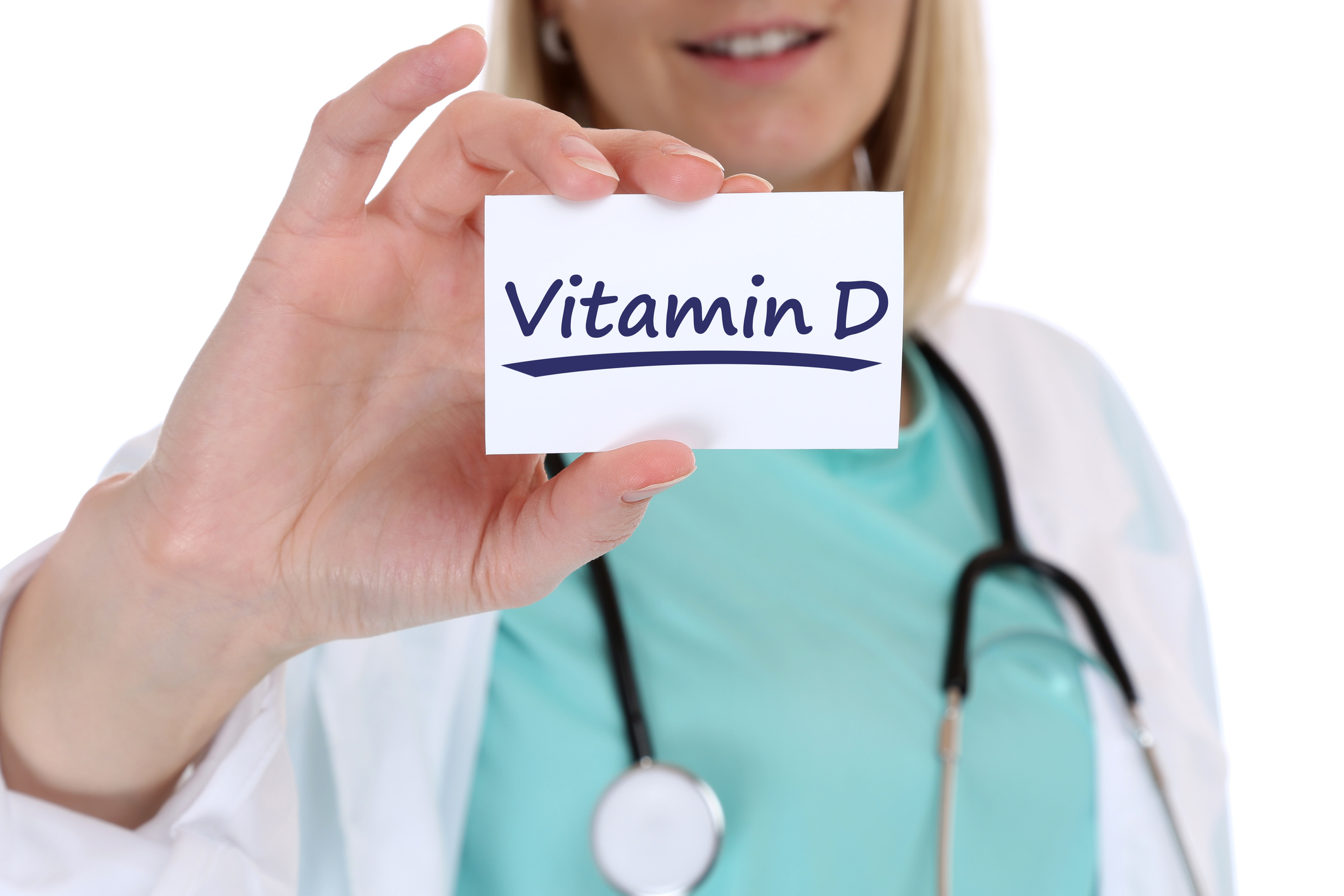
Vitamin D is probably most known for its association with bone health, but a recent study suggests higher levels of vitamin D in the bloodstream may have a protective role against colorectal malignancy. In this study, the people who had lower levels of vitamin D had a 31 percent higher risk of colorectal malignancy, and…
-
Andropause: Life Stage or End of Manhood?

In the past, short of erectile dysfunction, male reproductive and endocrine issues were rarely discussed. With the advent of the internet, however, and a sudden interest in the repercussions of diminishing testosterone levels, the conversation is happening. Just as with female hormone production, male hormone production also wanes with age. This time of hormonal decline…
-
Berberine: The Gut-Brain-Heart Connection
Most of us have heard about the gut-brain connection, how nearly 90% of the body’s serotonin is actually made in the digestive tract, and how the gut-brain axis is the missing link in depression. Gut health and the landscape of the gut microbiota influence many aspects of our health, so it is no surprise that…
-
Vagus Nerve in Vogue

What happens in vagus… Actually, what happens in the vagus nerve doesn’t stay in the vagus nerve. It leaves, taking information about the body’s organs to the brain via “afferent fibers”, and is considered the reason why we have a gut-brain connection. Much attention is being given to this key connector in treating gastrointestinal and…
-
Coffee…Harmful or Healthy?

With coffee shops popping up on every street corner, the debate over coffee’s health benefits rages on. While some studies pronounce coffee’s extraordinary benefits in reducing the risk of cardiovascular disease, Type 2 diabetes, and Parkinson’s Disease, as well as associating high coffee consumption with an 8-15% reduction in risk of death, others warn of…
-
Get Focused!

According to the Diagnostic and Statistical Manual IV, the presence of six or more of a list of symptoms, including inattention and/or hyperactivity/impulsivity for at least six months (with onset prior to seven years of age), and with symptoms being more severe than that of peers at a similar developmental age, defines ADHD. The Diagnostic…
-
A Golden Gem for Brain Health
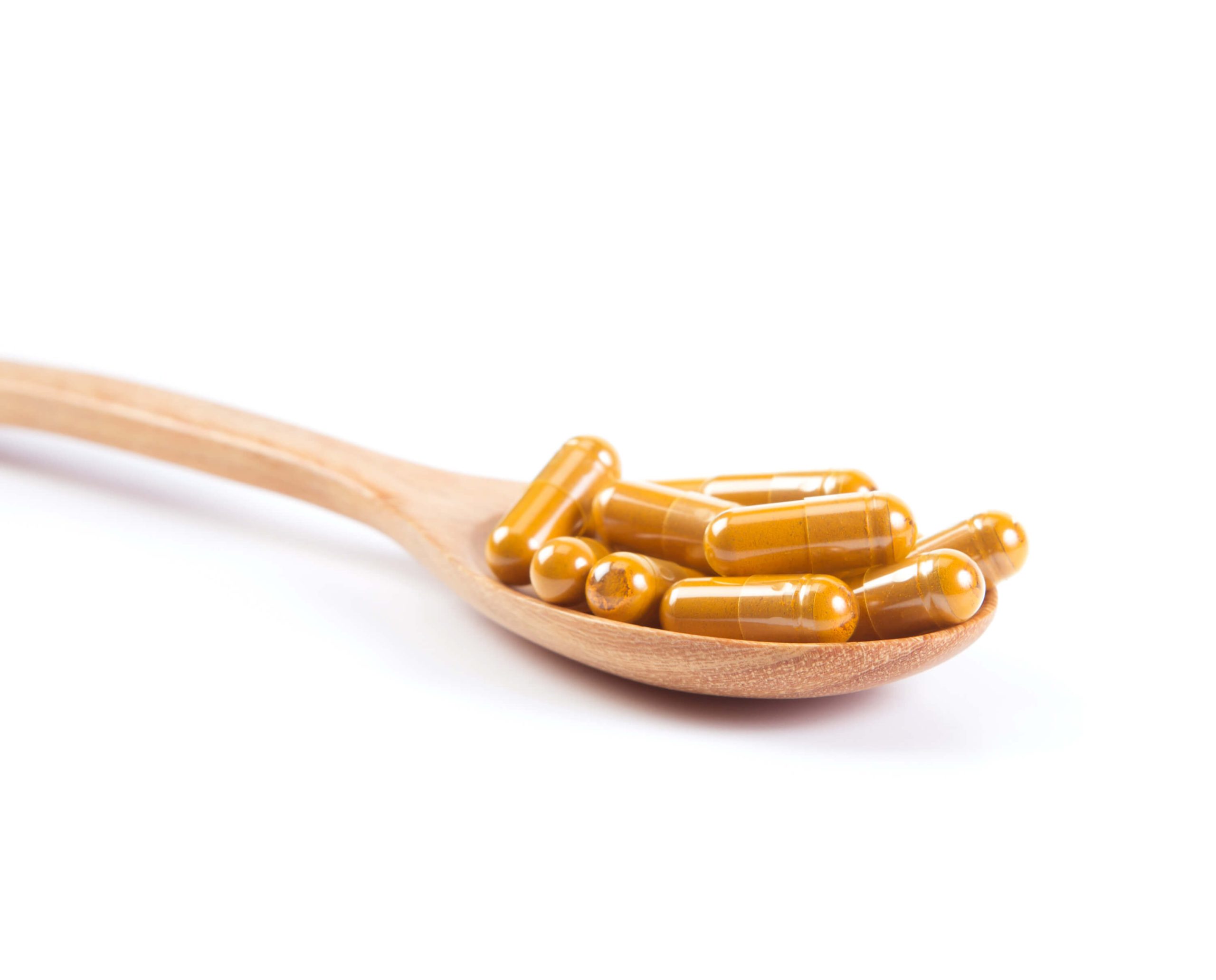
We are constantly stressed with deadlines and pressured to produce tasks faster and with more efficiency. In today’s workforce, our mental clarity plays a major role in delivering quality work. Practices to help think more clearly may include better sleep, controlled anxiety, and brain supplements. One such “brain supplement” with research bragging rights is curcumin,…
-
Better Diet Quality Linked to Larger Brain Volume
Can eating healthy make our brains bigger? In a recent study by Croll PH, et al., that evaluated the diets of participants from the Rotterdam Study, as well as their brain MRI scans, it was determined that a “better diet quality related to larger brain volume, gray matter volume, white matter volume, and hippocampal volume.”
-
A Roller Coaster in the Bloodstream
Maintaining healthy blood sugar levels can be complex and unyielding. In addition to food and beverages, our blood glucose levels fluctuate in response to a variety of other factors. Exercise, emotional stress, the previous night’s rest, and genetics all play a role in the body’s attempt to tightly regulate the levels of glucose circulating in…
-
Ketogenic Diet Alters Microbiome
The high-fat, low carbohydrate ketogenic diet is gaining popularity among the mainstream health enthusiasts, but has always been the go-to diet for children with epilepsy for its anti-seizure effects. A recent study by UCLA scientists published in the journal Cell, recently pinpointed a causal link between seizure susceptibility and gut bacteria.
-
Do Sleep Meds Keep You Up at Night?

More than 50% of Americans complain they cannot sleep, and 37 percent of those polled in a Consumer Reports survey claimed they had used some type of sleep aid in the past year. Insomnia, a real problem, accounts for about 5.5 million medical visits each year.
-
Gut Molecules Control Brain Inflammation
Unexpected to most immunologists, the central nervous system (CNS) seems to have a vigorous immune system, and one controlled remotely by gut microbes. According to an article by Wekerle, referencing Rothhammer V, et al.[1] “the vigorous immune potential” of the central nervous system (CNS) typically remains dormant, but becomes active post-injury. Two types of glial…
-
Happy Tick-Free Summer

Memorial Day Weekend has come and gone, and that means one thing – it’s officially summer! And while the warmer weather comes with exciting outdoor adventures and great vitamin-D access, it also awakens many creatures – including the biting ones.
-
Taurine Deficiency in Sperm the Cause of Male Infertility?

“Sperm entering the epididymis are immotile and cannot respond to stimuli that will enable them to fertilize.”
-
Lithium: An Essential Trace Element

Although lithium is predominantly known for its role in mood stabilization, with associations ranging from a miracle element to concerns of toxicity, the human body actually requires small amounts of this essential trace element for optimal health.
-
Magnesium and Vitamin D, Better Together

Oftentimes, we focus on a single nutrient and how it impacts our physiology. However, one study recently highlighted the importance of remembering the synergy between nutrients. Magnesium and vitamin D, for example, are two such nutrients who prove to be better off together than alone. In a recent review published in the Journal of the…
-
Is Your Water Bottle Making You Fat?
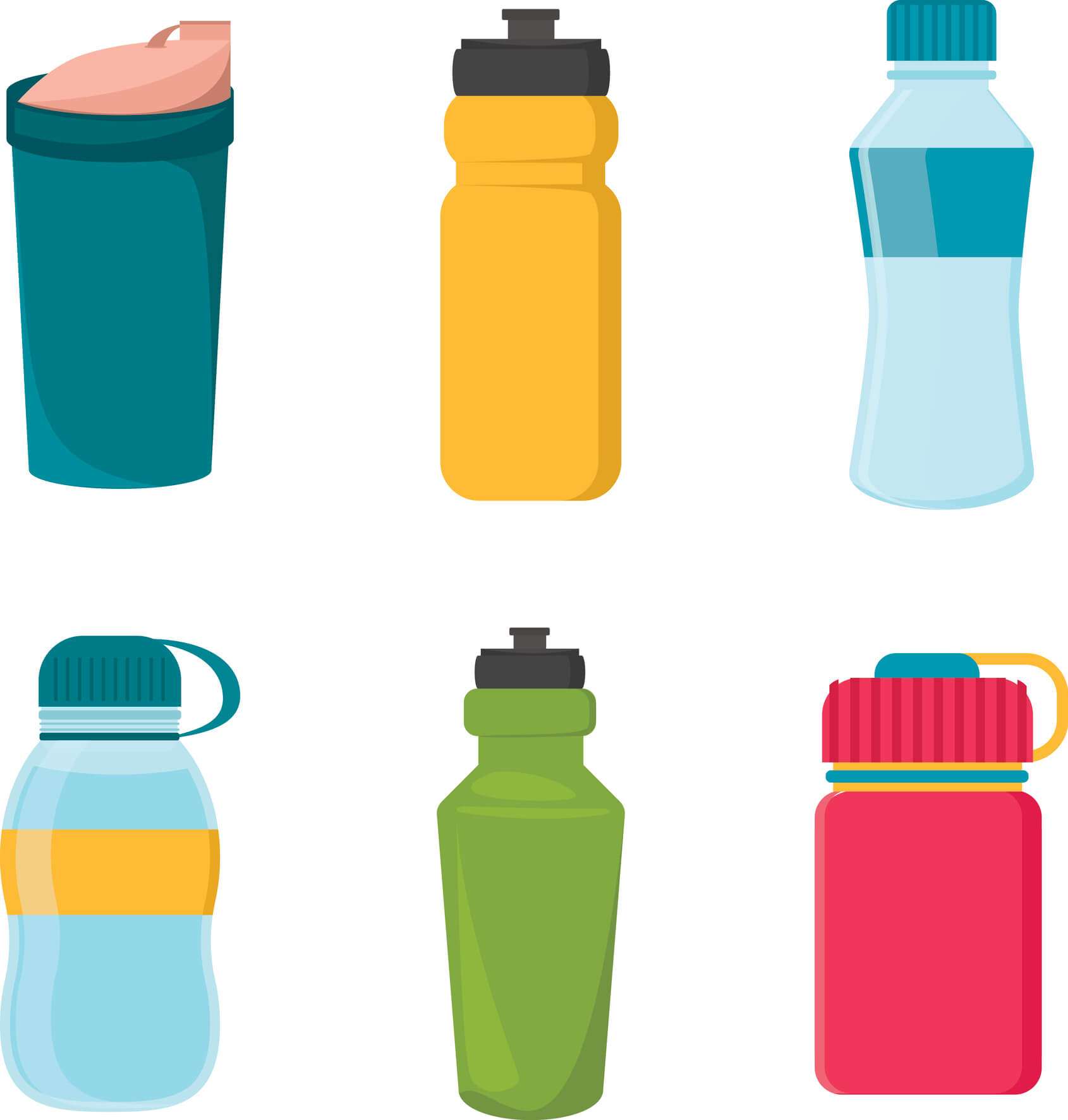
Yes, drinking water is important to our health, but some of the toxic chemicals that accompany each swig might not be. By now, we’ve all heard of Bisphenol A (BPA), an estrogenic compound used to make polycarbonate plastics and epoxy resins, and many people choose BPA-free plastics because of research maligning this trendy toxin with…
-
Nutrients Turned to Toxins in Chronic Kidney Disease
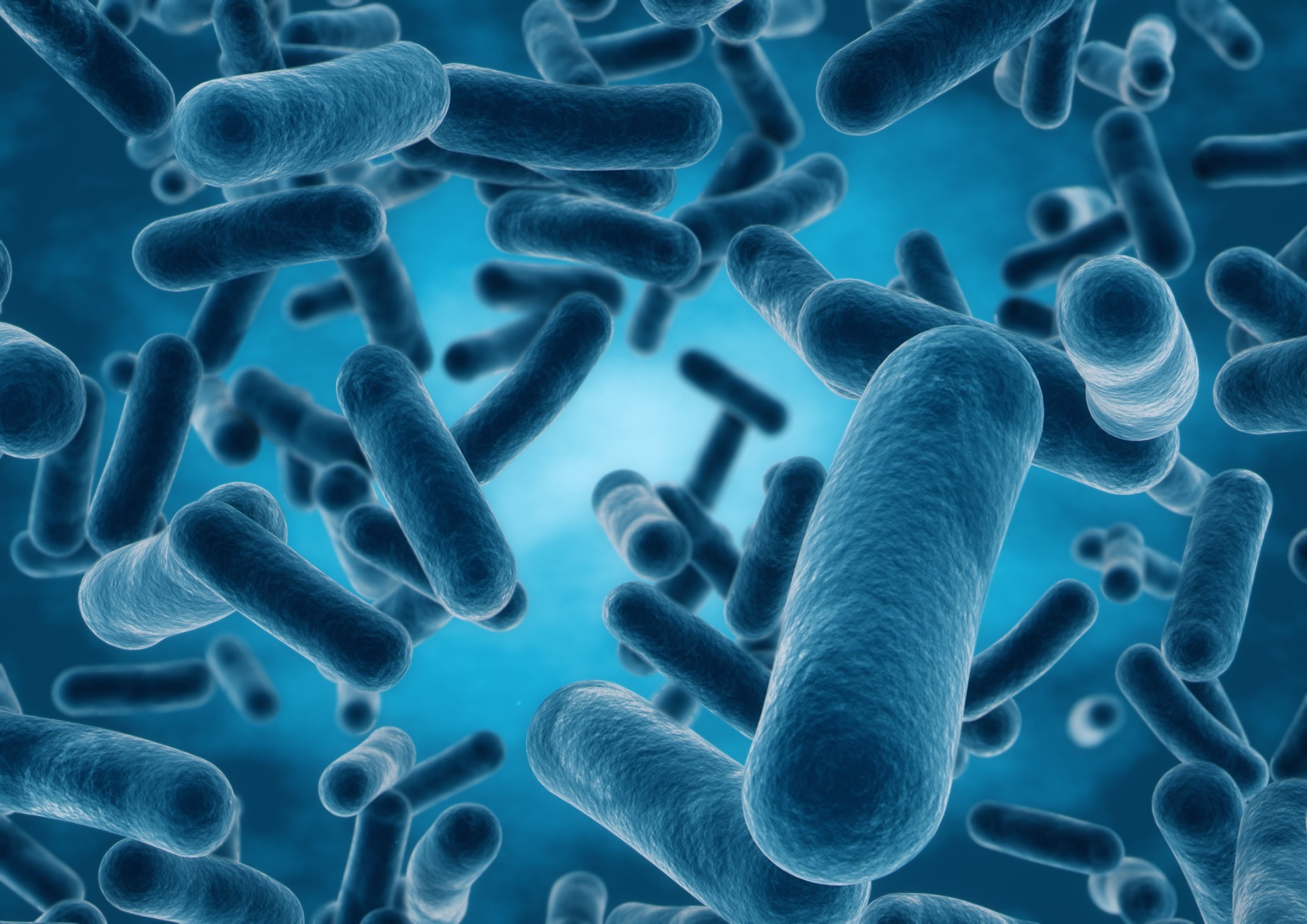
Our gut microbiota process food nutrients in such a way that can generate uremic toxins or precursors metabolized to toxins in patients with chronic kidney disease (CKD). Some key uremic toxins include Trimethylamine N-Oxide (TMAO), p-cresyl-sulfate (pCS), indoxyl-sulfate (IS) and indole-3 acetic acid (IAA), all of which are important in the homeostasis and disposal of…
-
Making Memories with Huperzine A
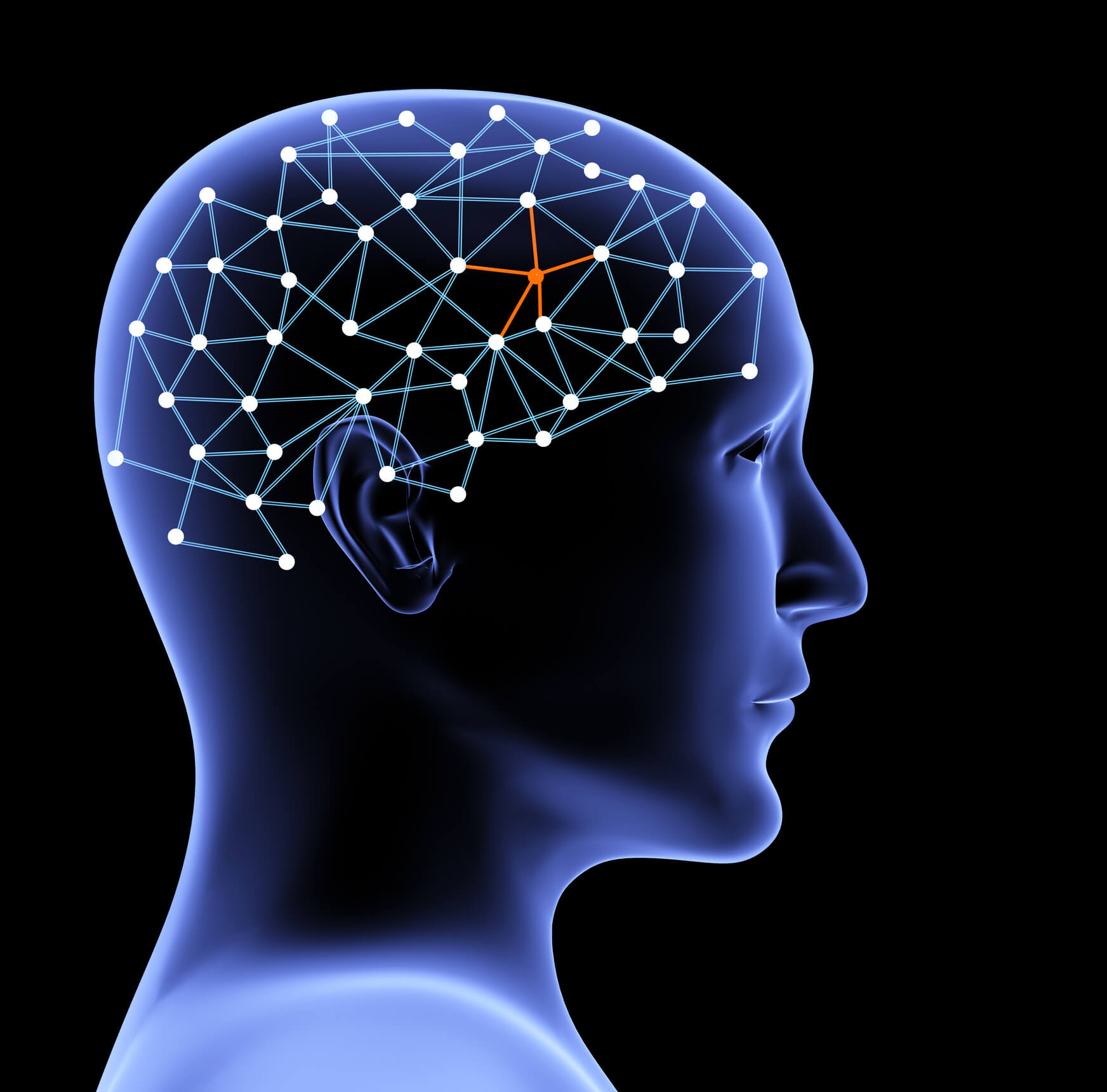
Our central hub, the brain, is made up of billions of neurons that communicate to other parts of the body in order to carry out physical and mental activities. Chemical messengers (neurotransmitters) carry out and enhance communication between these neurons and other cells in the body. Billions of neurotransmitters work non-stop to keep our brains…
-
Diabetes in the Gut
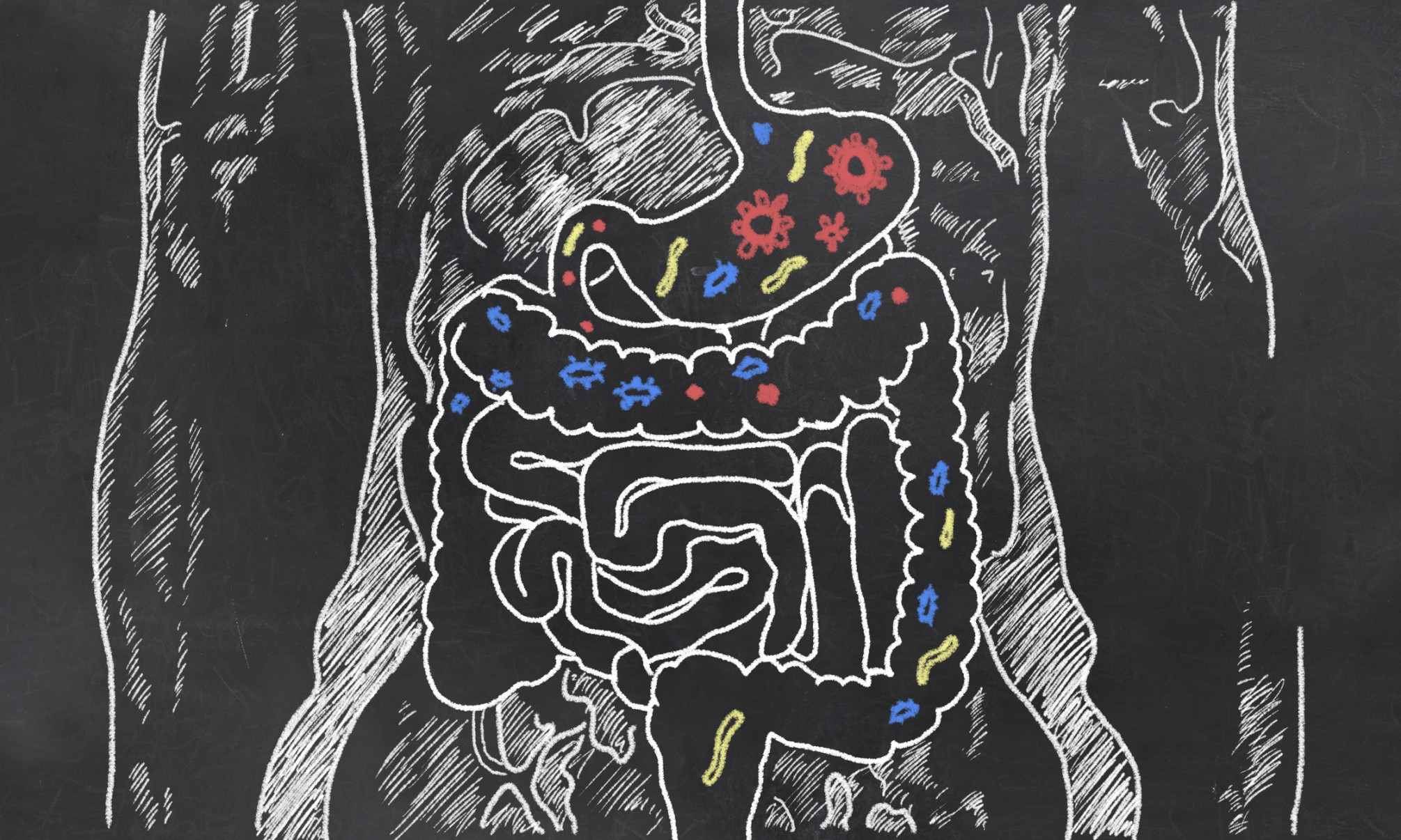
When thinking about diabetes and dysmetabolism, we look at a number of tissues such as adipose, liver, muscle and pancreas, but are we considering enough the role of the gut? Metabolic syndrome is defined as a cluster of physiological abnormalities that increase the risk of developing cardiovascular disease and type 2 diabetes. Risk factors include…
-
Not All MCT’s Are Created Equally
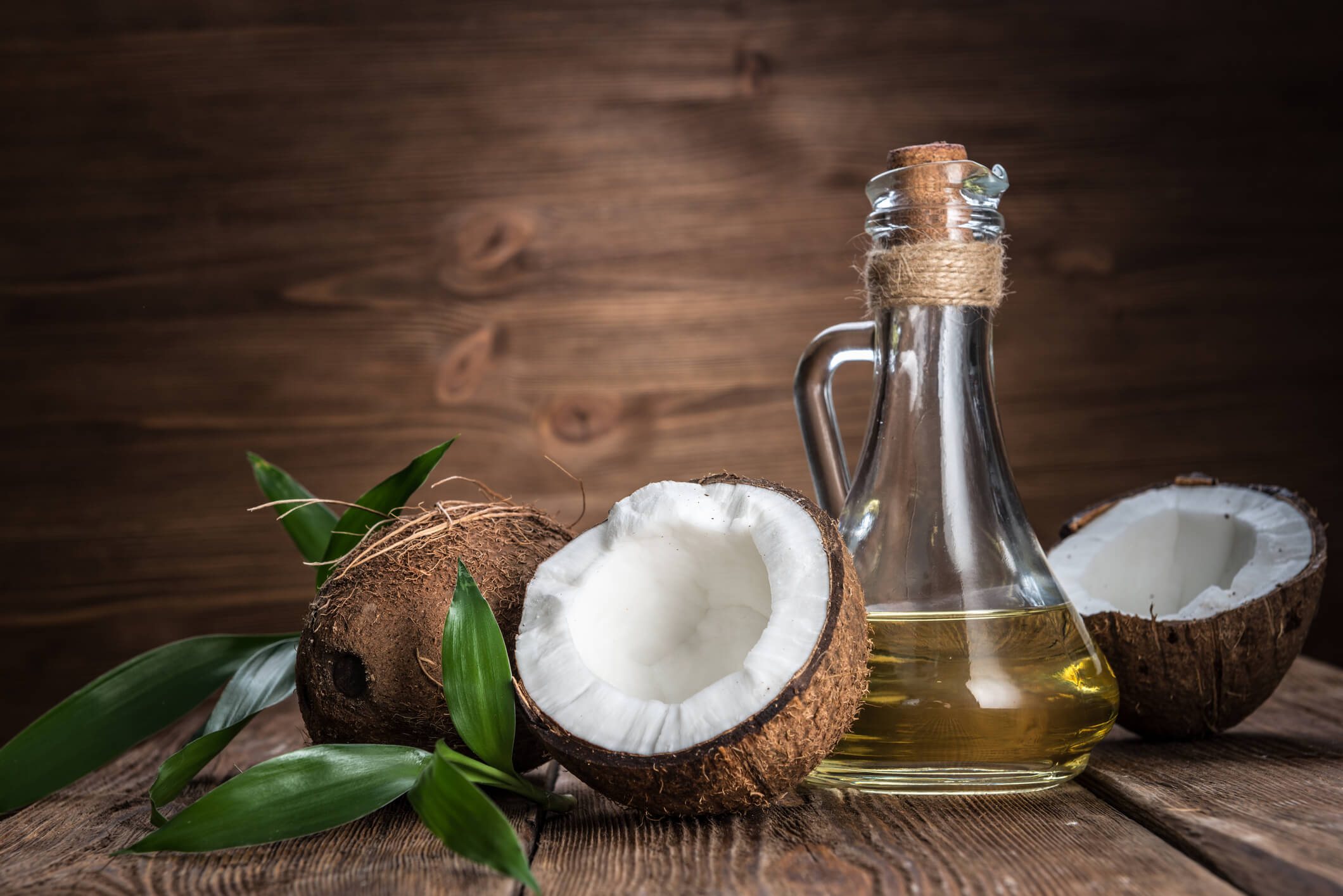
Medium-chain triglycerides, or MCTs for short, are a unique form of dietary fat touted for a number of health benefits including weight loss, support of heart health and improved cognitive function. Fat molecules range in chain length from 2 to 22 carbon atoms, with MCTs falling in the middle (where you’d expect) with 6 to…
-
Vitamin K2 Protects Against Bone Loss in Women

Vitamin K2, a cofactor in the carboxylation of osteocalcin, is recognized as a protector against bone loss and fractures in postmenopausal women. Functionally, the availability of vitamin K regulates the carboxylation of osteocalcin. “Epidemiological studies have found associations between serum undercarboxylated osteocalcin (ucOC) and the risk of hip fracture in elderly women[1] and between low…
-
Sleep: Your Night Job

Any health news junkie can see that the importance of sleep has come to center stage. Our collective interest in this shut-eye time grew when studies started linking a lack of sleep to obesity. Ghrelin, an appetite regulatory hormone, became known as the “carb gremlin” with nutritionists reminding us that fewer hours of sleep resulted…
-
Sleep, Detox for the Brain

As if we needed another reason to get enough sleep! A hot-off-the-press study entitled, “β-Amyloid accumulation in the human brain after one night of sleep deprivation,” recently appeared in PNAS (Proceedings of the National Academy of Sciences). Although there have been previous studies demonstrating a higher β-Amyloid (Aβ) accumulation with chronic less sleep, and the…
-
At Ease with Menopause

Menopause seems to be a dreaded question mark. As with all major life-cycle events, there are no guarantees as to how and when menopause will affect a woman. It could be induced early by way of procedures that involve the removal of female hormone-producing organs, or begin early because of genetic predisposition. Classically defined as…
-
Melatonin – Not Just for Sleep
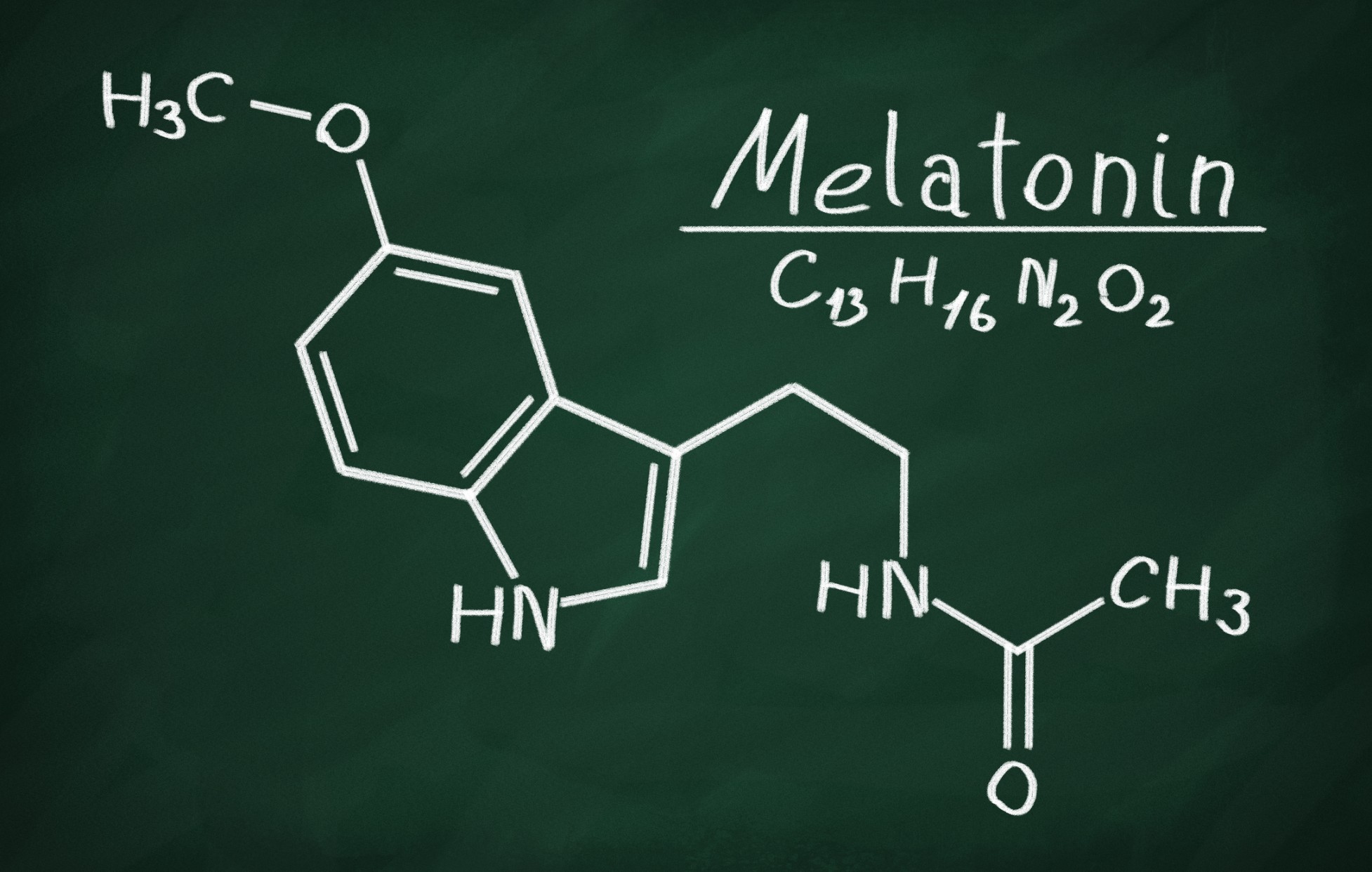
We understand melatonin helps with sleep, but in a recent analysis of eight randomized controlled trials, melatonin supplementation was found to improve blood lipid status. Using a meta-analysis approach, a “significant association between melatonin supplementation and a reduction in triglycerides (WMD: −31.54 mg/dL, 95% CI: −50.71, −12.38, p = 0.001) and total cholesterol levels (WMD:…
-
5 Ways to Hack Your Brain Health

When people talk about “healthy lifestyles’, conversations inevitably turn to weight loss, dieting or exercise programs. As important as these may be to maximize health, how often do we consider a healthy lifestyle for our brains? According to the American Academy of Neurology, disorders of the brain and nervous system which include dementia, Alzheimer’s…
-
Gut Microbiota Influencing Obesity
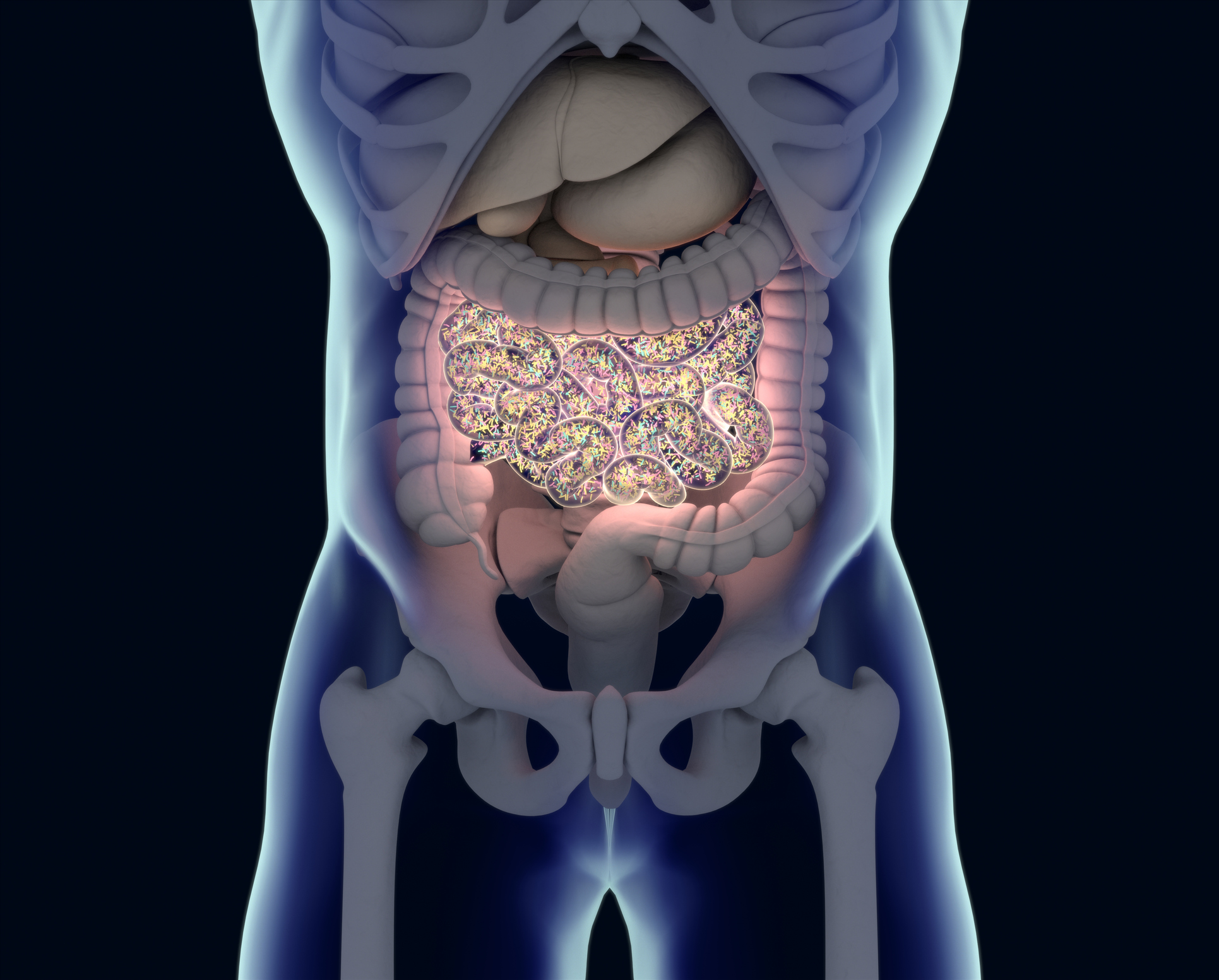
Polyphenols may generate numerous health benefits by modulating the gut microbiota (GM). Phytochemicals that can influence GM have recently been studied as adjuvants to support healthy weight and inflammatory response. These phytochemicals include polyphenols and their derivatives, carotenoids, and thiosulfates, which were “further sub-classified into four main groups: flavonoids (including eight subgroups), phenolic acids (such…
-
The Fat-Soluble Philharmonic

Depending on where we live and what season it is, many of us lose access to the “sunshine vitamin”, vitamin D. Most doctors today recognize the importance of vitamin D, as it has taken center stage in health issues, and will recommend supplementation to replenish our stores. Deficiencies of vitamin D have been linked to…
-
Beware the Vitamin N Deficiency

For the first time in the history, the majority of the world’s population now live in urban settings rather than rural settings. This trending switch has taken us away from nature, which has taken a collective toll on our health. With urbanization on the rise, people are less engaged with nature. No longer do we…
Shop Our Brands: