-
Deer Antler May Upregulate Genes to Combat Fatigue

An interesting study found the effectiveness of deer antler to help with fatigue in mice may be caused by alterations in the expression of genes related to skeletal muscle strength.
-
Insulin Resistance & Parkinson’s Disease

It’s time to recognize that dysregulation of blood glucose and insulin have implications that go far beyond type 2 diabetes and metabolic syndrome. It has long been acknowledged that even in the absence of diabetes, chronically elevated insulin increases risk for Alzheimer’s disease (AD). Noting the close association between insulin resistance and AD, researchers have…
-
Yoga Improves Menopausal Symptoms

In a recent single-blinded trial, 80 women between the ages of 40-50 who were experiencing moderate to severe menopausal symptoms and not taking hormonal therapy were assigned to either a brisk walking group (control), or a specific form of yoga known as Sudarshan Kriya Yoga (SKY). In this year-long study, participants in the yoga group…
-
Estrogen and Diet

Estrogen, an important hormone usually associated with women, is actually present in both males and females. In women, estrogen is produced by the ovaries and exists in larger quantities. It is responsible for female reproductive function, bone health, and cholesterol management.
-
Coffee & Tea Linked to Lower Stroke/Dementia Risk

In recently published data from the ongoing UK Biobank study, a population based cohort, greater consumption of coffee and tea were both linked to a lower risk for stroke, dementia, and post-stroke dementia. Over 365,000 participants aged 50-74 had data available regarding their beverage consumption, and over a median follow-up of 11.35 years, 2.8% had…
-
Can Fiber Worsen Constipation?

“A diet poor in fiber should not be assumed to be the cause of chronic constipation. Some patients may be helped by a fiber-rich diet but many patients with more severe constipation get worse symptoms when increasing dietary fiber intake.” (Source)
-
Gratitude’s Positive Impact on Learning

A most endearing part of our Thanksgiving tradition is reflecting on what we are grateful for. Previous research has revealed that gratitude is directly related to well-being, personal accomplishment and other positive psychological outcomes. This included a significantly reduced risk of a range of diagnoses such as phobia, among others. Gratitude has been shown to…
-
Pumpkin – Thinking Outside the Pie

Few foods evoke a nearly instantaneous vision of autumn more than pumpkins. These orange gourds are practically synonymous with the bounty of a fall harvest. But these welcome sights are good for more than mere decoration and carving Jack-o-lanterns. They deliver a nutritional punch and are versatile enough to work in dishes both sweet and…
-
Inositol, Carbohydrates & PCOS

Polycystic ovarian syndrome (PCOS) is the most common endocrine disorder among women of reproductive age, affecting as many as 1 in 10 women in the US. It’s a major cause of infertility—the prevalence of infertility in women with PCOS may be as high as 70-80%. But even for those who don’t plan to have children,…
-
Exercise’s Impact on the Immune System

In a study looking at the effects of exercise on immune function, Dr. James Turner and Dr. John Campbell from the University of Bath’s Department for Health challenged the theory that intense exercise provides an “open window” for infectious diseases to set in. In their paper published in the international journal Exercise Immunology Review, Dr.…
-
IBS Case Responses to SBI

A case series of 10 patients with long-standing, symptomatic, intractable drug-refractory irritable bowel syndrome (IBS) were given dietary support and a serum-derived bovine immunoglobulin/protein isolate (SBI) and reported an average of 69% complete management of IBS-related symptoms.
-
L-Arginine & Air Pollution

Last year the results of a multinational, prospective cohort study, the Prospective Urban and Rural Epidemiology (PURE) study, were published, detailing the impact of air pollution on cardiovascular disease. Conducted over nearly 20 years and enrolling communities in 21 countries of varying socioeconomic levels, over 150,000 participants were followed for a median of 9.3 years…
-
Is it Time to Abandon the Amyloid Hypothesis?

A growing body of scientific evidence, as well as the failure of multiple anti-amyloid drugs to have an appreciable impact on the progression of Alzheimer’s disease, suggests the answer may be “yes.” Let’s take a closer look at the weaknesses of the amyloid-centric approach, because doing so may help shift research efforts to more promising…
-
Post-Infectious IBS-D & SBI

A small double-blind study has revealed serum-derived bovine immunoglobulin (SBI) as a potentially safe, effective nutritional moiety in post-infectious, refractory diarrhea-predominant irritable bowel syndrome (IBS-D) and IBS with a mixed diarrhea/constipation pattern (IBS-M).
-
Pesticides & Kidney Function

This month an analysis of National Health and Nutrition Examination Survey (NHANES) data, which included over 40,000 participants was published, indicating an association between exposure to the insecticide malathion and impaired kidney function. Malathion is the most widely used organophosphate insecticide in the US, used in thousands of products, as well as for agricultural purposes…
-
Polyphenol Metabolism & Gut Microbiota
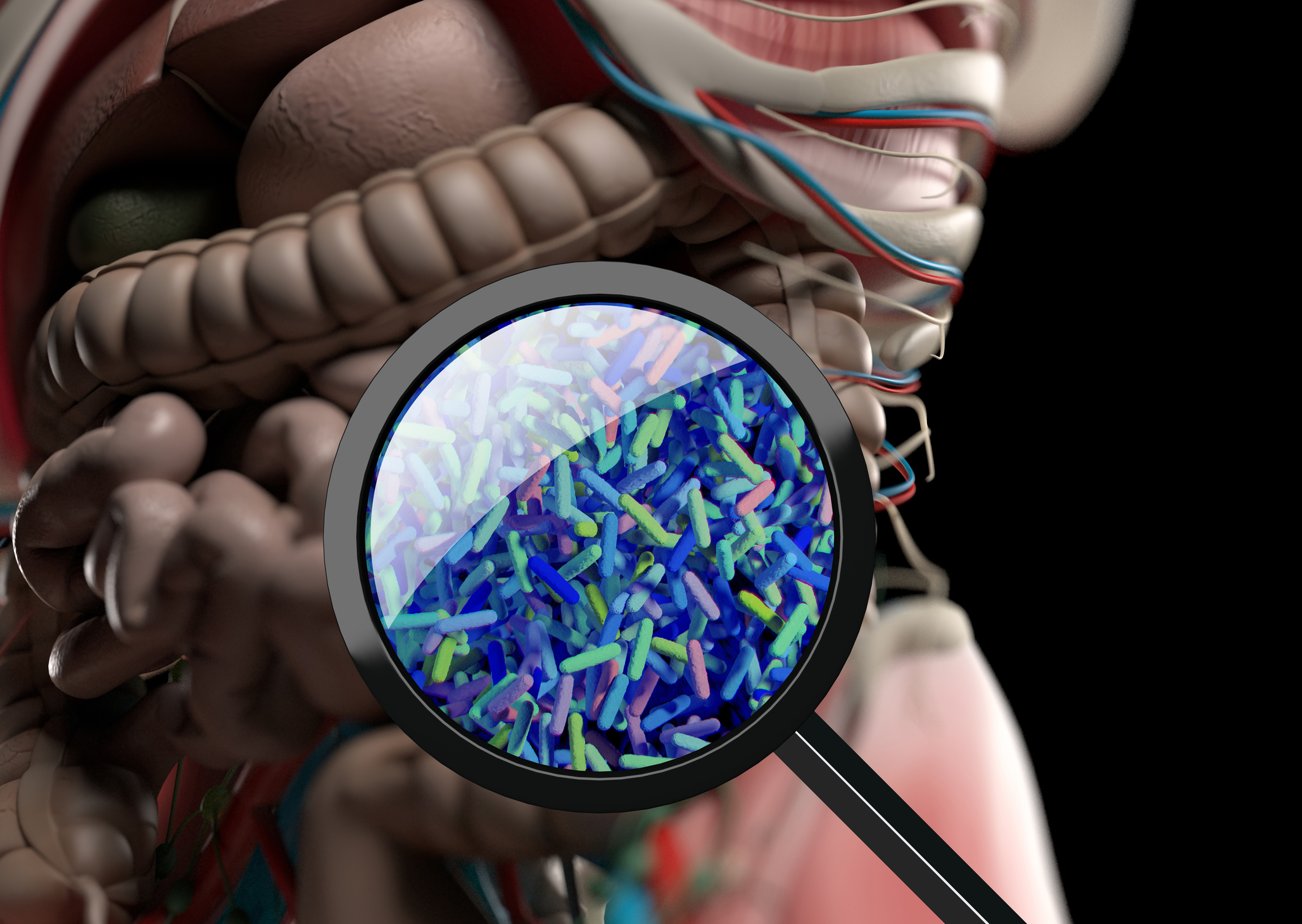
Polyphenols from plant-based foods are thought to mediate many of the beneficial effects we attribute to a more plant-rich diet. For example, high polyphenol olive oil has been shown to reduce both central and peripheral systolic blood pressure compared to low polyphenol olive oil. In a randomized crossover study, the polyphenol content of olive oil…
-
Embryos Show Early Signs of Immune Defense

Researchers at the Center for Genomic Regulation (CRG) have found that developing embryos show signs of an innate immune response, which demonstrates the earliest signs of immune activity discovered to date. The paper, published in the journal Nature, discusses how a developing fetus clears common cellular errors and dying cells, even in the womb. Dr.…
-
Immunoglobulins for Digestive, Immune and Sports Nutrition Support

A healthy digestive system breaks down foods and liquids into carbohydrates, fats, and proteins so the body can absorb them as nutrients for growth and energy. It also contains much of the body’s immune system, protecting against pathogens or other toxic substances consumed in food or water. As with all complicated systems, the human digestive…
-
S Boulardii & Weight Loss
A recently published randomized and controlled double-blind clinical trial concluded that when participants with obesity were supplemented with 250 mg Saccharomyces boulardii and 500 IU superoxide dismutase (SOD) twice per day at mealtimes for 60 days, they had a number of improvements related to body composition and insulin sensitivity compared to the group receiving placebo.…
-
Is Saturated Fat Really Harmful?

A paper published recently in the journal Nutrients fires shots across the bow of the continued debate about the supposed dangers of dietary saturated fat. The title asks a potentially controversial question: Dietary Saturated Fats and Health: Are the U.S. Guidelines Evidence-Based? The question deserves an answer, because despite numerous reviews and meta-analyses that have…
-
Yet Another Link Between Microbiome and Mood

A recent review has brought greater insight into the complex relationship between the gut microbiome and mood.
-
A1C Shortcomings
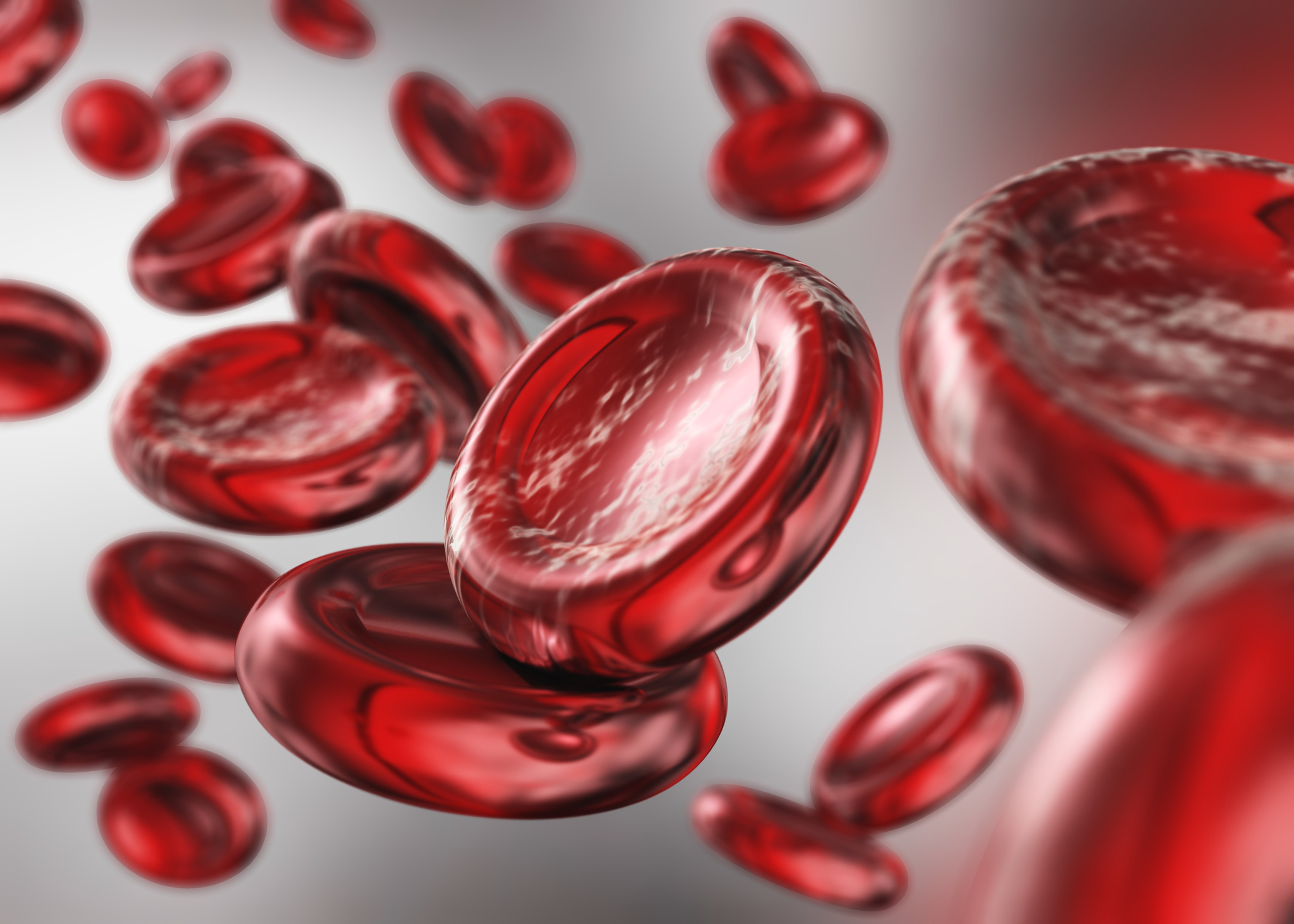
The hemoglobin A1c test is typically used to diagnose diabetes and to monitor blood glucose management over time. The test measures the percentage of glycated hemoglobin proteins in the blood and is generally taken to represent blood glucose levels during the preceding 3-4 months. Increases over time indicate higher average blood glucose levels, while decreases…
-
Low Carb for Type 1 Diabetes

“The source and amount of carbohydrates consumed affect postprandial hyperglycemia and glycemic variability more than any other dietary factor, providing a conceptual basis for interest in carbohydrate-modified diets for T1DM.” (Lennerz et al., 2018)
-
DHA & Folic Acid

In a recent randomized and double-blinded placebo-controlled clinical trial, the effects of folic acid, DHA, and their combined use were evaluated among 160 older adults with mild cognitive impairment. Plasma levels of amyloid-β (Aβ) peptide biomarkers as well as cognitive function were assessed at 6 months, after which all interventions were discontinued, and cognitive function tests…
-
Thyroid Testing is Often Not Enough

“Normal TSH values may not rule out patients that are hypothyroid. It is possible that a large number of hypothyroid individuals are missed using TSH as a screening tool, which is a problem for the patient, who remains hypothyroid, and to the healthcare system as a whole.” (Ling et al., 2018)
-
Walnuts & Lipids
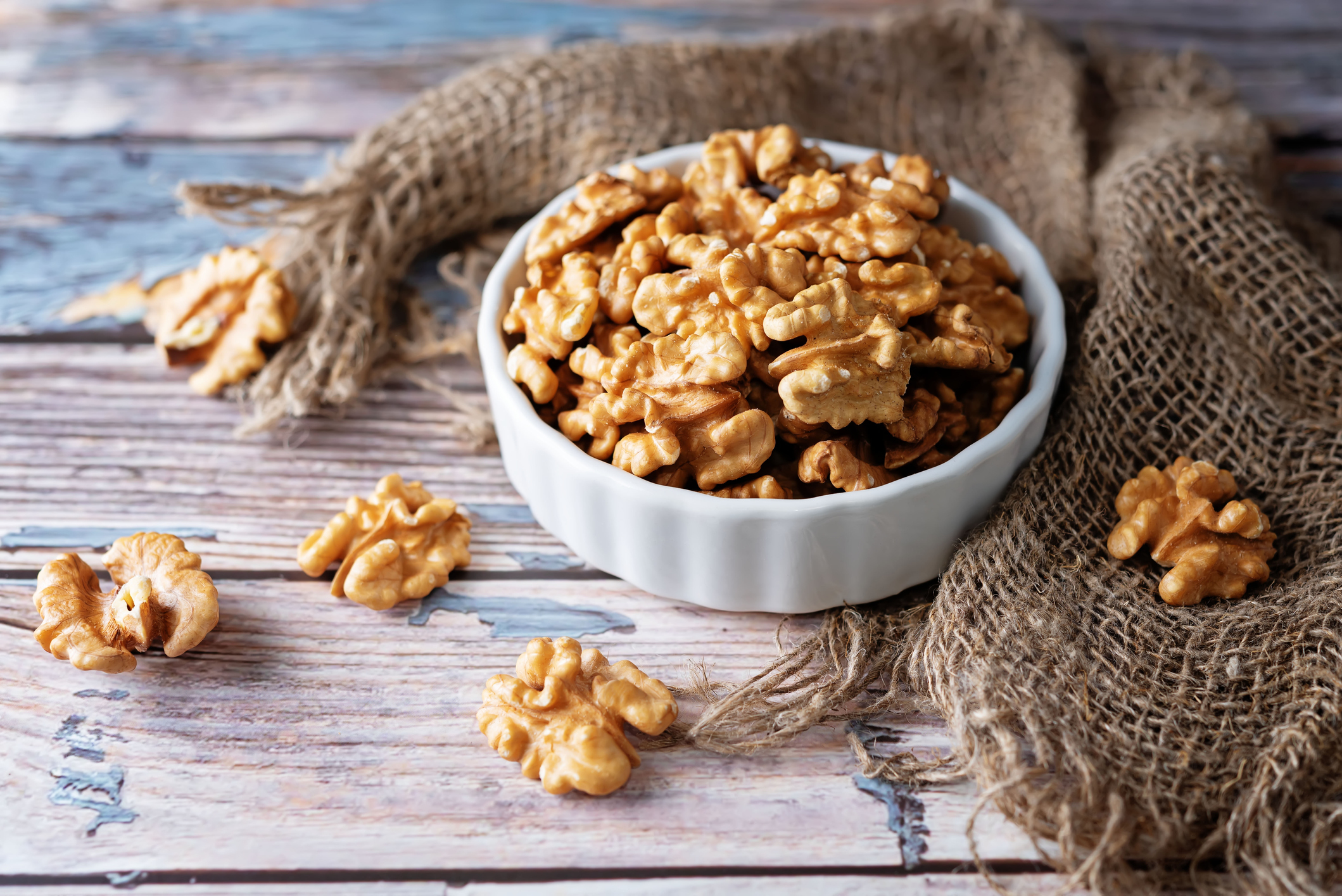
The results of a 2-year randomized controlled trial were recently published in Circulation. Known as the WAHA study (Walnuts and Healthy Aging), it documented the effects of adding walnuts into the diet of a population of healthy elderly adults in California and Spain. Over 600 participants (aged 63-79 without comorbidities) either avoided walnuts entirely or…
-
Fetal Serotonin Exposure & Brain Growth

A study has uncovered the role of serotonin (5-HT) in the evolutionary growth of the human neocortex.
-
Key Foods for the Immune System
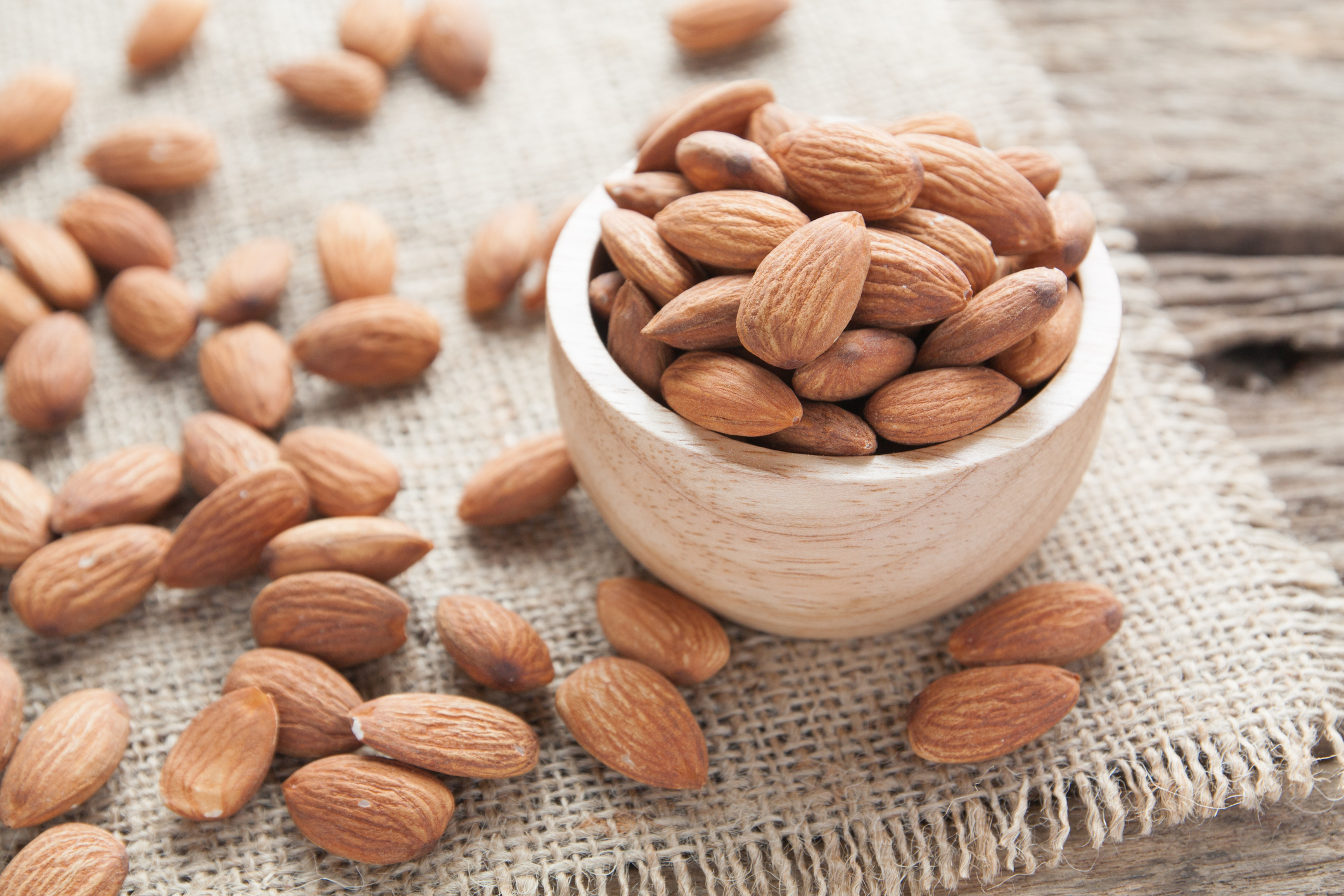
The immune system provides a robust anatomical barrier that serves as a host defense mechanism. One of these anatomical barriers is the gastrointestinal tract, inside which there are many defense mechanisms such as peristalsis, gastric acid, bile acids, digestive enzymes, flushing, thiocyanate, defensins and gut flora. The gut flora (microbiota) is a key focus for…
-
Polyphenols, Microbiome & Blood Pressure

Polyphenols from fruits and vegetables have a long track record of reducing cardiovascular risk, in part by improving endothelial function. In a recent analysis of a German cohort of over 900 community-based participants, dietary intake of several polyphenol classes (including flavonoids, anthocyanins, polymers, and proanthocyanidins) over the previous year was associated with a clinically significant…
-
Glucose Levels & Infections – A Two-Way Street

One limitation of both clinical trials and epidemiological studies is that they often gather only a fraction of the information potentially available for each study participant, and usually for a short period of time. While gathering important population-level data, they often lack a deeper dive into each individual’s unique physiology, without monitoring how it changes…
Shop Our Brands: