-
Bisphenols & Disease

Exposure & Disease Burden The broad range of conditions associated with exposure to bisphenols (used in many plastics, polycarbonates, coatings, etc.) has grown at a disturbing rate. Most people living in the U.S. are likely to have detectable levels of at least one bisphenol, and the harm appears not to be limited to the nearly…
-
High Fat Diet Alters Gut Physiology

In a study just published in Science, a mouse-model of diet-induced obesity was used to elucidate possible mechanisms by which a high-fat diet can contribute to atherosclerosis. Animals fed a high-fat diet rich in choline had disruptions in mitochondrial bioenergetics in the cells lining the intestinal tract. The subsequent drop in ATP production, as well…
-
Low FODMAP, Gluten-Free Diet & IBS

In a recent open-label non-randomized trial, 42 participants with IBS (Rome IV criteria) began a personalized 6-week gluten-free and low fermentable oligo-di-mono-saccharides and polyols (FODMAP) diet; 30 completed the trial. Just over half had IBS-D, though all subtypes were included. Previous studies suggest that the majority of people with IBS benefit long-term on a low…
-
Keto Diet Myths – Part 2
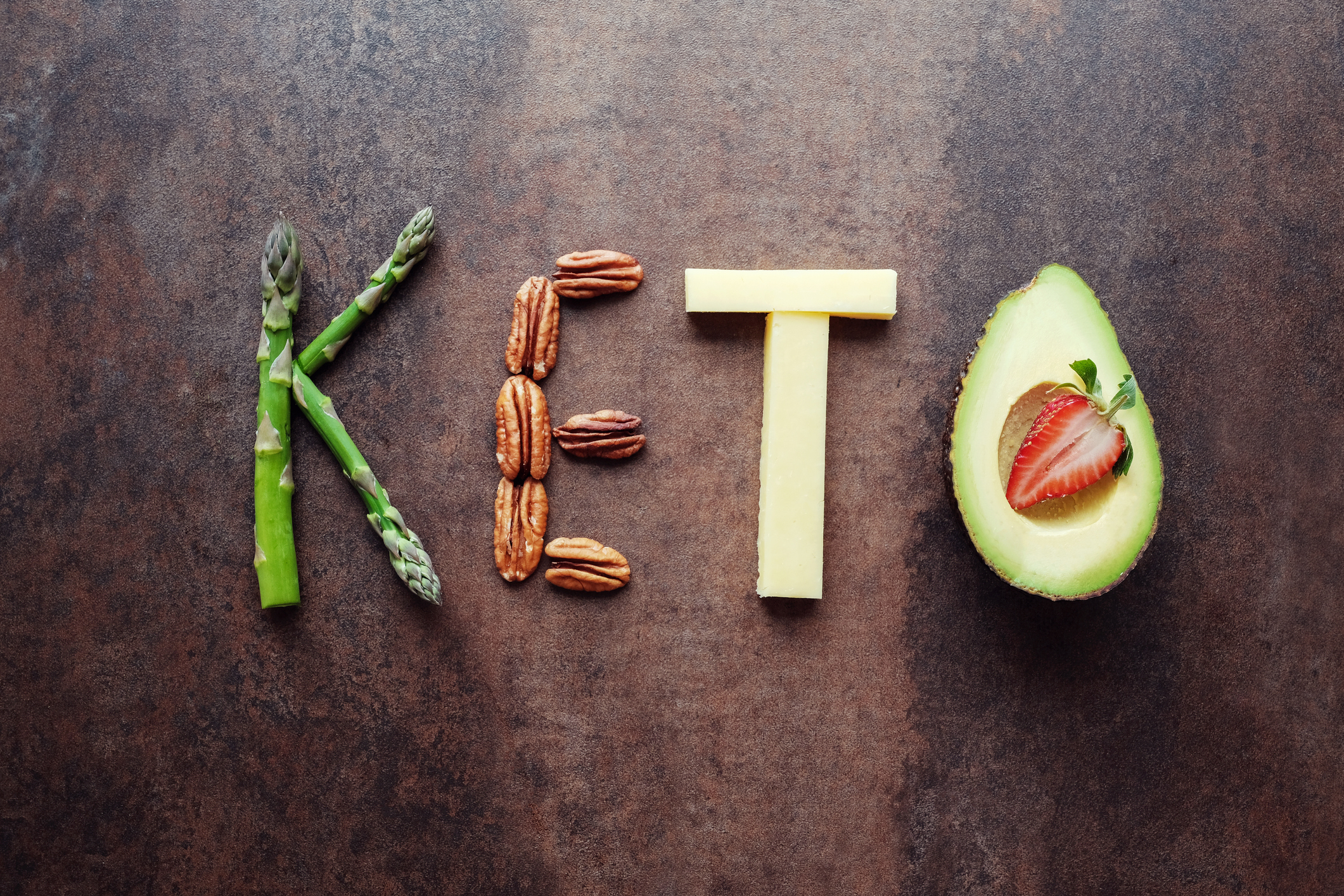
In last week’s blog article, we addressed some common myths about ketogenic diets. There’s no shortage of these to discuss, so today let’s look at three more, including concern regarding the potential for ketoacidosis.
-
How Intensive Physical Exercise Improves Memory

A recent study from the University of Geneva (UNIGE) aimed to discover the link between sports and memory. The results, which were published in the journal Scientific Reports, show that exercise is not only good for the body, it also enhances memory.
-
Keto Diet Myths – Part 1
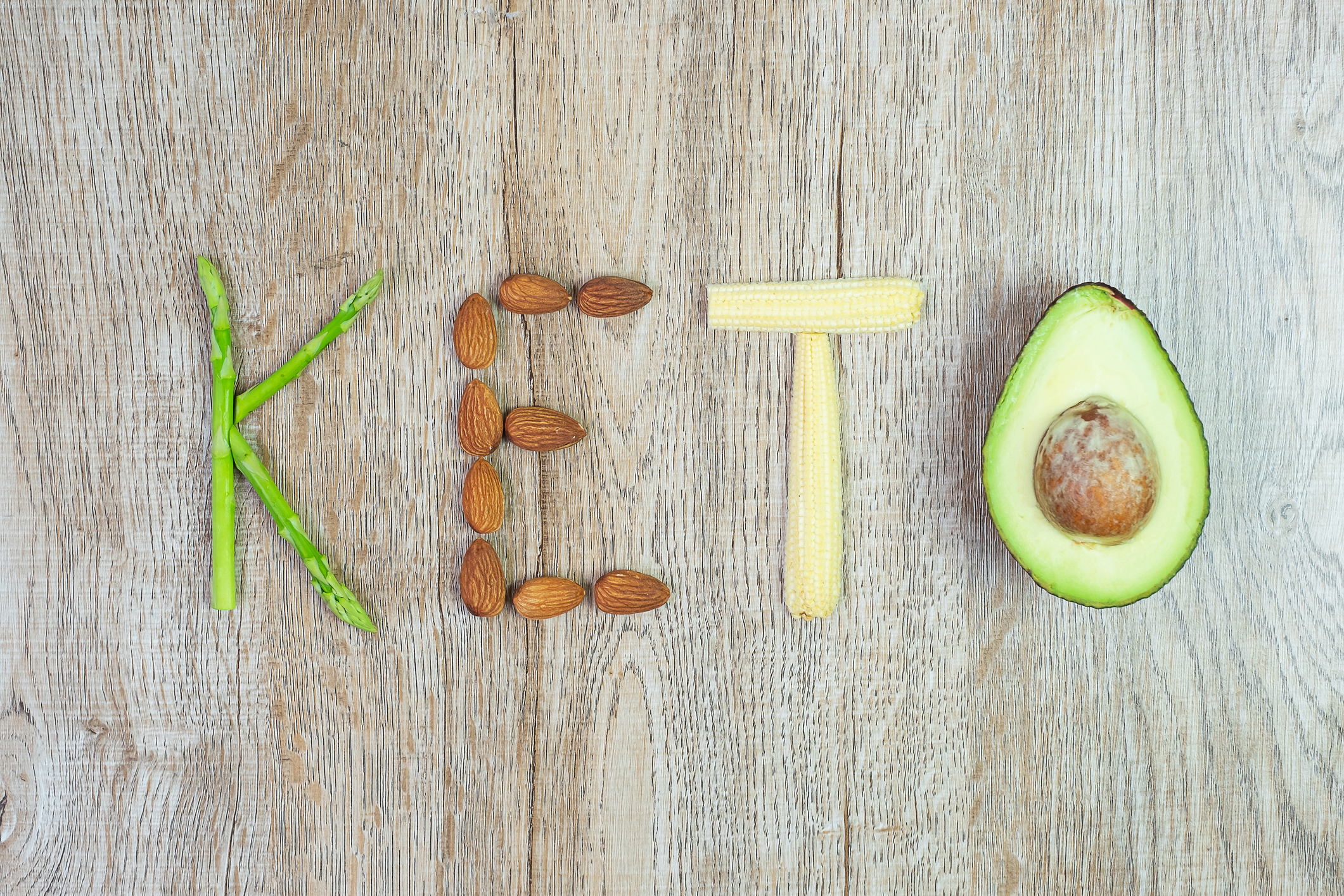
You can’t scroll through social media or stand in a supermarket checkout line these days without being inundated with posts and images related to ketogenic diets. Although this strict form of carbohydrate restriction was originally developed in the 1920s as a dietary treatment for epilepsy, the most common reason people try “keto” now—a century later—is…
-
Continuous Glucose Monitoring in Prediabetic & Healthy Adults
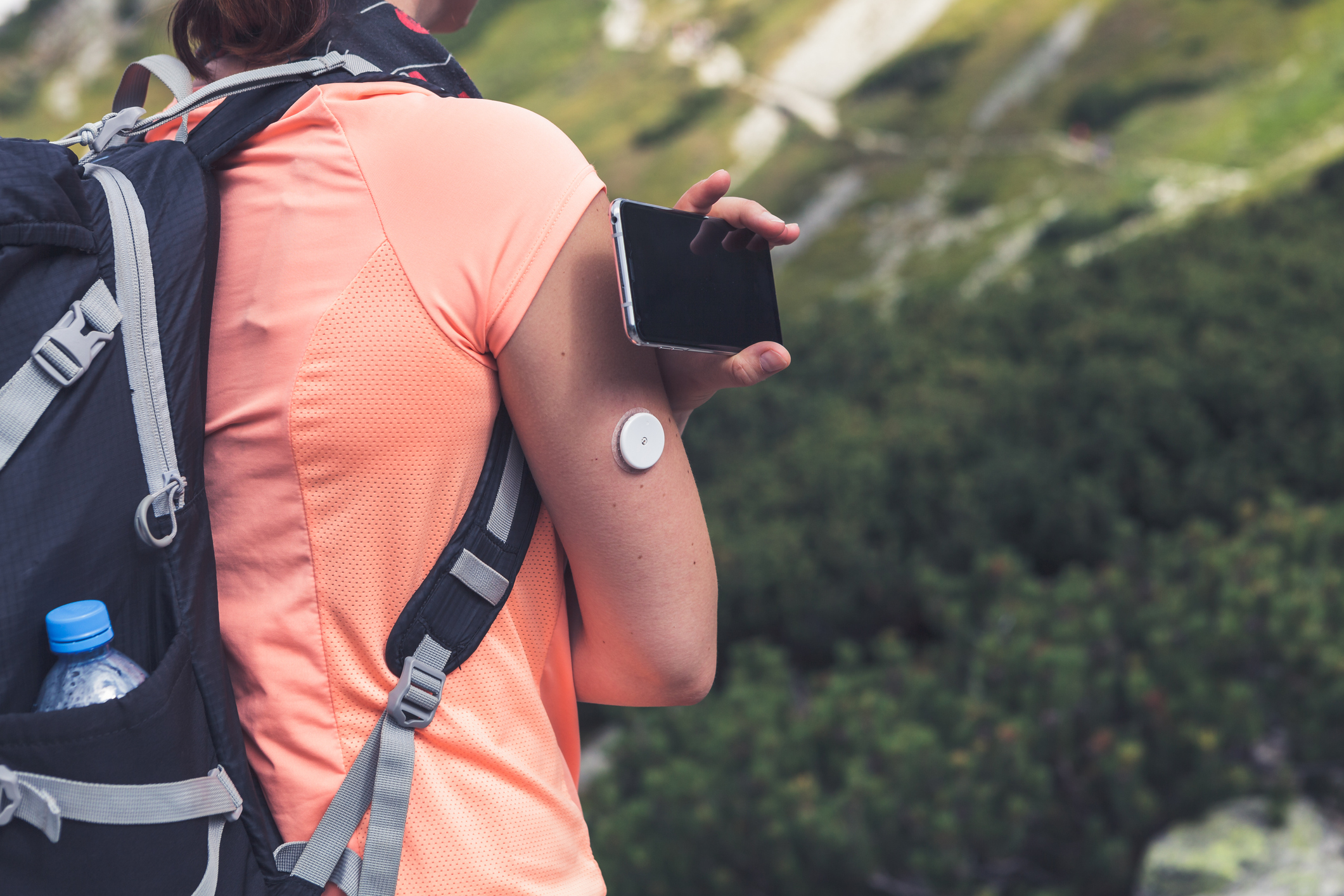
The use of continuous glucose monitoring (CGM) among people with insulin-dependent diabetes has gained wider acceptance, as it has shown benefit in controlling glucose even among those receiving only basal insulin. However, CGM use among non-insulin dependent diabetics, and especially among those with prediabetes or even healthy adults, is not well-established.
-
Meal Timing & Cardiovascular Health

Adding to the body of knowledge regarding dietary patterns and cardiovascular disease (CVD), a cross-sectional study was recently published in the Journal of Clinical Endocrinology & Metabolism, revealing an association between the timing of specific foods and CVD risk. Nearly 28,000 adults in the U.S. National Health and Nutrition Examination Survey (NHANES 2003–2016, an ongoing…
-
Deer Antler May Upregulate Genes to Combat Fatigue

A recent study found that deer antler’s potential use in helping with fatigue in mice may be caused by alterations in the expression of genes related to skeletal muscle strength.
-
Meat Consumption and Brain Health

In a population-based prospective cohort study, nearly 500,000 participants in the UK (aged 40-69) were followed over an average of 8 years, during which nearly 3,000 cases of dementia occurred, of which approximately 1000 were classified as Alzheimer’s disease and 500 as vascular dementia. The relationship between meat consumption and cognitive health has had mixed…
-
Maca May Significantly Improve Sexual Function

A review has confirmed a potential link between Lepidium meyenii, commonly known as maca, and improved sexual function.
-
The Gout & Insulin Connection

Word is starting to spread that even in people whose blood glucose is within a healthy range, chronically elevated insulin can be a major factor in cardiometabolic disease. Metabolic syndrome and PCOS are the most obvious manifestations of hyperinsulinemia, but a growing number and a widening range of diverse conditions can be added to the…
-
DHA Pathway to the Brain

The health benefits of two omega-3 fatty acids, eicosapentaenoic acid (EPA) and docosahexaenoic acid (DHA), seem indisputable and range from supporting cardiovascular health and body composition to the promotion of healthy inflammatory pathways. Lately, however, DHA has received a brighter spotlight due to its ability to influence the structure, function, and signaling of the brain.…
-
Mediterranean Diet May Improve Cognition Later in Life
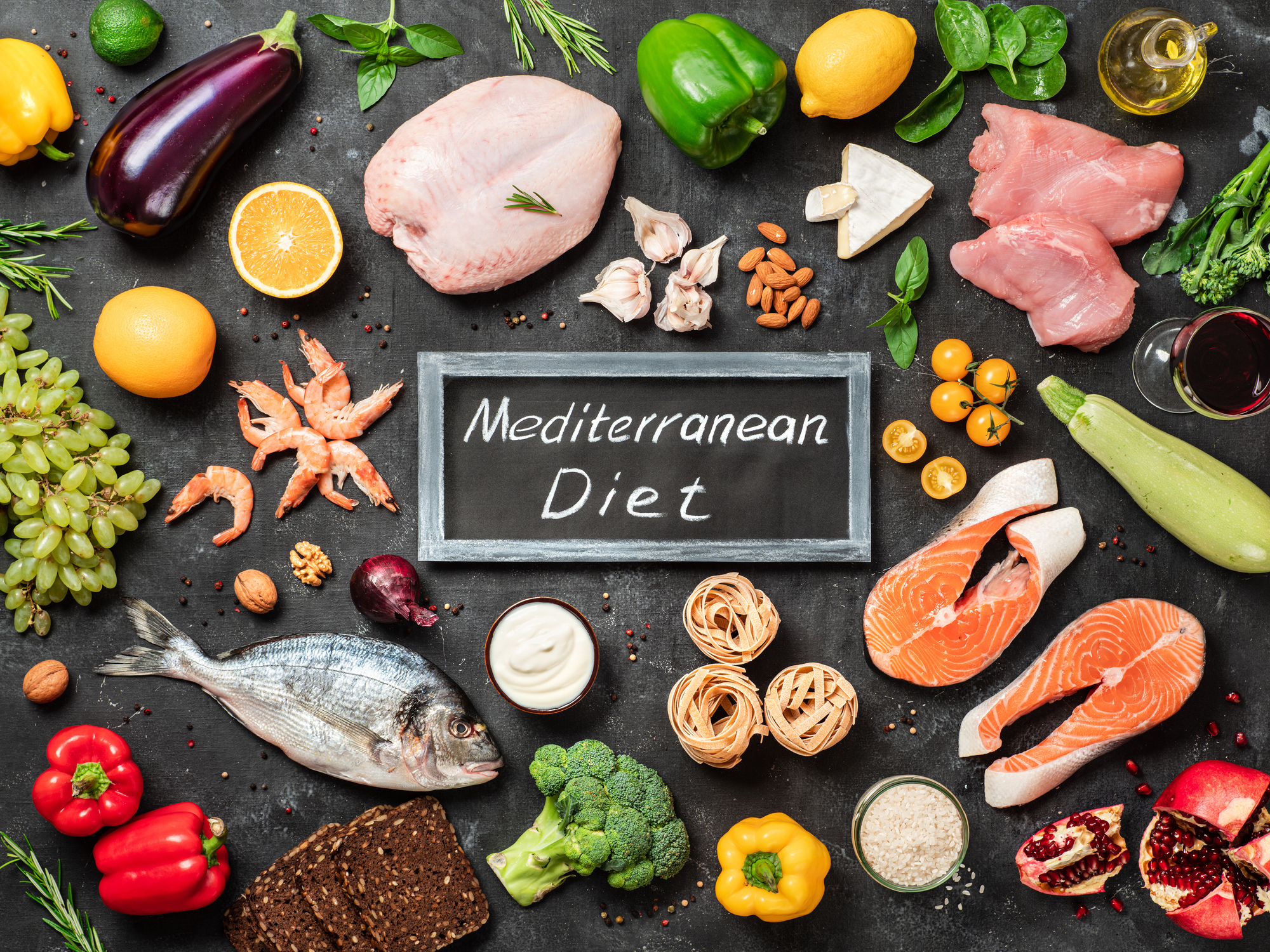
Memory and thinking tend to decline when adults enter their late 70s, but the underlying factors for this diminished cognition have been poorly understood. Recent research from the University of Edinburgh has exposed that this cognitive decline can be mitigated by eating a Mediterranean diet, particularly if the diet is filled with green leafy vegetables…
-
Microbiome, Diabetes & Berberine
In October 2020, results were released from the PREMOTE (Probiotics and berberine on the efficacy and change of gut microbiota in patients with newly diagnosed type 2 diabetes) study. This multi-center, controlled trial had approximately 400 participants recently diagnosed with type 2 diabetes (drug naïve), randomized to one of 4 groups; probiotics + berberine, berberine + placebo, probiotics + placebo, or…
-
Prediabetes a Risk for Cognitive Decline and Dementia

Results from the UK Biobank study, one of the largest cohorts of middle-aged adults to provide data for HbA1c across the glycemic spectrum as well as measures of cognitive function, neuroimaging, and dementia, were recently published in the journal Diabetes, Obesity & Metabolism. The authors report that both prediabetes and diabetes were associated with an…
-
REM Regulates Eating Behavior

Recent research showed that the activation of neurons in the hypothalamus during rapid-eye-movement (REM) sleep helps regulate eating behavior in mice.
-
Mitigating the Effect of Air Pollution on Cardiovascular Mortality

A 2018 report published by the National Academy of Sciences, based upon data from 41 cohorts within 16 countries, implicated air pollution (i.e., ambient fine particulate matter (PM2.5)) in the deaths of 8.9 million people in 2015. This parallels the predictions published in the Lancet in 2015, which found ambient PM2.5 to be the 5th…
-
Poor Gut Health Linked to Lung Function
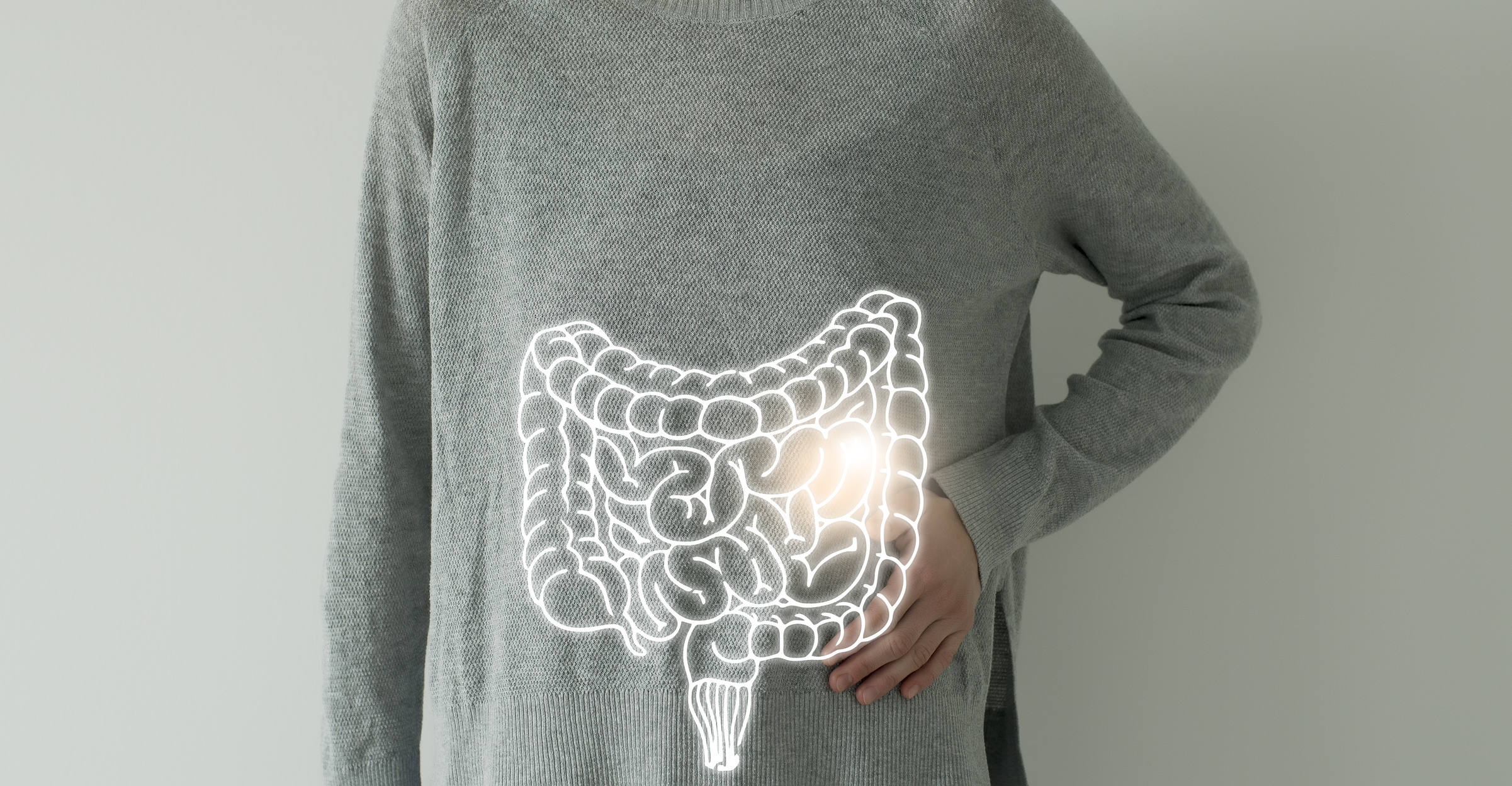
A recent review has uncovered the relationship between lung function and poor gut health.
-
Dietary Nitrate & the Oral Microbiome

In 2018 a systematic review and meta-analysis of 23 eligible studies was published, examining the relationship between dietary inorganic nitrates and cardiovascular function, which reviewed studies whose primary outcome was blood pressure, along with secondary outcomes including endothelial function, arterial stiffness, platelet aggregation, and/or blood lipids. Nineteen of these studies used beetroot juice as the…
-
BPH & Insulin

Researchers have been writing about an interesting phenomenon in men, described as a male hormonal equivalent to PCOS (polycystic ovarian syndrome). The main driving factor in PCOS is chronically elevated insulin, with all the signs and symptoms of the condition being explained by the influence of insulin on other hormones and signaling molecules, such as…
-
Driver of Physical Responses to Emotional Stress Discovered

A research paper published in 2020 in the journal Science has identified the DP/DTT-to-hypothalamus circuit, a neural circuit that drives physical responses to emotional stress. The dorsal peduncular cortex (DP) and the dorsal tenia tecta (DTT) are areas of the prefrontal cortex. The study was led by Professor Kazuhiro Nakamura and Designated Assistant Professor Naoya…
-
Study Shows Drinking Coffee Before Breakfast Raises Blood Sugar

A recent paper published in the British Journal of Nutrition has revealed some interesting information regarding the effects of disrupted sleep and morning coffee. By looking at a wide range of metabolic markers, researchers found that your early morning coffee could have a negative effect on blood sugar control, especially when consumed before breakfast. Physiologists…
-
Best Forms of Magnesium for Sleep

The magnitude of magnesium’s importance in the human body cannot be understated. This master mineral is the fourth most abundant element in the human body and is responsible for over 300 biochemical reactions in the body. Magnesium gets depleted when exercising, under stress, or during illness. Excessive alcohol consumption can also lead to inadequate magnesium…
-
Study Shows Vitamin D Absorption is Optimized with Magnesium

In a study published in The American Journal of Clinical Nutrition, lead author Qi Dai, MD, PhD, Ingram, Professor of Cancer Research, analyzes the relationship between vitamin D and magnesium levels. While previous studies have linked low magnesium with low vitamin D levels, the aim of this study was to test the hypothesis that magnesium…
-
Happy Tick-Free Summer

Memorial Day Weekend has come and gone, and that means one thing – it’s “officially” summer! And while the warmer weather comes with exciting outdoor adventures and great vitamin D access, it also awakens many creatures – including the ones that bite.
-
Magnesium for Brain Health

The brain’s metabolism never stops. Even during a coma, the metabolism inside the brain only slows down by 50%. As such, the brain is a very resource-hungry organism that requires a great deal of nutrition and, in turn, creates a lot of metabolic waste.
-
Perpetrator of Sleep Deprivation in Teens

New research from Alex Agostini, PhD and Stephanie Centofanti, PhD, sleep experts at the University of South Australia, has emphasized the significance of sleep, especially for teenagers who are going through a cascade of changes, both mentally and physically. This research highlights the importance of sleep for both physical and mental health. Parents and doctors…
-
Vitamin D Levels and the Skin-Gut Connection

The results of a clinical trial conducted by researchers from the University of Columbia in Canada were published in the journal Frontiers in Microbiology. The trial explored the effects of Narrow-Band UltraViolet B (NB-UVB) radiation on the intestinal microbiota, specifically in those who were vitamin D deficient.
-
Oregano Oil: Updates on Molecular Mechanisms

Oregano oil (Origanum vulgare) has been used traditionally for a variety of health-promoting reasons, ranging from gastrointestinal to respiratory support. It has well-established antioxidant, antimicrobial, anti-fungal effects, as well as offering support for a healthy inflammatory response. Recently, anti-neuroinflammatory and neuroprotective effects of carvacrol (the primary constituent of oregano oil) were observed, with activation of…
Shop Our Brands: