-
Researchers Find a Connection Between Stress and Allergies

A recent study published in the International Journal of Molecular Sciences has discovered a hormone that may be responsible for increased allergic reactions. Lead researcher Mika Yamanaka-Takaichi, a graduate student of the Department of Dermatology, Osaka City University, spotted a recurring theme in her patients that led her to the research. Yamanaka-Takaichi found that many…
-
Vitamin D: Muscular Strength & Physical Performance

An article in Clinical Interventions in Aging looked at the relationship between vitamin D status and muscle function in community-dwelling older adults. The researchers suggest that since vitamin D deficiency is prevalent in older adults, optimizing vitamin D status may be a practical and cost-effective approach to support healthy muscle function. They set out to…
-
Pregnancy Vitamin D Levels Linked to Child IQ

Recent research has shown that a mother’s vitamin D levels during pregnancy are positively associated with their offspring’s IQ scores.
-
Dietary Nitrate, the Oral Microbiome and Their Combined Impact on Cardiovascular Health

In 2018 a systematic review and meta-analysis of 23 eligible studies was published, examining the relationship between dietary inorganic nitrates and cardiovascular function, which reviewed studies whose primary outcome was blood pressure, along with secondary outcomes including endothelial function, arterial stiffness, platelet aggregation, and/or blood lipids. Nineteen of these studies used beetroot juice as the…
-
An Avocado a Day Keeps the Microbiome Happy

Recent research on the impact of avocados on microbes in the gastrointestinal tract of people with overweight and obesity has shown positive results.
-
Lycopene for Men’s Health

Lycopene is a carotenoid compound that contributes to the red and pink pigments in tomatoes, watermelon, guava, pink grapefruit, papaya, and other plant foods. Unlike beta-carotene, lycopene has no pro-vitamin A activity, but that doesn’t mean it provides nothing beyond a feast for the eyes. This phytonutrient has some impressive benefits with regard to men’s…
-
Bacteria Help Influence Blood Sugar Metabolism

A recent study into the effects of specific bacterial strains on type 2 diabetes has identified four key bacteria that could be very significant for people who suffer from this chronic condition.
-
Vitamin A in the Spotlight

Perhaps best known for its role in supporting healthy eyes, vitamin A has a much larger reach affecting a surprising breadth of processes in the body, including some for which this fat-soluble nutrient wouldn’t be the first to come to mind.
-
Sound Shapes the Fetal Brain Before the Ear Canal Opens

New experiments on newborn mice have uncovered that sounds may change the “wiring” of sound processing areas of the brain earlier than previously thought, and even before the ear canal opens.
-
Research Highlights Glutathione’s Potential Effects on the Elderly

A 36-week open-label trial conducted at Baylor College of Medicine was recently published in Clinical and Translational Medicine. This small trial documented multiple physiological deficits among older adults compared to young adults with dramatic change across many biomarkers in older adults after 24 weeks of supplementation with the glutathione (GSH) precursors glycine (Gly) and N-acetylcysteine…
-
Green Tea Benefits for the Heart

Recent research has discovered that drinking green tea can benefit the cardiovascular system and promote longevity in people who have had heart problems as well as those who have not. Previous research has looked at the benefits of green tea on heart health in people with no history of cardiovascular issues, as well as its…
-
5 Ways to Promote Bile Production

Bile is a vital body fluid that plays an important role in the absorption of nutrients in the small intestine as well as flushing the liver of toxins. Bile is continuously produced in the liver by cholesterol oxidation and conjugated to glycine and taurine, and subsequently stored in the gallbladder. Bile also works as a…
-
High Fiber Diet Influences Inflammation
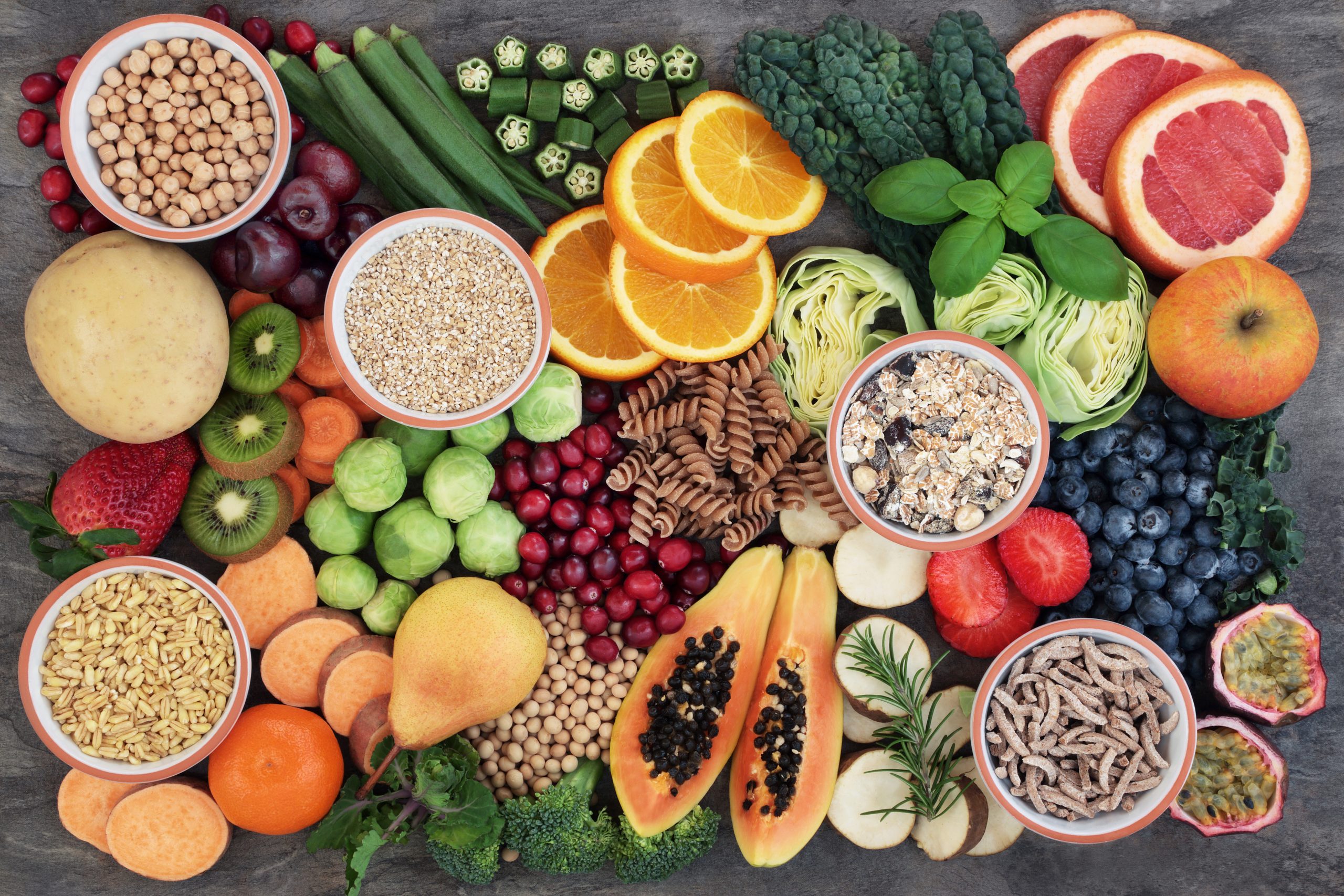
A recent study on the differences between a Western diet versus a fiber-rich, traditional Tanzanian diet shows the latter may lead to the production of fewer inflammatory proteins by the immune system.
-
Reevaluating Interventions for CHD in Women

A prospective cohort study published recently in JAMA Cardiology revealed findings that may influence changes in the way risk for coronary heart disease (CHD) is assessed in women. Data were gathered from over 28,000 female health professionals participating in the Women’s Health Study with baseline profiles obtained between 1993 and 1996 with a median follow-up…
-
Childhood Diet Affects Adult Microbiome Diversity

Researchers have recently discovered that gut microbiota diversity can decrease later in life if children are fed a western standard American diet (SAD), affecting the child long into adult life. A paper published in the Journal of Experimental Biology in February 2021 exposes the dangers of feeding children highly processed fat and sugar-rich foods. Microbiome…
-
Ketogenic Diets and Lipedema
Ketogenic diets have exploded in popularity among people looking to lose weight and improve health concerns related to insulin resistance or dysregulated blood sugar. However, the efficacy of very-low-carb diets doesn’t end with weight loss and metabolic issues. Emerging research suggests that the ketogenic way of eating may have a potential therapeutic role across a…
-
Poor Gut Health Linked to Lung Function

A recent review has uncovered the relationship between lung function and poor gut health.
-
The Connection Between Inflammation and Bone Health

Osteoporosis is one of the most prevalent skeletal system diseases. It causes a decrease in bone mass and microarchitectural changes in bone tissue, resulting in lower bone resistance and susceptibility to fracture. In fact, it is thought to be responsible for approximately 1.5 million fractures annually.
-
Depression: Could Bacteria be a Culprit?

Recent research has revealed that the microbiome that lives in the digestive tract may play a significant role in depression.
-
How Zinc and Quercetin Work Together

We are all familiar with zinc as an essential mineral for a strong immune system. Although zinc has many benefits, in order for it to get into the cells where it can be utilized most effectively, it needs assistance from substances called ionophores.
-
Glyphosate Affects Bacterial Species in the Gut Microbiome

Recent research has shown that more than half of bacterial species in the core of the human gut microbiome are potentially sensitive to glyphosate.
-
Snooze, You Lose

The relationship between sleep and weight is a two-way street. Lack of sleep can lead to weight gain; weight gain can lead to lack of sleep. Take steps to break those tight links and your weight, energy, and overall health will improve.
-
Decoding How The Brain Senses Smell

A recent study from NYU Grossman School of Medicine, which was published in the journal Science, discovered an electrical signal that is turned into a smell in mice brains. The researchers created man-made energy signatures that triggered the olfactory bulb in mice. Lead investigator Edmund Chong, MS, a doctoral student at NYU Langone Health stated,…
-
The Gut-Immune Connection
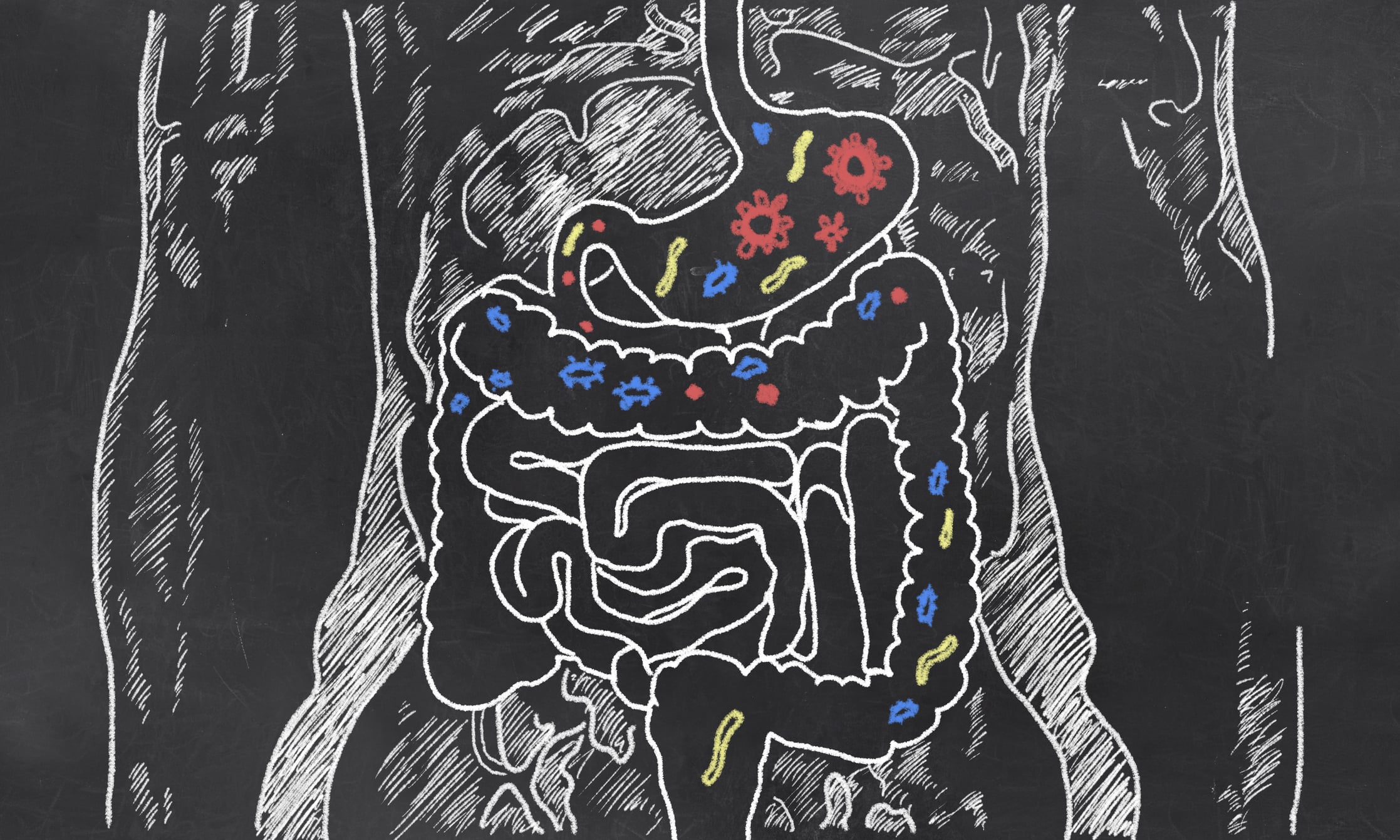
Every day we seem to be learning more and more about the relationship between the gut microbiome and immune health. For example, just last month, researchers discovered that the immune system doesn’t activate at nine weeks into gestation, as previously thought. We now know that the intestinal epithelial cells work to eradicate damaged cells long…
-
Taking a Closer Look at Hemp

The interest and use of hemp products have grown exponentially over the past several decades as the understanding of the plant’s bioactives continues to garner attention. First thing, the difference between hemp and marijuana must be established given their relation to the Cannabis industry and legal considerations. Both hemp and marijuana come from the same…
-
Study Connects MCH Brain Circuit to Impulsive Eating

In a paper published in the journal Nature Communications, researchers identified a circuit in the brain that is thought to alter food impulsivity. Scientists from UGA College of Family and Consumer Sciences discovered a circuit in the brain that is responsible for the ability to say no to food triggers – the same triggers that…
-
Study Finds Positive Outlook Slows Memory Decline

A new paper published in the journal Psychological Science showed that people who were generally more cheerful and enthusiastic were less likely to suffer steep memory decline later in life. This propensity to experience positive emotions is known as “positive affect” in psychology. The national study tracked 991 middle-aged to older US adults over three…
-
5 Best Vegetables for Digestive Health

Healthy digestion is the foundation of good health. Not only is the digestive tract responsible for processing and absorbing nutrients, it also eliminates waste and plays a major role in immunity.
-
New Study Shows Colitis is Intensified with High Sugar Diets

The incidence of colitis, which involves inflammation of the colon’s lining, is on the rise in the US, even in children. Recently, Hasan Zaki, PhD and lead researcher at UT Southwestern, and his team looked at the modern Western diet (high in fat, sugar, and animal protein) to find out if they could establish the…
-
Best Foods for Restorative Sleep
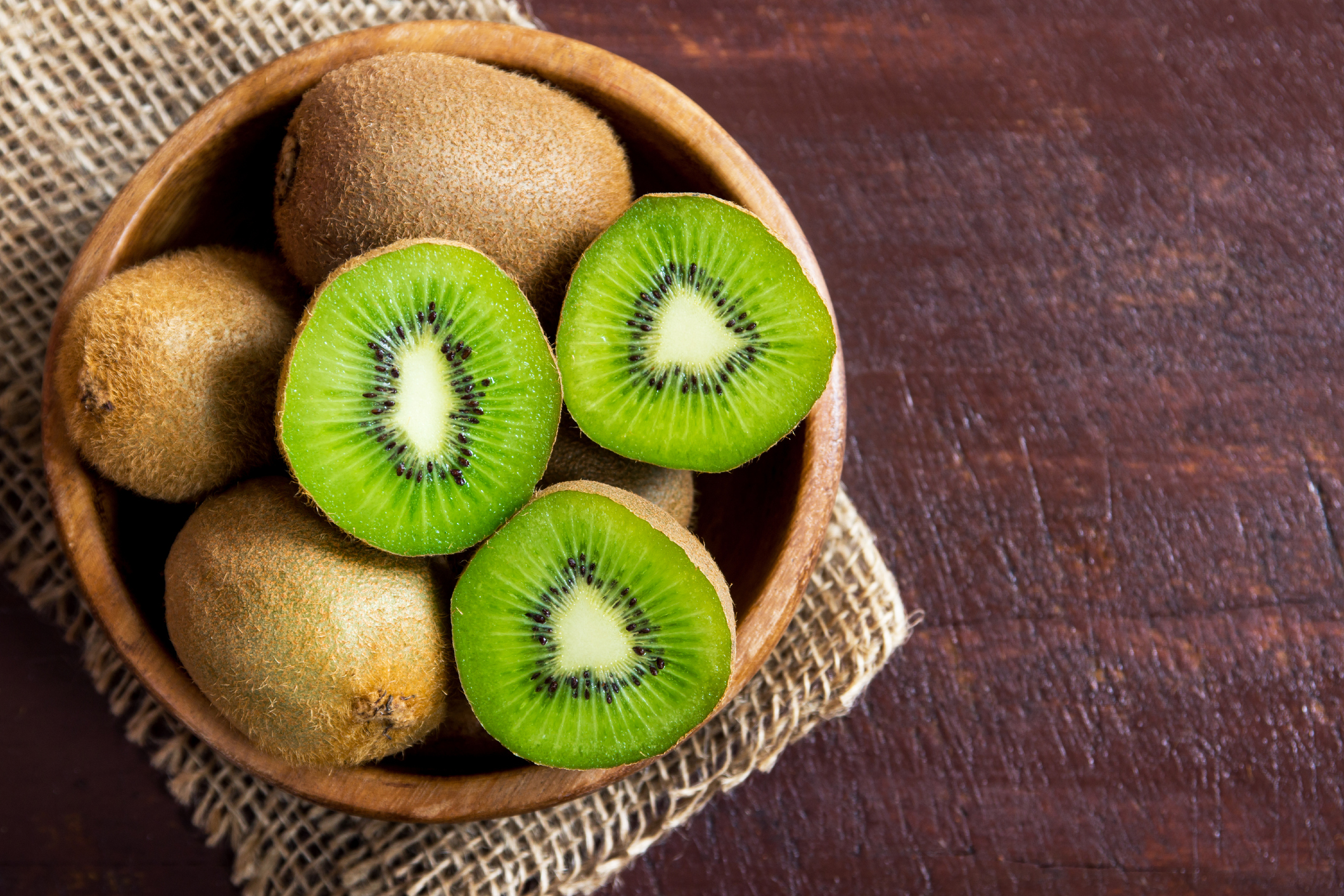
Obtaining restorative sleep on a nightly basis (between 7 and 9 hours) is critical for health, yet often very difficult for many patients. Lack of sleep can make eating healthy challenging, as cravings for sugar and carbohydrates often increase. Poor sleep may contribute to the inability to properly manage stress. It has been linked to…
Shop Our Brands: