-
Ketogenic Therapies in Psychology

Exciting research is being done in the burgeoning field called Metabolic Psychiatry, which is dedicated to addressing the bioenergetic underpinnings of numerous types of mental illness. We previously reported on research showing “unprecedented mental health improvements” in subjects with major depressive disorder, bipolar disorder, and schizoaffective disorder after following a ketogenic diet in an inpatient…
-
Epigenetic Clocks in Young People

JAMA Network Open recently published the results of a cohort study that analyzed the associations between sociodemographic and lifestyle factors and 16 different epigenetic clocks, i.e., estimates of biological aging (epigenetic age acceleration) and mortality/morbidity risk. This study was conducted to help fill a number of gaps in knowledge, primarily the lack of data regarding multiple…
-
Body Roundness

Despite its widespread use, on an individual basis (in contrast to a population) body mass index (BMI) has several limitations related to risk prediction. For example, there is substantial variation both in body composition as well as fat tissue distribution between people with the same BMI. This limitation explains why other markers of adiposity, such…
-
Gut Microbiome & Neurological Health
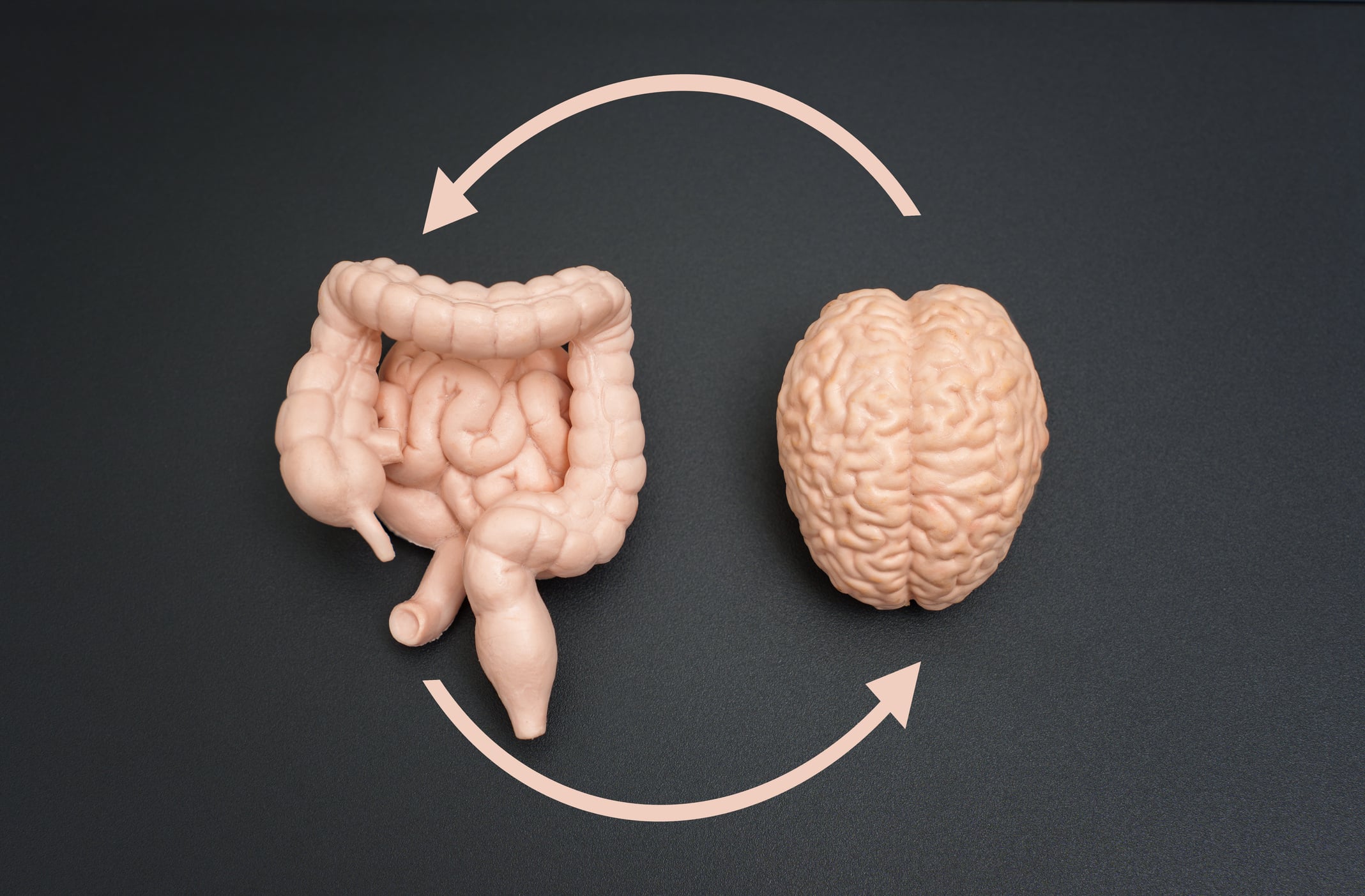
A growing body of evidence suggests that the gut microbiome plays a role in the etiology of neurodegenerative diseases, with indications that in at least some conditions, the very first signs of pathology occur in the GI tract first. Additionally, the “gut-brain axis,” i.e., the bilateral communication that occurs between the central nervous system (CNS)…
-
A Fresh Look at Neurodegeneration
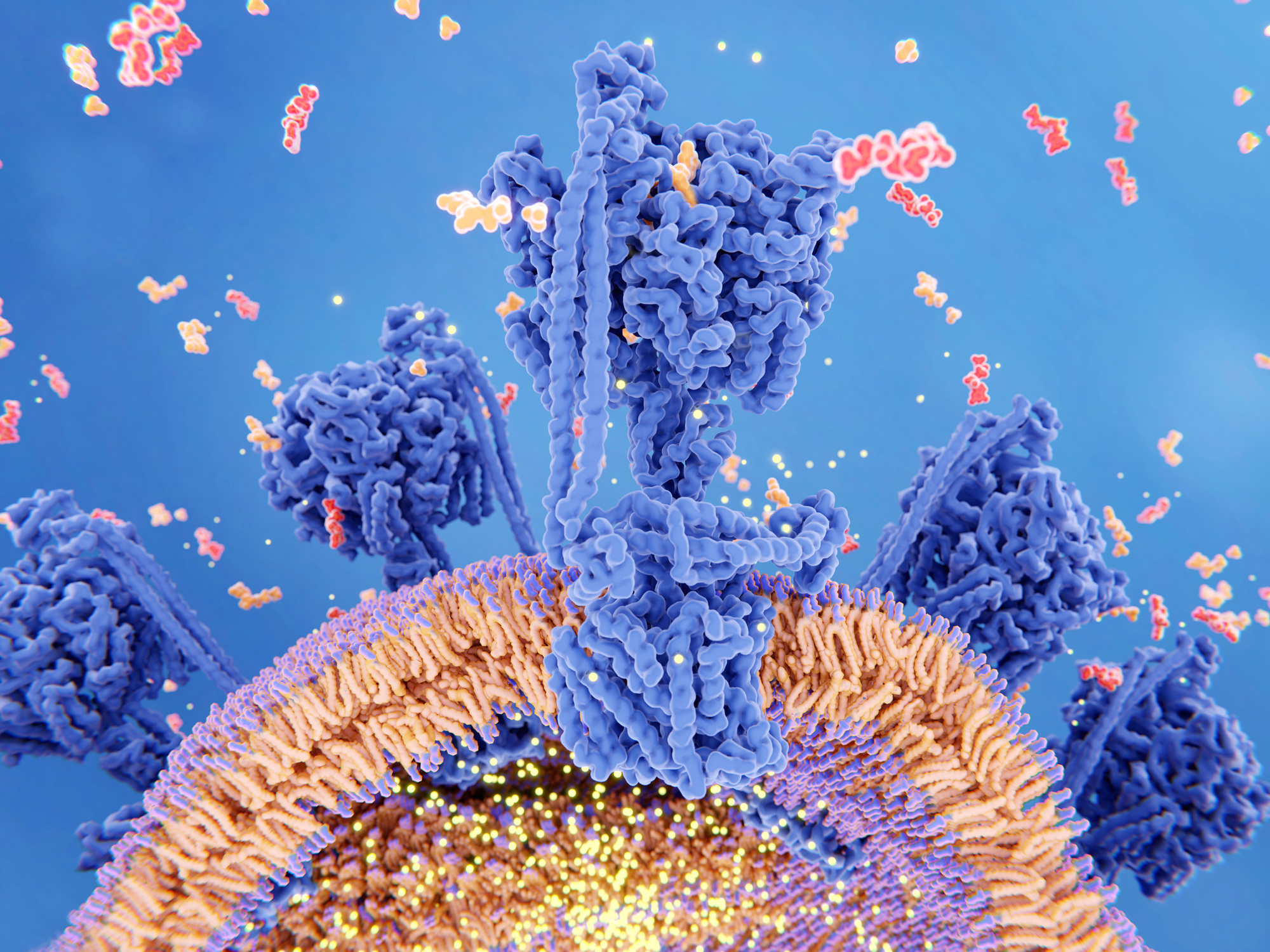
Alzheimer’s disease, Parkinson’s disease and other neurodegenerative conditions are typically seen – and treated – as distinct diseases with their own unique etiologies and targeted therapies. But a paper published recently in Translational Neurodegeneration outlines a new perspective, one that sees Alzheimer’s (AD), Parkinson’s (PD), amyotrophic lateral sclerosis (ALS), and Huntington’s disease (HD) as different…
-
Competing Models of Obesity

Despite decades of research on what causes obesity, controversy still abounds. If it were really as simple as eating too much and not getting enough exercise, then “Eat less, move more” is the only advice anyone would have ever needed. But with nearly 42 percent of adults in the US having obesity, then either this…
-
Cruciferous Vegetables & Blood Pressure

The results of a small but randomized and controlled crossover trial were recently published in BMC Medicine, suggesting that cruciferous vegetables may lower systolic blood pressure, at least to a greater degree than squash and root vegetables. Known as the VEgetableS for vaScular hEaLth (VESSEL) study, 18 participants completed this controlled trial in which they…
-
Psychoneuroimmunology: The Mind-Body Connection

Psychoneuroimmunology (PNI) underscores the profound interrelationship between the body and mind. PNI describes how chronic stress—emotional or psychological– impacts integral biological pathways, revealing alterations in nervous, immune and endocrine functions, as well as the gut microbiome.
-
Micronutrient Cocktail & Liver Health

The journal Medicina recently reported the results of a double-blind and placebo-controlled pilot clinical trial evaluating the use of a micronutrient cocktail on parameters associated with liver fibrosis and steatosis among people with obesity and metabolic syndrome. One hundred ninety-six adults (median age 58) with obesity (BMI of 30 kg/m2 or higher, and an elevated…
-
Profound Compounds of Broccoli

Broccoli, (Brassica oleracea var. italica) a nutrient dense, cruciferous vegetable has gained significant recognition in the literature due to its profound bioactive compounds, conferring a host of benefits to cellular health.
-
Vitamin E & Pediatric NAFLD
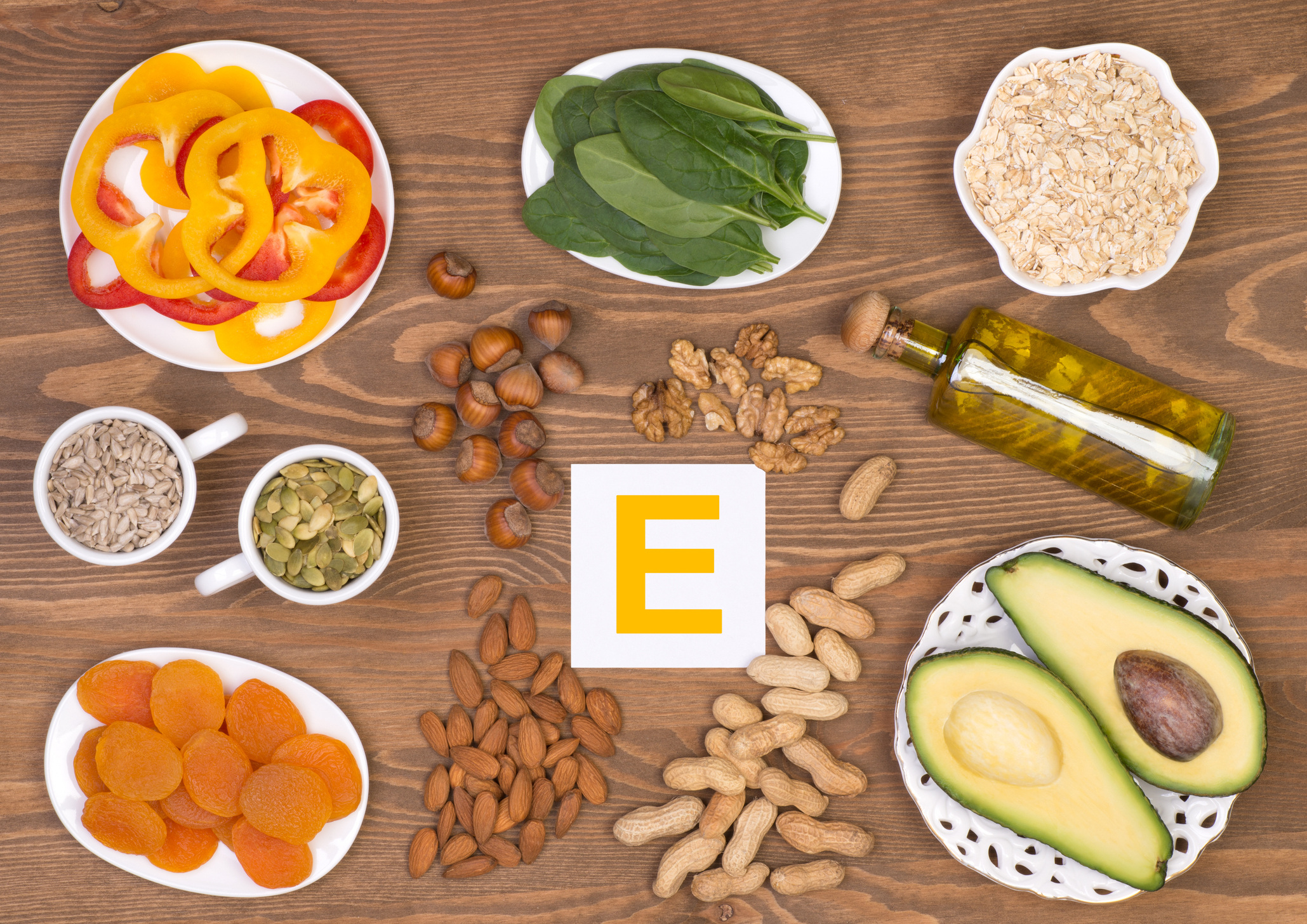
Results of a single-blind placebo-controlled trial were recently published in BMC Pediatrics, indicating a beneficial effect of supplementation with vitamin E enriched with tocotrienol (TRF) for children with obesity and non-alcoholic fatty liver disease (NAFLD). This follows a 24-week controlled trial among adults, in which delta-tocotrienol was shown to improve markers of steatosis and hepatocellular…
-
How Exercise Affects Your Gut

Though it is well known that diet can certainly modulate the composition of the gut microbiota, we are only just beginning to understand how exercise affects your gut and gut microbiome. However, considering the many roles of the gut in the development and maintenance of overall health, it is not surprising that there is great…
-
Lignan Intake & Diabetes Risk
JAMA Network Open recently published an analysis of several large cohorts of men and women, indicating a lower risk for developing type 2 diabetes with higher dietary intake of lignans, polyphenols abundant in certain plant-based foods. This analysis included data from 3 large prospective U.S. cohorts and over 30 years of follow-up, including the Nurses’…
-
Aging & Multi-omics

Results of a multi-omics study that profiled the molecular changes that occur as part of the aging process were recently published in Nature Aging. In sum, they found that there are non-linear patterns in the majority of the -omics related to aging and that two distinct periods of substantial dysregulation occur, one at age 44…
-
EPA & Precision Medicine

The American Journal of Clinical Nutrition recently published a secondary analysis of a randomized and controlled 2×2 factorial trial, revealing a reduction in colorectal polyp formation with EPA ( eicosapentaenoic acid) supplementation when stratified by genotype. Initial results of this study were reported in the Lancet in 2018, in which neither aspirin nor EPA reduced the…
-
Carbs & Kidneys
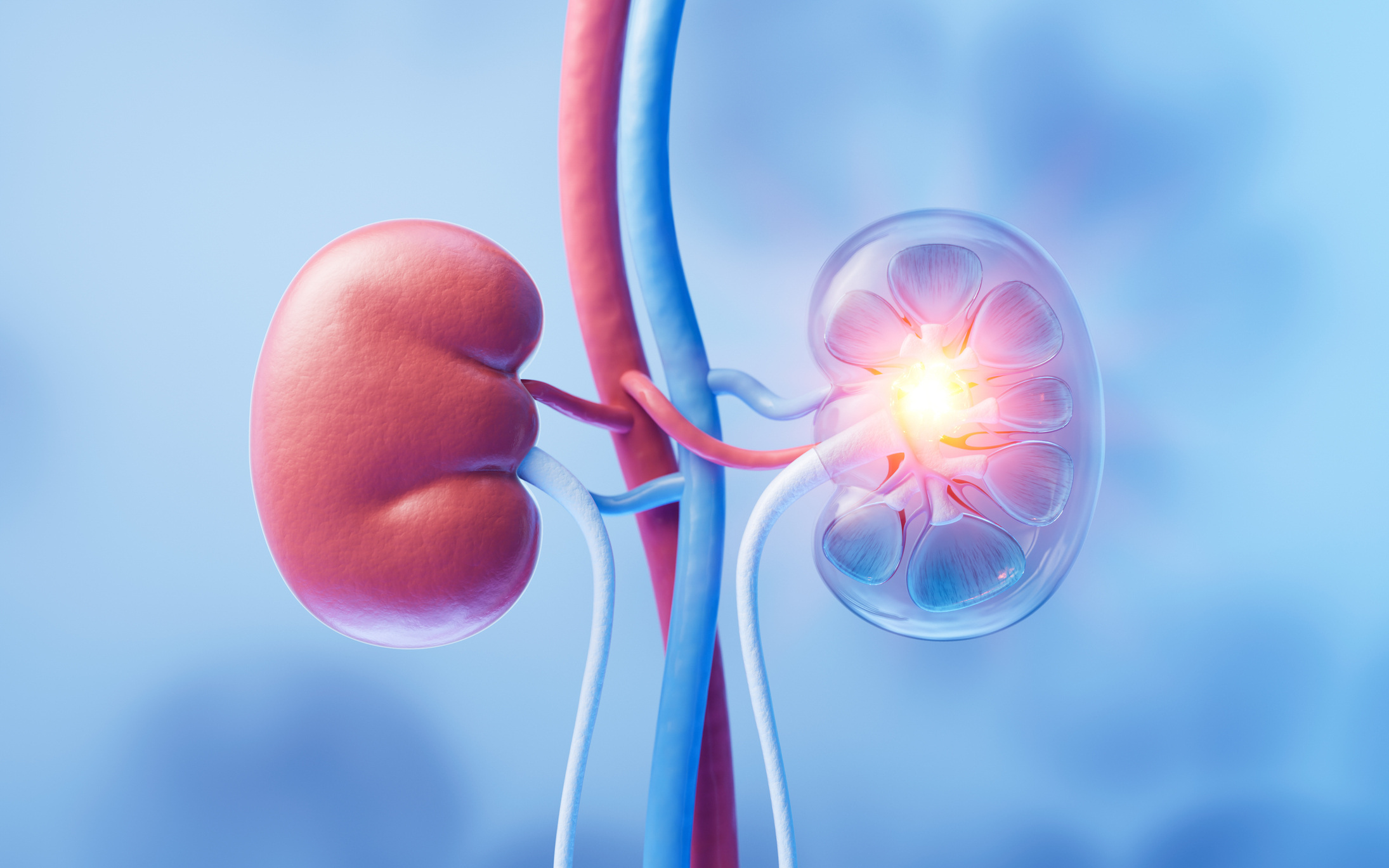
“Available evidence suggests that carbohydrate restriction and ketosis afford benefits to kidney function.” (Athinarayanan et al., 2024) Dietary carbohydrate restriction is well established to be beneficial for reversing metabolic syndrome and other conditions related to insulin resistance, such as polycystic ovarian syndrome (PCOS) and nonalcoholic fatty liver disease (NAFLD). However, there are still some pervasive…
-
Obesity & The Microbiome

BMC Microbiology recently published a meta-analysis of metagenomic sequencing data from obese and non-obese participants in an effort to clarify contradictory findings relating the gut microbiome to the risk for an elevated BMI. Seven studies were included in this meta-analysis, as well as 1351 stool metagenomic (shotgun) sequencing files from 862 participants (396 with obesity…
-
The Antioxidant Properties of Blueberries

As summer winds down and the back-to-school season begins, blueberries remain a timeless, nutrient-packed treat perfect for topping yogurt, salads, or simply enjoying by hand. A growing body of research underscores the vast health benefits of blueberries (Vaccinium spp.), notably due to their robust antioxidant content.
-
Silymarin & MASLD

The Journal of Obesity & Metabolic Syndrome recently published the results of a randomized, double-blind, and placebo-controlled clinical trial evaluating the supplementation of silymarin among participants with metabolic dysfunction-associated steatotic liver disease (MASLD). This recent nomenclature, MASLD, applies to people with steatotic liver disease that is attributed to the metabolic syndrome; it has considerable overlap…
-
Alcohol & Mortality

The results of a large prospective cohort study were recently published in JAMA Network Open, suggesting that even “low-risk” drinking is associated with a greater mortality risk among people with either health-related or socioeconomic risk factors. This is in line with a number of recent studies which point to a detrimental effect of alcohol, and…
-
Omega-3s & Lupus (SLE)
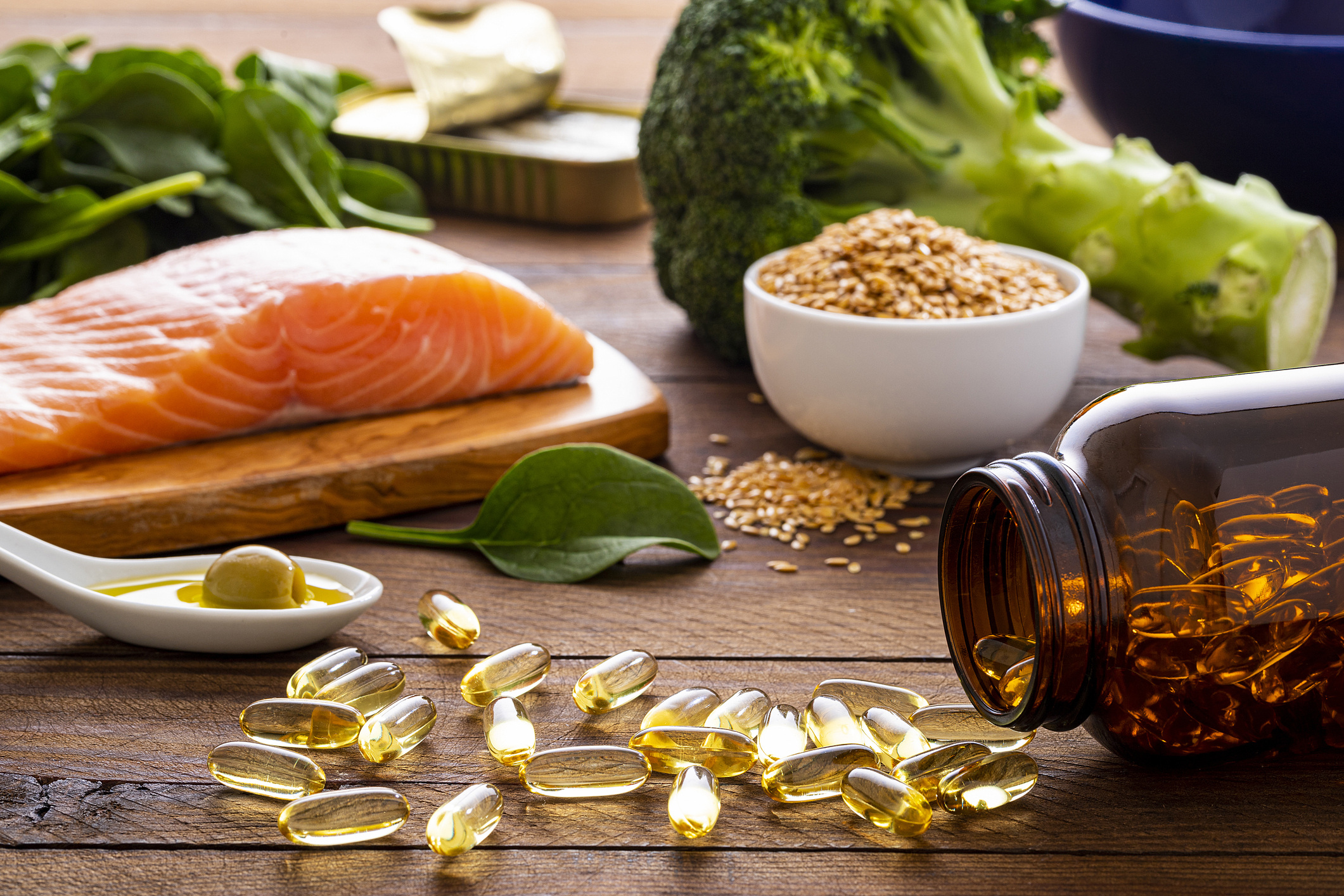
Results of a double-blind randomized and placebo-controlled trial evaluating the use of omega-3 fatty acid supplementation among people with systemic lupus erythematosus (SLE) were recently published in Lupus Science & Medicine. 78 adults (97% women) with active SLE were randomized to receive either control (vegetable oil, including olive, palm kernel, and corn oil) or 4…
-
Bifidobacterium & ADHD

The results of a 12-week randomized and placebo-controlled trial evaluating the use of a specific strain of the probiotic Bifidobacterium bifidum (Bf-688) for ADHD symptoms were recently published in Nutrients. Just over 100 Taiwanese children (85% boys and 15% girls) between the ages of 6 and 10 with clinician-confirmed ADHD (who were also receiving a…
-
Glycemic Load & Gestational Diabetes

Gynecological Endocrinology recently published a systemic review and meta-analysis examining the relationship that glycemic index (GI) and glycemic load (GL) have with gestational diabetes mellitus (GDM), as well as any dose dependence. This analysis included 13 studies (11 observational and 2 case-control) and nearly 40,000 pregnant women. The glycemic index is a score that ranks…
-
Pineapple – Delectable & Nutritive

Pineapple, a delicious summer fruit rich in an array of nutrients, also has notable digestive-enhancing properties. Along with vitamin C, thiamin, potassium, manganese and potent phytonutrients, pineapple is one of the most abundant sources of bromelain, a mixture of proteolytic enzymes significant for digestion.
-
Keto for Migraines

A paper published recently in Frontiers in Nutrition makes a case for why ketogenic diets with a specific emphasis on sodium supplementation may be an effective prophylactic for migraine. Research is expanding in this area (as was covered in a past blog article) with an increasing number of case reports being published. It’s not certain…
-
Omega-3s & Neuronal Integrity
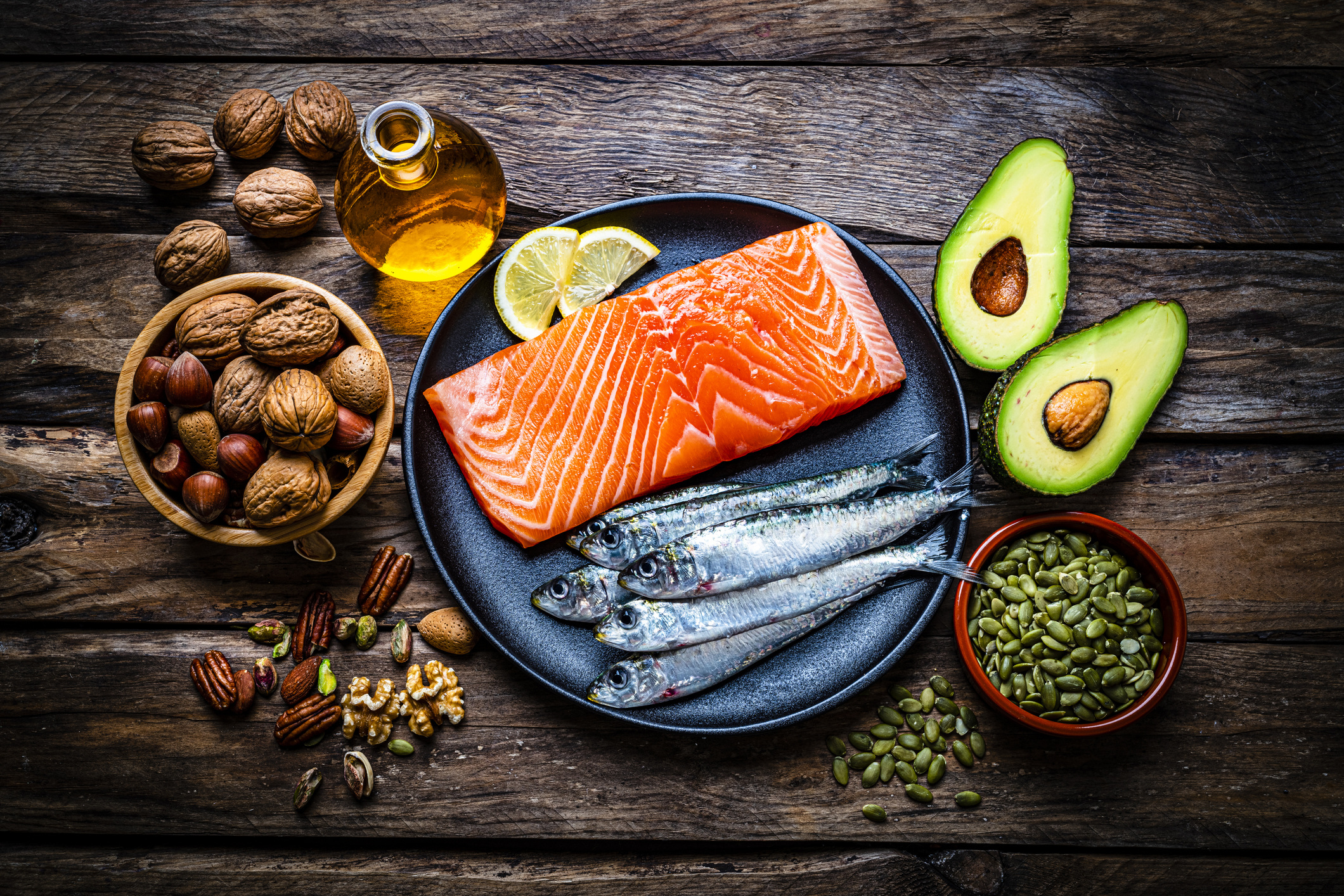
JAMA Network Open has just published the results of a randomized and quadruple-blinded clinical trial conducted at the Oregon Health & Science University, evaluating the use of omega-3 supplementation on the progression of white matter lesions (WMLs) and neuronal integrity breakdown among older adults. One-hundred and two participants aged 75 or older were included as…
-
Modifiable Risk Factors of Cancer

An up-to-date analysis of the number of cancer cases and deaths in the U.S. preventable by modifiable factors was recently published in CA: A Cancer Journal for Clinicians. This analysis was based on data from 2019, estimating the number of cancers (including 30 specific types of cancer, but excluding nonmelanoma skin cancer) that could be…
-
The Gut-Immune Connection
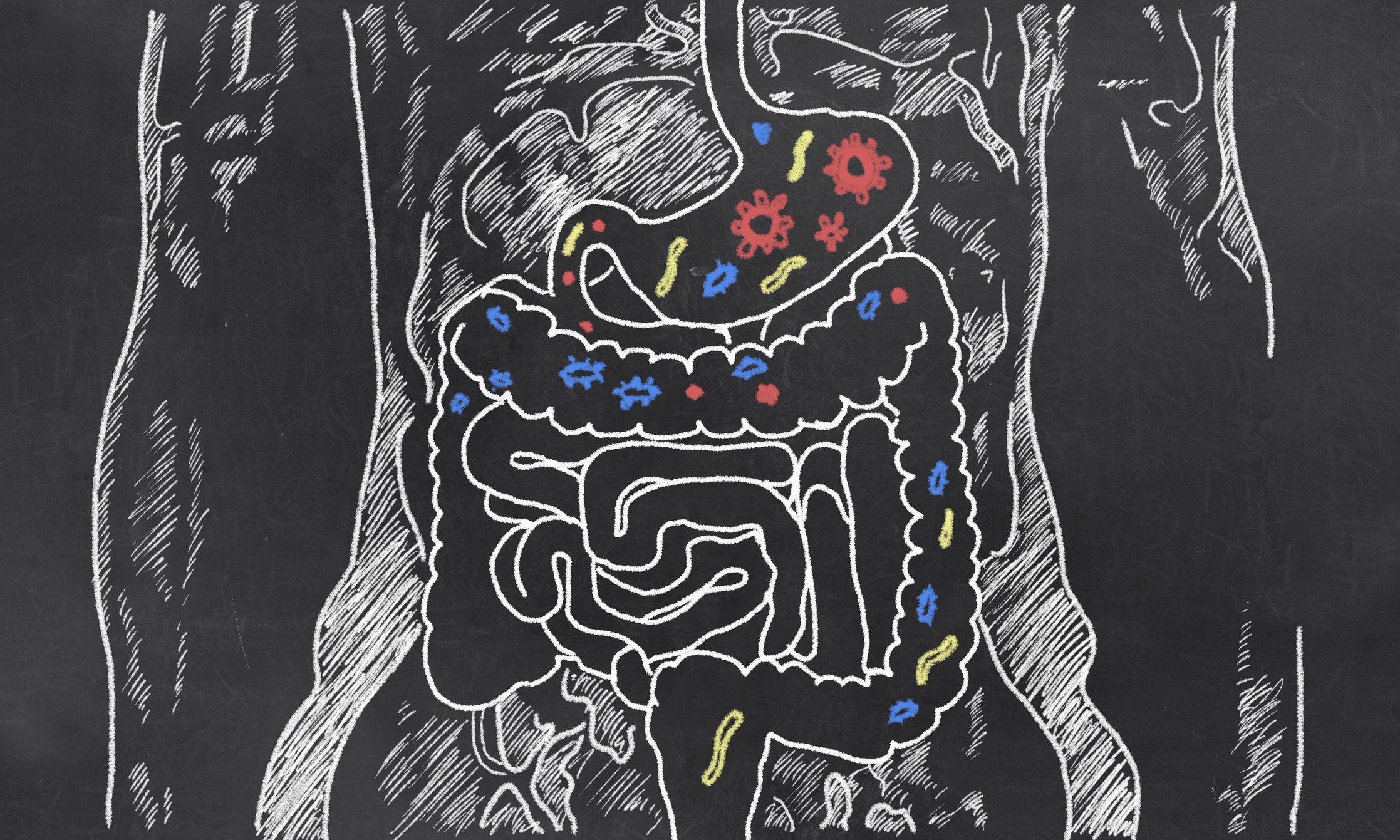
Every day we seem to be learning more and more about the relationship between the gut microbiome and immune health. For example, just last month, researchers discovered that the immune system doesn’t activate at nine weeks into gestation, as previously thought. We now know that the intestinal epithelial cells work to eradicate damaged cells long…
-
Intermittent Fasting & Glycemic Control

JAMA Network Open recently published results of a randomized, open-label, active parallel-controlled clinical trial comparing an intermittent fasting program to both metformin and empagliflozin in Chinese adults with early type 2 diabetes. Known as the EARLY (Exploration of Treatment of Newly Diagnosed Overweight/Obese Type 2 Diabetes Mellitus) study, 405 participants were randomized in a 1:1:1…
-
S. boulardii & h. pylori

Scientific Reports recently published the results of a randomized and controlled trial evaluating the safety and efficacy of S. boulardii when used in combination with triple therapy for the eradication of H. pylori. Conducted at two medical centers in China, this study enrolled 144 participants with H. pylori infection confirmed by both a recent gastroscopy…
Shop Our Brands: