-
Diet & Longevity

A recent study has provided a comprehensive analysis of the relationship between diet and life expectancy. The scientists concluded that there is a high correlation between a good diet and a longer life expectancy with marked results. To maximize the benefits, the optimal diet should be adopted as early in life as possible.
-
PFAS & Women’s Health

The results of a community-based longitudinal study that followed over 1000 women from 1999 to 2017 were recently published in the journal Hypertension. With nearly 12,000 person-years of follow-up, women without hypertension at the beginning of the study received annual visits to assess for hypertension, along with baseline measurements of 7 different perfluoroalkyl and polyfluoroalkyl…
-
SBI Cost Savings for IBD Patients

A pilot study has provided evidence of the cost-saving benefits of the incorporation of serum-derived bovine immunoglobulin/protein isolate (SBI) into the therapeutic regimen of people with inflammatory bowel disease (IBD).
-
Diet & Antimicrobial Resistance

Antimicrobial resistance (AMR) is both an immediate and growing problem. In 2019, the global estimate for deaths associated with AMR was 4.95 million, with 1.27 million directly attributable to AMR. A report in the UK estimated that by 2050, 10 million lives a year and $100 trillion of economic output would be lost as a…
-
Potentially New LDL Phenotype
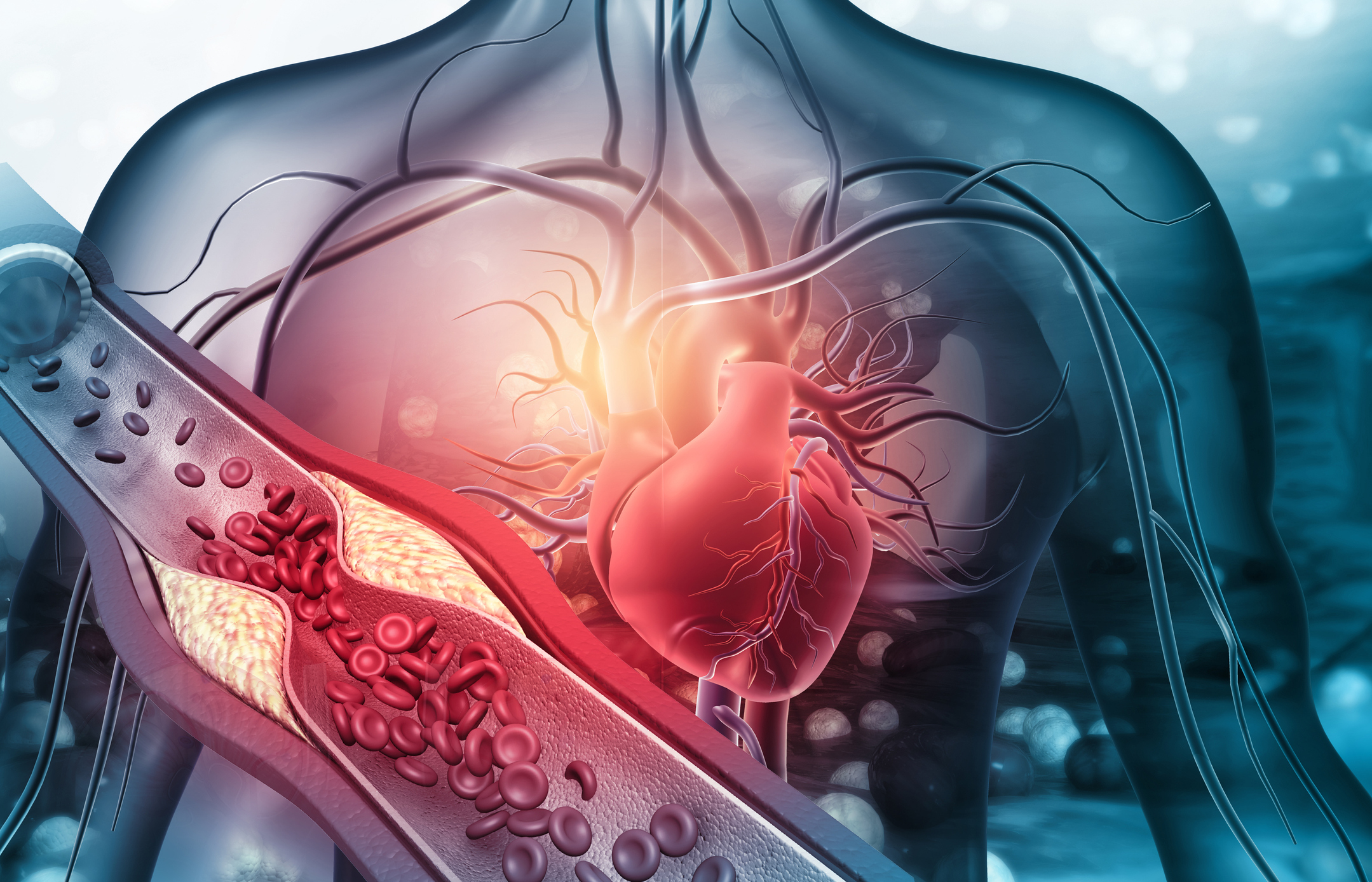
A recent study has concluded that the LDL cholesterol of a specific group of people given a carbohydrate-restricted diet (CRD) decreases when a moderate amount of carbohydrate is reintroduced into their diets.
-
How Omega-3s Optimize Mental Health

Both brain-derived neurotrophic factor (BDNF) and omega-3 fatty acids have powerful health-promoting effects on the brain, boosting cognition and overall mental health. ALA (α-linolenic acid) can be considered the “parent” fatty acid as the body converts ALA into EPA (eicosapentaenoic acid), and subsequently DHA (docosahexaenoic acid), in the liver. Not only are humans not particularly…
-
Nordic Diet’s Effects on Lipid Metabolism

A recent study has unveiled clear evidence that a Nordic diet can help support blood sugar and cholesterol levels even if it doesn’t lead to weight loss.
-
Environmental Pollutants & the Microbiome

In a recently published Frontiers in Medicine review, the bidirectional interactions between environmental toxicants and the gut microbiota were examined, highlighting the complex relationship between the composition of the microbiota and xenobiotic metabolism. Given that for most people the greatest source of exposure to pollutants is via diet and water consumption, the gut microbiota is…
-
Insulin Resistance & Erectile Dysfunction

In a recent article we explored the connection between chronically elevated insulin—a.k.a. metabolic syndrome—and benign prostate hypertrophy (BPH). We noted that BPH is included among the issues believed to have roots in what researchers call “a male polycystic ovarian syndrome equivalent.” And if chronic hyperinsulinemia is the underlying cause of PCOS, then the same hormonal…
-
Polyphenols & Longevity

For the first time, a study has associated high polyphenol consumption with a 30% reduction in mortality in older adults using a novel urinary biomarker for polyphenol intake.
-
Antibiotics & Vaccine Antibodies
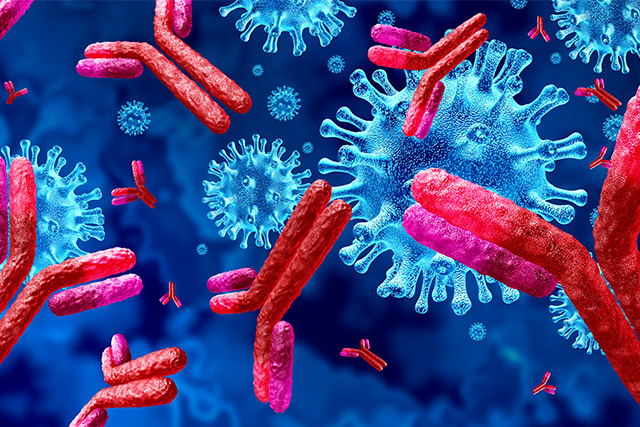
The results of a prospective cohort trial following children between the ages of 6 months and 2 years were recently published in Pediatrics, the journal of the American Academy of Pediatrics. This study followed nearly 600 children and reported a negative association between vaccine-induced antibody levels and antibiotic use. Among children receiving regular childhood vaccines,…
-
Influences on Detoxification Capacities

A wide spectrum of detoxification capacity exists in the general population, a result not only of genetic differences but also environmental factors. For example, substantial variation in inter-individual responses to caffeine is well documented; the demethylation of caffeine to paraxanthine, the primary metabolic pathway for elimination, is mediated exclusively by cytochrome P450 isoform 1A2 (CYP1A2),…
-
UTIs, Antibiotics & Gut Microbiome

In a study recently published in Nature Microbiology, a longitudinal multi-omics analysis was reported for women with a history of recurrent UTIs (n=15) compared to healthy controls (n=16). In this one-year study, all participants provided monthly fecal samples (fecal, urine, and plasma samples were collected at study onset), with additional samples collected during and after…
-
Top 5 Keto Diet Mistakes

Ketogenic diets are effective for helping with a wide array of health issues. Owing to the avalanche of conflicting information out there about this way of eating, however, it’s possible for patients to hit some roadblocks that prevent them from achieving their goals despite having the best intentions. People use keto diets for a number…
-
Calorie Restriction & Aging

Researchers from the Yale Center for Research on Aging recently published a paper in Science detailing results of a 2-year calorie restriction trial in humans, as well as subsequent animal data which followed up on their findings. A subset of participants in the CALERIE trial (Comprehensive Assessment of Long-term Effects of Reducing Intake of Energy)…
-
Understanding (and Using) the CAC Scan
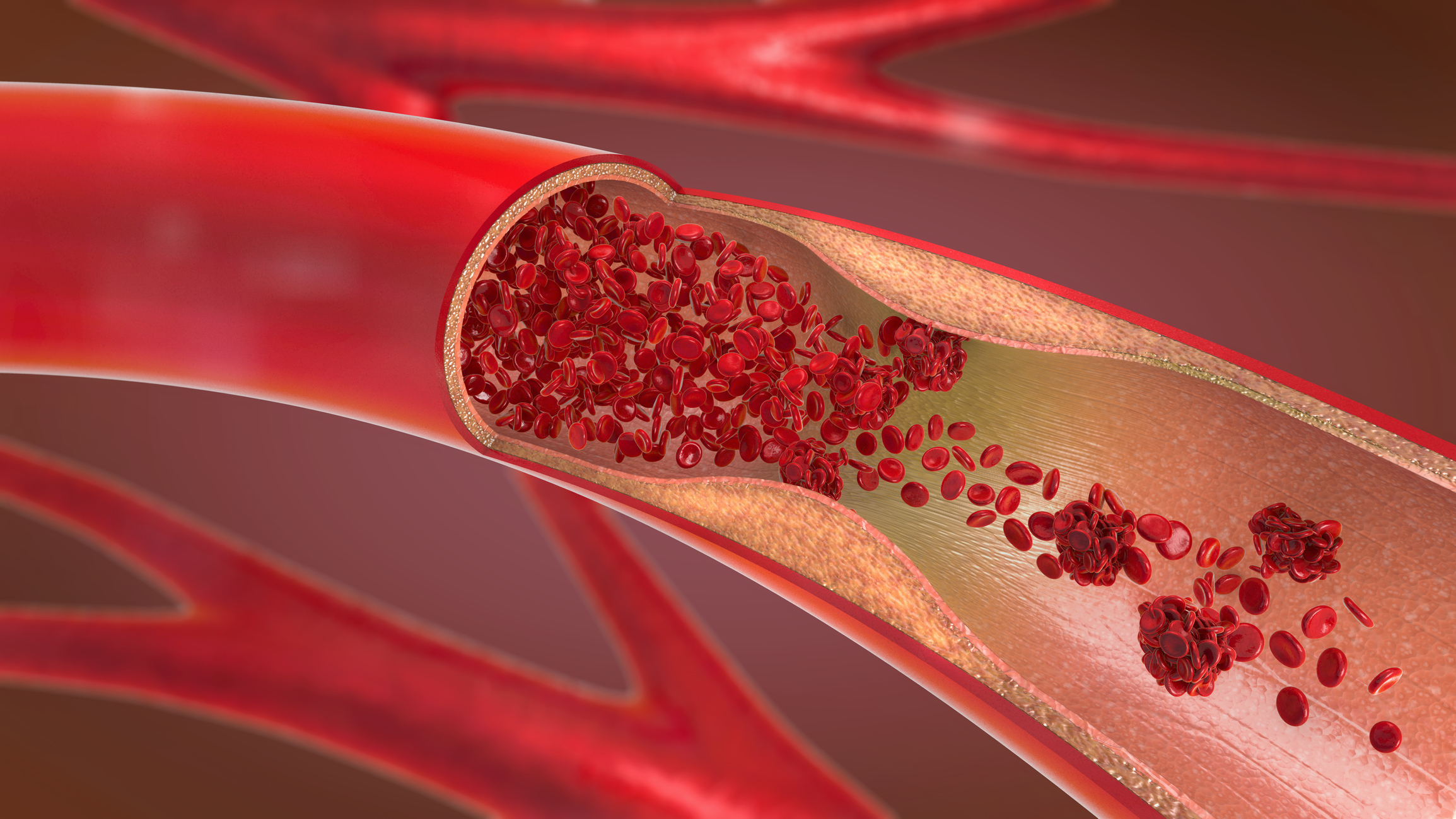
“…a considerable subgroup of individuals with very high LDL-C does not develop coronary artery calcifications and has a very low event rate.” (Bittencourt et al., 2019)
-
Examining Fructose Through an Evolutionary Lens

The evidence base continues to grow suggesting that fructose, from both dietary sources and endogenous synthesis, promotes the metabolic dysfunction that underlies the most prevalent health conditions, including diabetes, obesity, insulin resistance, metabolic syndrome, and fatty liver disease. To understand why, it helps to review the metabolic pathways driven by fructose, as well as the…
-
Cannabinoids & the Skin

Recent research has found that cannabinoids’ ability to help modulate the body’s natural inflammatory response may be behind their usefulness for a wide range of skin issues. At the time of writing, 28 states allow comprehensive medical cannabis programs and 1 in 10 adults who use cannabis in America use it for medical reasons. Topical…
-
Cognition & Bacteriophages

A recent study has uncovered that higher levels of the bacteriophage Caudovirales may improve cognition, specifically verbal memory and executive function.
-
Analyzing Vitamin D2 vs D3
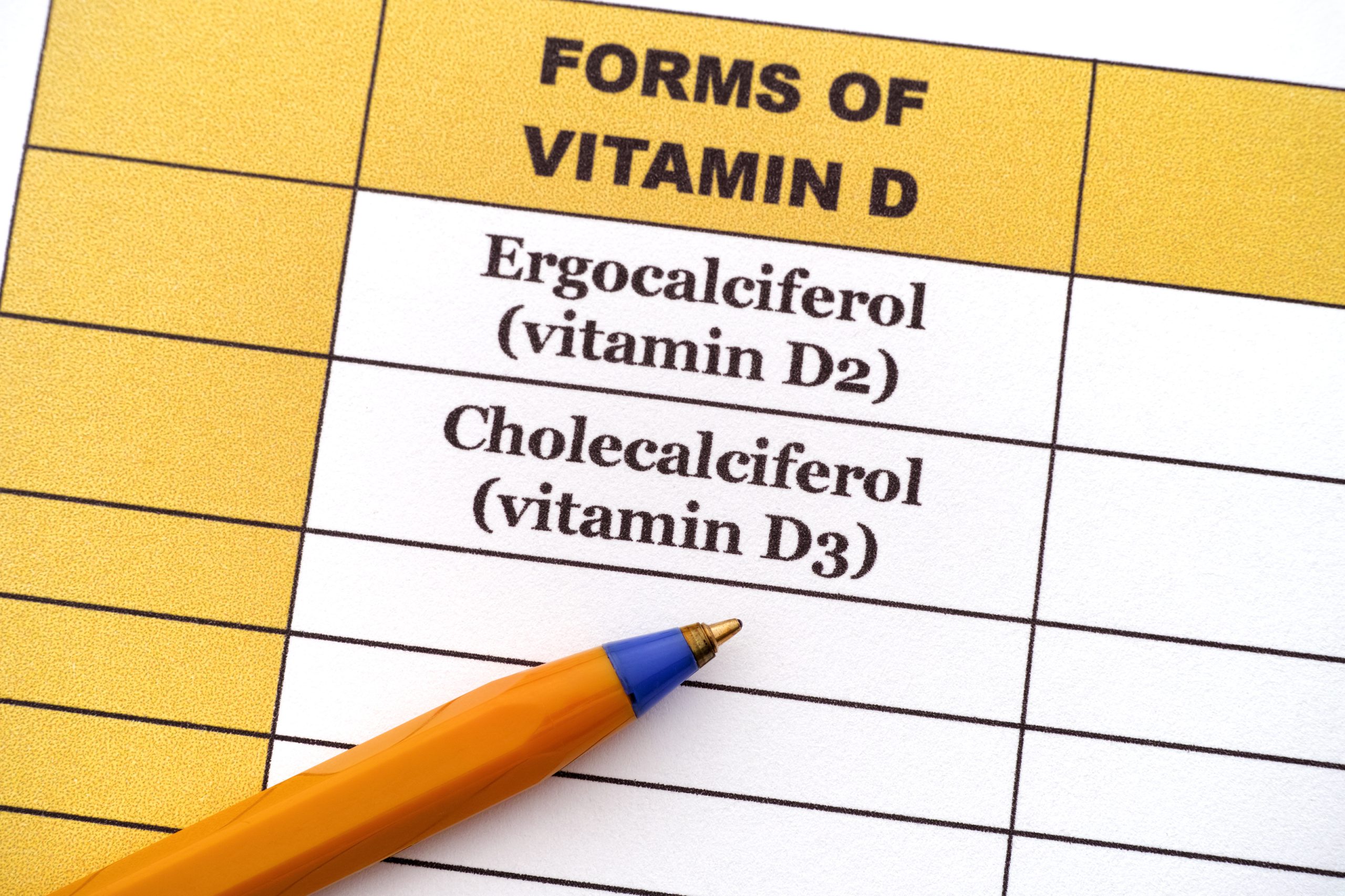
When comparing ergocalciferol (D2) to cholecalciferol (D3), most studies typically report on differences related to serum levels of 25(OH) vitamin D, with a focus on which form is more efficient or has a more enduring effect. Results from a recently published clinical trial sharpen our understanding of the divergent effects of these two forms of…
-
Childhood Risk Factors for Adult Cardiovascular Events

An analysis of data collected from the International Childhood Cardiovascular Cohorts (i3C) Consortium was recently published in the New England Journal of Medicine, detailing the results of a remarkable study spanning a mean 35 years of follow-up for nearly 40,000 participants. The i3C includes seven cohorts from the US, Finland, and Australia, comprised of children…
-
Environmental Toxins & Obesity

Environmental and industrial pollutants, particularly those which are resistant to degradation, (known as persistent organic pollutants, or POPs) have long been implicated in various metabolic diseases, including obesity. Because no human double-blinded and randomized trials can be ethically conducted with these chemical compounds, much of our current knowledge is based upon animal/cellular research and epidemiologic…
-
Late Night Eating & Glucose Tolerance

The results of a randomized crossover trial were recently published in Diabetes Care, describing the effects of either an early or late “meal” on glucose tolerance. Nearly 900 Spanish adults (that normally have dinner later in the evening) had two oral glucose tolerance tests (OGTT, 2-hour); one conducted 4 hours prior to habitual dinnertime, designed…
-
APO Ratio & CVD Risk

Evidence continues to grow for the value of using apolipoprotein levels (apoB and apoA-1) as the best marker for cardiovascular risk, as they have been shown to be closely associated with cardiovascular outcomes over a wide range of ages and over a long period of time, as reported in a recently published Swedish cohort study.…
-
Caution Combining SGLT-2 Meds & Low Carb Diets

A recent case report of ketoacidosis in an individual taking a sodium-glucose cotransporter-2 inhibitor (SGLT2i) medication while following a ketogenic diet highlights the possibility for developing ketoacidosis when these two therapies are combined. As explained in a previous article, nutritional ketosis induced via a very low carbohydrate intake is different from diabetic ketoacidosis. However, practitioners…
-
Carbohydrate Restriction & GERD

Patients who suffer from acid reflux are often told to avoid potentially triggering or irritating foods and beverages, such as coffee, tomato sauces, spicy and acidic foods. But what if a different approach were effective—one that didn’t require people to eliminate some of their favorite foods? Interesting research suggests low-carb diets can help prevent reflux,…
-
Widespread Lead Exposure in US

An estimate of the number of people in the US alive in 2015 that were impacted by lead exposure was recently published in PNAS. Using data from NHANES, estimates based upon leaded gasoline consumption (the chief source of lead exposure between the 1940s and 1980s), and accepted models of IQ loss due to lead exposure,…
-
HRV: A Valuable Biomarker

Heart rate variability (HRV) is accepted as a non-invasive marker of autonomic nervous system (ANS) function. Even at a steady heart rate, there are small differences between beats; for example, the difference in time between successive beats, although measured in milliseconds, has broad physiological relevance, predictive for both specific disease morbidity and overall mortality. Not…
-
5 Ways to Balance Hormones Naturally

Hormones are chemical messengers that travel throughout the body instructing various glands and organs to perform a wide range of functions. The correct functioning of these endocrine glands is vital for overall health and wellbeing. Balancing hormones properly requires a delicate, multifaceted approach. For instance, various foods and herbs can impact hormone levels, as well…
-
Questioning Statins’ Efficacy

A meta-analysis published recently in JAMA Internal Medicine raises questions about the efficacy of statin drugs with regard to reducing heart attack, stroke, and all-cause mortality. The findings are important because they may have implications for affecting shared decision-making between doctors and patients when it comes to using statin drugs to lower serum cholesterol levels.
Shop Our Brands: