-
Vitamin D & the Inflammatory Response
Research has shown that a healthy inflammatory response is an essential part of the body’s healing process. Yet ongoing inflammation can actually contribute to a wide range of common conditions. Genetic research has now identified low vitamin D levels with high levels of inflammation. This means that low vitamin D could become a key biomarker…
-
An Atlas of Gut Microbiota Plasma Metabolites
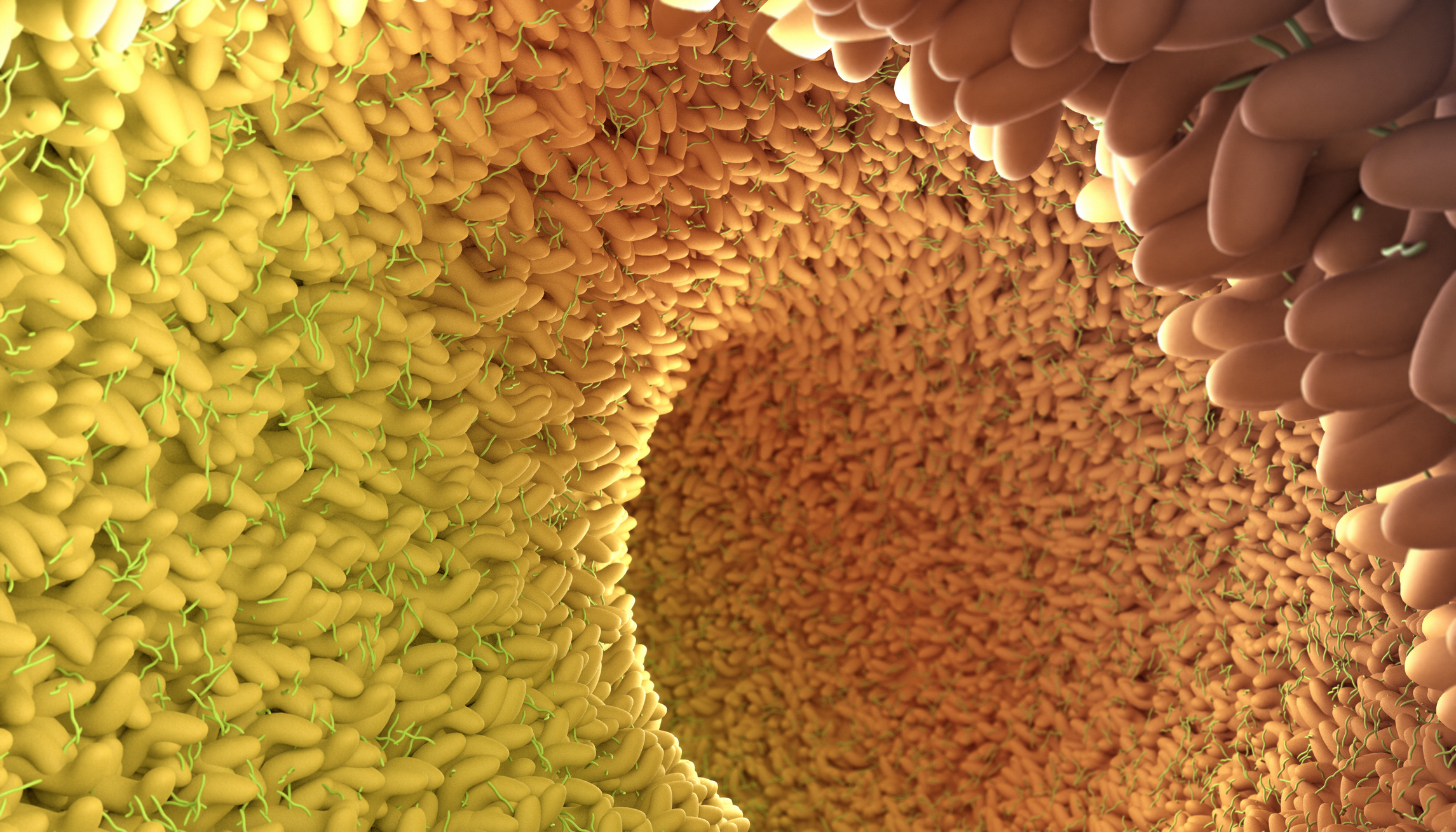
In an extraordinary analysis published recently in Nature Communications, researchers in Sweden report the results of a cross-sectional study which, to date, is the largest and most detailed association study between gut microbiota and plasma metabolites. This study had over 8500 participants between the ages of 50 and 64, identified over 1500 microbial species with…
-
Breast Health & the Gut Microbiome

A growing body of evidence points to the intestinal microbiome as an important factor in both the initiation and metastasis of breast cancer. Data from a recent animal study published in Cancer Immunology Research supports the link between increased metastasis and gut dysbiosis, and suggests a novel mechanism for this link, specifically an accumulation as…
-
Magnesium & Mental Health

According to the Journal of the American Medical Association, depression afflicts over 322 million people worldwide and is a leading cause of disability and reduced quality of life. The underlying causes are numerous and wide-ranging, but what if, in at least come cases, something as simple as magnesium supplementation could make a dent in this…
-
Keto Diet & Mental Health

A paper published recently in Frontiers in Psychiatry highlights the potential effect of ketogenic diets with refractory mental illness. Considering that this very low-carbohydrate nutritional strategy was originally developed a century ago as a dietary therapy for intractable epilepsy, it’s clear that keto has unique salutary effects on the brain and central nervous system. Research…
-
Diverse Benefits of Pycnogenol & GSE
Oxidative stress and inflammation underlie many problematic and chronic issues, which may also explain why interventions that target both of these pathological processes have the potential for such broad benefits. Pycnogenol (French maritime pine bark extract) and grape seed extract (GSE) are both rich in polyphenols, proanthocyanidins specifically, and have a number of clinical trials…
-
Vitamin D, Omegas, & Autoimmune
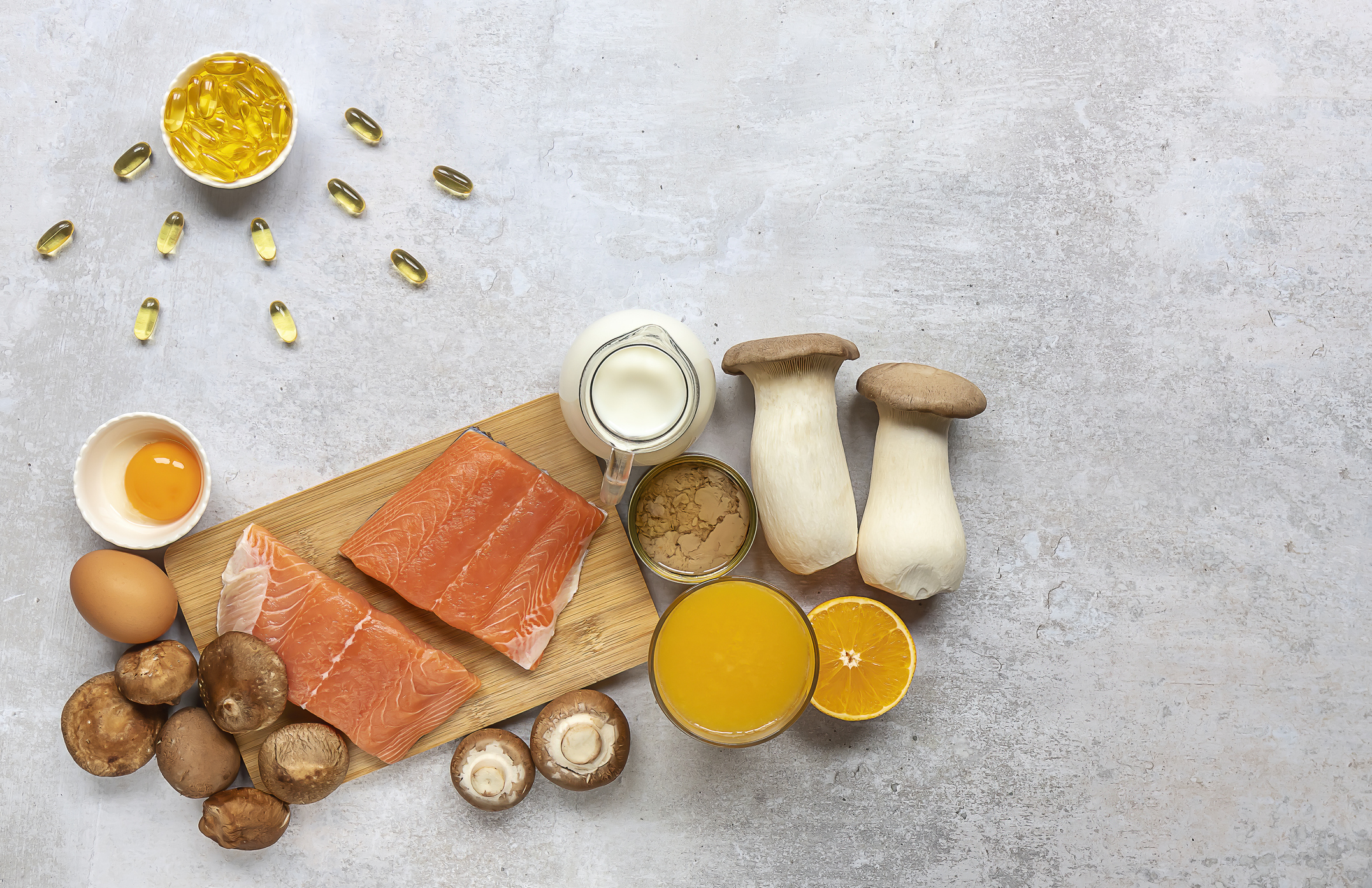
Results from a large trial of older adults in the U.S. were recently published in BMJ, detailing the outcome of a 5-year study evaluating the use of supplemental vitamin D and/or omega-3 fatty acids and the development of autoimmune disease. Part of the large-scale vitamin D and omega-3 trial (VITAL), it was randomized, double-blinded and…
-
Surprising Relationship Between Insulin Resistance & Skin Tags

Word is getting out that elevated insulin is a major underlying factor in numerous chronic health issues even when blood glucose is normal. Previous articles have discussed the role of chronic hyperinsulinemia as a primary or exacerbating issue in the pathogenesis of conditions that are not typically thought to be metabolic in origin, such as…
-
Pycnogenol & Restless Legs Syndrome

Results of a small clinical trial suggest that pycnogenol may provide some benefit for people suffering from Restless Legs Syndrome (RLS), a difficult-to-manage condition associated with increased cardiovascular risk. In a non-blinded and non-randomized trial, otherwise healthy adults with RLS (mean age 44) were given either 150mg pycnogenol per day (n=21) along with standard therapy…
-
Active Couch Potatoes

Results of a study that characterized the relationship between physical activity, sedentary behavior, and how they interact with cardiometabolic health were recently published in the journal Medicine and Science in Sports and Exercise. This study helps to chip away at some of the questions that remain around sedentary behavior and physical inactivity, and if there…
-
Diet & Breast Cancer

Recently published in the International Journal of Environmental Research and Public Health were the results of the largest to-date meta-analysis of 8 cohort studies examining the relationship between dietary change and mortality following a diagnosis of invasive breast cancer. Previously published data suggest that most women do not substantially change eating patterns following a diagnosis;…
-
CGMs: An Instrumental Partnership Between Doctors & Patients

“I am shocked at how current dietary guidelines seem to totally miss the mark and have not caught up with the simple idea that high glycemic index foods should be largely avoided. I don’t think that most people think in terms of how what they eat affects their blood glucose, but this seems foundational to…
-
Lipid Energy Model

A large body of evidence supports the use of very low-carbohydrate ketogenic diets for weight loss, reversing metabolic syndrome, putting type 2 diabetes into remission, and improving a long list of other issues. And while most individuals who adopt this way of eating experience a decrease in total cholesterol and LDL-C, in some people these…
-
TMAO, Gut Microbiota, & Cardiovascular Health

Researchers from Tufts University recently published results from a large community-based cohort in Arteriosclerosis, Thrombosis, and Vascular Biology. They provide details on the associations between both the intake of animal source foods (ASF) and cardiovascular disease risk among older adults, as well as the portion of that risk that appears to be mediated specifically by…
-
The Mechanisms Behind Lactose Intolerance

A recent paper highlights the mechanisms behind lactose intolerance, a clinical syndrome that causes patients to display symptoms on consumption of food substances containing lactose, the disaccharide present in dairy, milk products, and mammalian milk.
-
Insights into NAFLD & Cognitive Function

In a recent review published in Cell & Bioscience, many of the common pathologies characteristic of non-alcoholic fatty liver disease (NAFLD) are discussed, as well as how they overlap and contribute to the onset and progression of dementia. To help understand the scope of this problem, it’s worth noting that although the precise prevalence of…
-
Exploring Cholesterol & CVD
A series of papers published recently in Current Opinion in Endocrinology, Diabetes and Obesity highlights the growing divide between approaches to cardiovascular disease (CVD) that focus on LDL-cholesterol (LDL-C) and clinical observations that are leading researchers and practicing physicians to refocus attention on other factors that may play a bigger role in atherosclerosis and CVD.
-
The Gout & Insulin Connection

Word is starting to spread that even in people whose blood glucose is within a healthy range, chronically elevated insulin can be a major factor in cardiometabolic disease. Metabolic syndrome and PCOS are the most obvious manifestations of hyperinsulinemia, but a growing number and a widening range of diverse conditions can be added to the…
-
Omega-3s & Blood Pressure
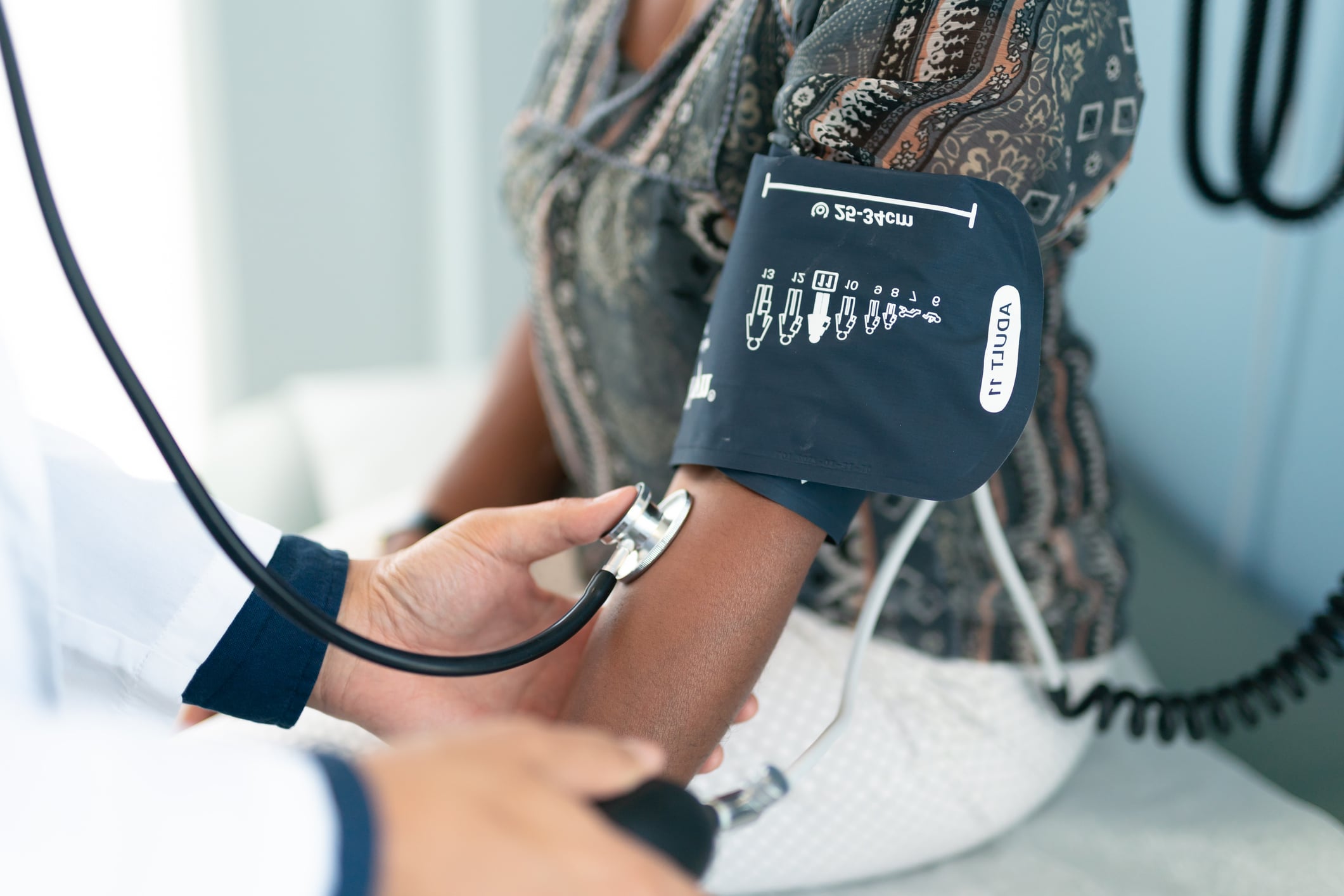
A meta-analysis describing the dosing relationship between omega-3 fatty acid supplementation and blood pressure was recently published in the Journal of the American Heart Association. A systematic literature search yielded 71 eligible randomized controlled trials included in the analysis, with an overall sample size of nearly 5,000 participants aged 22 to 86. Seventy-nine percent of…
-
9 Ways to Strengthen Children’s Immune Systems

The immune system is not one single entity – it’s a complex interconnected system that evolves as we age. Apart from fighting viruses, bacteria, fungi and parasites, the immune system also plays an important role in tissue repair – wound healing, elimination of dead cells, and formation of gut microbiota.
-
Statins & Vitamin D

In a recent meta-analysis of 9 cohort studies that included a total of nearly 3,000 participants, the relationship between 25-OH vitamin D (25-OHD) plasma levels and statin-associated myopathy was examined, as well as the effect of vitamin D supplementation on statin intolerance. Given that 10-25% of statin users report muscle-associated symptoms, and that over 60%…
-
The Synergy of B Vitamins & Omega-3s

One key to optimizing nutrition is the fact that many nutrients work best in conjunction with other vitamins. A good example of this phenomenon is non-heme iron and vitamin C. For the body to absorb non-heme iron from plant-based foods it requires sufficient amounts of vitamin C.
-
Intestinal Health & Metabolic Syndrome
Recently published in Current Developments in Nutrition, a double-blinded randomized cross-over trial compared the effects of a catechin-rich green tea extract (GTE) to placebo on several markers of metabolic health and intestinal inflammation among healthy participants, as well as those with metabolic syndrome. Forty participants (roughly half with metabolic syndrome) received 1g GTE per day…
-
Low Carb & Kidney Health
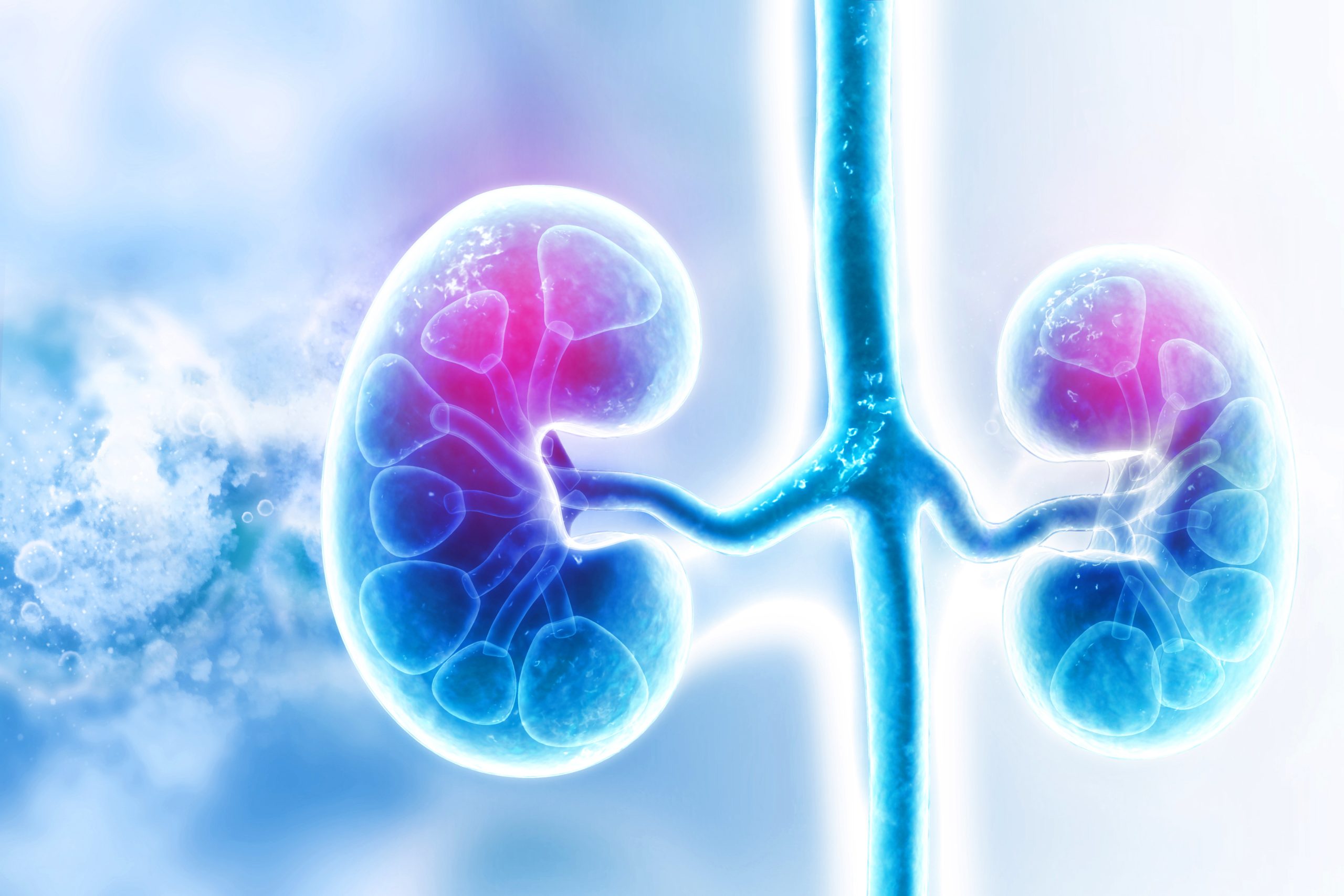
A paper published recently in Molecular Biology Reports highlights various mechanisms by which very low carb diets or ketogenic diets (KDs) may be helpful for chronic kidney disease (CKD). Although research supports use of these diets for a wide array of medical conditions, exploration regarding efficacy for CKD is a new, emerging area.
-
Lipoic Acid & Migraines

The effect of alpha-lipoic acid (ALA) on women with episodic migraines was recently published in the Nature Research journal Scientific Reports. In this randomized and double-blinded trial, 92 women between the ages of 20-50 with episodic migraines (< 15 headache days per month) received either 300 mg ALA twice per day or a matching placebo…
-
Salt & Mortality: Food for Thought

The association between sodium intake and several adverse outcomes, including hypertension and both cardiovascular and all-cause mortality, continues to be a difficult one to untangle. For example, a number of large studies have found sodium intake to be directly associated with total mortality, even at the lowest levels of consumption, with NHANES data suggesting that…
-
Deciphering IBS
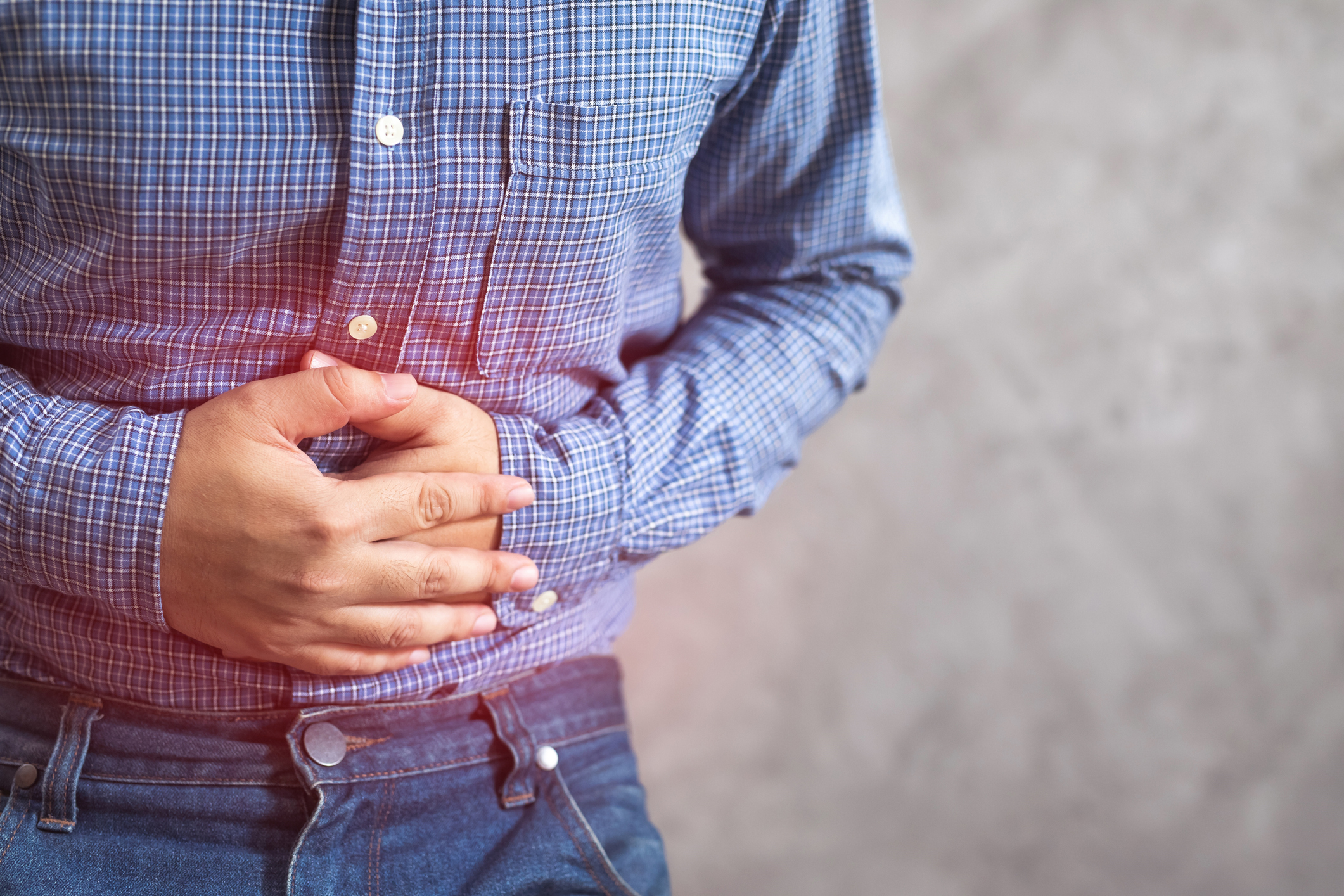
A recent study on both mice and human subjects has revealed the biological mechanism that explains why some people experience irritable bowel syndrome (IBS) and other food intolerances when they eat certain foods.
-
3 Principles of Sports Nutrition

Sports nutrition is always an intriguing topic of discussion, one main reason being the body’s extra requirements for nutrients. A lack of exercise, as well as excessive exercise, can reduce the number of available nutrients. Additionally, athletes need to do everything they can to optimize their diet for peak performance: provide the proper energy required…
-
MCTs’ Potential Effect on Gait & Brain Metabolism

The results of a randomized double-blinded and placebo-controlled trial examining the effect of medium-chain triglycerides (MCT) supplementation on gait balance and markers of brain metabolism in healthy elderly adults were recently published in Geroscience. Sixty-three participants over age 65 completed the study over a 3-month period, with the experimental group ramping up to a dose…
-
Medication Awareness with Very Low Carb Diets

“The most significant adverse effects from a LCK [low-carbohydrate ketogenic] diet originate from over-medication with hypoglycemic and anti-hypertensive medications following a dramatic dietary change.” (Cucuzzella et al., 2021)
Shop Our Brands: