-
FUNCTIONAL MEDICINE MODEL ASSOCIATED WITH QUALITY OF LIFE IMPROVEMENTS

The functional medicine model of health care focuses on the dynamic processes that result in chronic disease. It relies on the analysis of function at the organ system, organ, tissue, cellular and subcellular levels, and is referred to as a systems-biology-based model that addresses the underlying cause of disease using personalized therapeutic interventions to support…
-
Not All Supplements are Created Equally

Dietary supplementation is now commonplace in the American diet with many people concerned food alone cannot meet nutritional requirements. However, not all supplements are created equally. In order to ensure that an individual can successfully navigate the endless choices of supplements, it’s important to know some do’s and don’ts of proper dietary supplementation.
-
Could Running Be Associated with a Lower Risk of Mortality?

A study has uncovered that running or jogging, regardless of the amount above one session per week, could be associated with lower rates of mortality. A 2017 study established that physical exercise has the ability to reduce cellular aging by nine years. This was proven by measuring the length of white blood cell telomeres, the…
-
4 Ways Melatonin Regulates the Stress Response

Acute or chronic stress can trigger an overactive sympathetic nervous system, resulting in high oxidative stress. The immune system functions at its best in the parasympathetic state so when it switches to a sympathetic state, the body is vulnerable to disease. Chronic release of hormones such as cortisol, catecholamines and neuropeptides due to stress also…
-
New Paper Exposes Science Behind Intermittent Fasting

With the new year come new resolutions that oftentimes involve losing weight. Perhaps intermittent fasting is on the 2020 agenda.
-
Simple 3-Step Gratitude Practice

Gratitude is more than a positive personality trait or a willy-nilly feeling. Gratitude has the power to change the lens through which we view the world, bringing us more joy, health and satisfaction. It’s easy to see the problems in life, not because we are cynical, but because we are looking for what we can…
-
7 Tips to Reduce Stress this Holiday Season

Overwhelmed by the mounting to-do list this holiday season? You’re not alone. The holiday season comes with what seems like a never ending list of additional responsibilities. Holiday stress is a real thing – and something that you can manage if you follow a few tips and tricks. A 2015 Healthline study found that 62%…
-
Could Psychosocial Stress Be a Root Cause of Obesity?

A 2019 study has unveiled an interesting connection between cumulative exposure to a wide range of psychosocial stressors and the risk of obesity.
-
Stress Affects People Differently

A new research paper published in the journal JNeurosci studied how chronic stress affects brains differently. In studying the stress and reward centers of the brain, researchers identified their impact on mood. Prakash et al. found that the number of serotonin neurons in the area of the brain responsible for regulating stress and reward –…
-
Stress – The Mind-Body Connection Part 2
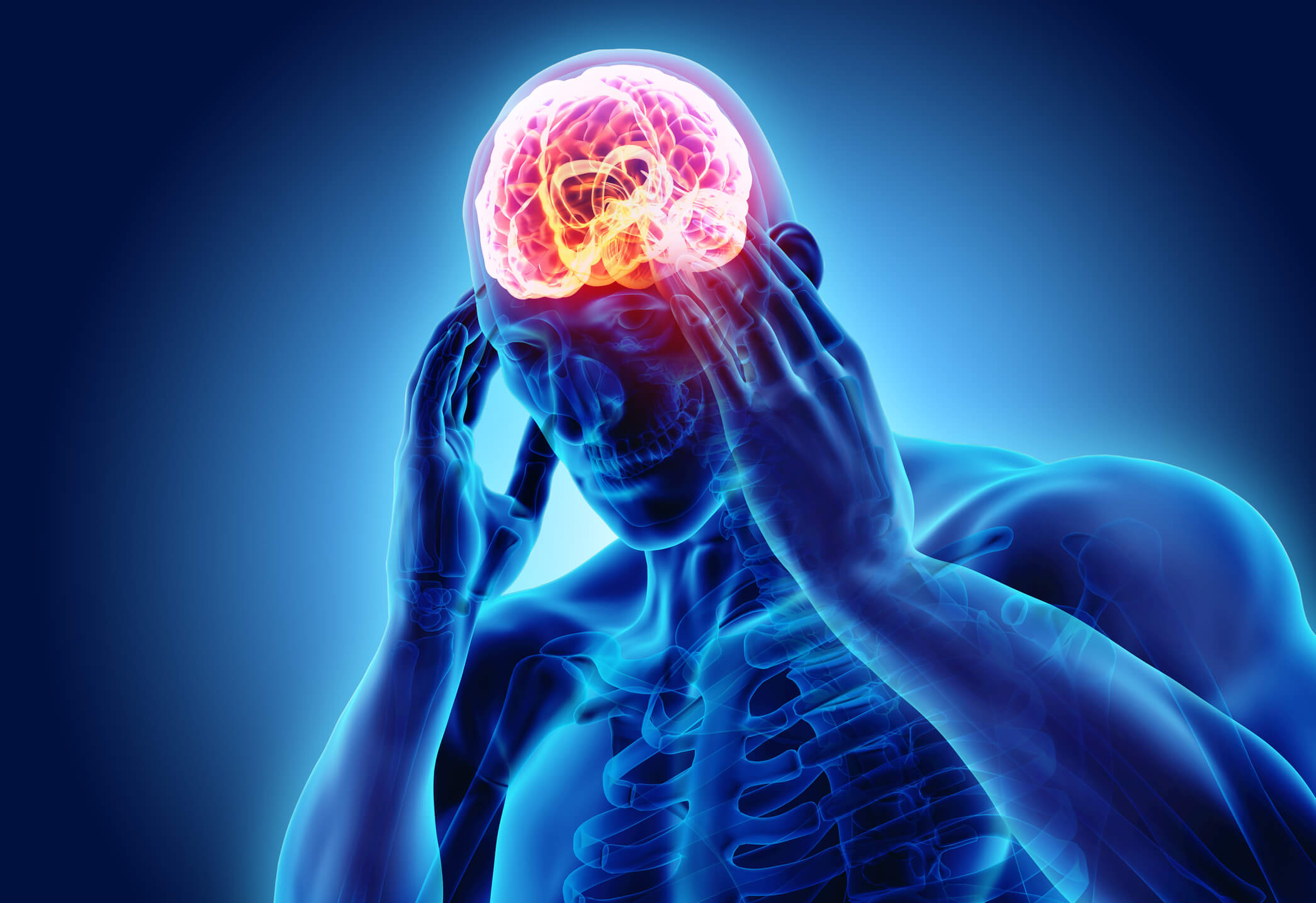
Welcome back to Part 2 of “Stress – The Mind-Body Connection”. In Part 1, we discovered the science and psychology behind the mind-body disconnect, how hormones affect our perception of the world, how stress produces visible changes in the brain as well as enhanced emotionality, and much more. If you have not read part one,…
-
New Evidence Suggests Stress Is Even Worse Than We Thought

The chemical cascade triggered by stress causes radical changes to multiple brain functions, sparking the immediate decisions necessary to survive threats. It happens in milliseconds. How is this feat of near-instant brain connectivity possible? A recent study published in the journal Neuron pinpointed a likely conductor: the neurotransmitter noradrenaline.
-
Stress – The Mind-Body Connection Part 1

Dualism states that the mind and body are separate and this theory is accepted by many despite much evidence showing an observable bidirectional relationship between the mind and body. For example, the gut microbiome sends signals to the brain, and vice versa. The heart sends signals to the brain and the adrenals are also known…
-
Detoxing the Brain: Sleep and Glymphatics

According to the Natural Resources Defense Council (NRDC), there are over 85,000 synthetic chemicals in circulation today, which is hard on the immune system and elimination pathways. The first step to properly detoxify the brain is to do everything in our power to reduce and eliminate toxins from our lifestyle, such as avoiding synthetic chemicals…
-
New Study Reveals How Memories are Formed When We Sleep

A paper published in the Science Journal on October 18, 2019 has altered what we previously thought about delta waves and memory formation. For decades, we have thought that the brain rests during deep stage 3 of NREM sleep. However, scientists at the Center for Interdisciplinary Research in Biology (CNRS/Collège de France/INSERM) recently discovered something…
-
Practicing Gratitude Has Lasting Health Benefits

Previous research has linked the regular practice of gratitude with a host of benefits, both physical and emotional. A 2016 study examined the neural basis of gratitude expression and how it may have even more long-term effects on brain activity than previously known.
-
Have Your Sugar and Eat It, Too

Our sweet tooth is more demanding than ever. As a result, food companies add a lot of refined sugar to our foods to make them more palatable. Unless you are eating food in its natural state, odds are you are consuming some kind of added sugar, and likely more than you think. The average American…
-
AIR POLLUTION CAN SEND OUR DETOX SYSTEMS INTO OVERDRIVE

A team of scientists has uncovered new information about the inflammatory effects of airborne particles from diesel fumes that can worsen asthma symptoms. In recent years, it was shown in a large-scale study that a mutation in the chemical messengers that promote inflammation may be related to asthma. We have also discovered that higher levels…
-
9 Reasons the Lymphatic System Is the Key to Health
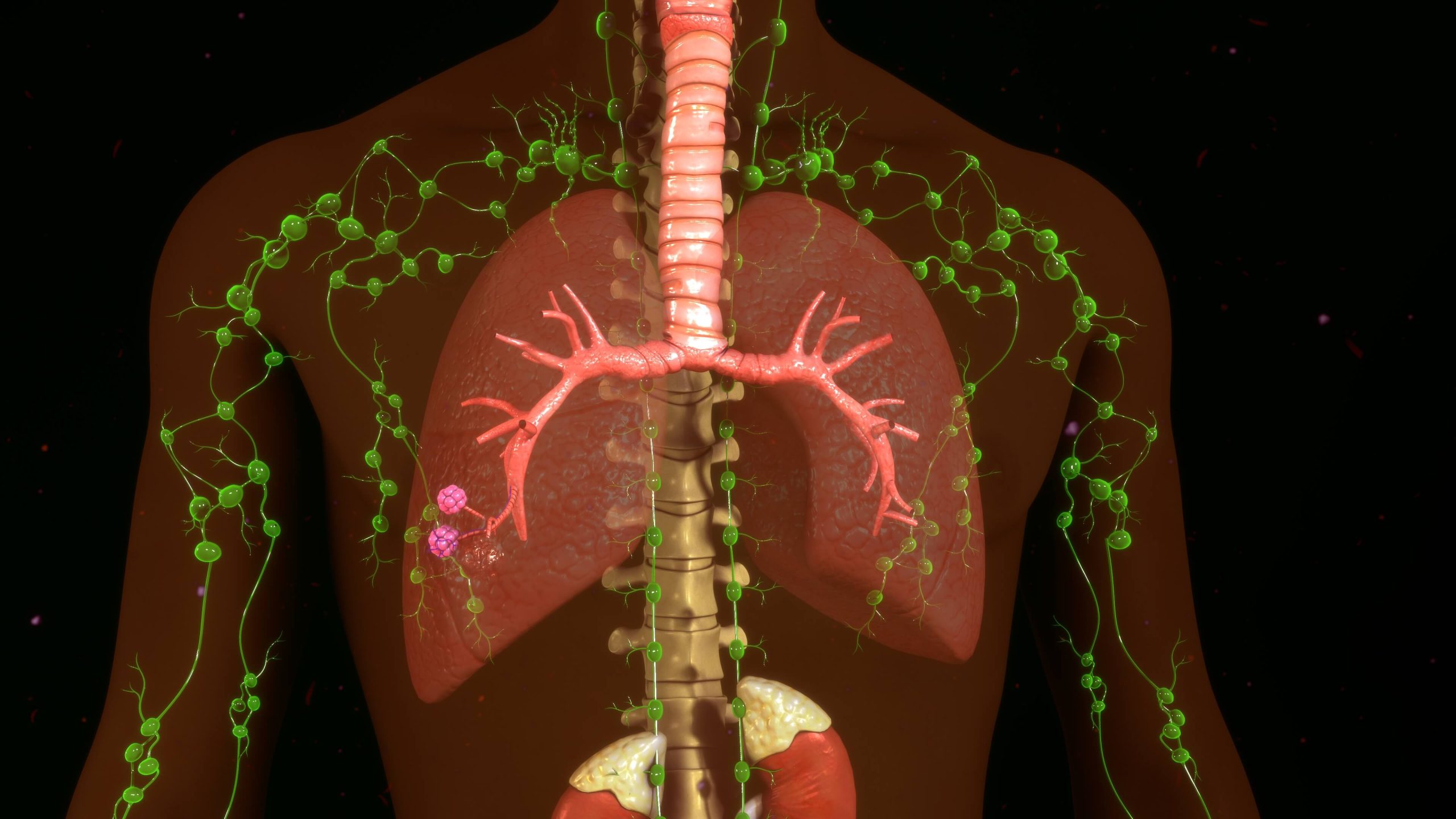
Gaining a clear understanding of the body’s great lymphatic system unveils the pathophysiology of many diseases and a clear road to health. Microbes, viruses, inflammation, and bacteria all play a part in the progression of disease. However, the lymphatic system, when combined with the microbiome could expose clues that will allow us to live a…
-
Breakthrough Research On Indian Barberry

Indian Barberry, also known as “Berberis aristata,” “Chutro,” “Daruharidra,” or “tree turmeric” has recently been under scientific scrutiny for its promotion of healthy microbial balance. The rise in resistant microbial strains and highly infectious agents around the globe has led to a search for compounds exhibiting antagonistic activity towards pathogens, but from natural sources. Researchers…
-
8 Powerful Detox Herbs
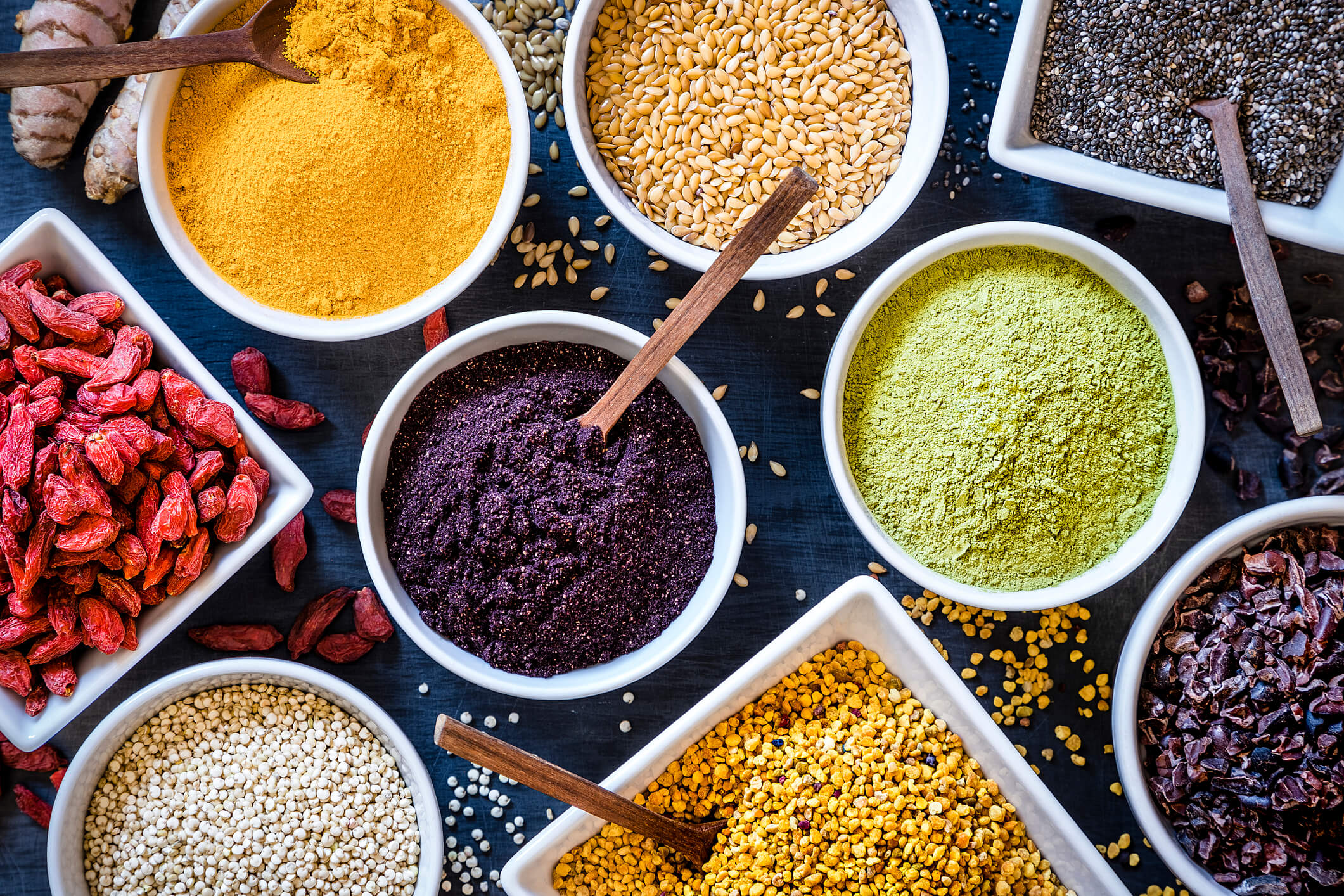
Nature is filled with herbs that have a wide range of healing properties, many of which are perfect for detoxification. You’ve probably heard of a lot of great detox herbs like parsley, dandelion or Hibiscus. This article won’t be covering these commonly known detoxification herbs, but instead will dive deep into ancient herbs that are…
-
100% Fruit Juice Drinks Similar to “Sugar-Sweetened Beverages”

A new study from Harvard T. H. Chan School of Public Health has uncovered that drinking more sugary beverages, whether they contain added or naturally-occurring sugar, is associated with a higher risk of type 2 diabetes. The connection between the consumption of sugar-sweetened beverages such as soft drinks, punches, fruit drinks, sports drinks, and sugared…
-
Concerned about Glyphosate?

Glyphosate [(N-phosphonomethyl) glycine] (GLY) is the most widely used herbicide worldwide. First introduced in 1974, it sells under the brand name, “Roundup”. Since 1996 and the introduction of “Roundup Ready” crops (genetically modified crops resistant to heavy application), glyphosate use has increased approximately 15-fold. It kills broadleaf weeds and grasses and is most-known as a…
-
A HIGH-SUGAR DIET DEPLETES BRAIN HEALTH COMPOUNDS

Researchers from the University of Michigan have found that when fruit flies are put on a high sugar diet, key metabolites related to brain health become depleted. A previous study performed in the same institution showed that an increase in the metabolite glucosamine-6-phosphate with a high sugar diet caused overeating and obesity in fruit flies. …
-
Does Sugar Weaken the Immune System?

The short answer: it depends. The immune system is continually responding to endogenous and exogenous stimuli whether from the foods we eat, our sleep and exercise habits, stress, relationships or the air we breathe, the body is always looking for ways to maintain homeostasis. Eighty-three research studies have concluded that a diet rich in fruits…
-
Study Suggests Stress in the Evening is No Good

A research study conducted at Japan’s Hokkaido University and published in the journal Neuropsychopharmacology Reports explored how the hypothalamic-pituitary-adrenal (HPA) axis responds to acute psychological at different times of the day. Lead researcher Yujiro Yamanaka, and his team studied 27 healthy young volunteers. Yamanaka first measured the participant’s diurnal rhythm of salivary cortisol levels as…
-
Omega 3’s for Bone Health

From our time in the womb into our elder years, the challenge to stay healthy can come in different forms. Bone loss is one of those physical challenges that goes hand-in-hand with aging. However, instead of assuming we are doomed by the effects of getting older, it’s important to consider supportive dietary interventions. Most people…
-
A Clear Link Between Bad Mood and Inflammation

Researchers from Penn State have found that low mood might be a sign of poor health. Inflammation is part of the body’s natural immune response, but chronic inflammation elicits the onset of disease. In the Penn State study, inflammatory markers were established from serum levels and correlated with emotional questionnaires. They found that a negative…
-
Key Foods to Boost the Immune System
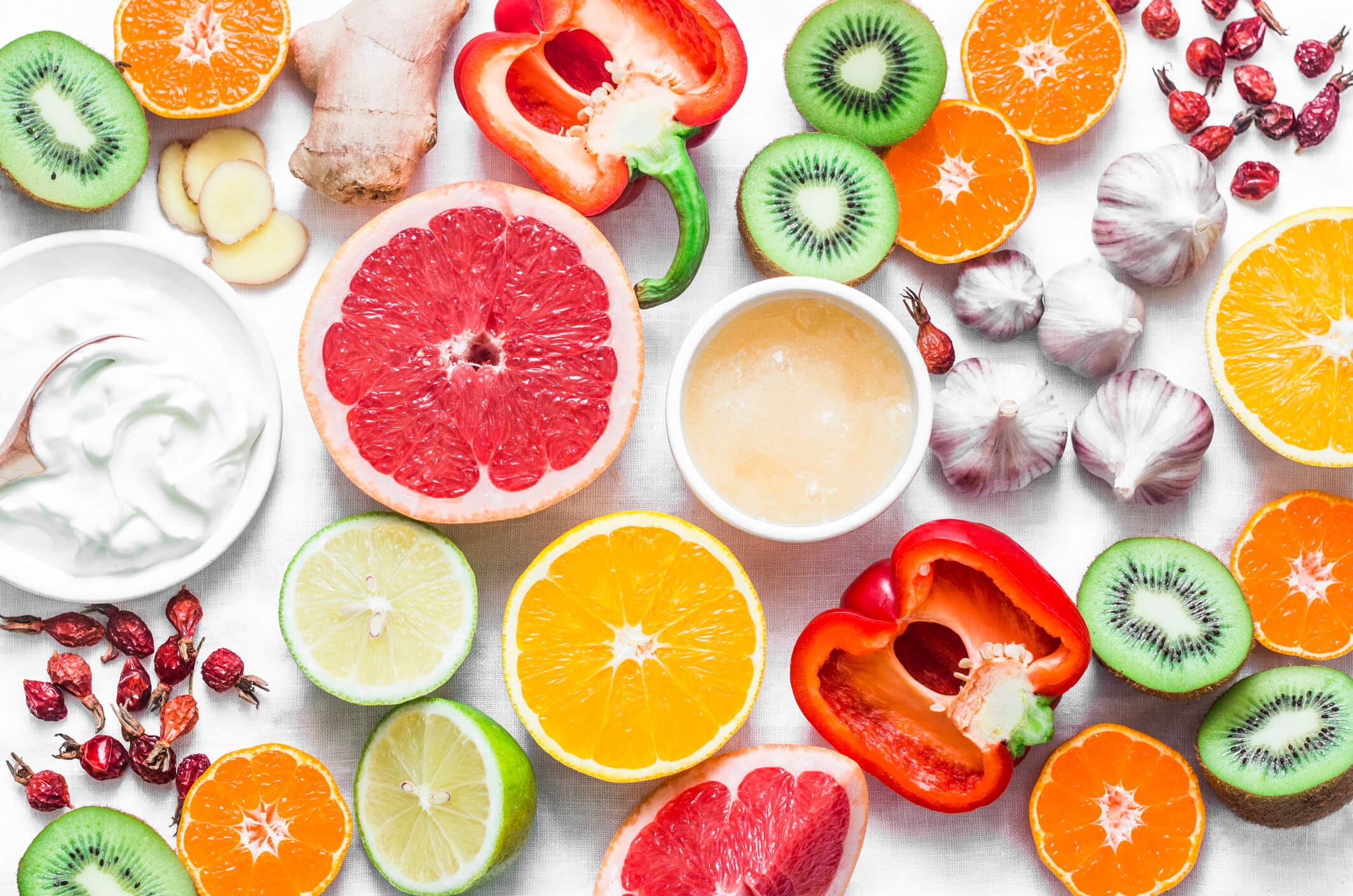
The immune system provides a robust anatomical barrier that serves as a host defense mechanism. One of these anatomical barriers is the gastrointestinal tract, inside which there are many defense mechanisms such as peristalsis, gastric acid, bile acids, digestive enzymes, flushing, thiocyanate, defensins and gut flora. The gut flora (microbiota) is a key focus for…
-
Probiotics Targeted for Immune Support
Most of us know that washing hands, getting plenty of rest, getting your vitamin D and eating a diet rich in antioxidants and various botanicals (such as Echinacea, Astragalus, Elderberry and mushroom blends) can help boost the immune system. But what other immune-boosting tactics might be missing from your medicine cabinet? To keep the immune…
-
New Study Discovers a Neuro-Immune Connection
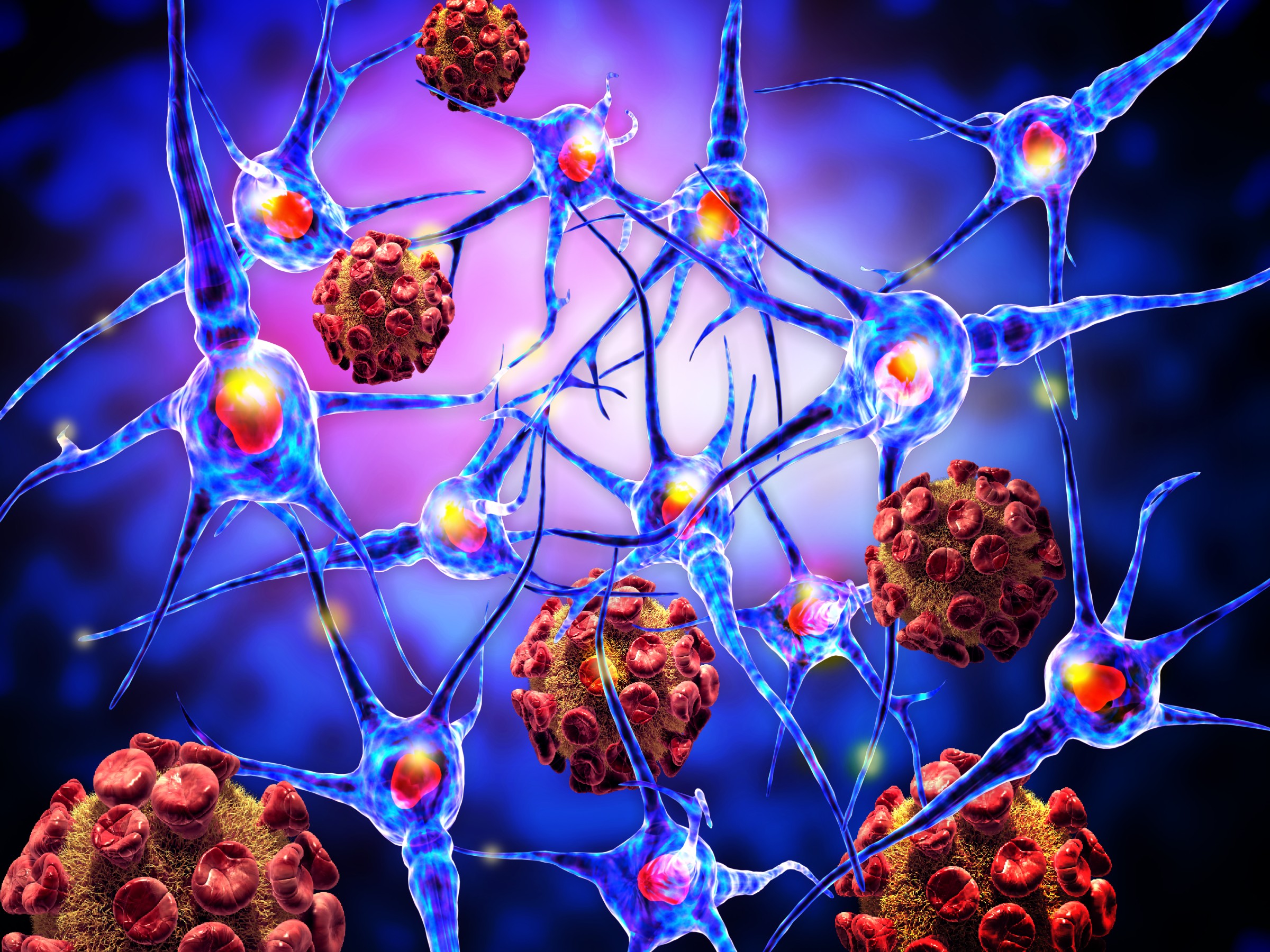
A research study by the University of Virginia (UVA) School of Medicine found new vessels that directly connect the brain to the immune system. This pathway was previously not thought to exist. Like every other tissue in the body, the brain is connected to the peripheral immune system through meningeal lymphatic vessels. Once in a…
Shop Our Brands: