-
Sleep Disturbance Impacts Immune Mechanisms

The function of sleep remains a lively topic as we are beginning to understand sleep helps with replenishment of brain energy stores, detoxification, restoration of function and brain connectivity/plasticity. Sleep also acts as a host-defense mechanism strengthening the relationship between sleep and the immune system.
-
New Study Explores How Probiotics Could Influence US Healthcare Costs
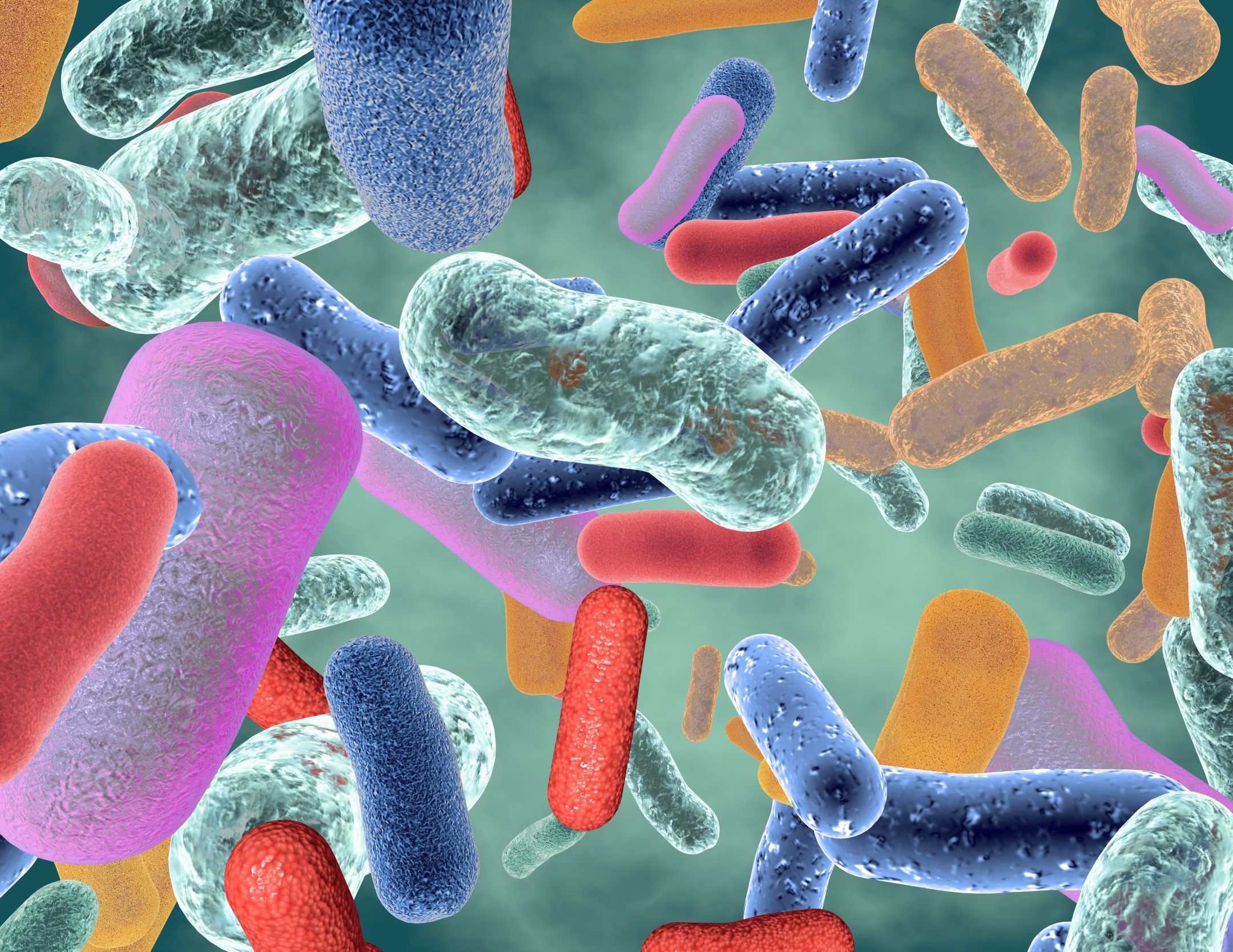
A new economic modeling study published in Frontiers in Pharmacology last month explored how probiotics can be used to reduce healthcare costs while “instilling a spirit of proactivity for healthcare providers”. Acute respiratory tract infections (RTI), pose a heavy burden on the US healthcare system and society at large. The study took the form of…
-
Amazonian Tribe Study Shows an Evolution of the Microbiota

A study presented in the journal Science Advances revealed key information on how the human gut microbiome is changing over time, which also influences our immune response.
-
How Alcohol Affects the Immune System

Advanced knowledge into the complex multi-layered interactions of alcohol on the immune system has been exposed in a wide range of research papers over the past decade, concluding that excessive alcohol consumption and misuse can have serious long-term deleterious effects on the immune system. Additionally, a mother who exposes her developing fetus to alcohol puts…
-
New Study Highlights Protective Effects of Zinc
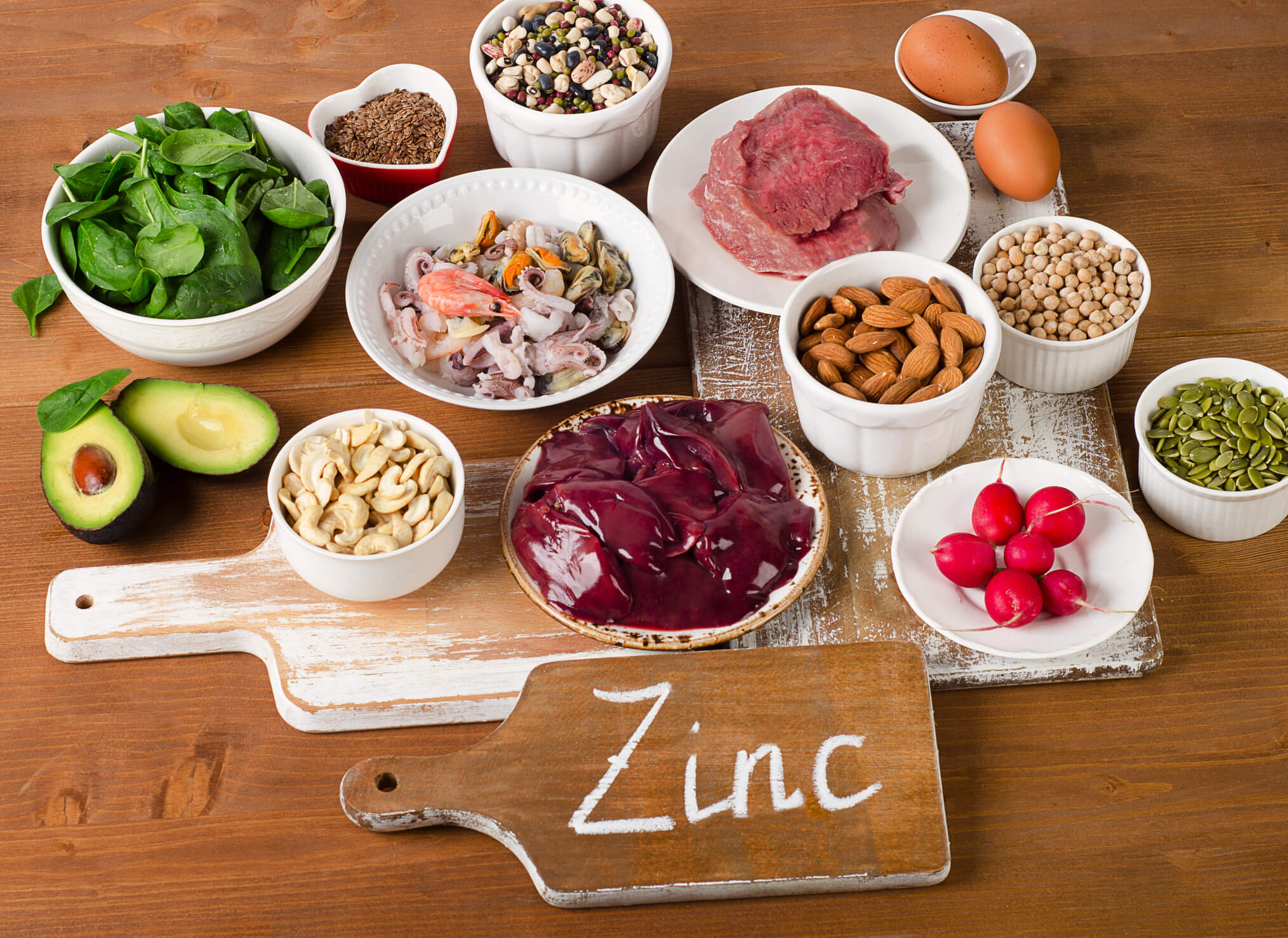
The connection between zinc deficiency and susceptibility to bacterial infection has long been known, but the exact mechanisms by which zinc provides protection remained elusive. That was until Professor Christopher McDevitt of the University of Melbourne led a research study that uncovered the link between dietary zinc intake and protection against Streptococcus pneumoniae. The study…
-
5 Foods to Eat During the Cold & Flu Season

As we step into the back-to-school mode, we start to set our goals. Then the cold or flu can swiftly and unexpectedly stop us in our tracks. The good news is that there are steps we can take to help support our immune system. Rather than getting on with business as usual, it’s generally a…
-
Scientists Pinpoint the Precise Mechanism That Decides the Fate of T Cells

A revealing study led by Hongbo Chi, Ph.D of St. Jude Children’s Research Hospital in Memphis has isolated a protein complex that impacts the normal development of T cells. Mounting evidence shows that the metabolism plays a key role in the development of the immune system. However, this study established the exact protein complex that…
-
9 Ways to Strengthen Children’s Immune Systems

The immune system is not one single entity – it’s a complex interconnected system that evolves as we age. Apart from fighting viruses, bacteria, fungi and parasites, the immune system also plays an important role in tissue repair – wound healing, elimination of dead cells, and formation of gut microbiota. In babies, the immune system…
-
Prenatal Pesticide Exposure Linked to Changes in Teen’s Brain Activity
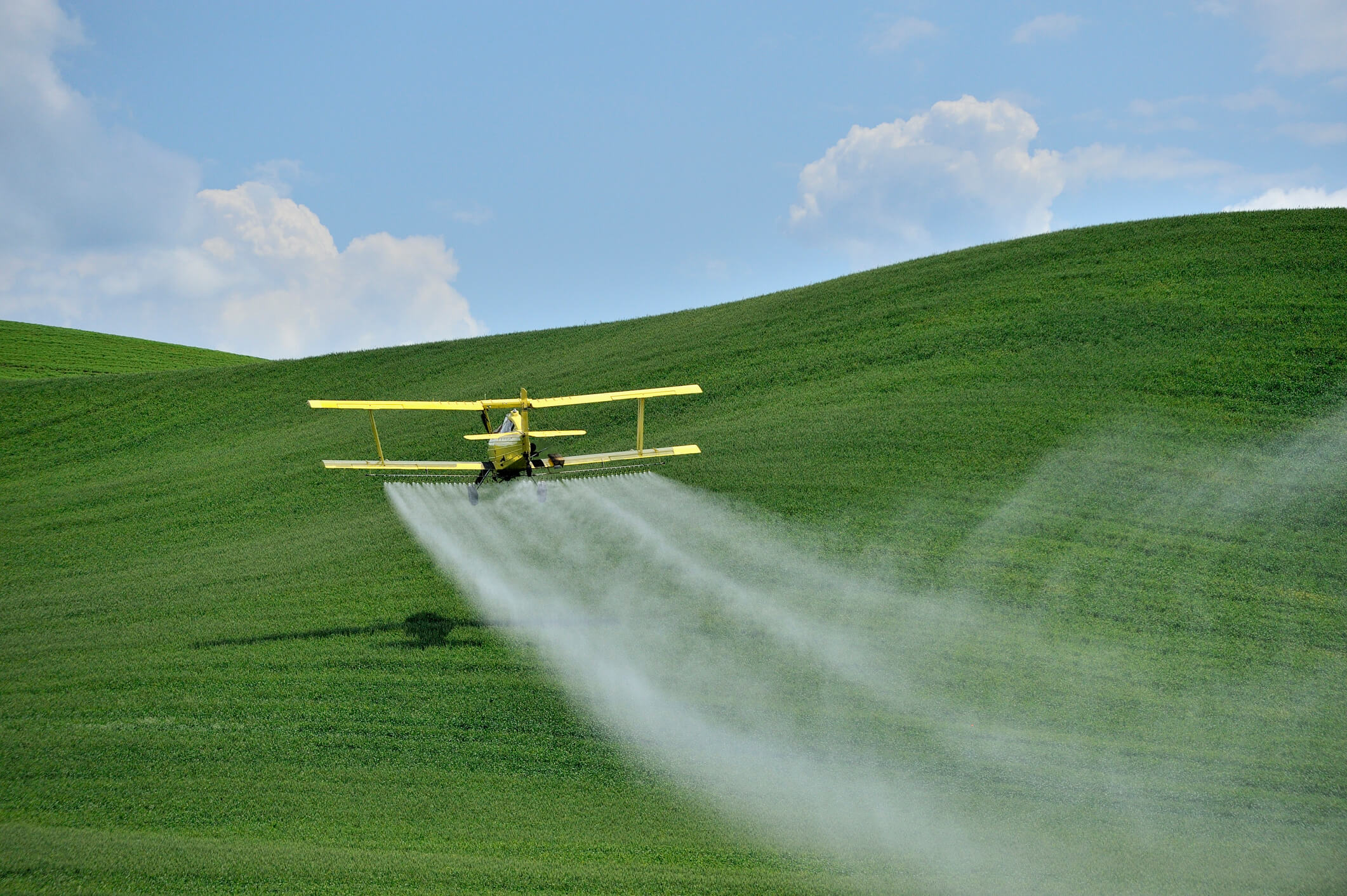
A new study using advanced brain imaging is one of the first to reveal how exposure to organophosphate pesticides (OPs) changes the brain. Over 800 million pounds of pesticide active ingredients are applied in the USA each year, and OPs are the most common type of insecticides among them. The predominant route of exposure to…
-
Demystifying Detoxification
The word “detoxification” can trigger a lot of negative responses from people. When we think “detox,” we think discomfort or something we are afraid to do. Everyone has a friend who has some kind of detox story, and fears range from, “Will I be starving?” to “Will I be in the bathroom all day?” Detox…
-
Current Advice about Eating Fish
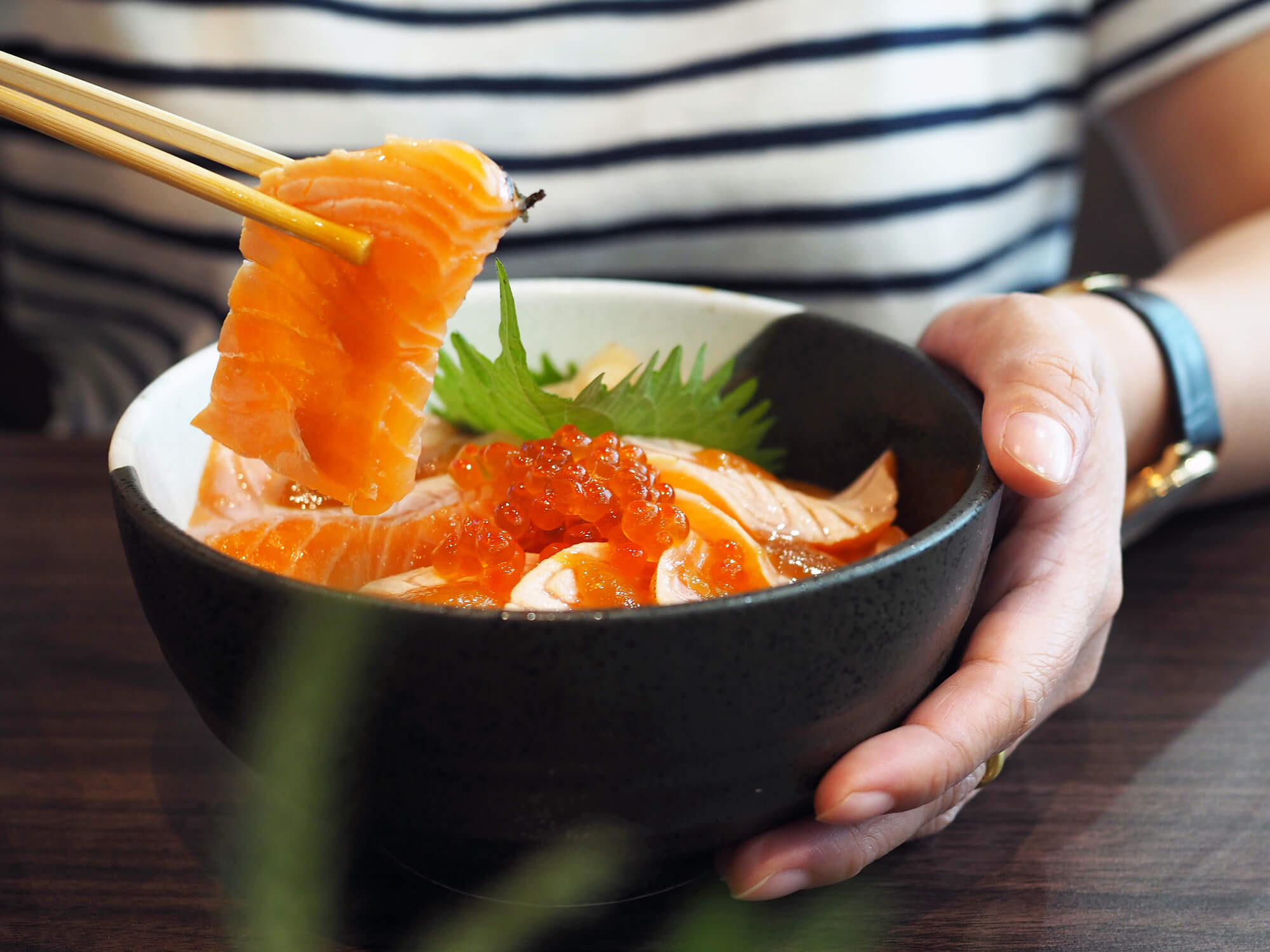
The FDA and EPA have published advice on eating fish, a protein-rich food recommended for everyone, including pregnant and breastfeeding women, women planning to conceive, and children who are 2 years and older. This resource states that eating fish may also offer heart health benefits and lower the risk of obesity. FDA seafood recommendations are…
-
Lighten Up with Lithium

Lithium (Li) or “lithos” from the Greek word for “stone” was discovered in 1817 by Johan Arfvedson of Sweden. Lithium is usually sourced from hard rock mineral mining or extraction from mineral-rich brines. Current literature also explores agro-mining using plants to abstract the trace element from the soil, which accumulates in the above ground parts…
-
Breakthrough Microbiome Study Links Gut Health with Autism

A study published in Nature revealed that improving the gut microbiota could be a potential target in addressing Autism Spectrum Disorder (ASD). While it is known that the gut microbiota impacts health in many ways, it seems that modulating gut bacteria may also help to mitigate autism symptoms.
-
5 Ways to Promote Bile Production to Optimize Nutrition
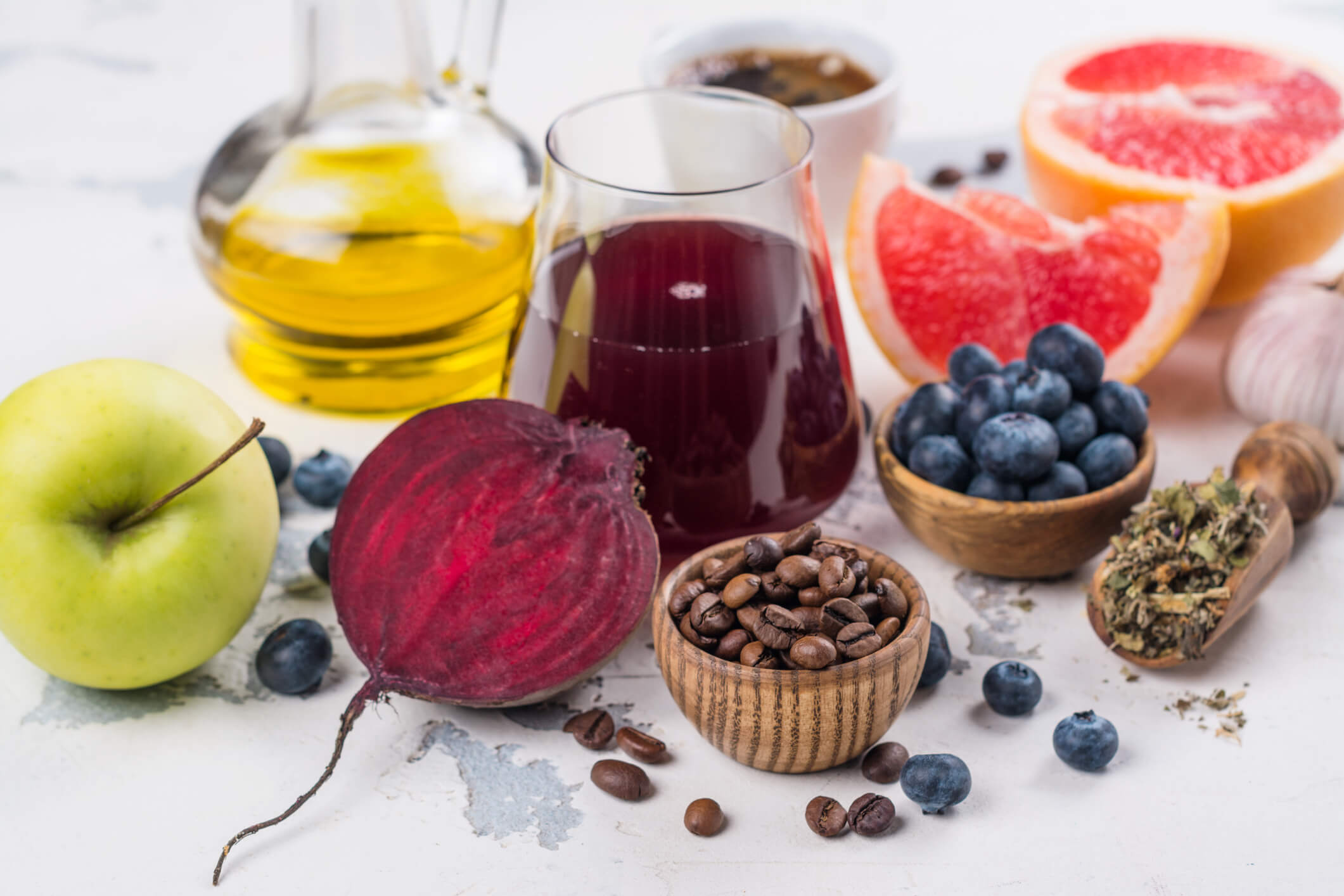
Bile is a vital body fluid that plays an important role in the absorption of nutrients in the small intestine as well as flushing the liver of toxins. Bile is continuously produced in the liver by cholesterol oxidation and conjugated to glycine and taurine, and subsequently stored in the gallbladder. Bile also works as a…
-
New Paper Reveals Three Finite Vascular Responses that Cause Cardiovascular Disease
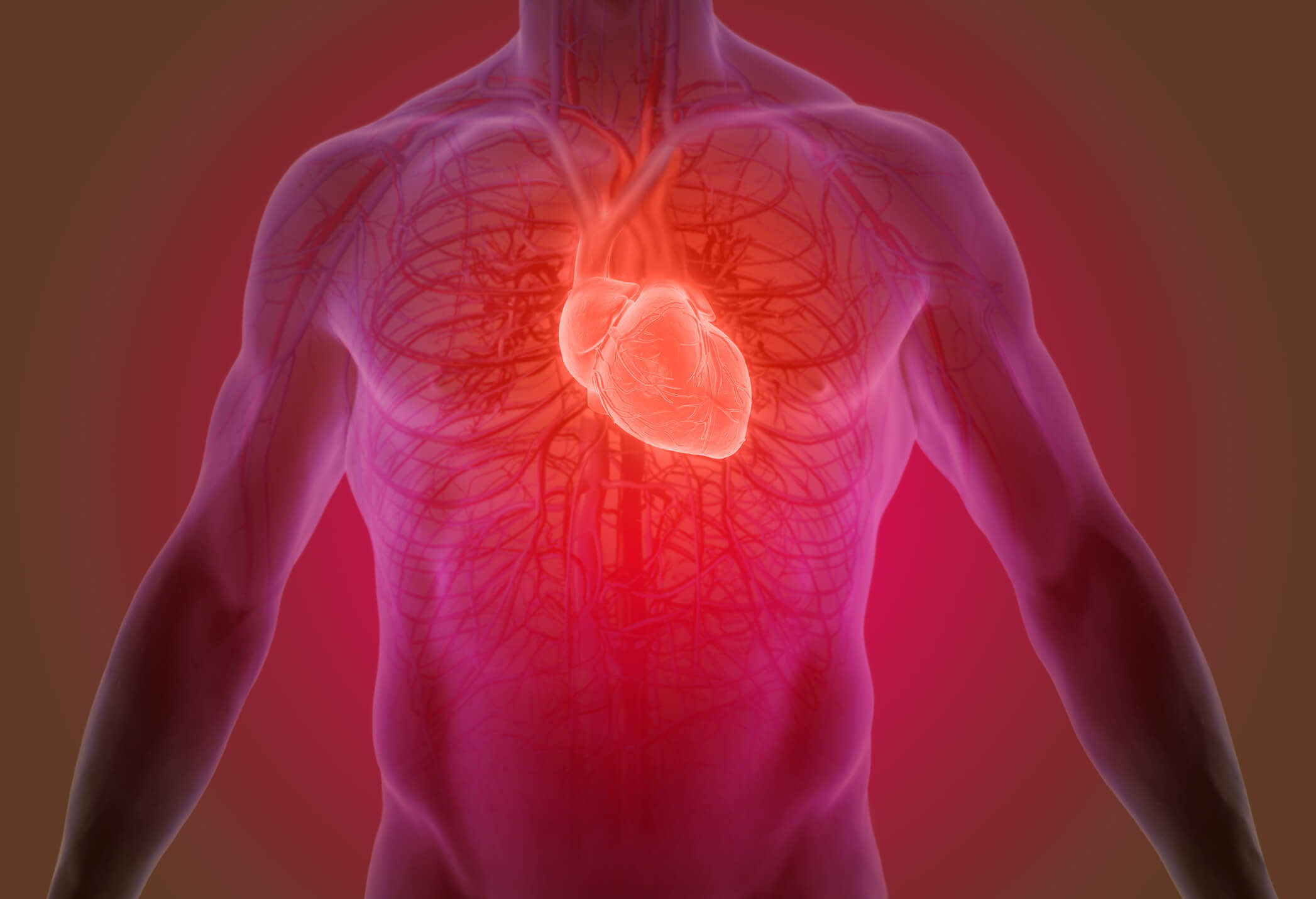
New research by Mark C. Houston, MD, MS, MSc, FACP, FAHA, FASH, FACN, FAARM, DABC, Director of the Hypertension Institute and Vascular Biology, provided a comprehensive, logical and in-depth approach to the treatment of heart disease. He stated “Approximately 80% of coronary heart disease (CHD) can be prevented by optimal nutrition, optimal exercise, optimal weight…
-
Boost Your Athleticism with Magnesium
During exercise, magnesium (Mg) is dispersed throughout the body, and utilized where it’s needed most. Magnesium is a cofactor for more than 600 enzymatic reactions, responsible for building tissue and bone, as well as being a conduit for the nervous system. Magnesium is found in every cell in the body and has a critical role…
-
Can You Sleep Extra Hours on the Weekend to Repay Your Sleep Debt?

Sleeping more on the weekend to recover from sleep lost during a busy workweek is very common. Yet, recent study findings suggest that sleeping more on the weekend is not an effective strategy, and still leads to metabolic dysregulation and a higher risk of metabolic problems such as obesity and diabetes. The study examined the…
-
Soothe the Central Nervous System with L-Theanine

L-theanine, also known as L-γ-glutamylethylamide and N⁵-ethyl-L-glutamine is a non-protein amino acid that’s naturally occurring in some plants and fungus. Theanine is the name given to L-theanine when it is used as a food supplement, which is permitted in many international locations. Most famously L-theanine was found to be an active ingredient in green tea…
-
Newly Discovered Metronome Neuron Cells
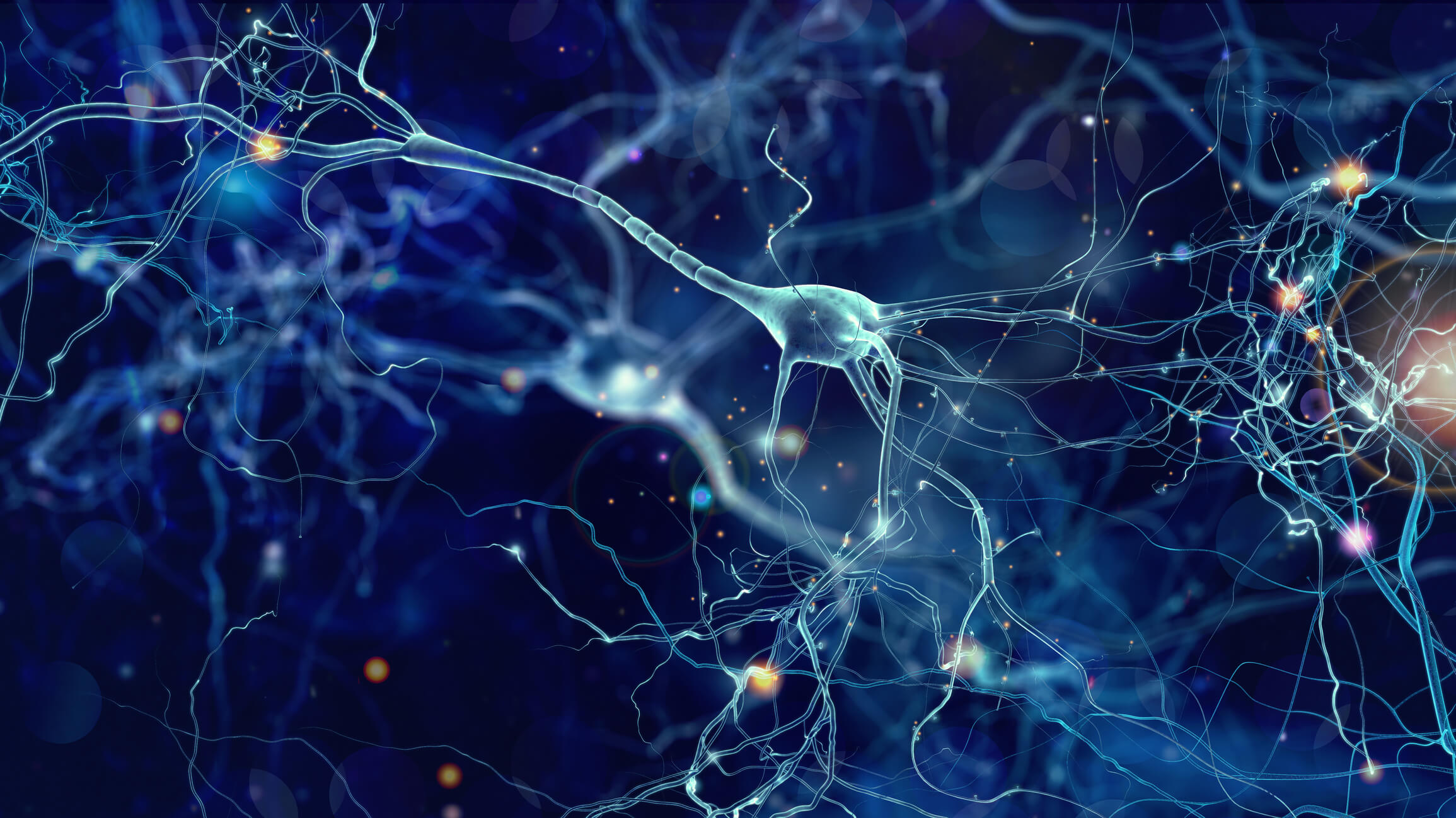
A recent study carried out by Brown University neuroscientists discovered new metronome neuron cells in the brain. This exciting discovery may shed light on the brain’s long-hypothesized internal clock and possible methods to increase sensitivity in the brain. The metronome neuron cells oscillate at approximately 40 cycles per second, which makes them “gamma waves” or…
-
Healthy Brainwaves to Increase GABA
How our brains function is more complex than ever imagined. For a long time, the brain was thought to be compartmentalized, specialized and fixed. In fact, in the 1970’s a group of neuroscientists set out to prove that was the case. Interestingly neuroplasticity was discovered while trying to prove quite the opposite. The truth is,…
-
One Episode of Binge Drinking Can Alter Genes that Affect Sleep

Just one episode of binge drinking can alter your sleep genes. That was the shocking finding of a study released by the University of Missouri School of Medicine. The study was intended to understand the mechanisms of how sleep deprivation may contribute to alcoholism in humans. It explored how binge drinking effects sleep, which it…
-
Snooze, You Lose
Sleep and weight is a two-way street. Lack of sleep can lead to weight gain; weight gain can lead to lack of sleep. Take steps to break those tight links and your weight, energy, and overall health will improve.
-
Relax with Passionflower
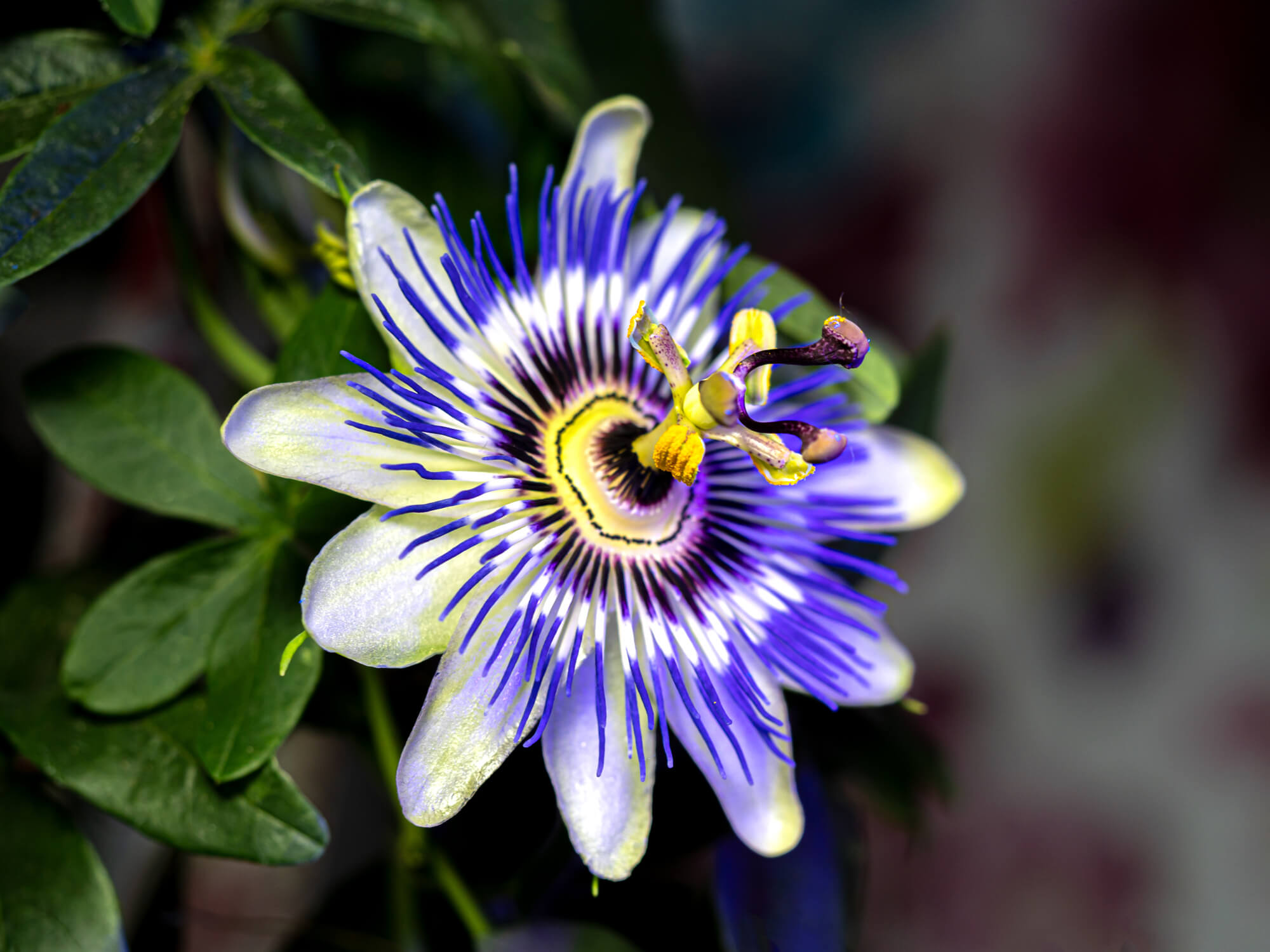
Passiflora caerulea, also known as blue passionflower, is one of the most vigorous and tender members the passionflower genus Passiflora. Native to South America, its traditional use has been as an anxiolytic. According to the American Botanical Council, the components of the fruit and flower that confer therapeutic benefits include maltol, chrysin, coumarin derivatives, flavonoids…
-
Top 4 Herbs That Promote a Good Night’s Sleep

We’re experiencing a worldwide lack of sleep. With people’s busy lives, sleep is not often a top priority and life can easily become overwhelming. Japan has the worst national average with just 5 hours and 59 minutes spent in bed. This statistic doesn’t take into account their propensity to take a quick “inemuri” in the…
-
L-Theanine Assists the Transition From Waking to Sleeping

The physiological process of falling asleep does not happen “in a moment.” It is a gradual transition that involves moving from an alert mental state, characterized by beta brain waves, to a relaxed one, signified by alpha brain waves, until finally entering the theta waves of light sleep. Several human clinical studies have shown that…
-
9 Foods with UV-Protective Effects

Evidence suggests that diet can significantly alter how the skin responds to sun exposure. The epidermis is a highly regenerative barrier that protects the body from the external environment, including protection from UV radiation and pollution. Skin-healthy foods should be enjoyed raw (when possible) to benefit from their bioactive nutrients. Eating these nine foods will…
-
Vacation is Good for the Heart

A new medical study from Syracuse University led by Bryce Hruska and Brooks Gump revealed the tangible heart protective effects of going on vacation. We all “feel” the benefits of vacation, but are yet to fully understand the underlying mechanisms behind the health benefits. To assess the health of the participants the researchers monitored markers…
-
7 Ways to Promote Stem Cell Proliferation
From time to time, science is turned on its head by irrevocable, ground-breaking discoveries. In 2006, the Nobel Prize winners, Kazutoshi Takahashi and Shinya Yamanak, did just that, when they discovered that skin cells could be reprogrammed and become ‘induced’ pluripotent stem cells (iPSCs). This opened the door for a whole new era of research…
-
New Study on Time-Dependent Effects of Exercise

Two new interdependent papers have been released studying time-dependent effects of exercise. The studies show that exercising at different times of the day can modulate the outcomes, showing promise for athletes looking to up their game. Circadian science studies systemic energy homeostasis and metabolic pathways in relation to the body’s in-built circadian rhythm.
-
9 Essential Nutrients for Healthy Skin

An average adult has two square meters of skin covering their body. Not only is it the largest neuroendocrine organ in the body, it’s also the largest detoxification organ. The appearance of the skin mirrors physical and emotional health due to the gut-brain-skin connection. As with other areas of the body, oxidative stress and free…
Shop Our Brands: