-
Mineral-Rich Diet Beats Exercise for Bone Health
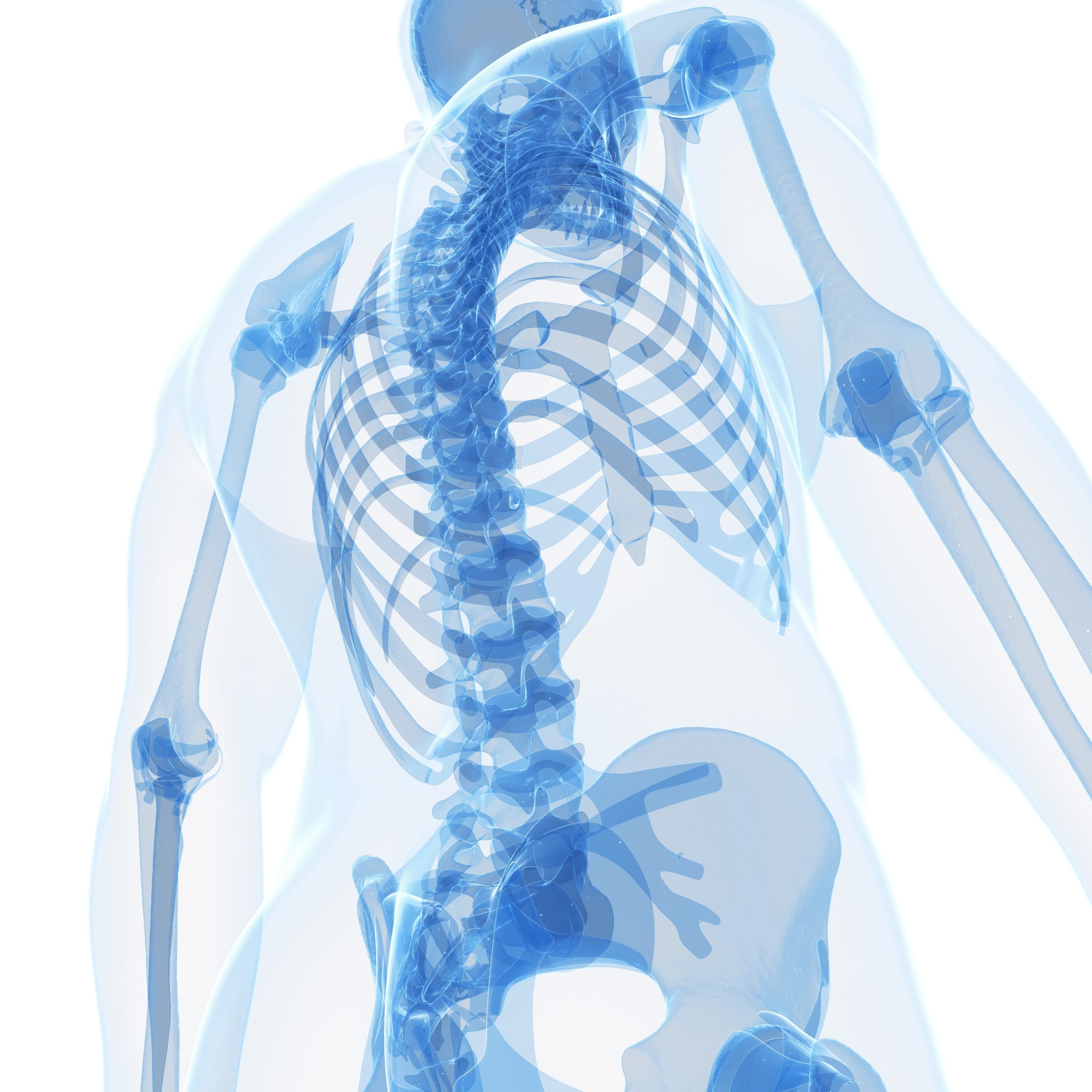
Exercise has always been highly recommended for maintaining bone mass and strength as we age, but there could be more to this story. A recent mouse study at the University of Michigan has demonstrated that a mineral-supplemented diet (high in calcium and phosphorous) had an even greater impact on bone density than exercise. The groups…
-
What Can Brown Fat Do for You?

We often hear about fat in our foods — good fats, bad fats, fake fats. And the debate has been raging for decades over which fats are good for what and whether fat intake actually makes us fat. Everyone seems to know where the Academy of Nutrition and Dietetics and Gary Taubes stand on the…
-
Effects of Sleep Loss on Weight Gain

For a number of reasons, sleep loss has been associated with weight gain whether it’s because of an increase in appetite due to hormonal imbalances or craving sugar-laden products to stay awake. Few studies, however, have focused on underlying tissue-specific molecular responses to acute sleep loss. In a recent study, adipose and skeletal tissues were…
-
Tiny Seed, Big Health Benefits
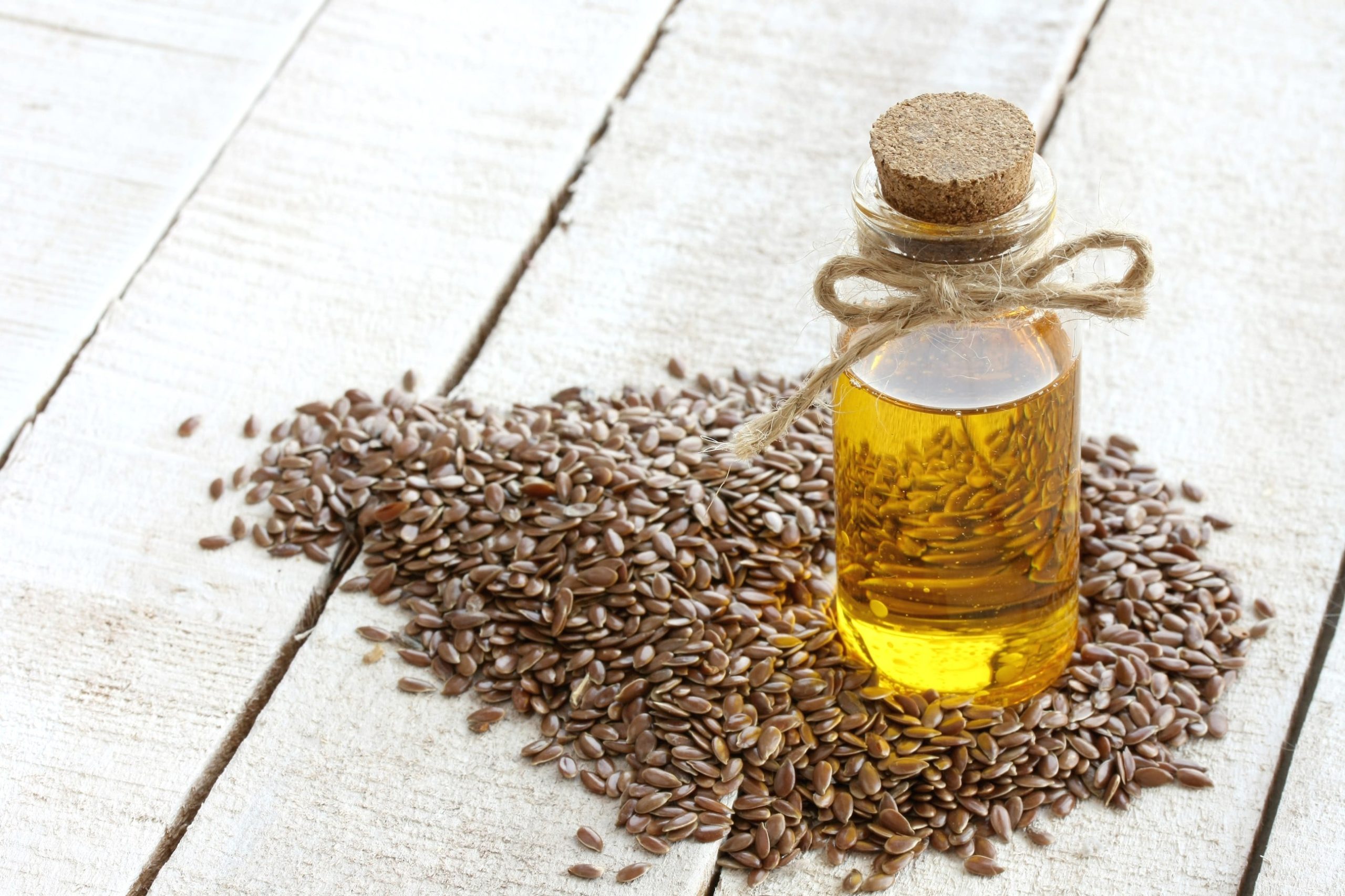
Flaxseed, known as a vegetarian source of omega-3 fatty acids, may also have the added benefit of promoting hormonal health. Although phytoestrogens are similar to estrogen, their role is not completely understood as having a positive or negative influence on women’s hormonal health, particularly those with a history of hormone-linked cancers. However, for women with…
-
SNPs Involved in Manganese Deficiency

According to a new study, scoliosis, a curvature of the spine, may be linked to the body’s inability to utilize manganese. In this exome-wide association study of 457 severe adolescent idiopathic scoliosis (AIS) cases and 987 controls, they observed “a missense SNP in SLC39A8 (p.Ala391Thr, rs13107325) associated with severe AIS (P = 1.60 × 10⁻⁷,…
-
Infertility on the Rise?

In the United States, approximately 10% of couples are infertile, and the number could be as high as 8-12% worldwide. With rising infertility rates, and the culpability pointing to factors such as environmental toxin exposure, genetically modified organisms (GMOs) and water contamination, the data looks grim for the next generation. But that’s not the whole…
-
Berberine and Blood Sugar

Berberine has become synonymous with supporting the maintenance of healthy blood sugar levels, as well as having benefits for the gut, brain and heart. A recent article delves into the biological mechanisms of this botanical to confirm its influence on blood sugar. Although not fully understood, the pathogenesis of Type 2 Diabetes Mellitus (T2DM) seems…
-
5 Lesser-Known Benefits of Vitamin D
Vitamin D, commonly dubbed the “sunshine vitamin,” is an essential micronutrient produced by the body when exposed to sunlight. Generally speaking, most people require 10-30 minutes of decent exposure to sunlight, 3-4 times a week in order to naturally synthesize enough vitamin D. However, factors such as genetics and where we live also play a…
-
BPA Disrupts Insulin Response
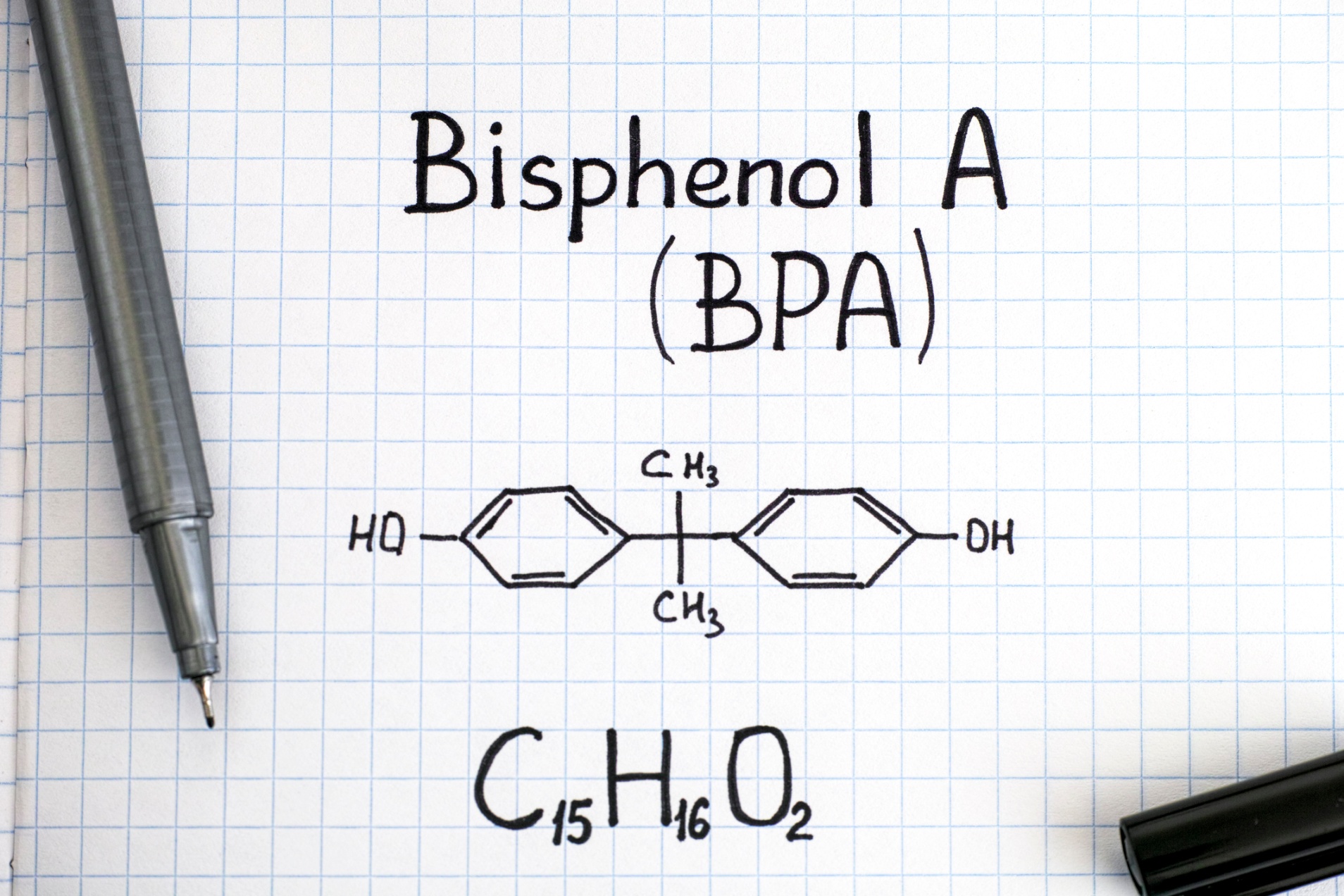
In a previous blog, we discussed the mechanisms by which Bisphenol A (BPA), a compound used to make polycarbonate plastics and epoxy resins, induces undesirable weight gain. By disrupting the entire adipocyte metabolism and inducing a pro-inflammatory state, BPA is considered an “obesegen”.
-
For Better Sleep, Turn Off the Blue Light

Causes for sleep disorders are many, and may include issues such as chronic pain, stress, shift work, jet lag or nocturia. Not planning for sleep, drinking too much caffeine or alcohol, or eating too close to bedtime can also contribute to not getting enough sleep; so may something as seemingly harmless as returning a text…
-
The Vagus Nerve Links to Reward Circuitry
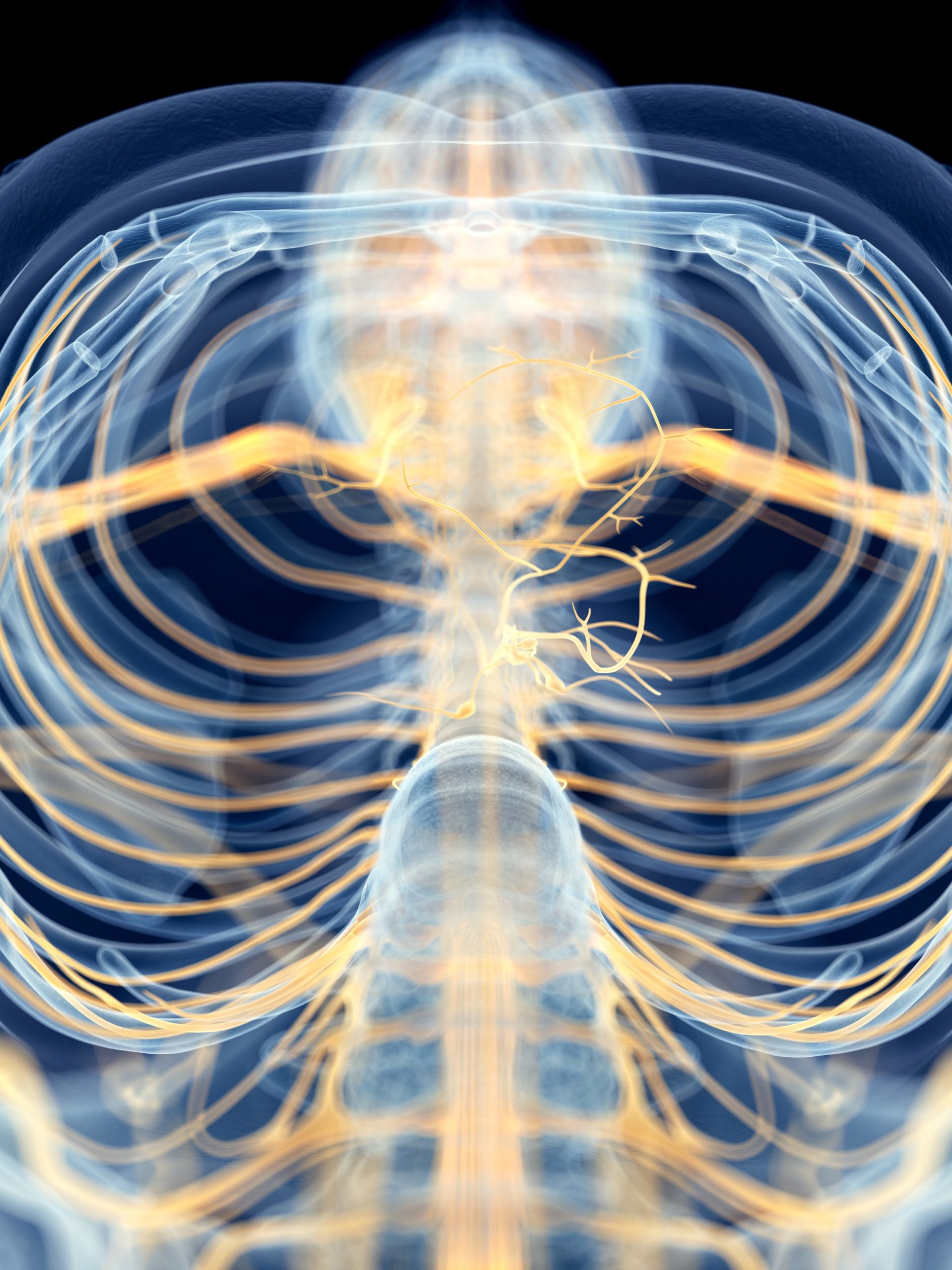
The vagus nerve continues to make news as a significant player in the gut-brain connection. Once considered a nerve that primarily mediates suppressive functions such as fullness and nausea, recent research conducted at the Icahn School of Medicine (and published September 20 in the journal Cell) has established the vagus nerve as an essential component…
-
Probiotics with a Purpose
Probiotics are classically defined as a “preparation of, or a product containing viable, defined microorganisms in sufficient numbers, which alter the microbiota in a compartment of the host, and exert beneficial health effects in the host”. Their use can be traced back 10,000 years ago even before the awareness of probiotic microorganisms through the widespread availability…
-
Breast Milk Provides Food Allergy Protection

Replicating the nourishment found in mother’s milk has been a challenge, especially since science continues to reveal its complex composition. Previous research indicates breastfed children have a lower risk of certain medical conditions, such as wheezing, infections, asthma and obesity. Identifying specific components that influence immunity is key to identifying a potential for therapeutic interventions.…
-
6 Foods that Foster the Microbiome
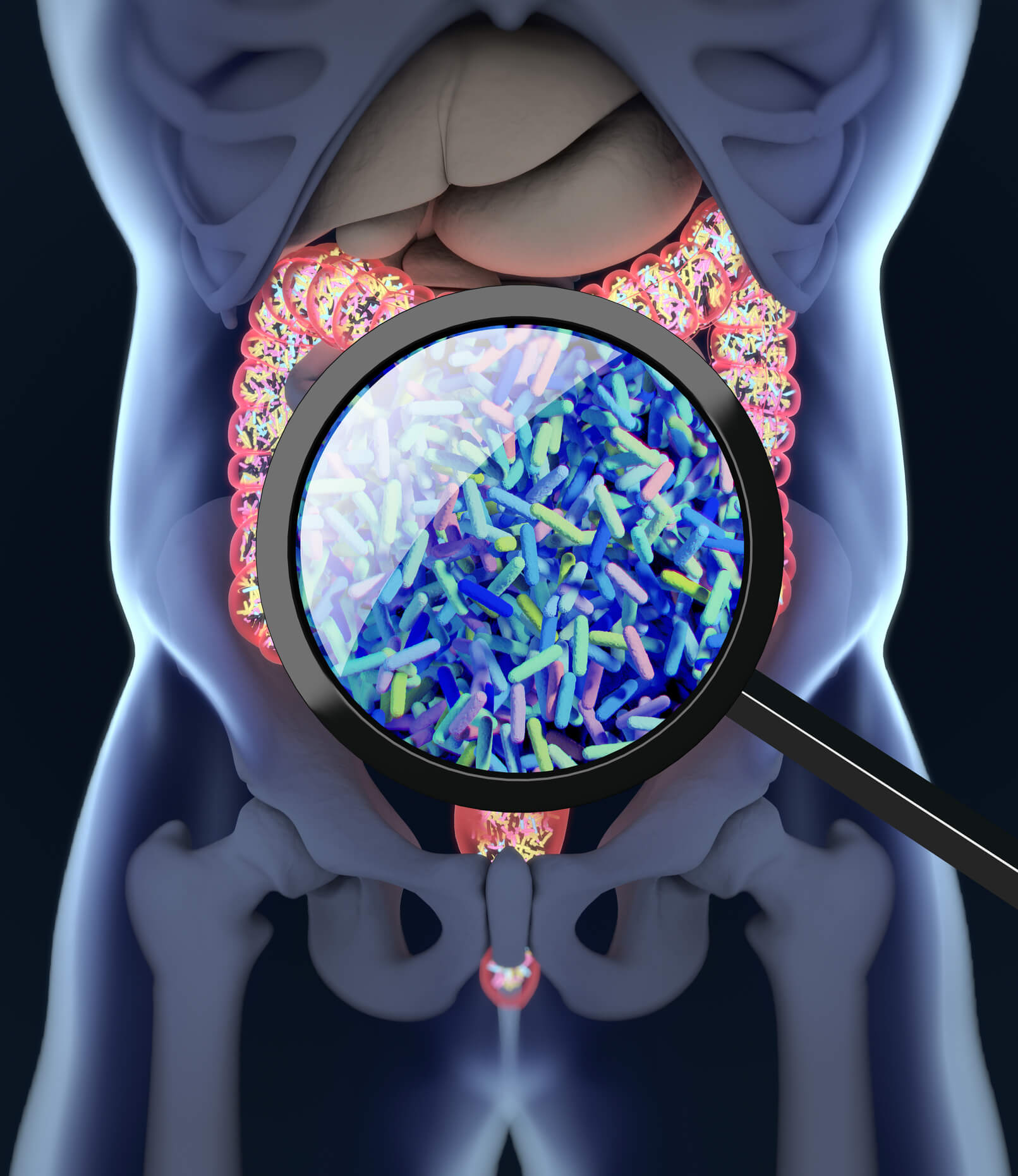
“We are what we eat” should actually say, “We are what our microbes eat.” In fact, what we eat immediately and profoundly influences our gut microbiome, which then determines our health. With trillions of microorganisms including bacteria, viruses, fungi and protozoa, taking residence in our guts, it’s no surprise they play significant and precise roles…
-
Exercise and Improved Cognition

A new study by a Massachusetts General Hospital research team found that exercise is one of the best ways to turn on neurogenesis, the process of producing new neurons. Neurogenesis takes place in the hippocampus and striatum, and is essential to learning and memory. Because beneficial effects on cognition are often blocked in patients with…
-
DHA Pathway to the Brain
The health benefits of two omega-3 fatty acids, eicosapentaenoic acid (EPA) and docosahexaenoic acid (DHA), seem indisputable and range from improved cardiovascular risk factors and body composition to promotion of healthy inflammatory pathways. Lately, however, DHA has received a brighter spotlight of attention in the news due to its ability to influence the structure, function,…
-
CoQ10 Benefits Inflammation
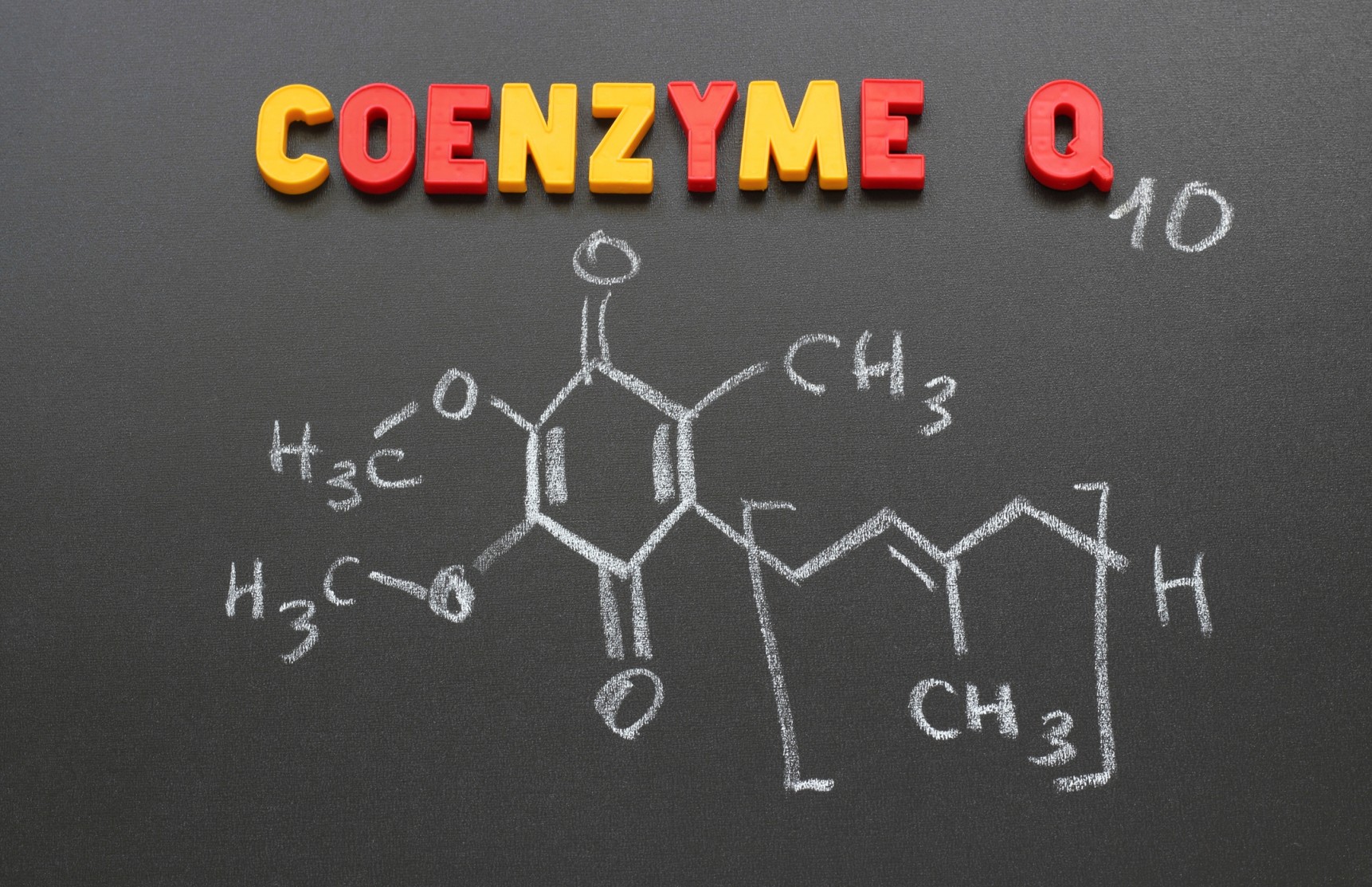
Many metabolic diseases can be attributed to chronic inflammation. The effect of Coenzyme Q10 (CoQ10, ubiquinone-10) on inflammatory markers in patients with metabolic disease has recently been evaluated. CoQ10 is a compound produced by the body and stored in the cell’s mitochondria. It not only acts as a key cofactor in the mitochondrial electron transport…
-
L-Glutamine – Old Dog, New Tricks
L-glutamine – not the new shiny supplement to wow the nutrition world, but a tried-and-true amino acid that continues to impress us with its relevance and potency as a healing ingredient. For years, we’ve known about the importance of L-glutamine in athletic recovery, maintaining lean muscle mass, restoring gut health, and supporting the nervous system,…
-
Veggies Boost Probiotic Benefits

Taking probiotics with a Big Mac might not do you any good at all, according to an article published by the Division of Immunology at Harvard Medical School. In fact, The Western diet, very low in dietary fiber, has shifted our gut microbiota to become less diverse than more traditional diets, which is wreaking havoc…
-
Fishing for Omega-3 Solutions in Pregnancy

Hosting a baby as an expectant mother is a challenge these days, with what can endearingly be called the “Food Fear Factor”. Talk of GMOs and toxins have the average person running scared from the grocery store, never mind the mom who has total and complete responsibility for the welfare of another growing human. As…
-
Balancing Blood Glucose with Bicarbonate

Bicarbonate is an important pH regulator in the body and serves as a major part of the intracellular buffer system. Although much is known about its involvement in many essential human metabolic processes, there is not a lot of data about the association between serum bicarbonate and glucose metabolism.
-
Astrocytes, Star of the Glial Show
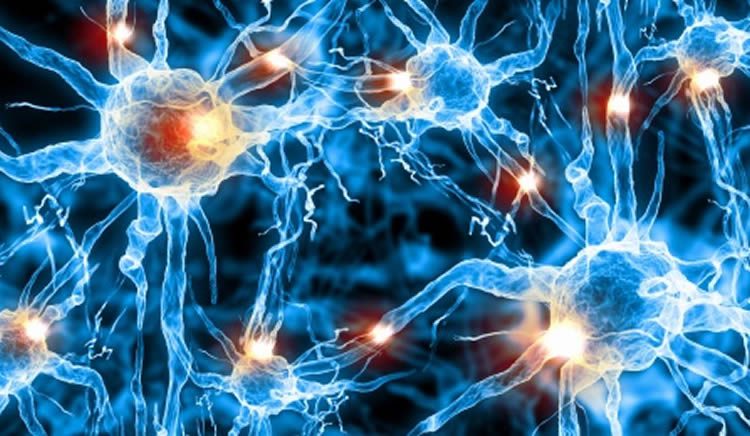
The brain is truly an amazing organ that takes all the credit for man’s ingenuity. From the mastery of daunting foreign languages, to the ability to solve complex problems in multi-variable physics, the brain’s ability to excite and amaze is limitless. Behind all of these amazing processes, though, are various groups of cells, closely connected…
-
B’s and Omega-3’s: Better Together for Brain Health

Too often, we look at the physiological effect of different nutrients in isolation, however, more and more research is uncovering the synergistic benefits of nutrients in combination. Take omega-3s and B vitamins, for example. An unlikely pair, they have been shown to work better together when examining brain health and cognition. Research has already determined…
-
CoQ10 and Oral Health

Coenzyme Q10 (CoQ10), a natural antioxidant synthesized in the body and known to enhance energy, has recently received the spotlight for oral health. With its ability to generate cell energy, CoQ10 may be able to provide faster healing and better tissue repair within the gums.
-
Create Calm with Adaptogens
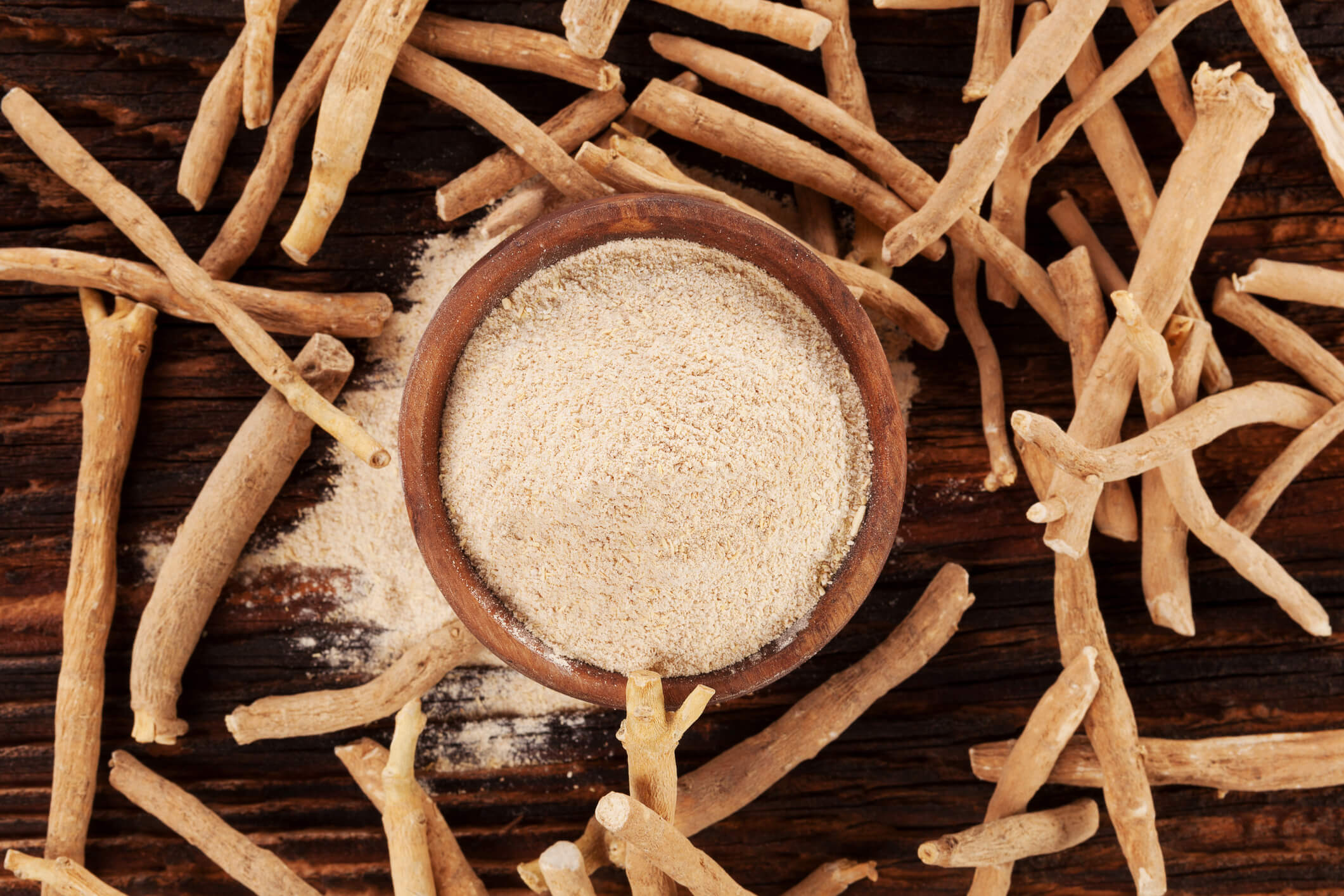
At some point in our lives, we all experience some degree of anxiety or stress. It seems almost inevitable. Because stress can be at the root of many health issues, its management or alleviation is critical. Intuitively, people know that being in a calm state is the best foundation for a healthy life and, throughout…
-
Vitamin D Toxicity

Everywhere we turn, we hear about the merits of supplementing with vitamin D, particularly when the sun disappears during long winter months. Vitamin D supplementation has been positively correlated with the support of the immune system, and cardiovascular and bone health. However, oftentimes vitamin D supplementation is patient driven, and not directly prescribed and monitored…
-
King of Antioxidants: Glutathione
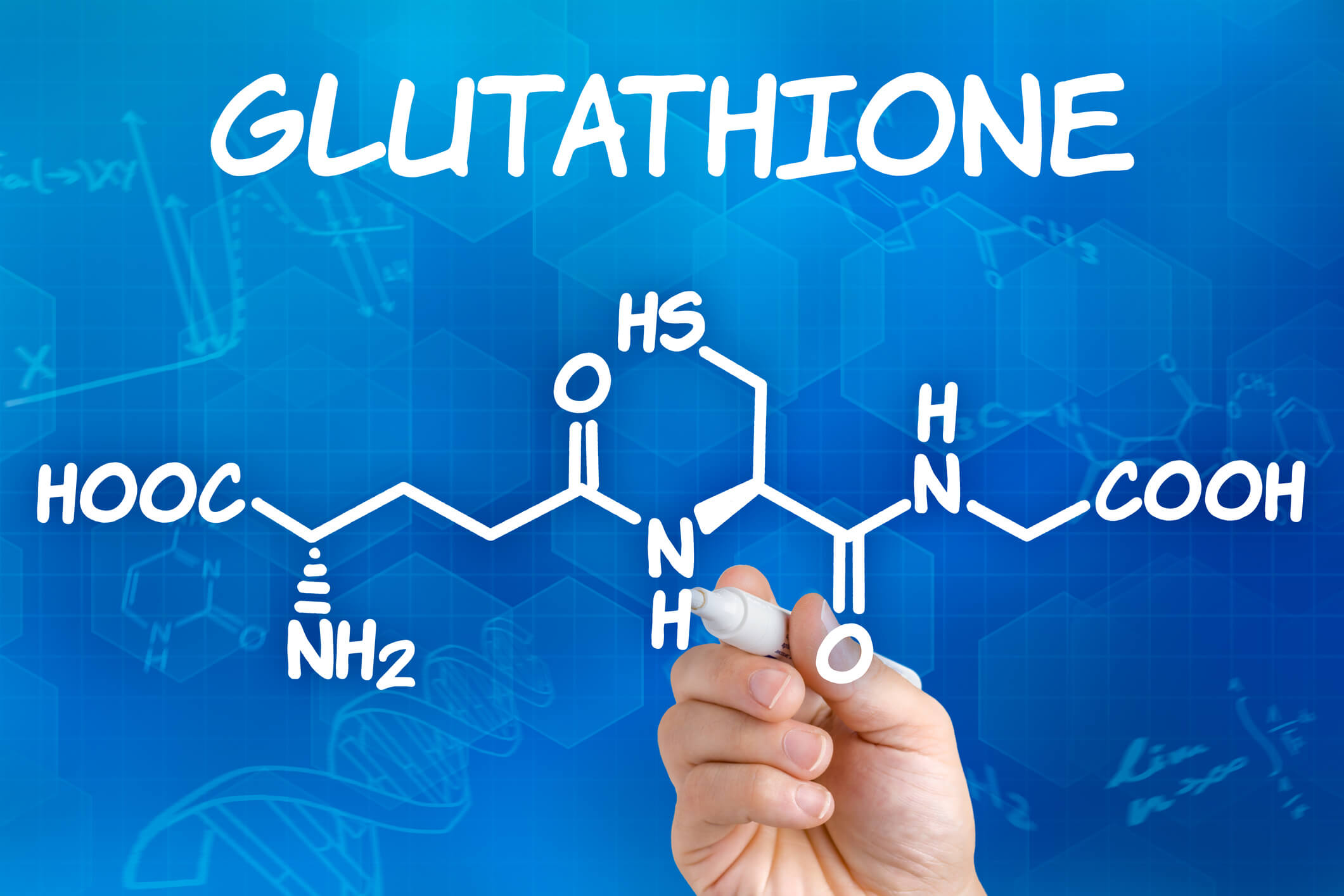
Antioxidants are defined as substances that inhibit oxidation, which left unchecked produces free radicals triggering a number of chain reactions that lead to cellular damage. Luckily, our bodies produce these built-in defense mechanisms, but if mounting reactive oxygen species (ROS) cannot be neutralized (picture a small fire that grows out of control when gassed with…
-
Weighing in on Keto
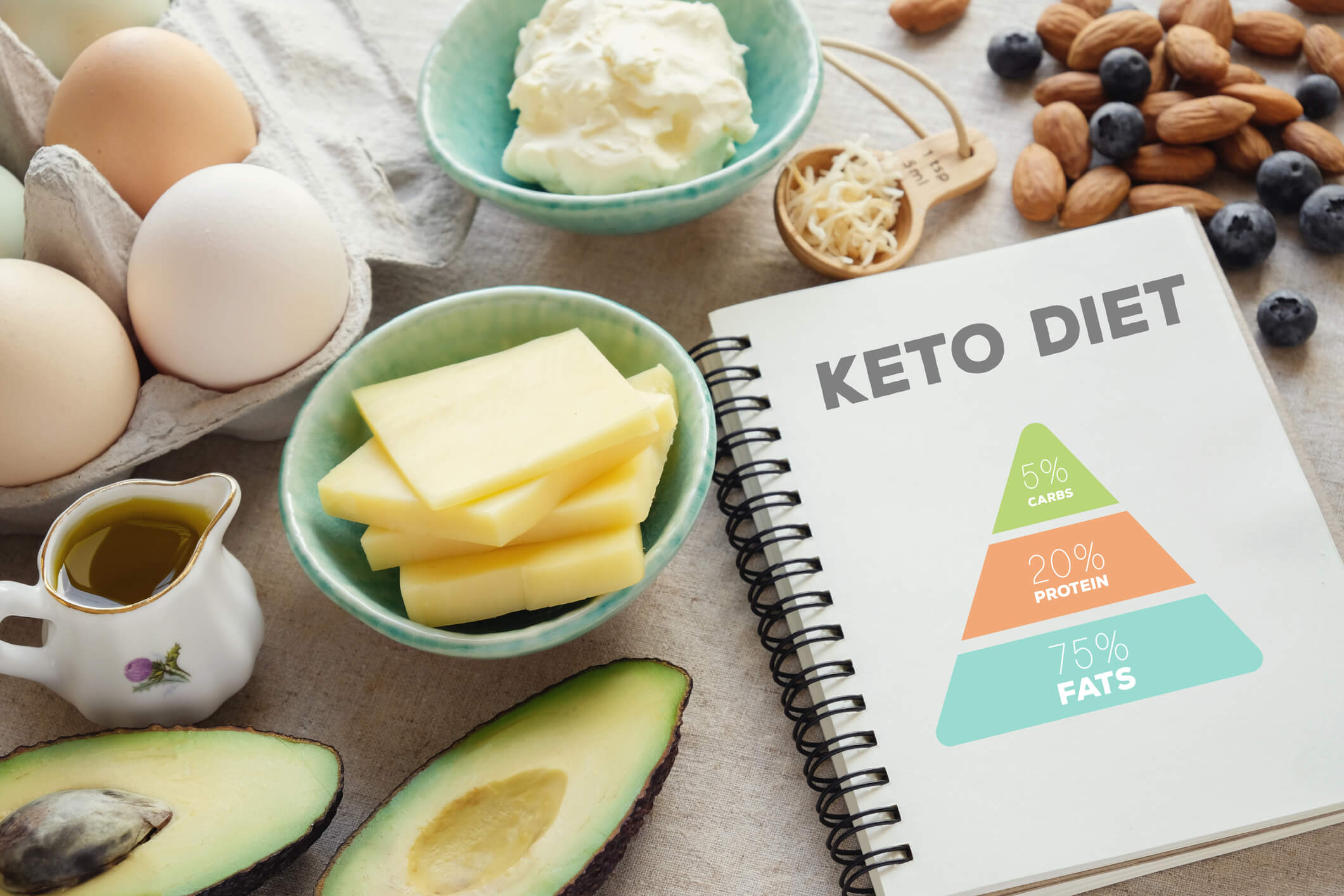
In spite of a continued surge in online reading and interest in the ketogenic diet, exactly where are we with this dietary pendulum swing from the fat-eating fears of the 1980s? People seem obsessed with the latest diet fads and trends in order to maintain a healthy weight and promote general health. Long-standing research has…
-
Sunscreen Ingredient Linked to Diabetes

With the summer sun shining, more and more people are reading the ingredients lists on their sunscreen containers. Handily, the Environmental Working Group (EWG) has compiled a list of chemicals in sunscreens to be on the lookout for. However, the information listed doesn’t include a recent study on the potential toxicity of titanium dioxide (TiO2).…
-
Botanicals for a Better Sleep

Imagine waking up fully rested, ready to tackle any challenge and embrace all the pleasures of the world with gratitude. We all know what a good night’s sleep feels like, but how often do we get it? In this hectic, hyper-stimulated, nerve-wracking world, it is challenging to create a sleep routine that our bodies and…
Shop Our Brands: