-
Japanese Researchers Link Omega-3s with Lower Muscle Stiffness Post-Exercise

In a small study on the effects of the omega-3 oils eicosapentaenoic acid (EPA) and docosahexaenoic acid (DHA), researchers have found that the oils appear to reduce muscle stiffness symptoms after exercise. During the study, sixteen men were asked to perform six sets of 10 arm contractions using a dumbbell. Their range of motion, muscle…
-
Where Does Gluten Hide?

If you have celiac disease or non-celiac gluten sensitivity (NCGC) but are still experiencing symptoms despite eliminating gluten from your diet, you could be getting exposed to gluten from hidden sources. It is easy to unknowingly consume gluten. It hides in a wide range of foods and products. Identification of gluten in products can be…
-
Increased Mortality Risk with Proton Pump Inhibitors

A recent cohort study published in BMJ on May 30, 2019 has raised some alarming insights into the contraindications of PPIs. This long-term observational study on PPIs was carried out over a ten year period with US veterans. The in-depth study used extensive data from the Department of Veterans Affairs databases. All of the veterans…
-
STRESS: THE GOOD, BAD AND UGLY

Stress is a condition that many (if not all) people encounter at least once in their life. Whether it’s because of school, work, or relationship, stress can take a toll on your mental, emotional, and even physical health. Although it can be tempting to simply ignore stress and go on with your life like it’s…
-
Mapping Brain Connectivity: A New Frontier in Understanding Mental Illness
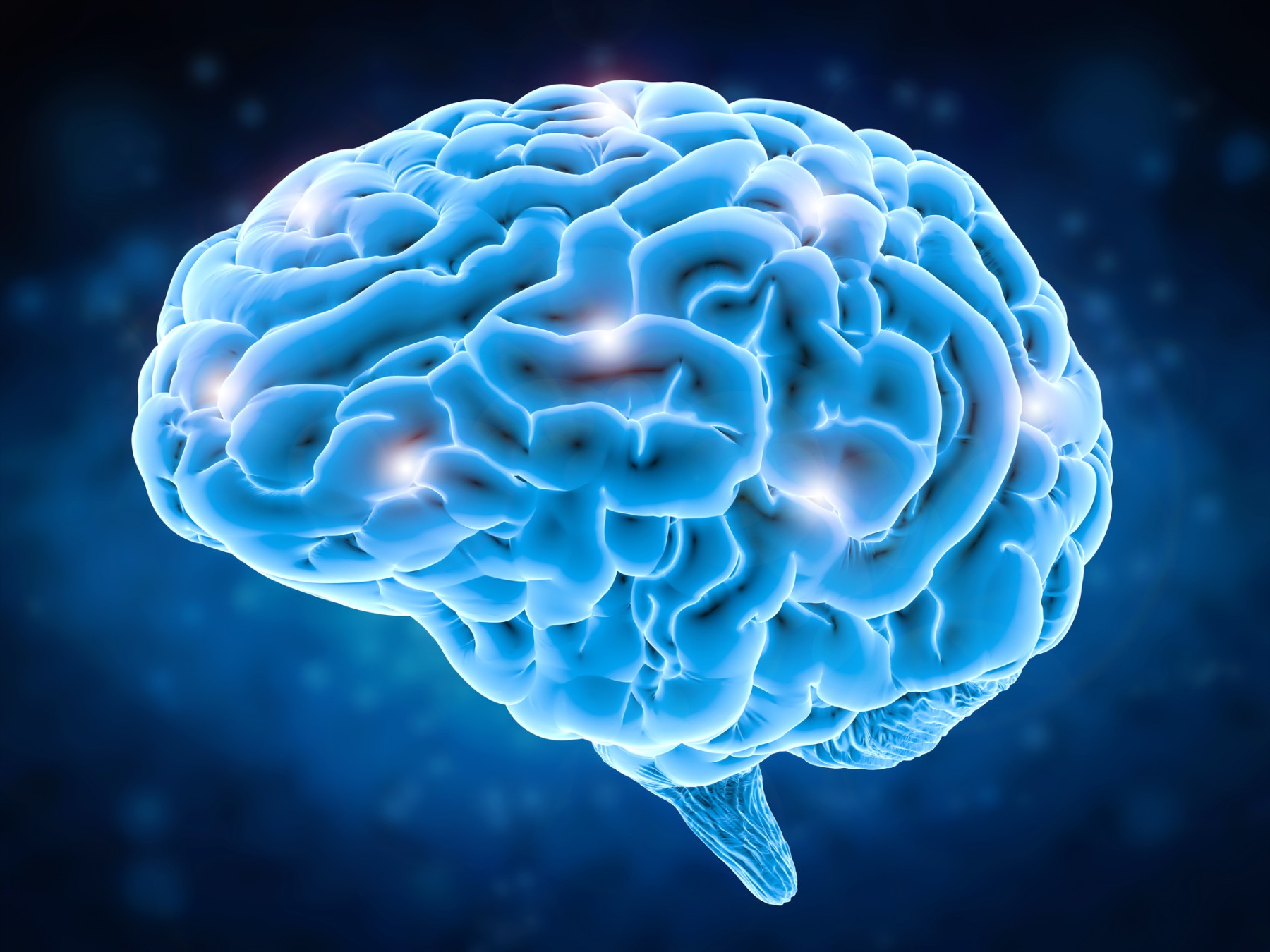
Data from more than 1,000 brain scans have revealed interesting patterns in the way large-scale systems in the brain interact with each other. Using functional magnetic resonance imaging, they performed rest scans on 120 people who had been diagnosed with bipolar disorder, schizophrenia, depression, and other conditions, 192 people with affective disorders with no psychosis,…
-
Magnesium, the Master Mineral
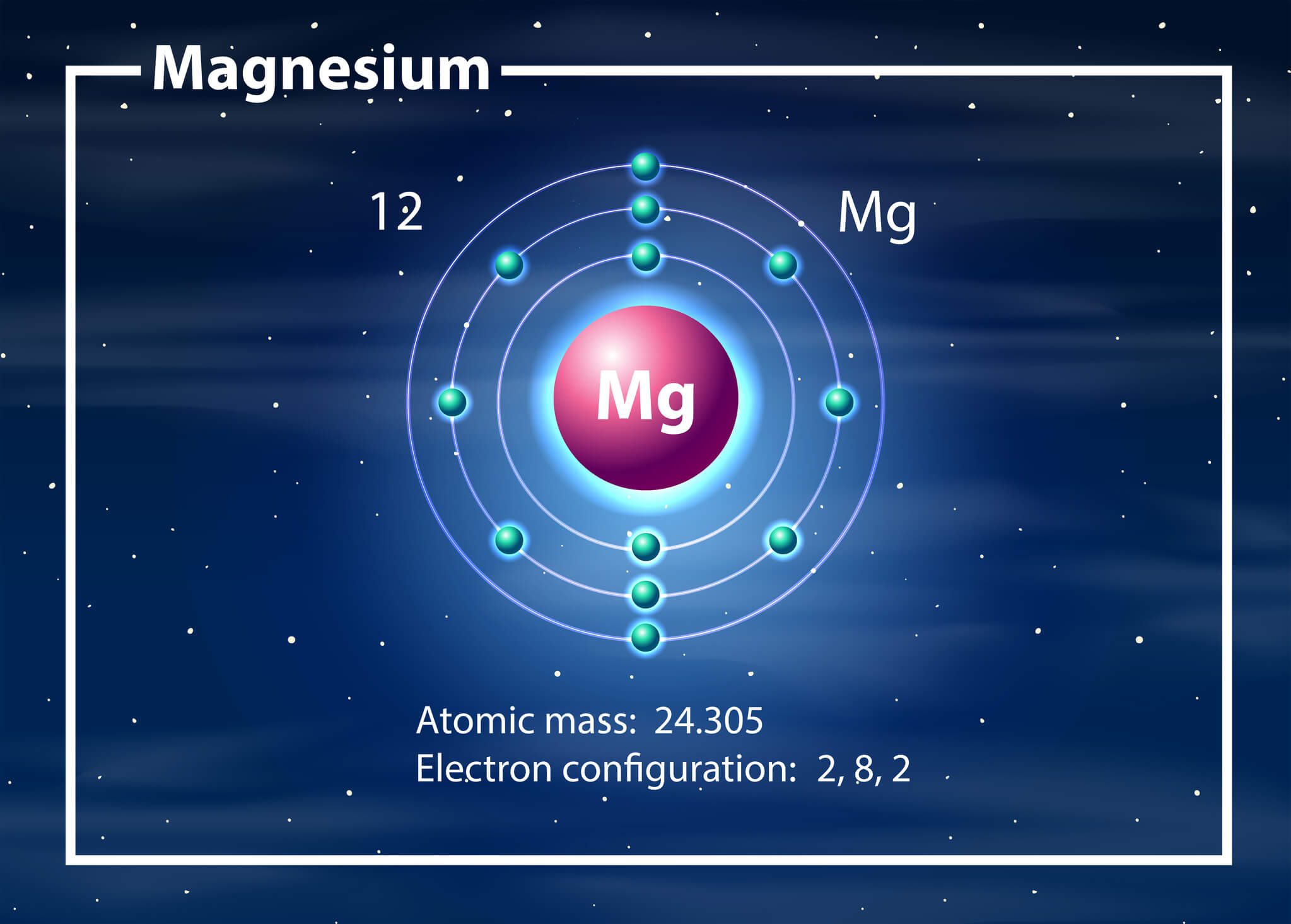
Magnesium is one of the most abundant intracellular cations in the body, second only to potassium. Foods such as spinach, pumpkin seeds and dark chocolate are loaded with magnesium, but more than half of the U.S. population’s diet does not meet the recommended allowance for magnesium. So, how does magnesium impact normal body functioning? What…
-
Improved Quality of Life with Magnesium

Recent research looked at the disability levels, quality of life, and anxiety and depressive symptoms in 34 children aged 7 – 17 after six months of magnesium prophylaxis for pediatric migraines. According to the researchers, “After 6 months of magnesium prophylaxis, disability due to migraine significantly decreased, whereas physical and psychosocial well-being improved.” Children also…
-
Magnesium to Hack the Brain

The brain’s metabolism never stops. Even during a coma, the metabolism inside the brain only slows down by 50%. As such, the brain is a very resource-hungry organism that requires a great deal of nutrition and, in turn, creates a lot of metabolic waste. The brain uses magnesium for hundreds of enzymatic reactions and deficiencies…
-
The Health Effects of Popular Weed Killer in Second- and Third-Generation Offspring

The health effects of the world’s most popular weed killer glyphosate, or Roundup, are widely disputed. Recently, increasing numbers of scientists have underlined the need for independent research on the effects of this herbicide, whose global use is increasing rapidly, particularly on genetically modified food crops designed to tolerate it. Glyphosate has been argued to…
-
Why Am I Allergic to Meat?

This weekend marks the unofficial beginning of summer for many in the northern hemisphere. With summer, we get more glorious sunshine, but also pesky bugs. Although most bugs are harmless and even beneficial to our natural world, some have become synonymous with debilitating diseases. Familiar tick-borne illnesses, for example, include Lyme Disease, Rocky Mountain Spotted…
-
New Study Finds Gluten in Your Gluten-Free Foods
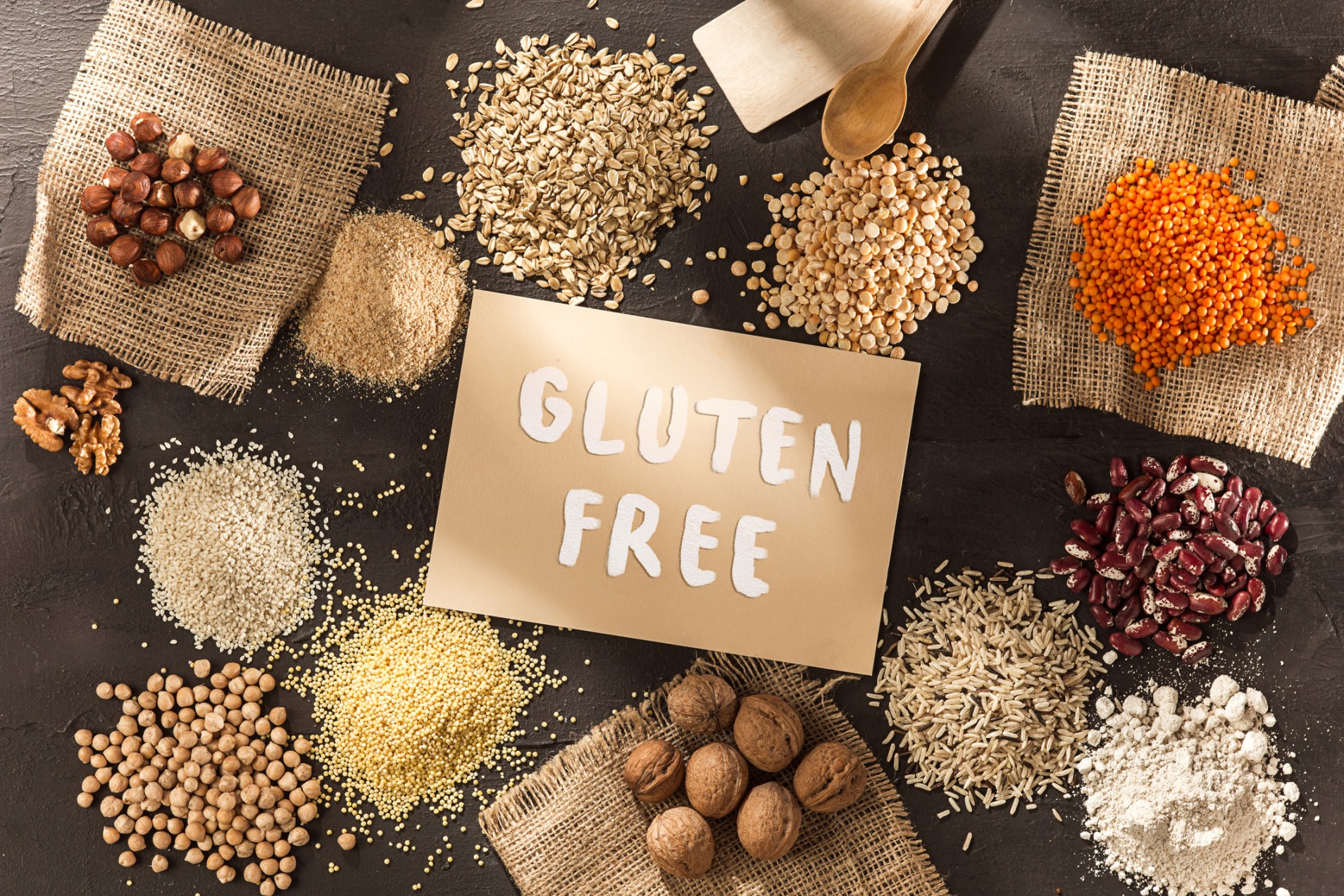
While gluten-free dining options have been steadily increasing, new research has elucidated that there may still be gluten in your “gluten-free” foods. While packaged foods labeled as gluten-free must contain less than 20 parts per million of gluten, there is no similar standard for gluten-free restaurant foods. A study, published in The American Journal of Gastroenterology in…
-
Beet Your Way to Health

Red beetroot (Beta vulgaris rubra) has been gaining popularity as a functional food that has potential to prevent disease and promote health. Beets belong to the chenopod family along with other foods such as chard, spinach, and quinoa. They have been used throughout history as a treatment for numerous ailments, and still evoke an emotional…
-
Study Reveals How Attitude Affects Eating Habits

A study on the time and effort people put into finding out about nutrition and seeking out nutritious food, and their dietary behavior has revealed that people who focus on positive outcomes are more likely to eat healthy food than those who only seek to prevent disease. The study was carried out on a national…
-
Managing Inflammation through Gut Microbiota

Many factors influence one’s health and whether or not something supports or opposes a healthy inflammatory response is critical. While factors that may increase inflammation such as age and hereditary are out of our control, physical activity, dietary choices, and chemical exposures are within our control. Because inflammation can be at the root cause of…
-
Neurological Benefits of Green Tea
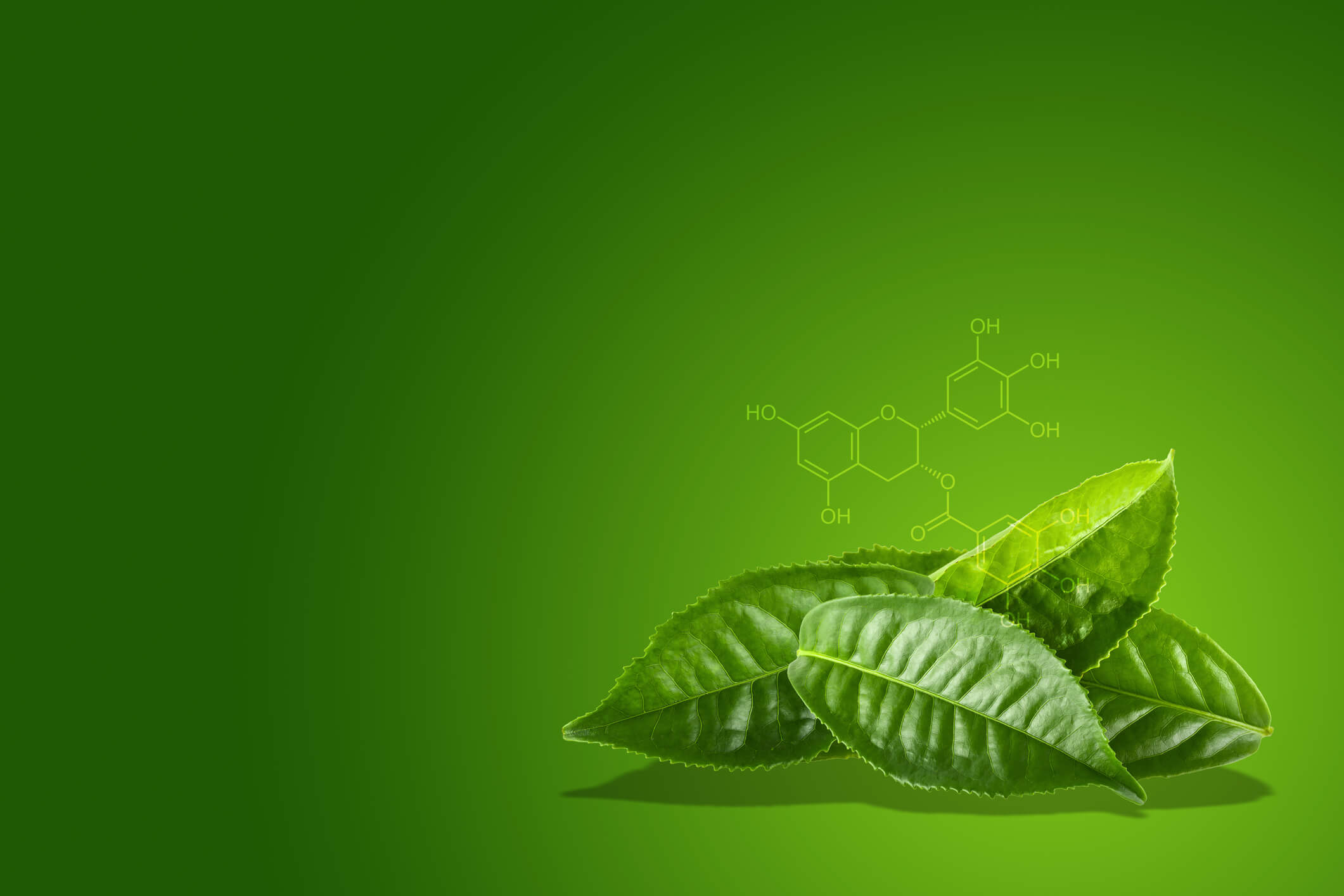
Common knowledge tells us that green tea is a healthy beverage, but evidence suggests that it may in fact have more natural brain benefits than most people realize. Aside from water, tea is the most popular beverage in the world. It’s consumed by two-thirds of the world’s population. And while black tea accounts for 78%…
-
NEW RESEARCH SHOWS THAT PEOPLE WITH PERIPHERAL ARTERY DISEASE MAY HAVE AN OMEGA-3 DEFICIENCY

New research suggests that people with peripheral artery disease (PAD) could have lower omega-3 levels in their red blood cells than people without the disease. PAD affects 8.5 million Americans and more than 200 million people nationwide. It is a common circulatory problem that leads to narrowed arteries in the extremities and insufficient blood flow…
-
Are You Getting Enough Vitamin D?

During the past few decades we have been taught to be wary of the sun. For some reason, research that found sunburns to be linked to skin cancer morphed into warnings about any sun exposure. We are continually being told not to go out into the sun without SPF 99 sunblock and a UV ray-blocking…
-
Review: The Role of Vitamin D and Lipoprotein Receptor-Related Protein in Amyloid Clearance and Brain Health
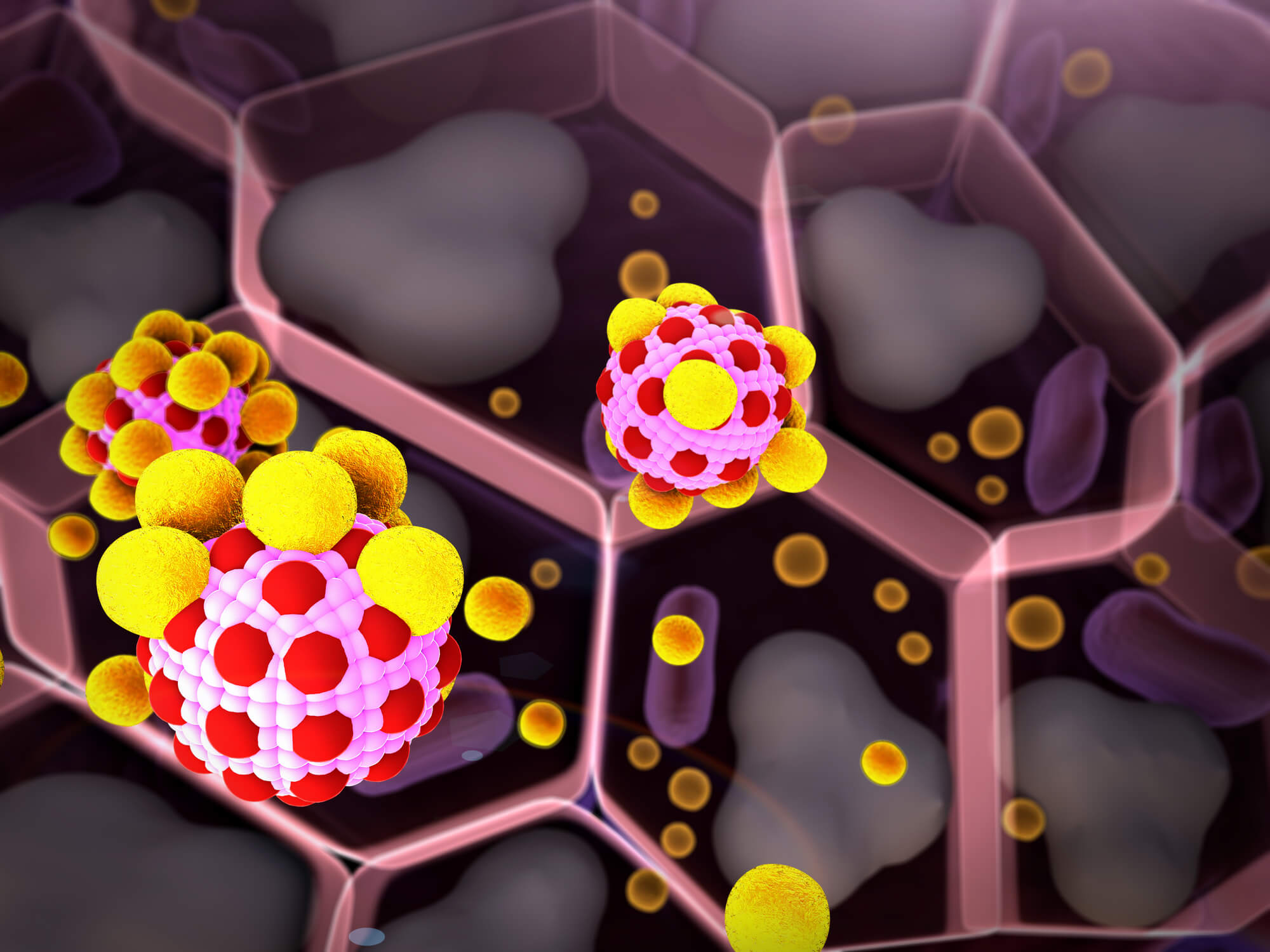
A review on the relationship between vitamin D and low-density lipoprotein receptor-related protein (LRP-1) has revealed that the two may work together to possibly clear amyloid-beta (Aβ), whose deposition is considered linked to the progression of neurological dysfunction. LRP-1 is a large receptor present on the body’s cells and is widely expressed, or present, in…
-
D and K for Healthy Bones

We know a lot about vitamin D and bone health. Vitamin D is considered a “secosteroid hormone” essential for calcium absorption and bone mineralization, and is positively associated with bone mineral density (BMD). Without it, we cannot effectively absorb calcium, which we need to help maintain healthy teeth and bones. Also, in a recent study…
-
Deep Sleep Optimizes the Glymphatic System

It wasn’t very long ago that scientists discovered a mechanism for the brain to remove toxins, called the glymphatic system, and now can link its efficiency to the quality of sleep. The glymphatic system behaves much the same way as the lymphatic system but is managed by glial cells in the brain. Cerebrospinal fluid (CSF)…
-
Abbreviated Topography of Major Landmarks in Our Knowledge of Vitamin D3, Cholecalciferol
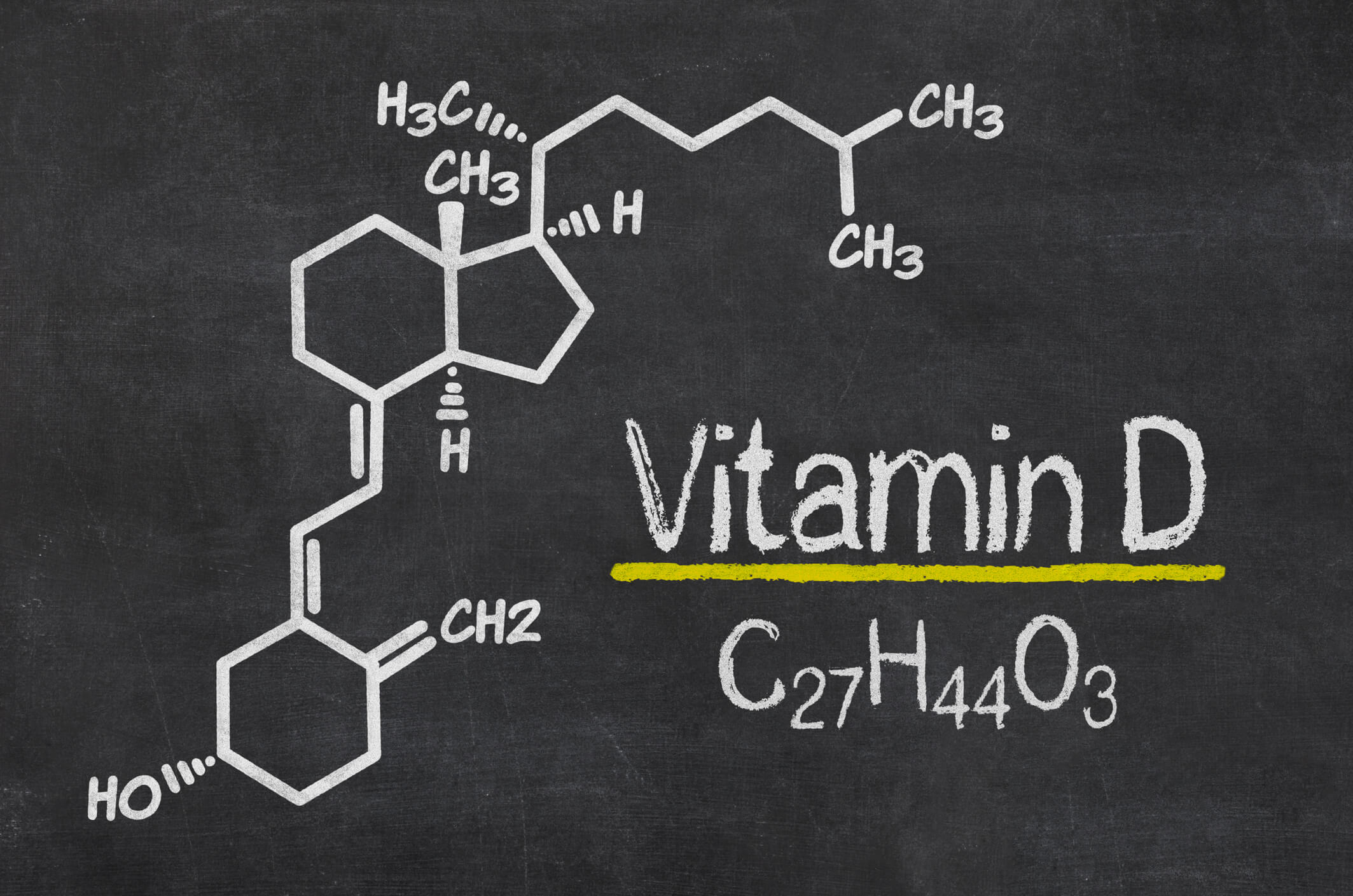
The human nutrient vitamin D3 (cholecalciferol) is essential for life and—as is common with nutrients—plays important roles in many aspects of physiology, including the functioning of numerous cells and tissues in various organs and systems, including the immune system, nervous system, cardiovascular system, gastrointestinal system including the gut microbiome, the latter of which can be…
-
Vitamin D and the Brain

We have long known the connection between vitamin D and mental health, however, new research may have found that the reason vitamin D deficiency has an effect on learning and memory may be due to its effect on PNNs. Perineuronal nets (PNNs), specialized extracellular matrix structures in the brain, act like a scaffolding that wraps…
-
Vitamin D’s Critical Role in Weight Management

When undergoing a weight management program, one of the first steps might be to check vitamin D levels. Oftentimes, people who need to lose weight simultaneously experience low energy, which may actually be a symptom of blood sugar dysregulation. And, according to some researchers, vitamin D may provide support for helping regulate blood sugars.
-
Genetic Variation to Vitamin D Levels Links to Non-Bone-Related Health Outcomes

Differences in the genes involved in how we metabolize and transport vitamin D in our bodies may determine the amount of vitamin D that circulates in our blood. Until recently, there was little evidence of the connection between a specific type of genetic variation called single nucleotide polymorphisms (SNPs, or “snips”), vitamin D levels, and…
-
The Impact and Benefits of Vitamin D

Vitamin D is regarded as one of the most important nutrients for our health. It regulates more than 2,000 of the 30,000 human genes and plays a significant role in immune function and physical performance. Vitamin D also helps the body absorb calcium, subsequently helping build bones and keep them strong and healthy. Many people…
-
A Pseudogene with Promising Neurological Influence

A pseudogene has been discovered on chromosome Y of the neurofilament light (NEFL) gene in humans.
-
YOUR GUT AND YOUR SKIN ARE CONNECTED: INTRODUCING THE GUT-SKIN AXIS

Have you ever wondered by pimples and constipation often come together, or why you break out after eating french fries? It could be because of the gut-skin axis, a concept at the center of an emerging, exciting area of research in Western Medicine. The gut-skin axis deals with the bidirectional relationship between the gut and…
-
Broken Sleep May Harm Blood Vessels

New research has revealed a potential connection between broken sleep and cardiovascular damage. The animal study, which was performed on mice, involved moving a bar across the bottom of the animals’ cages while they were sleeping. These mice were tested against normal mice who were allowed to sleep normally. The sleep fragmentation treatment reduced the mice’s…
-
New Frontiers in Fish Oil – Part Two

This is part two of a two-part series on omega-3 fatty acids and fish oil. In part one, we explored the reasons to take fish oil. Throughout evolution, humans have consumed diets heavy in fish—meeting their dietary need for not only omega-3, but specifically EPA and DHA. Western diets, however, have evolved to where fish…
-
Omega-3s and NLRP3 InflammasoMe Signaling in Human Obesity
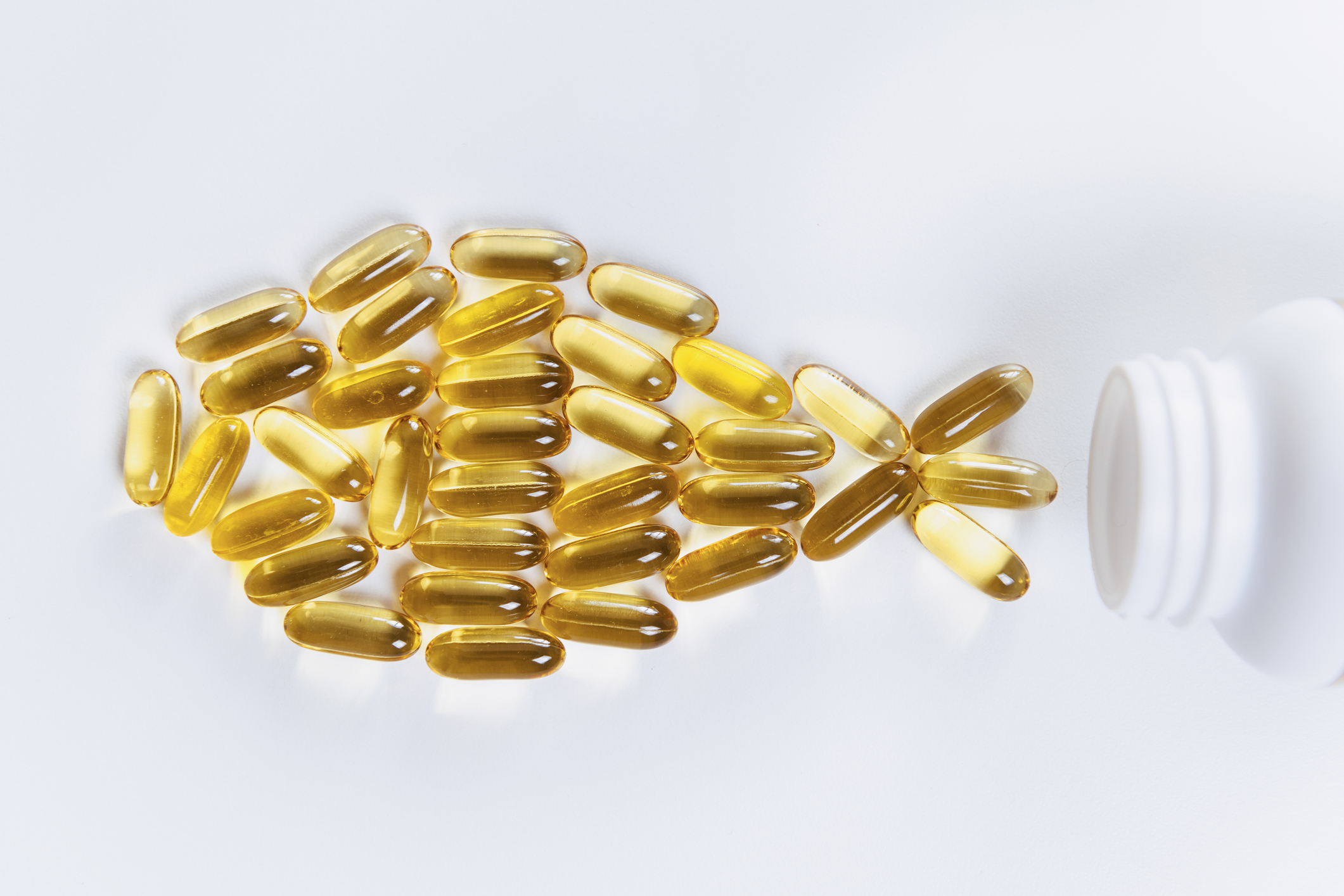
In a recent study in the Journal of Endocrinology, the relationship between fish oil-derived long chain polyunsaturated fatty acids (n-3 PUFA) and the suppression of NLRP3 inflammasomes in human obesity through downregulation of inflammasome gene expression in adipocytes and macrophages was investigated. The NRLP3 inflammasome serves as a critical link between adipose inflammation and insulin…
Shop Our Brands: