-
Choline & Alzheimer’s

A study published recently in Aging Cell points to a role for choline deficiency in contributing to Alzheimer’s disease. Choline is an essential part of cell membranes and myelin, as well as a building block for the neurotransmitter acetylcholine—needed for memory storage and retrieval—so it stands to reason that inadequate levels of choline in the…
-
B Vitamins & Metabolic Syndrome
Results of a longitudinal prospective cohort study were recently published in JAMA Network, detailing the associations between total B vitamin intake and incidence of metabolic syndrome (Met-S). This analysis used data from the Coronary Artery Risk Development in Young Adults (CARDIA) study, comprised of an approximately equal number of black and white individuals (and men…
-
Parkinson’s & Metagenomics
Results of a large-scale metagenomic analysis of the intestinal microbiome among people with Parkinson’s disease (PD) were recently published in Nature Communications. Deep shotgun metagenomic sequencing was conducted on samples from 234 neurologically healthy controls and 490 persons with PD. It’s worth noting that this study was initiated in response to a growing evidence base…
-
Does Alcohol Clash with Keto?

Despite its celebrated antioxidant content, the reality is, alcohol isn’t a health food. However, consuming alcohol is often a part of many people’s social lives and religious and cultural traditions. Abstaining completely would potentially be a dealbreaker if it were required in order to adopt a dietary or lifestyle change. So, where does alcohol fit…
-
Genetics & Vitamin D Status

An intriguing study found different effects on pregnant mice’s liver metabolism as a result of vitamin D deficiency (VDD) depending on genetic background. Maternal VDD has serious implications for both fetal and maternal health, including fetal growth and skeletal health, as well as increased risk of gestational diabetes and pre-eclampsia for the mother. However, the…
-
Making Memories with Huperzine A
Our central hub, the brain, is made up of billions of neurons that communicate to other parts of the body in order to carry out physical and mental activities. Chemical messengers (neurotransmitters) carry out and enhance communication between these neurons and other cells in the body. Billions of neurotransmitters work non-stop to keep our brains…
-
Low Carb & Type 2 Diabetes

A paper published recently in BMJ Nutrition, Prevention & Health documents remission of type 2 diabetes among patients following a low-carb diet as well as significant improvements in metabolic health among patients with decreases in HbA1c who didn’t achieve remission.
-
Rethinking Protein Intake & Kidney Health
“Good food and dietary variety are some of the great joys of life. […] We believe that given the commitment required of patients, dietary restrictions should only be made when there is clear, conclusive, coherent, and consistent evidence. As we describe, this is not true in any respect.” (Obeid, Hiremath, Topf, 2022)
-
Red Dye & Gut Health

Eating whole foods is beneficial because whole foods are replete with key nutrients. However, eating whole foods also means avoiding processed foods, which is an important dietary strategy as well. Avoiding processed foods means eliminating additives and preservatives that might seem insignificant, but a recent study has shown that long-term consumption of red food dye,…
-
Obesity – An Obesogen Review
The second installment in a 3-part series focusing on obesity was recently published in Biochemical Pharmacology, largely devoted to examining the evidence for the obesogen hypothesis, i.e., the proposal that environmental chemicals play a role in the growing overweight/obesity pandemic. This review specifically defines obesogens as chemicals that increase white adipose tissue mass (WAT) after…
-
Lycopene & Cardioprotection
Lycopene is thought to be among the most oxygen-quenching carotenoids, and is highly praised for its cardioprotective effects, such as supporting healthy cholesterol levels. It has an acyclic, highly-conjugated hydrocarbon structure that has a direct antioxidant enzyme productive effect that limits the oxidation of LDL cholesterol. Furthermore, lycopene has additional cardioprotective effects that inhibit cholesterol…
-
Exercise Your Guts Out

Exercise is good for us, yes? With its wide-range of benefits that include supporting heart, muscle and bone health, the short answer is yes. But could there be repercussions in over-exercising? For some people, yes; intense exercise can lead to leaky gut. In the literature, it is referred to as “exercise-induced gut permeability,” and the…
-
Nutritional Epigenomics & Health

The newest discoveries in epigenetics have led to the emergence of epigenetic clock models. These models identify DNA methylation signatures, allowing us to accurately measure or predict a person’s chronological age, disease, and mortality. These clocks have huge potential for developing our understanding of the disparity between increased average lifespan and improvements in health span.
-
Mitochondrial Support & Heart Health
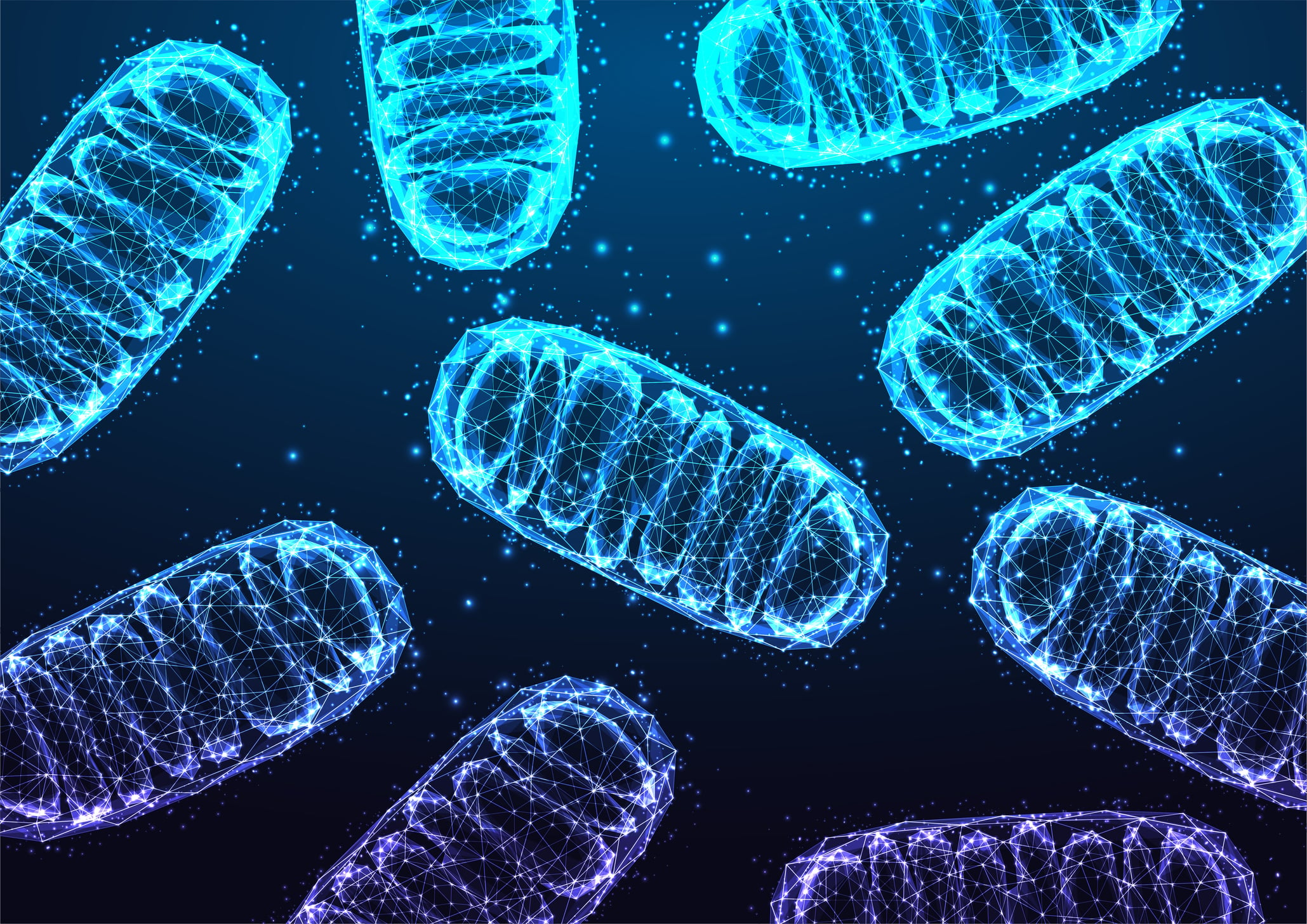
A study published in the American Journal of Cardiology examined the use of ubiquinol and/or D-ribose among participants with heart failure with preserved ejection fraction (HFpEF). Once referred to as diastolic heart failure, HFpEF represents at least half of all cases of heart failure (soon to be the predominant phenotype), with several well-established risk factors,…
-
Mediterranean Diet & Prenatal Stressors

Stressors during pregnancy such as depression and obesity can lead to increased systemic inflammation and contribute to chronic health issues for both mothers and their unborn babies. Yet dietary recommendations to mitigate these stressors, which greatly affect minority women, remain understudied.
-
Unwrapping Misophonia

A leaf blower starting and stopping. The jingling of keys or loose change. Someone slurping their coffee or smacking their lips while eating. Many people may feel slightly irritated by these sounds, but what happens when someone feels more than merely annoyed? What if they experience extreme agitation, rage, panic, and an immediate, intense desire…
-
Flavonols & Cognitive Health

Results from a prospective cohort study based in Chicago were recently published in Neurology, describing the associations between dietary flavonol intake and cognitive decline. Nearly 1,000 older adults (average age 81) without dementia were followed for approximately 7 years, as part of the Rush Memory and Aging Project. Using annual validated food frequency questionnaires (self-reported)…
-
Keto for Glycogen Storage Disease

In addition to the well-known role of ketogenic diets for facilitating weight loss and improving type 2 diabetes and metabolic syndrome, this very-low-carbohydrate way of eating is also recognized for being useful for a number of conditions for which there few or even no other treatments. One such condition is glycogen storage disease.
-
Lactose Intolerance & Lactase Persistence

A paper published in the Annual Review of Genetics provided a detailed examination of the genetics of lactase persistence and lactose intolerance.
-
Nutritional Considerations for Age-Related Sarcopenia

Age-associated sarcopenia, characterized by the gradual loss of muscle mass and muscle strength, affects between 10-27% of older adults and is a progressive and complex disease. Although historically it has been thought only to affect the elderly, this is now recognized to be an erroneous view, with the onset of a decline in muscle mass…
-
Magnesium & Vitamin D Activation

A compelling article in The Journal of the American Osteopathic Association highlighted the important role of magnesium in vitamin D activation and function.
-
Impact of Diet on Baby’s Microbiome

Whether you’re a would-be parent or your newborn is already safely in your arms, the joy and wonder of having a new member in your family can be truly exhilarating. But what most parents may not take the time to think about is the impact a baby’s diet has on their microbiome. The importance of…
-
Social Connections & Cognitive Function

As we sit down with family and friends to celebrate Thanksgiving today, it is important to reflect on how central these relationships are to our well-being, with gratitude for the meaning and quality they add to our lives. A recent meta-analysis in The Lancet, Healthy Longevity also suggests that one of the benefits of these…
-
Nutrient Intake & Healthy Aging

An interesting analysis of nutrition and aging was recently published in BMC Biology, in which the authors used a multi-dimensional modeling technique termed the Geometric Framework for Nutrition (GFN) to assess how the balance of nutrient intakes is associated with the aging process, specifically with age-associated dysregulation. In contrast to what they refer to as…
-
Multivitamins & Cognitive Function

Results of one of the few existing long-term randomized trials evaluating the use of multivitamins on cognitive function in older adults were recently published in the journal Alzheimer’s & Dementia: the Journal of the Alzheimer’s Association. This study was part of the COSMOS-Mind (COcoa Supplement and Multivitamin Outcomes Study of the Mind) 2×2 factorial trial,…
-
CoQ10 and Oral Health

Coenzyme Q10 (CoQ10), a natural antioxidant synthesized in the body and known to enhance energy, has also received accolades for supporting oral health. With its ability to generate cell energy, CoQ10 may be able to help with proper tissue repair within the gingiva (gums).
-
Elderberry & Immune Health

An interesting study by a group of researchers at the University of Sydney shows how the active component in elderberry (Sambucus nigra L.) may help mitigate the negative health effects of the influenza virus in human cells.
-
Insulin & Skin Health
If the eyes are the windows to the soul, then the skin may be a window to internal metabolic health. Acne, psoriasis and other visible skin disturbances can negatively impact self-esteem and quality of life. Moreover, these issues are not solely a matter of aesthetics. They may be visible indicators of more serious internal metabolic dysfunction—specifically,…
-
Collagen Peptides & Joint Health

According to a review in the journal Amino Acids, collagen peptide supplementation (COL) in conjunction with exercise, has been shown to help support healthy joint functionality for people with degenerative bone and joint problems.
-
The Health Impact of Meal Timing

Results of a randomized controlled cross-over trial were recently published in the journal Cell Metabolism, detailing the effects of late versus early eating on a variety of outcomes, including hunger, hormone levels, energy expenditure, and more. The link between the circadian system and energy metabolism is both fascinating and incompletely understood, and there is considerable…
Shop Our Brands: