-
Myths & Facts of Low Carb Diets

With ever-increasing applications emerging for therapeutic ketogenic diets, it’s important for healthcare professionals and the lay public alike to understand the facts about dietary carbohydrate restriction and to separate those facts from the myths that may stand in the way of people implementing a nutritional strategy that can have a profound beneficial impact on metabolic…
-
Probiotics and Cognition

A meta-analysis evaluating the efficacy of probiotics/prebiotics among people with cognitive impairment was published in PLoS One. A plausible link occurring via the microbiota-gut-brain axis raises the possibility of benefit with supplementation, and this meta-analysis included 10 randomized and controlled clinical trials to discern the strength of this connection. Combined, this was a total of…
-
Prediction of Type 2 Diabetes Risk

An analysis recently published in Cardiovascular Diabetology used a cluster-based approach to quantify the risk for developing type 2 diabetes (T2D) among older adults (aged 61-82). Building on a previously published proof-of-concept study, 843 participants in the Kora F4 study were assigned to one of six predefined phenotype clusters, with clusters determined by a number…
-
Pomegranate & Skin Health

Results from a 2023 randomized, double-blind, placebo-controlled study revealed compelling findings on the impact of pomegranate (Punica granatum) extract on skin health, particularly through the gut-skin axis. Twenty-eight healthy adults aged 25–55 were administered either 75 mg of punicalagin, a potent polyphenol found in pomegranate (PE), or a placebo for four weeks. One of the…
-
Vitamin D & Respiratory Tract Health

The results of a double-blind randomized and controlled clinical trial evaluating the effect of vitamin D supplementation on acute respiratory tract infections (ARTI) in children living in Northern latitudes were recently published in the European Journal of Nutrition. This was a secondary analysis of a controlled trial investigating vitamin D supplementation as well as varying…
-
Recent Research on Keto for Mental Health

Keto diets are perhaps most popular for weight loss, but a growing body of research as well as increasing numbers of patient anecdotes support the use of keto for mental health. The ketogenic diet was originally developed over a century ago as a treatment for intractable epilepsy, so it has long been recognized that this…
-
Hypothyroidism & Depression

We have previously reported on the strong link between hypothyroidism and depression. A new study published in the International Journal of Academic Medicine and Pharmacy adds more data to this association. The study sought to determine the correlation between thyroid dysfunction and depression severity among 300 patients at a psychiatry outpatient clinic who were diagnosed…
-
Dietary Methyl Donors & Biological Aging

A recently published issue of Scientific Reports includes an analysis of the association between the consumption of methyl donor nutrients (MDNs) and phenotypic aging. MDNs are known to play a role in DNA methylation and gene expression, as well as one-carbon and cellular metabolism. Several epigenetic clocks utilize changes in DNA methylation alone to predict…
-
Physical Activity & Alzheimer’s Risk

The journal Alzheimer’s & Dementia has just published an analysis of the effects of physical activity on preclinical risk factors for Alzheimer’s disease (AD) among middle-aged adults at higher risk for its development. Three hundred thirty-seven adults were recruited from a subset of a larger longitudinal cohort, the Alzheimer’s and Families (ALFA) study. Participants were…
-
Phthalates, Plastics & Cardiovascular Disease

eBioMedicine, a Lancet journal, recently published an open-access article estimating the global mortality attributed directly to phthalate exposure from plastics. Specifically, they estimated the cardiovascular mortality attributable to di-2-ethylhexylphthalate (DEHP), and the years of life lost as a result. DEHP, used to soften polyvinylchloride (PVC) plastics, was chosen because of its widespread use, robust and…
-
Biological Age & Dementia

The results of a longitudinal prospective study evaluating the association between biological aging and dementia were recently published in Neurology, as well as evidence regarding changes in brain structures that may mediate any connection. The UK Biobank, a prospective longitudinal cohort with over half a million participants, was used to provide data for nearly 281,000…
-
Air Pollution, Insulin Resistance, and BMI

In April 2025, JAMA Network Open published the results of a unique long-term cohort study (Meta-Air2) designed to unravel the connections between air pollution, insulin resistance, and body mass index (BMI). Traffic-related air pollutants (TRAP) have previously been associated with an increase in risk for type 2 diabetes, but the mechanism has not been entirely…
-
CT Scans & Lifetime Health Risk

Results of a model assessing the lifetime risk of cancer caused by the current rate of computed tomography (CT) examinations in the United States were recently published in JAMA Internal Medicine. Despite the clear benefits of CT, the exposure to ionizing radiation increases the risk for cancer, and this analysis tried to quantify the population…
-
LDL-C/ApoB and Plaque
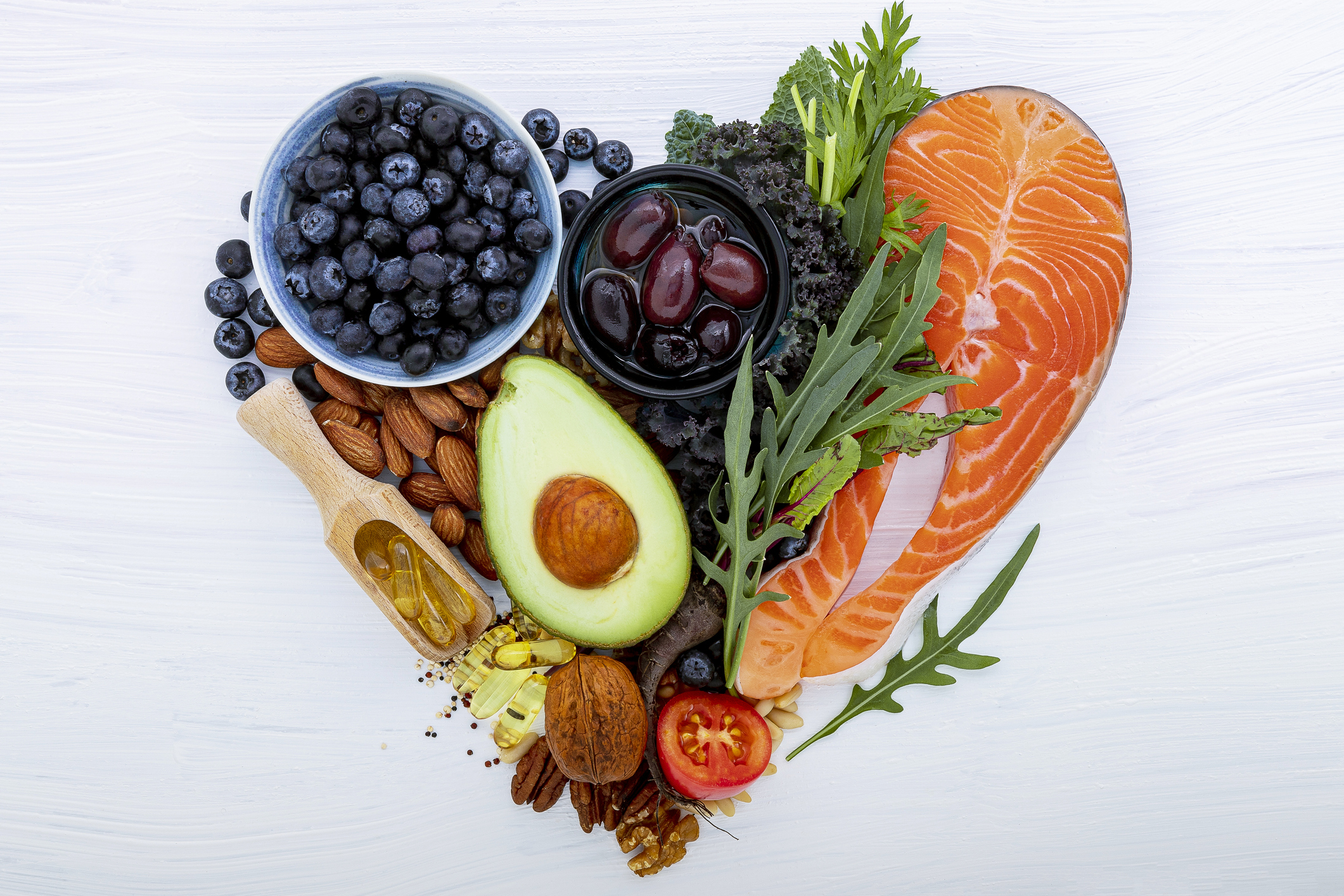
Ketogenic diets (KDs) are increasingly used for purposes far beyond weight loss. Therapeutic carbohydrate restriction is now being employed for mental health purposes, chronic kidney disease, inflammatory bowel disease, and more. Despite the obvious benefits of carbohydrate restriction—such as weight loss, improved glycemic control, and reversal of metabolic syndrome—concerns remain regarding the potential for elevated…
-
Diet & Running-Related Injuries

A systematic review and meta-analysis was recently published in the Journal of Science and Medicine In Sport, examining the association between diet and running-related injuries (RRIs). This review of 15 prospective cohort studies included nearly 6,000 adult distance runners (~2400 female), with 9 ultimately included in the meta-analysis. Sex-specific associations were revealed in this analysis;…
-
AI In Health Care

In the fall of 2024, JAMA Network published the results of a randomized clinical trial evaluating the ability of a type of artificial intelligence (AI), a large language model (LLM), on physicians’ diagnostic reasoning. Fifty physicians with a mean of 3 years in practice and training in a general medical specialty, including 26 attendings and…
-
Western Diet, Pregnancy & Neurodevelopmental Health

Data from several cohort studies suggest that a Western dietary pattern during pregnancy is associated with an increase in risk for neurodevelopmental disorders, including both autism and attention-deficit/hyperactivity disorder (ADHD), with the analysis published in Nature Metabolism. The initial prospective cohort was comprised of approximately 600 children (age 10) who were participants in the Copenhagen…
-
Carrots for Cellular Health

A 2023 study published in Nature Communications identified isofalcarintriol—a novel polyacetylene compound isolated from carrots—as a compelling longevity-promoting agent across animal models. By enhancing mitochondrial biogenesis, optimizing glucose metabolism, and improving resistance to metabolic and oxidative stress, this compound adds to a growing body of findings, suggesting that the humble carrot may exert far-reaching cellular…
-
African-Based vs Western-Based Diet

The results of a randomized and controlled dietary trial, including a multi-omics analysis of immune and metabolic changes associated with switching between a Western-style dietary pattern and a Kilimanjaro heritage-style pattern, were recently published in Nature Medicine. Male non-overweight participants between the ages of 20 to 40 were recruited from one of two cohorts in…
-
A Golden Gem for Brain Health
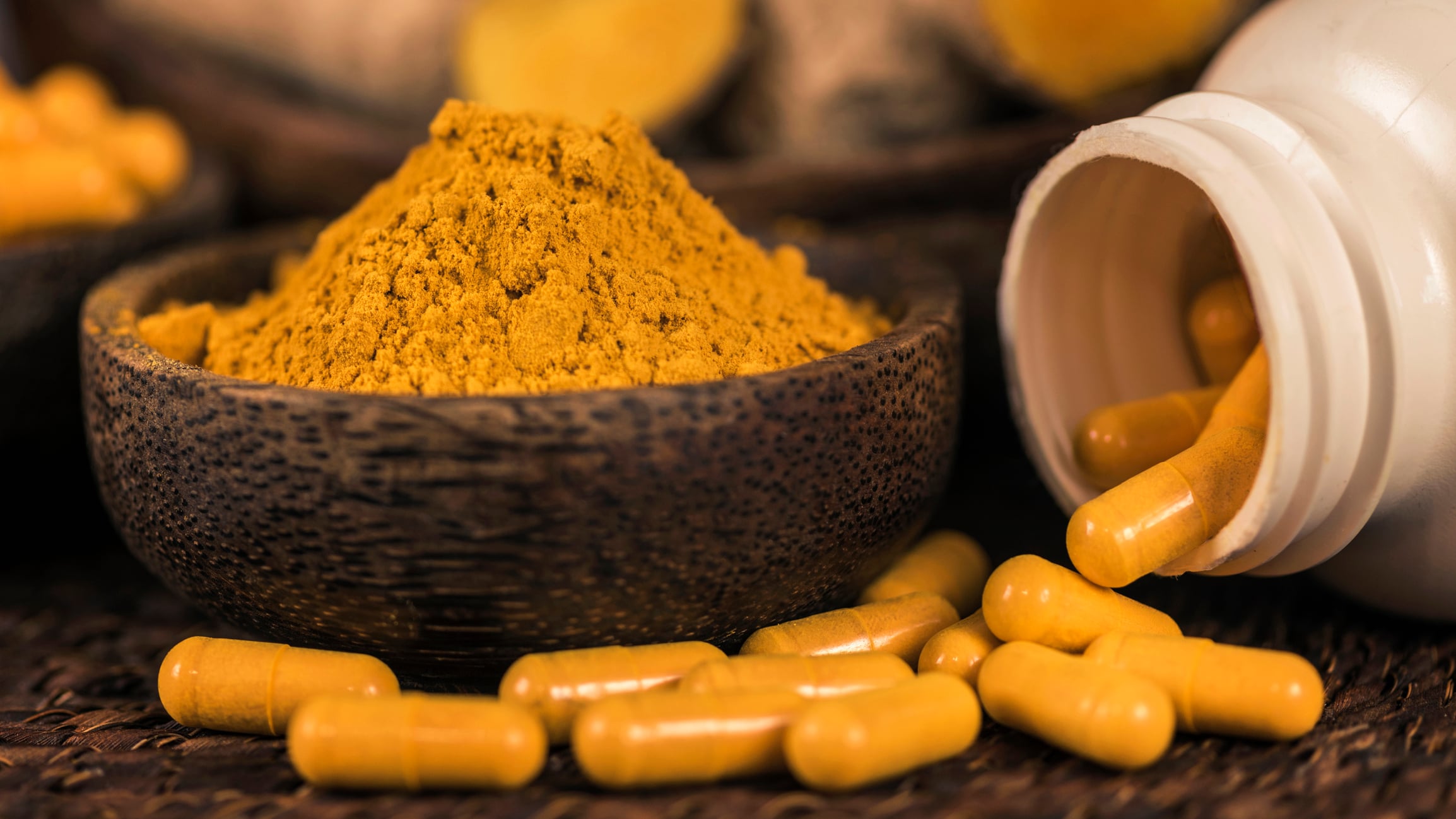
We are constantly stressed with deadlines and pressured to produce tasks faster and with more efficiency. In today’s workforce, our mental clarity plays a major role in delivering quality work. Practices to help think more clearly may include better sleep, controlled anxiety, and brain supplements. One such “brain supplement” with research bragging rights is curcumin,…
-
Collagen Supplements & Tendon Health

The results of a 12-week randomized and double-blind clinical trial, which reported on the effects of resistance exercise in combination with hydrolyzed collagen on tendon health, were recently published in the European Journal of Sport Science. All participants in this small study (only 24 middle-aged recreationally active men) had 2 sessions of high-intensity resistance training…
-
The Countless Benefits of Cauliflower

Cauliflower (Brassica oleracea var. Botrytis), a cruciferous (Brassicaceae) vegetable, is packed with robust nutritive and phytochemical content—-including glucosinolates, flavonoids, chlorophyll and phenolics acids, vitamins, minerals, choline, and fiber—exerting widespread health effects. Phytochemicals are naturally occurring plant compounds that confer various health benefits, with their diverse biologically active properties—including antimicrobial and antioxidant capacity, metabolic, anti-inflammatory, gastrointestinal…
-
Lifestyle Factors & Cardiovascular Events Among Diabetics

BMC Medicine recently published a post hoc analysis of the ADVANCE trial, describing the relationship between healthy lifestyle factors (HLF) and the incidence of both microvascular and macrovascular events, as well as overall mortality, among people with type 2 diabetes (T2D) and a high risk for cardiovascular disease. The ADVANCE (Action in Diabetes and Vascular…
-
Microbiota & Seasonal Allergies

First introduced in 1989, the “hygiene hypothesis” proposed that exposure to specific microbes, perhaps during crucial windows of development, educates the immune system in a way that modifies the risk for allergic, inflammatory, and autoimmune diseases. Initially, this was proposed in response to the observation that the position of a child in a family (their…
-
Menaquinone-7 & Vascular Health

Results of a 1 year randomized and double-blind controlled clinical trial were recently published in Nutrients, describing the effectiveness of a specific form of vitamin K2, menaquinone-7 (MK-7), on vascular stiffness and blood pressure among postmenopausal women. Two-hundred forty-three participants were enrolled, both men and women, but a post-hoc analysis was conducted to specifically compare…
-
Biological Organ Age & Disease Risk

The results of a groundbreaking study examining organ-specific biological age and associations with age-related diseases were published in The Lancet Digital Health. This remarkable study used plasma proteome signatures to determine the biological age of multiple organs, including the lungs, kidneys, liver, pancreas, and brain, as well as the intestines, cardiovascular (heart and arteries) and…
-
Ellagic Acid & NAFLD

The results of a randomized, double-blind, placebo-controlled trial investigating the effects of ellagic acid on multiple metabolic markers among people with non-alcoholic fatty liver disease (NAFLD) were recently published in BMC Complementary Medicine and Therapies. This trial enrolled 44 non-obese participants between ages 18 and 55 (mean age ~ 40) diagnosed with NAFLD by hepatic…
-
Nutrient Intake & Healthy Aging

An interesting analysis of nutrition and aging appeared in BMC Biology, in which the authors used a multi-dimensional modeling technique termed the Geometric Framework for Nutrition (GFN) to assess how the balance of nutrient intakes is associated with the aging process, specifically with age-associated dysregulation. In contrast to what they refer to as the “one…
-
Vitamin B12 & Neurological Health in Older Adults

A recent study published in Annals of Neurology suggests that optimal vitamin B12 thresholds in older adults may need to be re-evaluated, and that subclinical deficiencies may be responsible for neurological deficits. Much has been published previously describing the poor sensitivity of serum B12 as a functional biomarker for vitamin B12 status, as well as…
-
Vitamin D & Vertigo

Benign paroxysmal positional vertigo (BPPV), the most common cause of vertigo in older adults, is characterized by temporary symptoms brought on by having the head in a specific position, primarily nystagmus and vertigo. The portion of falls in an older population that can be attributed to BPPV is not clearly established, but is thought to…
Shop Our Brands: