-
Vitamin D & Telomere Length

The American Journal of Clinical Nutrition recently published the results of a randomized and placebo-controlled trial evaluating the effect of vitamin D on leukocyte telomere length (LTL), an established biomarker of aging. Known as the VITAL Telomere study, it was a subset of the much larger VITamin D and OmegA-3 TriaL (VITAL) trial, an ongoing…
-
Vitamin B12 Updates
Hand-foot syndrome BMJ published the results of a multi-center randomized and placebo-controlled double-blind phase 3 trial evaluating the efficacy of oral methylcobalamin (vitamin B12) to help prevent hand-foot syndrome among women receiving capecitabine treatment for human epidermal growth factor receptor 2 (HER2) negative early breast cancer. A range of 29–73% of women receiving treatment with…
-
Myo-Inositol, Obesity &PCOS
Two controlled trials evaluating supplemental myo-inositol have recently been published. The first, in the journal Diabetes, Obesity & Metabolism, was a randomized and placebo-controlled trial evaluating the effect of a combination of myo-inositol and zinc on insulin resistance (HOMA-IR) among children with obesity. Fifty children completed this three-month study, which took place in Italy. Participants…
-
L-Carnitine, Selenium & Thyroid Health

Researchers from the University of Turin published the results of a prospective, randomized, and controlled trial evaluating the use of L-carnitine and selenium when combined with standard therapy for Graves’ disease, an autoimmune disorder that affects the thyroid gland. This study follows a previously published pilot study, which found that 500 mg of L-carnitine in…
-
Questioning LDL Targets
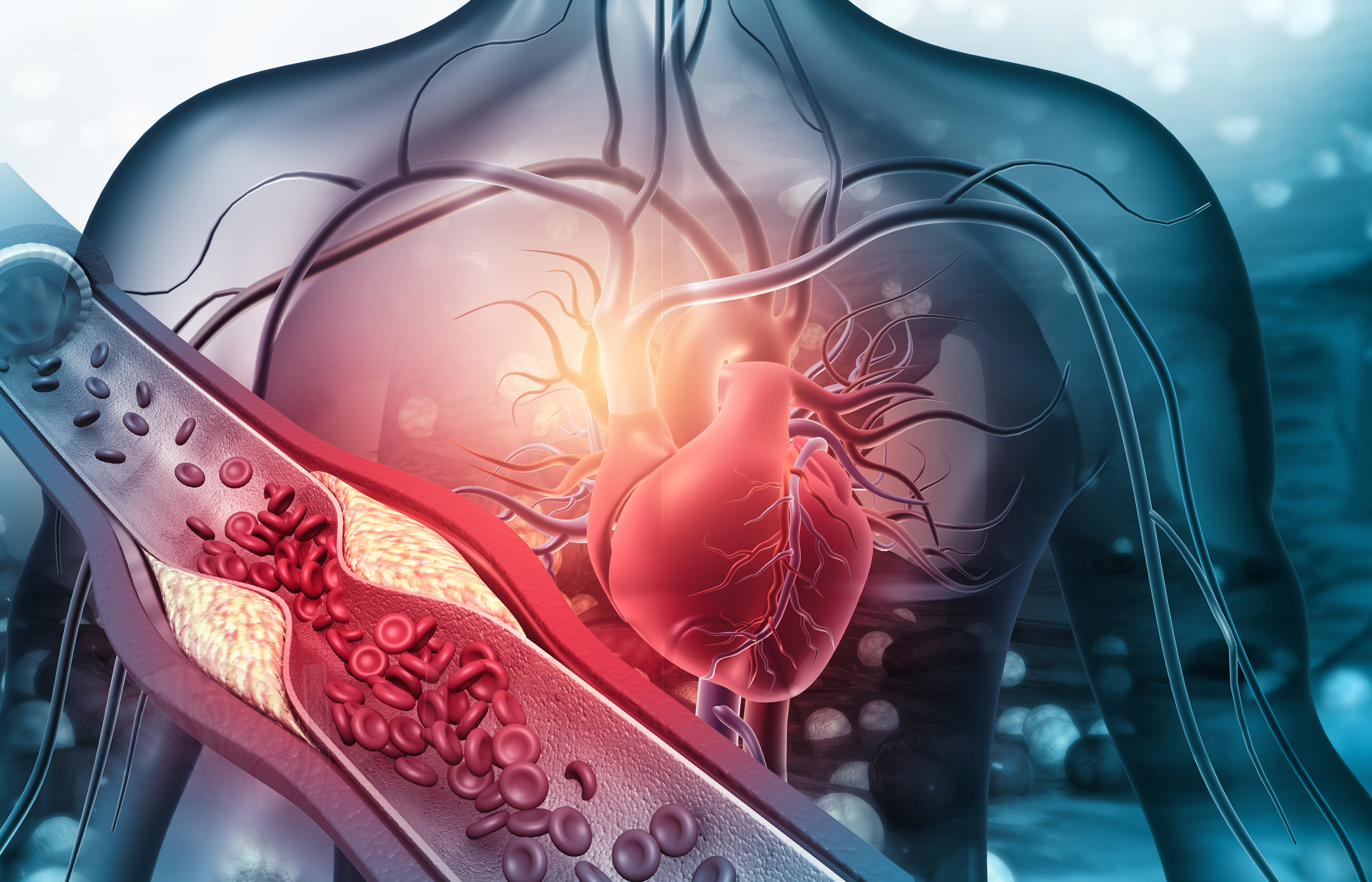
“Clinical guidelines have progressively lowered the recommended LDL-C target for high-risk CVD patients to below 70 mg/dL, but scientific support for this target is arguably questionable.” A review published recently in the Journal of Clinical Medicine adds to research questioning the relationship between LDL-cholesterol (LDL-C) and cardiovascular disease (CVD). Previous blogs and Research Forums have…
-
What’s In Our Drinking Water ?

Trihalomethanes The results of a cohort study published in JAMA Network Open show the effect of trihalomethanes in community drinking water on the risk of chronic kidney disease (CKD). Trihalomethanes (THMs) are one of several unintended byproducts of chlorination, and include chloroform and three brominated compounds (bromodichloromethane, dibromochloromethane, and bromoform), with the latter more common…
-
Vitamin D & Eating Disorder Risk

The journal Medicine (Baltimore) recently published the results of a Mendelian randomization analysis evaluating the links between eating disorders, specifically anorexia nervosa and bulimia nervosa, and 25-hydroxyvitamin D (25-OHD) levels. Previous studies suggest that not only is low 25-OHD more likely among people with eating disorders, but it is also associated with greater morbidity and,…
-
Mitochondria & Muscular Health

Findings from a 2023 study published in The American Journal of Physiology – Cell Physiology underscore that skeletal muscle is strongly dependent on mitochondrial integrity and the regulation of cellular senescence. This relationship becomes evident when either system is disrupted, as senescent cell accumulation can impede mitochondrial function, compromising muscle adaptability and systemic resilience.
-
Probiotics & Diet for Periodontitis

The results of a randomized and controlled clinical trial, which evaluated the use of probiotics by people with periodontitis, with and without a personalized dietary intervention, were recently published in BMC Oral Health. One hundred twenty women between the ages of 20-60 and diagnosed with mild to moderate periodontitis were divided into 3 groups; one…
-
Women, Alzheimer’s & Lipids

The journal Alzheimer’s & Dementia published the results of a lipidomics study, which found significant differences in plasma lipids associated with Alzheimer’s disease (AD), but only among women. This study was a post hoc analysis of data from two cohorts, the AddNeuroMed and Dementia Case Register cohorts, both conducted among European populations. A total of…
-
Curcumin, Diabetes & Cardiovascular Risk

Scientific Reports, one of the Nature journals, has recently published the results of a randomized clinical trial evaluating the supplementation of curcumin on clinical outcomes and atherosclerotic cardiovascular disease risk (ASCVD) among diabetic participants. This was an open-label randomized and controlled trial, with analysis of 72 diabetic participants (aged 50-74) with a calculated 10-year ASCVD…
-
Glaucoma, Homocysteine, and One Carbon Metabolism

A study published in Cell Reports Medicine examined the role of homocysteine in glaucoma development and progression, including models of glaucoma, clinical data, and Mendelian randomization, and suggests that several B vitamins have a promising role as neuroprotective agents. Homocysteine elevations have been linked to a number of neurodegenerative diseases, but it has been difficult…
-
B Vitamins & Brain Aging

In 2021, the Journal of Nutrition, Health, & Aging published an analysis of 2 randomized and placebo-controlled clinical trials, which found that supplementation with B vitamins, specifically folic acid, vitamin B12, and, in one of the trials, vitamin B6, improved global cognitive functioning and slowed brain atrophy among older adults with mild cognitive impairment (MCI)…
-
Pulmonary Health & Nutrition Support

The results of a network meta-analysis, which evaluated the use of various nutritional supplements for chronic obstructive pulmonary disease (COPD), were published in BMC Pulmonary Medicine. This analysis included 37 randomized and controlled trials, a total of nearly 2,000 participants with COPD, and 21 nutritional interventions. Network analysis allows for a rough comparison between interventions…
-
Inflammation & Industrialization

The journal Nature Aging recently published the results of a population study evaluating inflammatory markers in four distinct parts of the world, suggesting that inflammation may not be a natural consequence of aging. Two industrialized populations were included in this study, with data drawn from the Italian InCHIANTI study and the Singapore Longitudinal Aging Study…
-
Air Pollution & Dementia

The Lancet Planetary Health has published a systematic review and meta-analysis of studies examining the association between air pollution and incident dementia. This review was intended to summarize all previous reviews, identify specific gaps in data, and incorporate new primary research. It included data from 32 studies and a pooled population of over 26 million…
-
Long-Term Diabetes Program

Results of the U.S. Diabetes Prevention Program (DPP) were first published in 2002 in the New England Journal of Medicine, describing the effects of standard lifestyle recommendations combined with either placebo or metformin, in comparison to a more intensive lifestyle program (which included calorie/fat reduction and exercise, designed to induce at least 7% weight loss)…
-
Detox & Depression

Depression is increasingly recognized as a complex, multisystemic condition that extends well beyond neurotransmitter imbalance. Growing evidence reveals a compelling connection between compromised detoxification pathways and the development of depressive symptoms, suggesting that reduced capacity to eliminate toxins can drive systemic inflammation, mitochondrial dysfunction and neurochemical alterations. This evolving perspective broadens understanding of depression’s underlying…
-
Vitamin D & MS Risk

The results of a randomized and placebo-controlled trial were recently published in JAMA, evaluating the use of high-dose vitamin D among adults with clinically isolated syndrome (CIS). CIS is defined as the first neurological episode with similar symptoms to multiple sclerosis (MS). It lasts at least 24 hours, is caused by inflammation and demyelination, and…
-
L-Arginine & Vitamin C for COPD
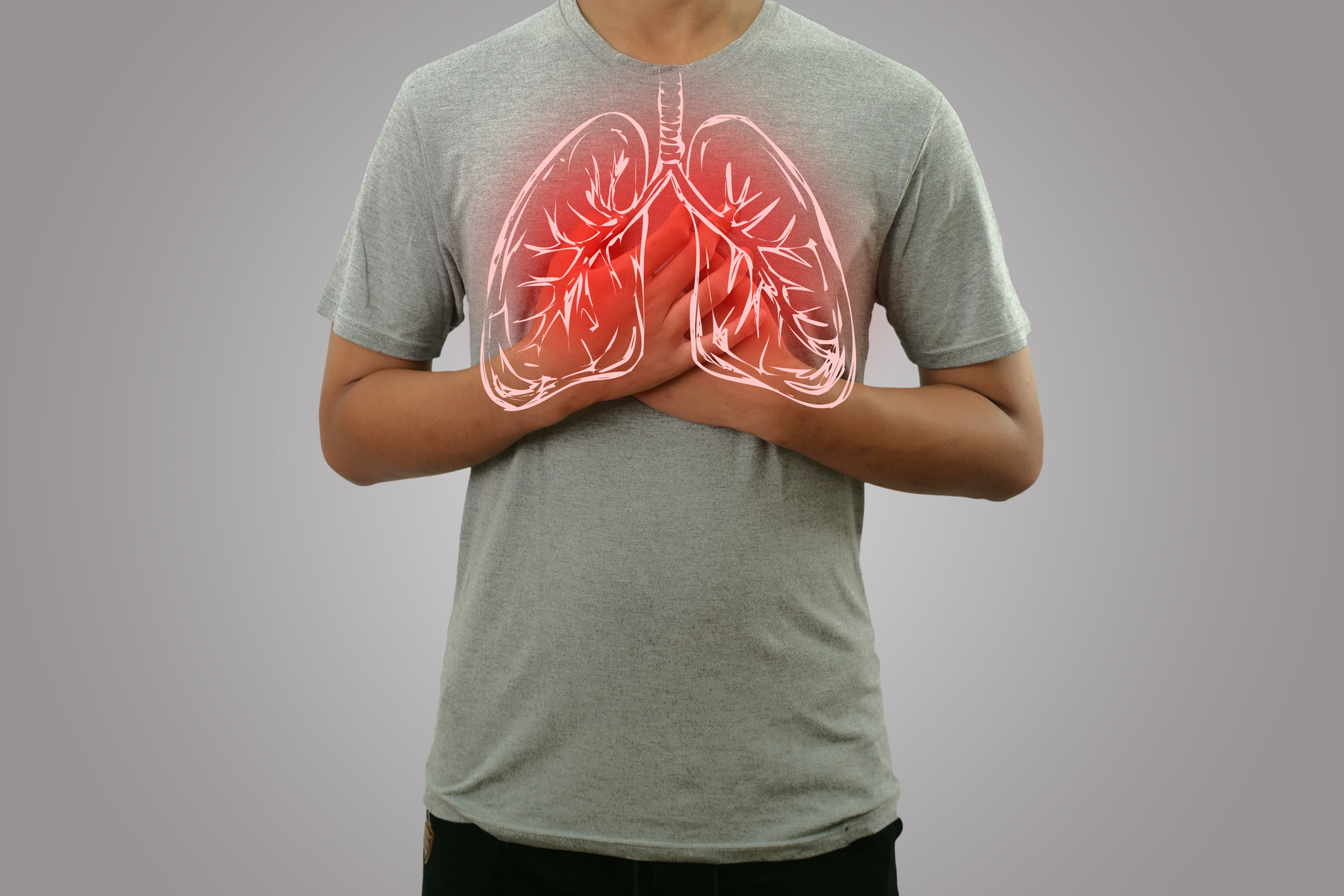
The European Journal of Internal Medicine has just published the results of a randomized and controlled clinical trial evaluating the effect of L-arginine combined with liposomal vitamin C when given to people with chronic obstructive pulmonary disease (COPD). Previous research has suggested that L-arginine metabolism is disturbed among people with COPD, with less L-arginine available…
-
Lp(a) & Cardiovascular Health
Panvascular disease, or PVD, is an emerging clinical concept referring to a multisite atherosclerotic process that occurs simultaneously or sequentially, affecting multiple vascular beds (e.g., coronary, cerebral, peripheral, etc.). With this approach as its focus, the journal Lipids in Health and Disease published a review which looked at the significance of lipoprotein(a) in PVD. Lipoprotein(a)…
-
Seed Oils’ Impact on Health

After over a half century of public health advice warning against diets high in saturated fat, the finger is starting to point toward oils rich in polyunsaturated fatty acids (PUFAs) as contributing factors in a range of adverse health outcomes. A paper published recently in Frontiers in Nutrition introduces a theory that puts refined, bleached,…
-
Gene-Diet Interactions in Type 2 Diabetes

The journal Genes (Basel) has published a review of gene-diet interactions in type 2 diabetes mellitus (T2D), describing both the current understanding of genetic risk as well as potential approaches to target genetic risk with nutritional interventions. There is a clear role for hereditary risk in T2D, with first-degree relatives of people with T2D at…
-
Cranberry Powder & Recurrent UTIs

Researchers in Australia recently published the results of their 6-month randomized, placebo-controlled, and double-blinded clinical trial in The American Journal of Clinical Nutrition, reporting on the efficacy of supplementing with whole cranberry fruit powder for women with recurrent urinary tract infections (UTIs). 150 women with a history of recurrent UTIs, defined as ≥ 3 UTIs…
-
Iron Deficiency & Brain Development
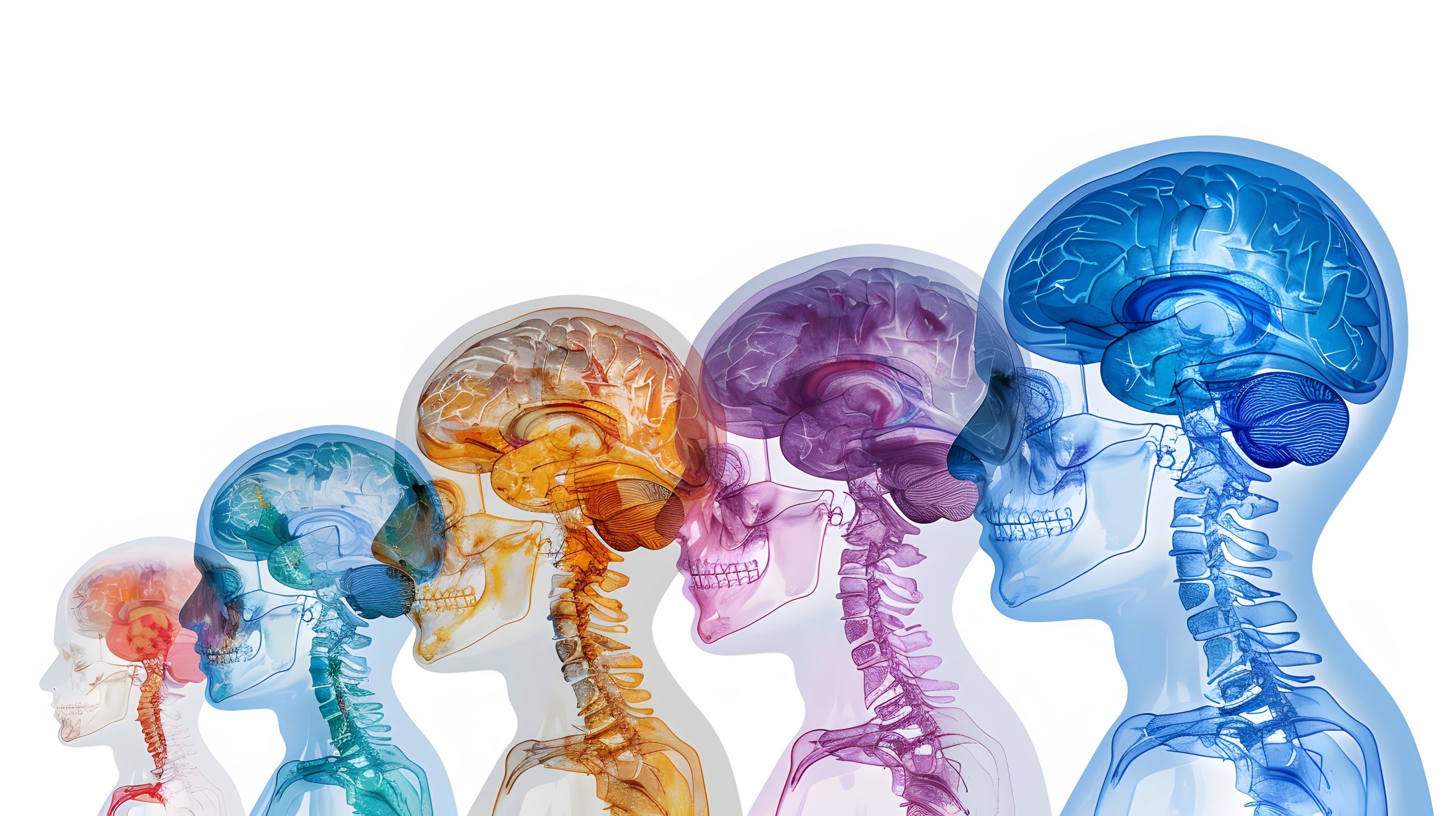
JAMA Network Open has recently published the results of an imaging study detailing the association between iron deficiency (ID) without anemia and several markers of brain development among adolescents. ID without anemia is often defined by ferritin levels, though the cut-off is still a matter of debate; a ferritin < 15 ng/mL was the criterion…
-
The Vaginal Microbiome & Immune Response

The vagina hosts a dense and distinct microbial ecosystem, comprising approximately 10¹⁰–10¹¹ bacteria. These microbiota, typically dominated by Lactobacillus species, engage in a symbiotic relationship with the host by producing antimicrobial compounds such as lactic acid, hydrogen peroxide, and bacteriocins. These metabolites help maintain an acidic pH and inhibit pathogen colonization, forming a critical component…
-
T-Cells in Brain

A recent study from Yale School of Medicine, published in published in Nature, has revolutionized our understanding of the brain’s immune system by revealing that T cells naturally inhabit healthy brains, challenging long-held beliefs about the brain’s immunological isolation. Traditionally, scientists believed the blood-brain barrier completely separated the brain from immune system activity, with immune…
-
Glucosamine & Diabetes

The Journal of International Medical Research published a meta-analysis and Mendelian randomization (MR) evaluating the association between glucosamine supplementation and the risk for type 2 diabetes (T2D). Extremely high dose animal studies followed by one previously published human study suggested that glucosamine supplementation might exacerbate insulin resistance when used with osteoarthritis. However, it was too…
-
Multivitamins & Prostate Health

Results of a longitudinal observational cohort study were recently published in European Urology Oncology, describing the association between multivitamin use and the recurrence of prostate cancer. This study included nearly 1400 men with nonmetastatic cancer who underwent radical prostatectomy or radiation therapy and were enrolled in the Cancer of the Prostate Strategic Urologic Research Endeavor…
-
Riboflavin & Bone Health

An analysis published in the Nutrition Journal suggests that an increased consumption of riboflavin, vitamin B2, is associated with a lower risk of developing osteoporosis. Data was collected from over 4,000 women participating in the National Health and Nutrition Examination Survey (NHANES), a cross-sectional representative study of the U.S. population, including estimates of riboflavin intake…
Shop Our Brands: