-
Regenerating the Brain’s Immune System Boosts Memory
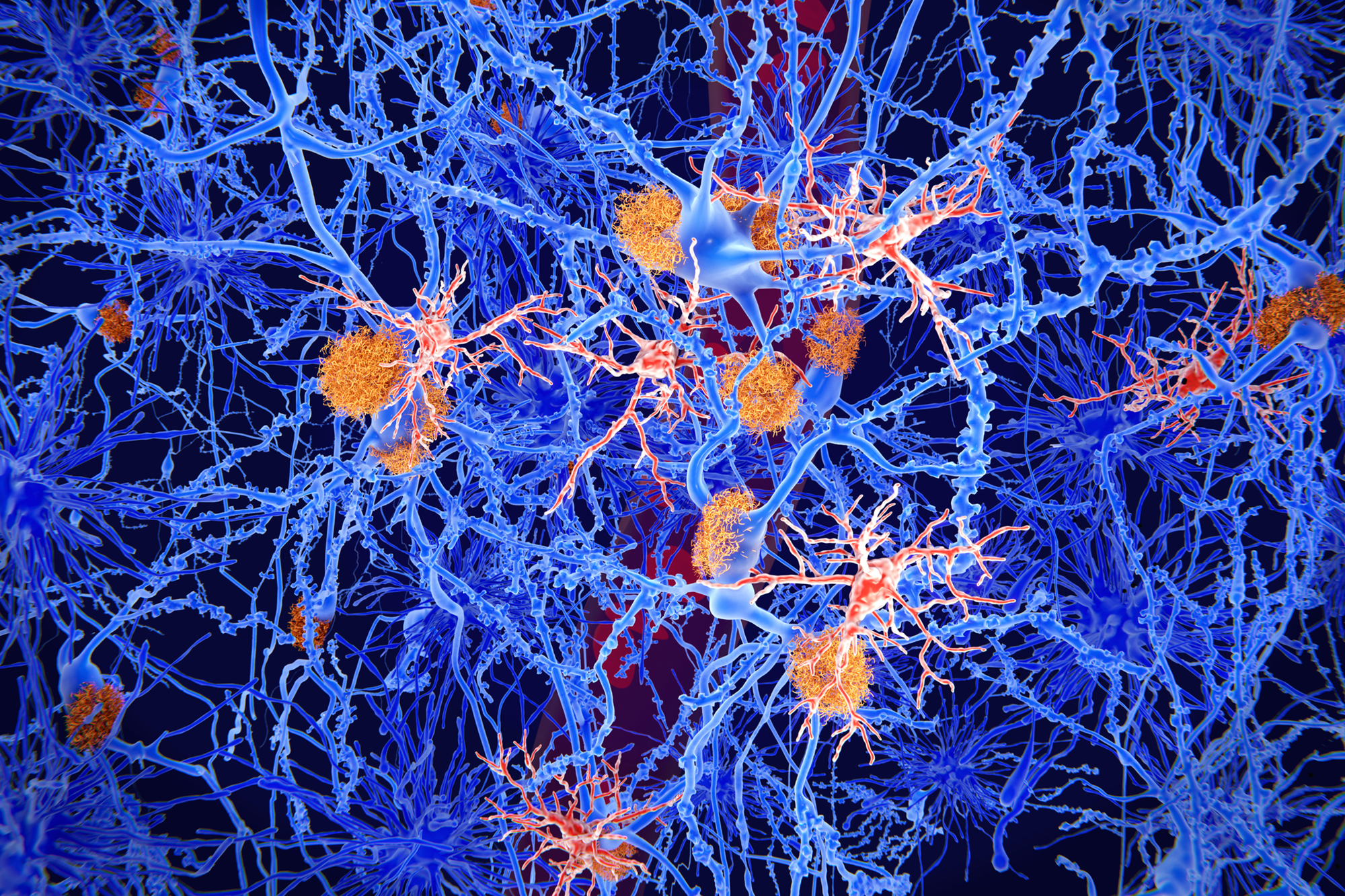
A fascinating new paper published in the Journal of Neuroinflammation, by RMIT University, has found that the brain’s microglia (part of the brain’s immune system) can be activated to either inflame and negatively impact neurodegenerative diseases, or protect the brain’s immune system, impacting the ability to learn and remember. Previously we thought that the microglia,…
-
Realizing the Promise of Lifestyle Medicine

The popular catch-phrase “patient-centered care” is often used, but may be missing the mark in many cases. Another catch phrase is “data-driven strategy” but are medical practices taking the time to understand what the data is telling them? Recent studies have attempted to decode these dynamics. In this article, we propose a new approach to…
-
New Survey Reveals High Demand For Telemedicine

A new survey of over 1,000 people has revealed that 81% would choose telemedicine for their next medical appointment.
-
How To Successfully Launch An Online Program

There’s always something new to learn about launching an online program, no matter how many times you’ve launched one. Tools are constantly being developed to provide new ways of targeting prospects from your ideal audience more exclusively and powerfully during a launch. Your audience’s expectations and digital behavior can alter. However, the nuts and bolts…
-
Study Reveals the Mapping of the Human Immune System

In a recent 2020 paper published in Science, researchers from the Wellcome Sanger Institute, Newcastle University, and Ghent University, Belgium, mapped thymus tissue throughout the human lifespan. They were looking to better understand how T cells, which are human immune cells, are produced by the thymus gland. T cells are released from the thymus gland…
-
Immunoglobulins For Digestive, Immune and Sports Nutrition Support
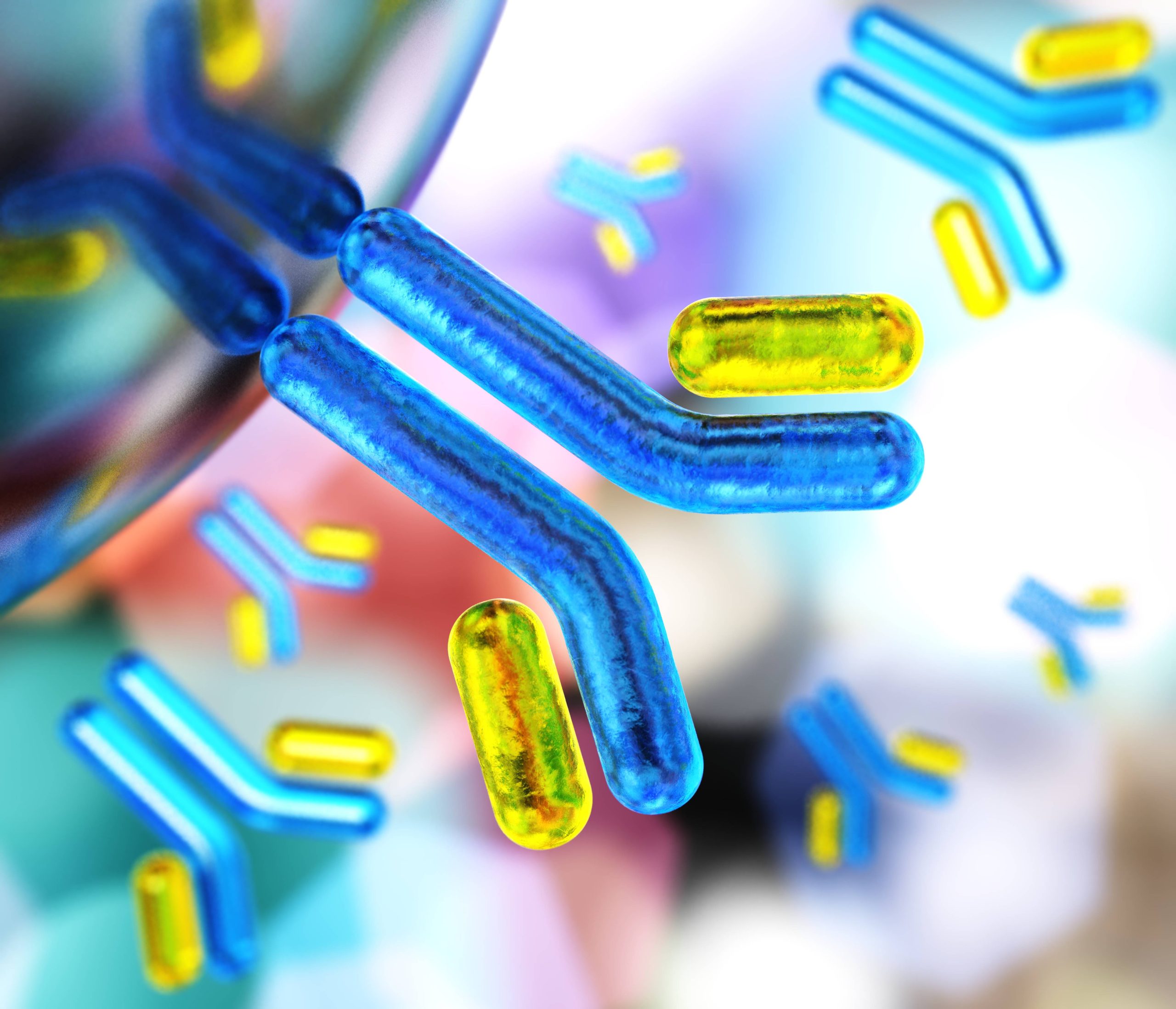
A healthy digestive system breaks down foods and liquids into carbohydrates, fats, and proteins so the body can absorb them as nutrients for growth and energy. It also contains much of the body’s immune system, protecting against pathogens or other toxic substances consumed in food or water. As with all complicated systems, the human digestive…
-
New Study Shows Microbiome Influences Antibody Production

Because the microbiota is so complex, containing hundreds of different bacterial species, it was not known how the presence of microbes in the intestine shaped the antibodies that are present even before we are challenged by an infection. Researchers have now shown how beneficial microbes reprogram white blood B cells that produce antibodies and how…
-
Upregulating Microbiome Health to Boost Immunity
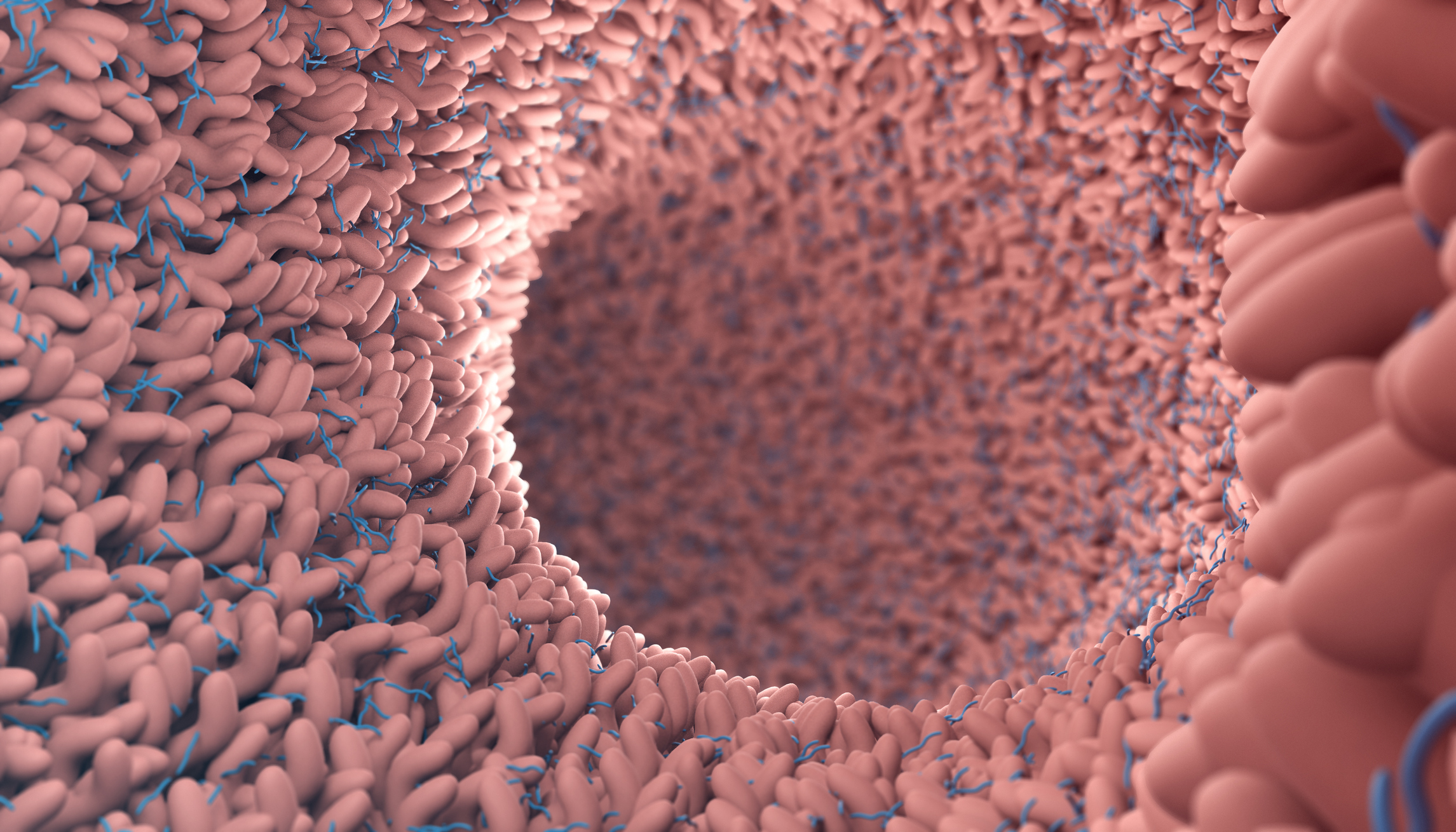
The field of immunology is at a fascinating crossroad. In recent years, immunological research has evolved to include an understanding of tissue microenvironments as a fundamental determinant of immune responses. This area of research has led to the integration of the microbiota as a regulator of immune responses.
-
Microbiota Affect Your Nervous System Via a Gut-Brain Circuit
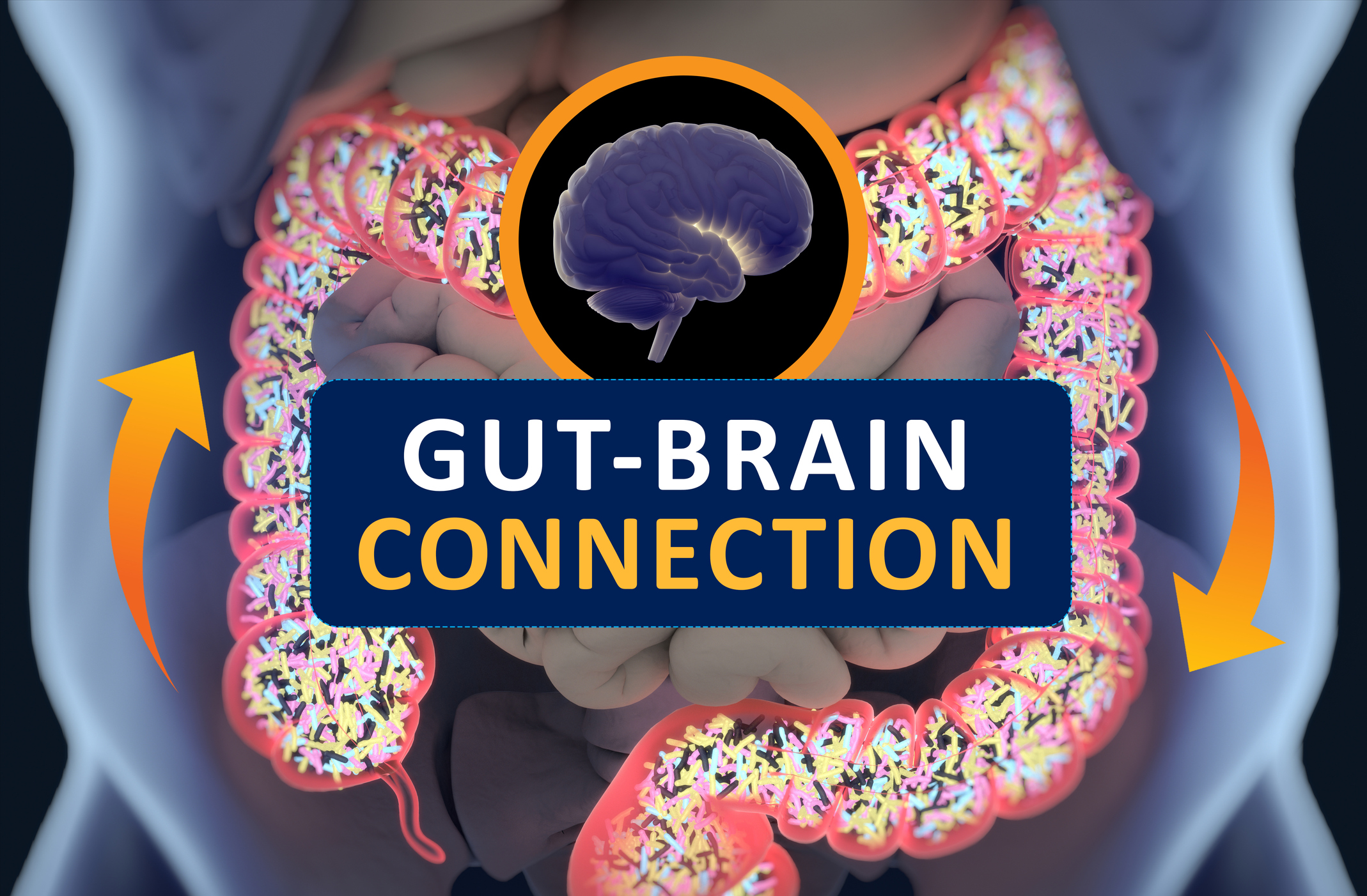
Researchers published in the journal Nature analyzed the gut-brain connection in mice and found that there is evidence of sympathetic nervous system activation outside of the gut and that it is controlled by microbiota via a gut-brain circuit.
-
Healthy Blood Sugar Levels 101

According to the World Health Organization (WHO), there are 422 million people with diabetes mellitus (DM) and 318 million with impaired glucose tolerance (dysglycemia). This is an important public health issue that requires attention given its relationship to a plethora of chronic diseases as well as economic burden. We know that overweight (BMI > 25)…
-
How Omega-3s Support Your Body’s Immune Response

Boosting your immune system is one of the most beneficial steps that you can take to enhance overall health, and now more than ever we would like to do what we can to optimize our health.
-
Rituals are Life Hacks for Stress Reduction

For many, having to quarantine has produced anxiety. One finding in a recent paper published in the Philosophical Transactions of the Royal Society suggests this could be due, in part, to the fact that our human rituals, like weddings, parades, and funerals, have been canceled. Dimitris Xygalatas, Assistant Professor of Anthropology at the University of…
-
Study Connects Biological Clock to Overeating and Obesity

In a study published in the journal Current Biology, Güler and his team explored the connection between the pleasure center of the brain and our internal biological clock. Looking at the 24/7 availability of high-calorie foods and how regular consumption and snacking can lead to obesity in mouse models. Güler and his team found that…
-
9 Ways to Strengthen Children’s Immune Systems

The immune system is not one single entity – it’s a complex interconnected system that evolves as we age. Apart from fighting viruses, bacteria, fungi and parasites, the immune system also plays an important role in tissue repair – wound healing, elimination of dead cells, and formation of gut microbiota.
-
A New Study Exposes the Mechanism Behind Sugar Cravings

A new paper published in the journal Nature has shown that the gut-to-brain activity of sweetness is specific to sugar molecules, but not artificial sweeteners. The sugar sensing pathway that was discovered by Charles Zuker, and his team, at Howard Hughes Medical Institute provides insight into the neural basis for sugar preferencing. Zuker urges us…
-
Key Foods to Boost the Immune System

The immune system provides a robust anatomical barrier that serves as a host defense mechanism. One of these anatomical barriers is the gastrointestinal tract, inside which there are many defense mechanisms such as peristalsis, gastric acid, bile acids, digestive enzymes, flushing, thiocyanate, defensins and gut flora. The gut flora (microbiota) is a key focus for…
-
High Dietary Fiber Intake Improves Overall Health

A review of studies and trials conducted over the last 40 years has shown that there is a link between eating more dietary fiber and whole grains and a lower risk of non-communicable diseases such as coronary heart disease, type 2 diabetes, and colorectal cancer.
-
Optimizing Blood Sugar Health

According to the World Health Organization (WHO) there are 422 million people with diabetes mellitus (DM) and 318 million with impaired glucose tolerance (dysglycemia). This is an important public health issue that requires therapeutic measures given its relationship to a number of chronic diseases as well as economic burden. We know that being overweight (BMI…
-
Top 5 Global Wellness Trends in 2020

The global wellness industry is currently worth $4.5 trillion and growing. In fact, the health and wellness industry is growing faster than any other sector. The wellness industry delivers a wide range of solutions to help people achieve mental and physical wellbeing. This is a vast area that not only incorporates food and fitness, but…
-
Why We Can’t Stop Putting Our Hand in the Candy Dish

A national team of researchers has identified a circuit in the brain that appears to regulate impulse control and be associated with psychiatric disorders ranging from overeating to drug abuse.
-
The Mediterranean Diet Changes the Gut Microbiome in Older People

A new study investigated the role of the Mediterranean diet on the gut flora of an elderly group over one year, and the results showed an improvement in health outcomes and reduced frailty.
-
Foods to Eat & Avoid for Optimal Microbiome Health

Everyone’s gut microbiome is unique and evolving. Harmonizing the gut, by keeping the trillions of microbial residents in balance is a key to health and wellbeing. Whenever there is dysbiosis or a loss of diversity in the gut microbiota, there is often discomfort and disease can develop. 97 million Americans (between 10 and 30% of…
-
Molecule Links Weight Gain to Gut Bacteria
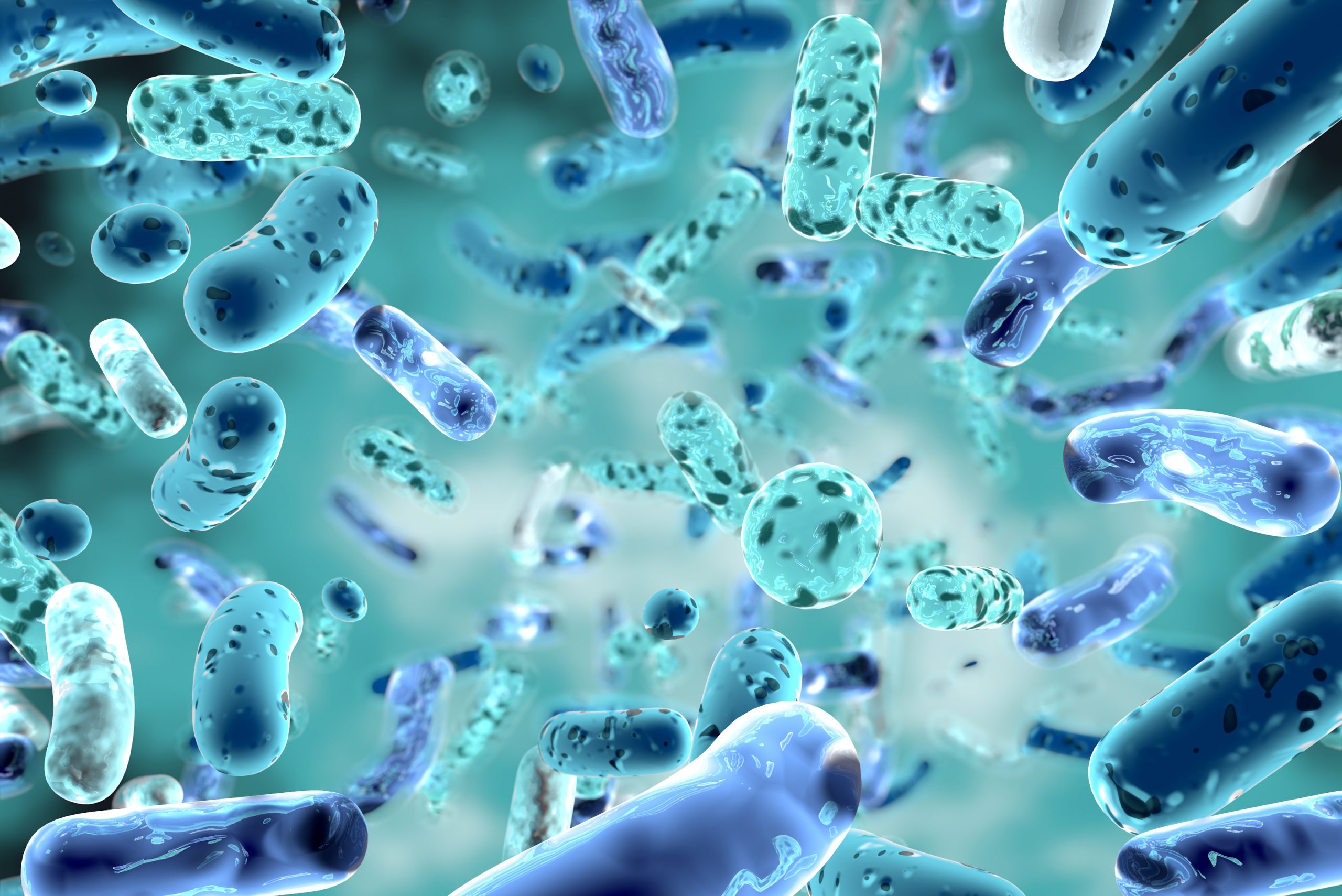
UT Southwestern scientists have discovered a key driver behind the communication that helps synchronize nutrient absorption in the gut and the rhythms of the Earth’s day-night light cycle.
-
Avoid the #1 Health Business Mistake in 3 Steps

One of the most frustrating problems you can experience in business is marketing your business and getting little or no results. If you’ve educated yourself, you’ve done the due diligence and you’ve used business growth tactics and principles that have worked for countless others, and you’re still not getting impressive results, consider if you’re making…
-
Dietary Fiber Sources That Upregulate Microbiome Health

Eating foods high in dietary fiber leads to healthy outcomes. Examining the research into fiber fosters an appreciation for the molecular diversity and variations of fiber types, as well as the role fiber plays as a substrate for gut microbial metabolism. Dietary fiber impacts both the function and composition of the microbiota yielding physiologic responses…
-
Avocados Support Healthy Weight Management

Scientists have shown for the first time that a compound found only in avocados may inhibit processes in the pancreas that usually lead to diabetes and obesity.
-
New Microbiome Study Has Major Implications For Weight Control
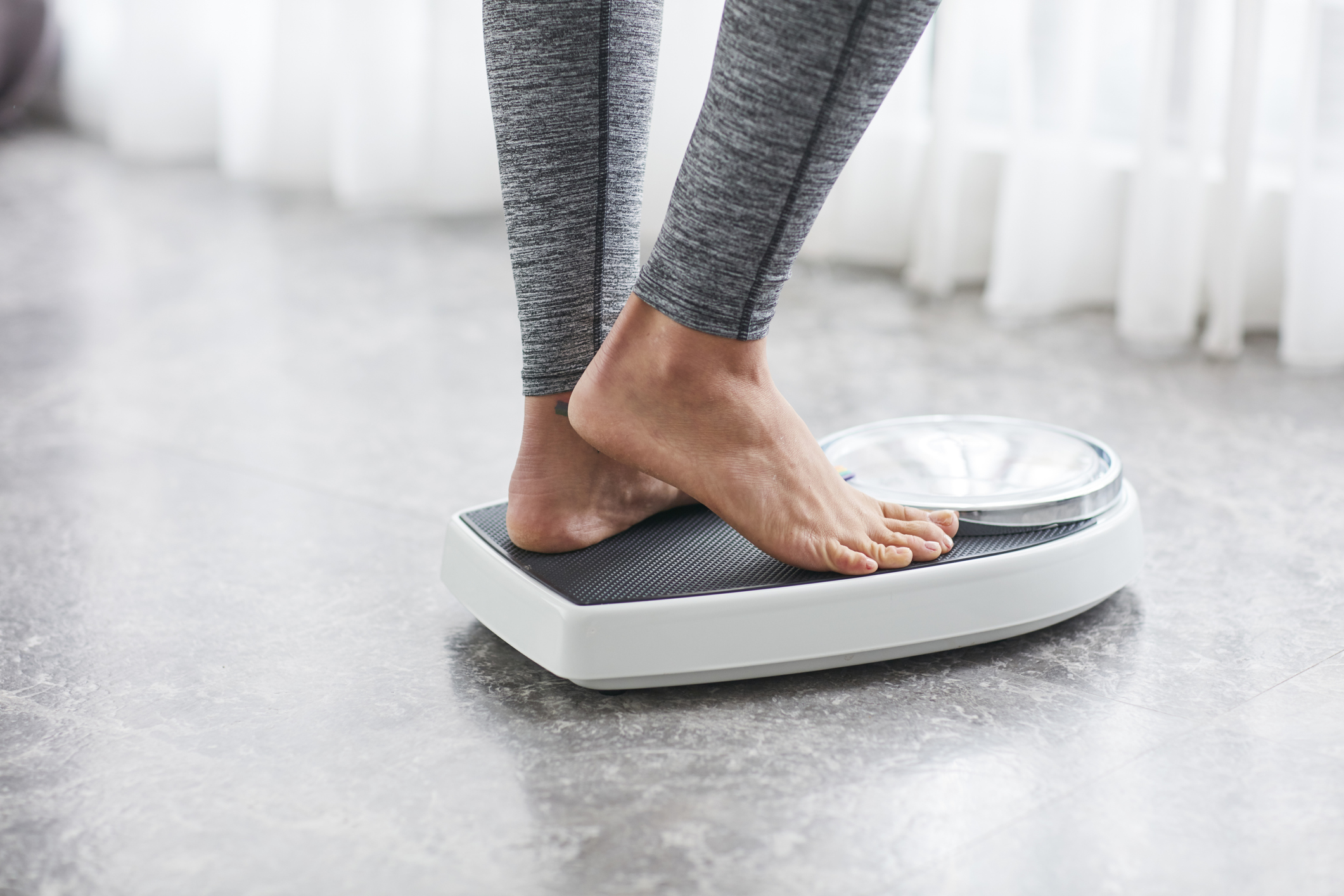
A new study has been published in Science by UT Southwestern Medical Center. Dr. Lora Hooper, Chair of Immunology and her team discovered that “good bacteria” programs the metabolic rhythms of the body. More specifically, they found that a protein named deacetylase 3 (HDAC3) was activated by microbes. HDAC3 is a protein made by cells…
-
9 Benefits of Healthy Fats

Contrary to what some people believe, the idea that fat is bad for you — as well as fat will make you fat — are both common misconceptions. The truth is that your body needs fat to function. This macronutrient is a major source of energy and so much more. These essential fatty acids help…
-
Improving Gut Health For Weight Loss

Gut bacteria play several roles in host metabolism and overall health. They produce certain vitamins (K, folate, thiamine, other B vitamins, and tryptophan) and communicate with the immune system in addition to a plethora of other roles including influence on mood and weight regulation.
-
High Dietary Fiber Intake Improves Overall Health
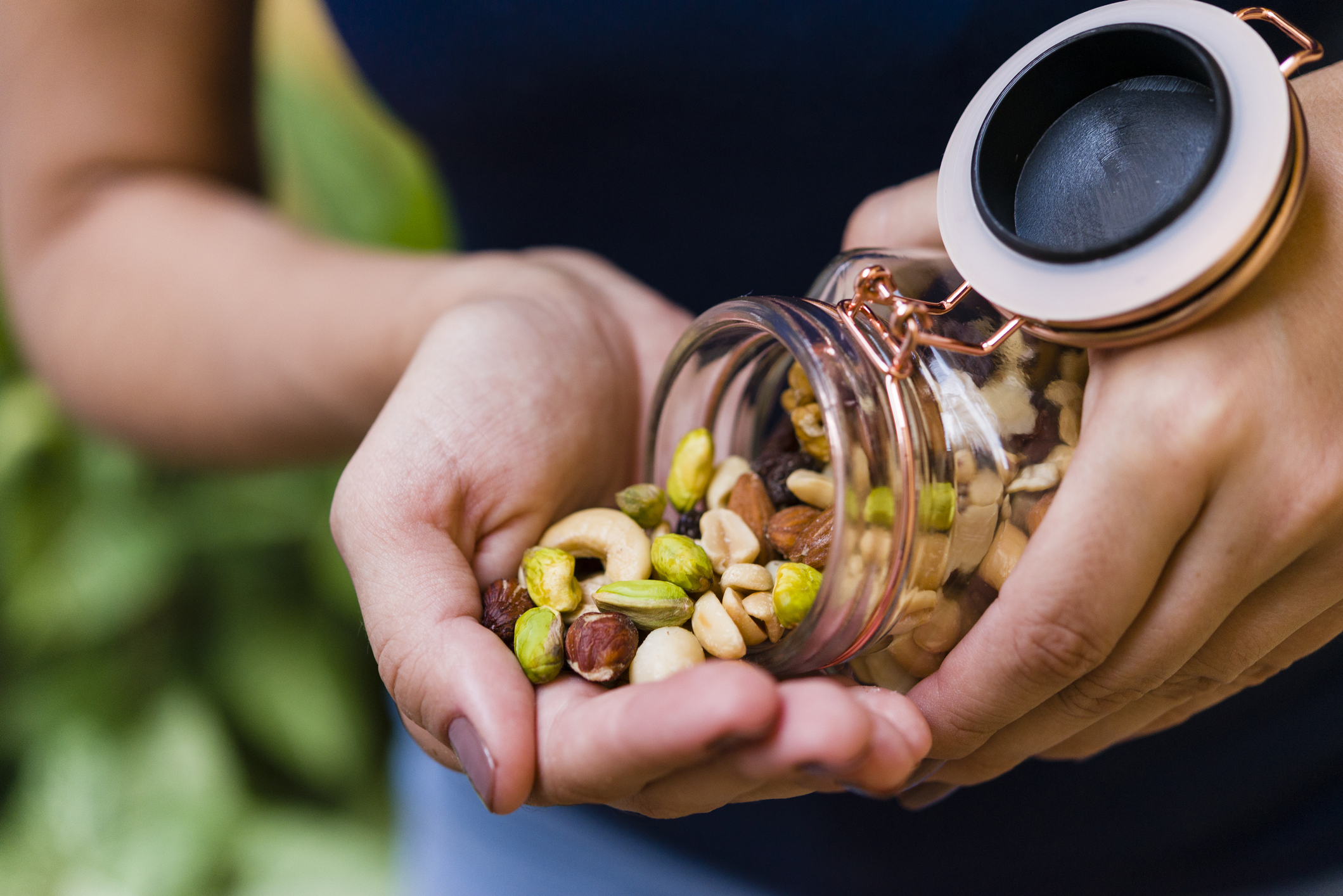
A review of studies and trials conducted over the last 40 years has shown that there is a link between eating more dietary fiber and whole grains and a lower risk of non-communicable diseases such as coronary heart disease, type 2 diabetes, and colorectal cancer.
Shop Our Brands: