-
New Frontiers in Fish Oil – Part One
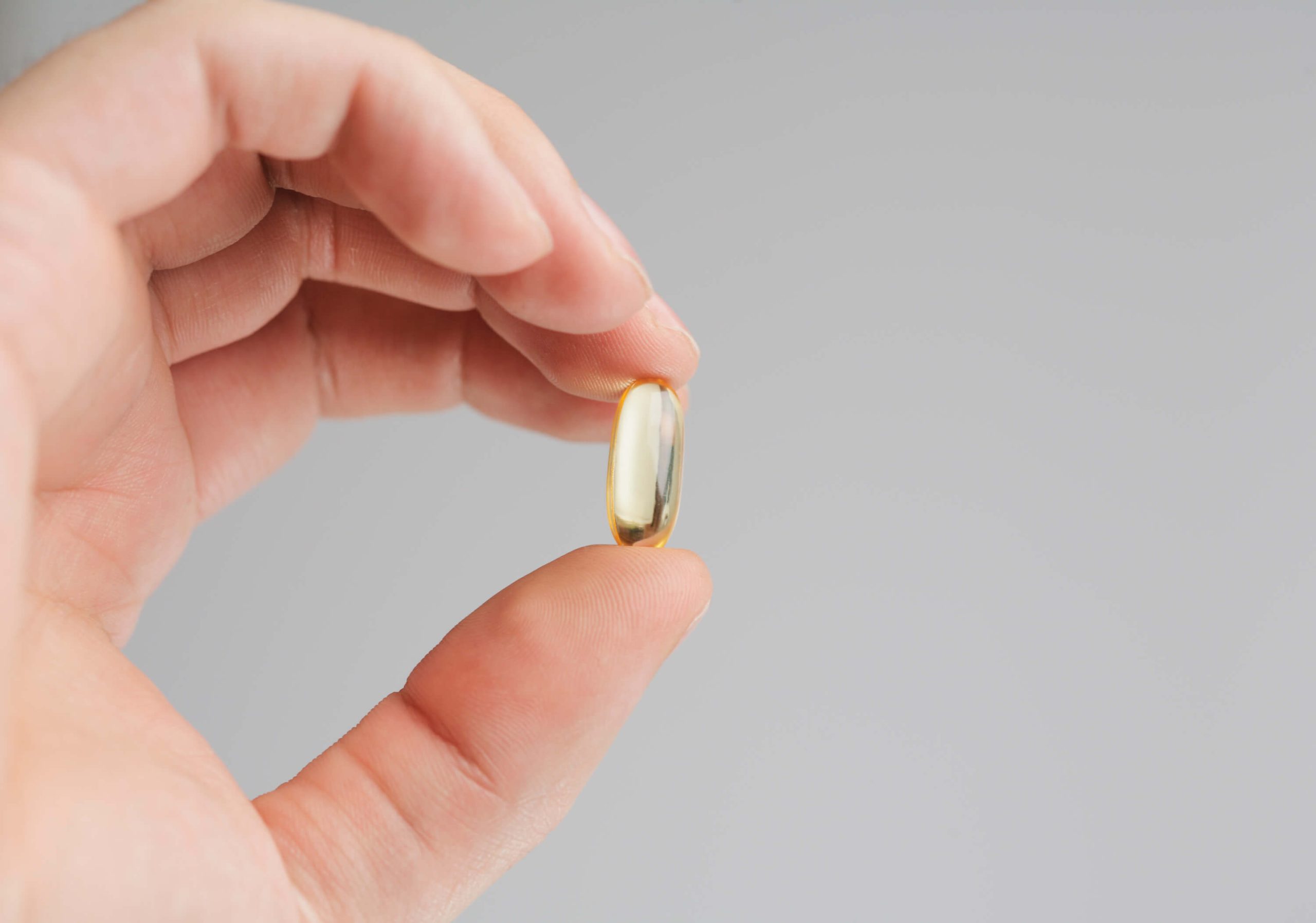
This is part one of a two-part series on the benefits of omega-3 fatty acids and fish oil. Stay tuned for part two about how to incorporate fish oil into a regular diet. From supporting cardiovascular health to promoting ideal body composition to optimizing inflammatory pathways, omega-3’s substantive impact on a wide variety of health…
-
Obesity and the Microbiome Influence
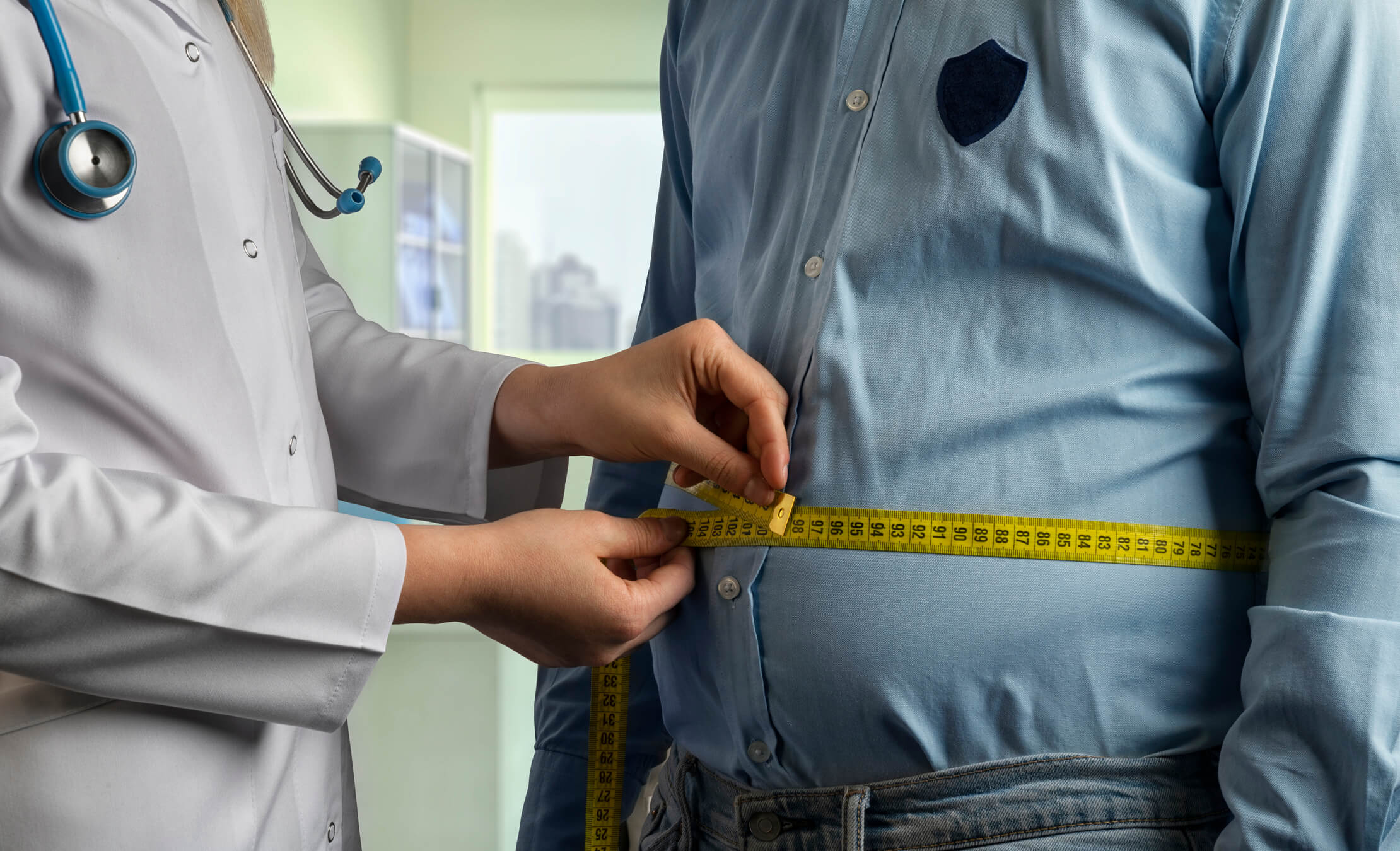
The gastrointestinal tract is an ecosystem that has a huge impact on human health. Research has shown the floral content of the intestine plays a role in obesity, allergies, inflammatory bowel disease, cancer, and even psychiatric disorders. A new animal study shows how fiber favorably affects the microbiome, and influences metabolism. Researchers assigned four different…
-
Eat Your Thylakoids!
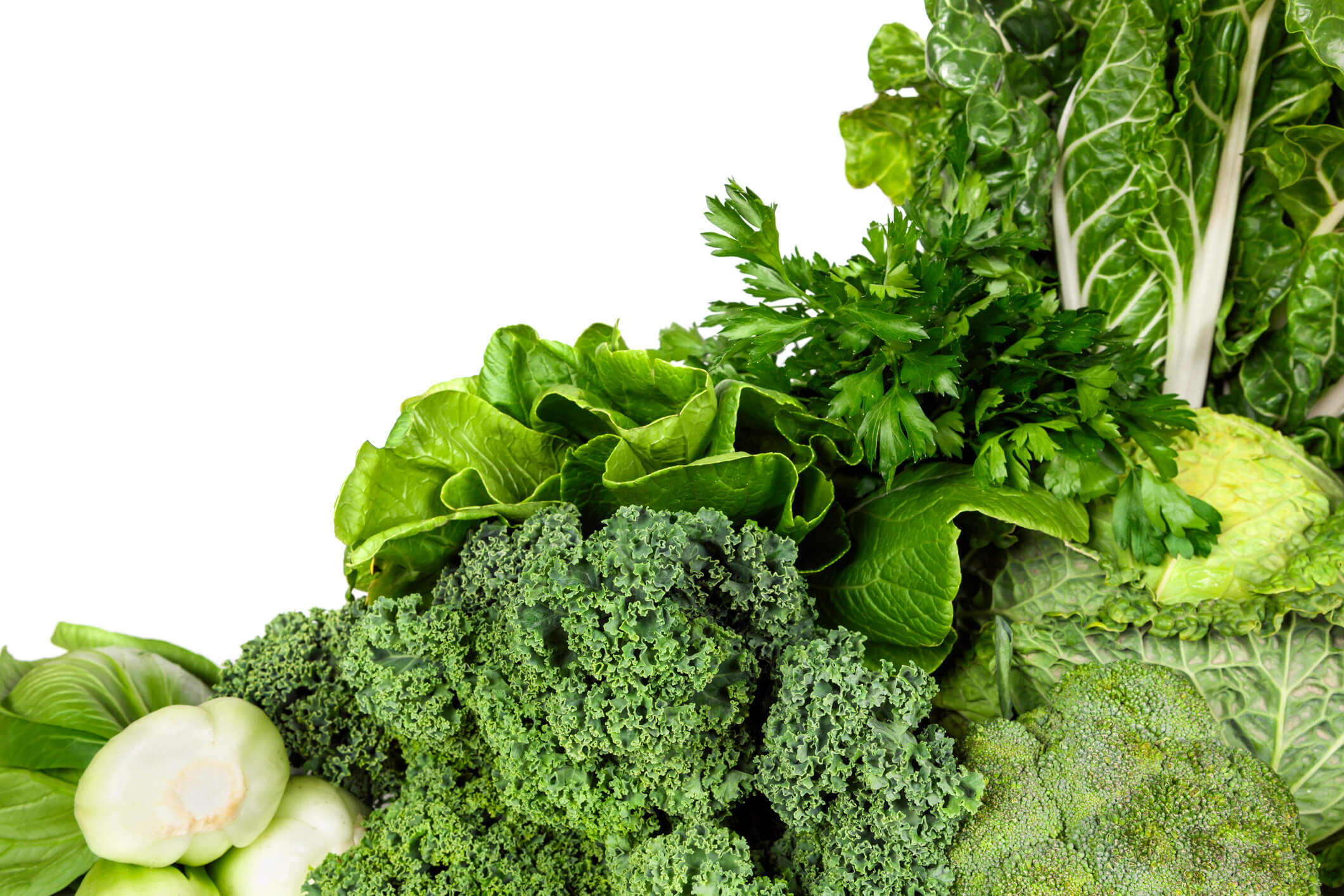
Most nutrition experts agree that we need to “eat more veggies” as part of a healthy diet. Consuming more leafy greens (spinach, kale, collards, etc) may, in fact, be one of the most important components for overall health and weight loss. In addition to containing a host of fibers, vitamins, minerals and other micronutrients, leafy…
-
Zinc and Hypertension
New research links zinc deficiency to hypertension. Zinc is involved with hundreds of enzyme systems and has other health implications. Zinc has been shown to be beneficial for learning and cognition and is also recommended for people with a genetic predisposition to heart disease. It may even mitigate certain degenerative effects of aging. Some research…
-
5 Surprising Things that Hurt Your Microbiome
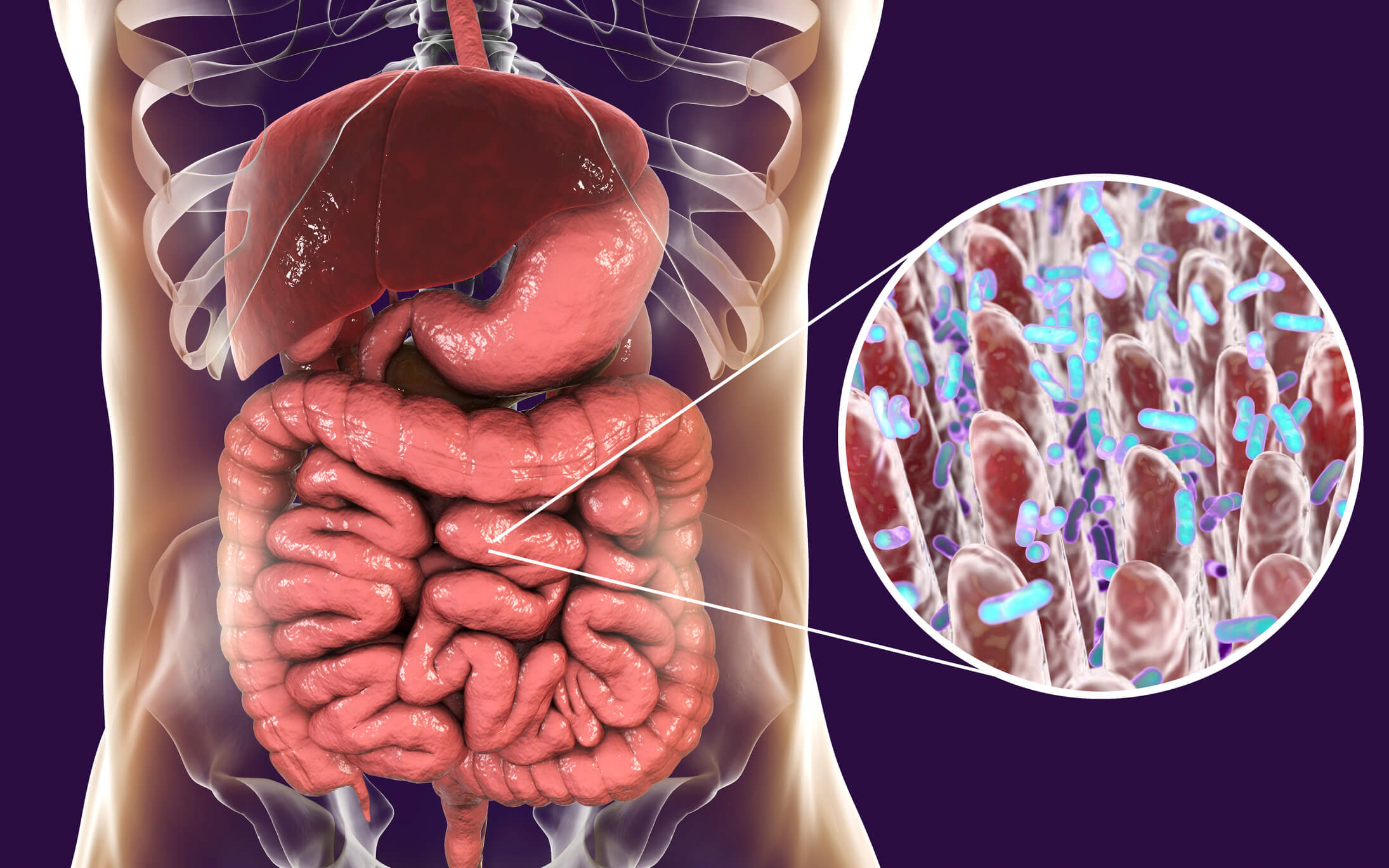
The human gut contains trillions of bacteria – also referred to as the gut flora or microbiome – and these tiny unicellular organisms play an unfathomable role in overall health. For instance, a healthy gut flora has been shown to improve gut health, heart health, brain health, weight management and blood sugar regulation, among others.
-
Probiotics May Directly Affect Breast Milk Carbohydrate Composition

New research has revealed a possible two-way connection between maternal dietary microbes and the makeup of the oligosaccharide sugar molecules found in human breast milk. Until recently, it was thought that oligosaccharides affected the microbial communities within an infant’s gut, acting as prebiotics that then decreased their risk of certain infections, conditions and diseases. Studies…
-
Astragalus: The King of Herbs

Astragalus, also known as Milkvetch or huáng qí in Chinese, is an herb that has been used for hundreds of years, with its roots in traditional Chinese medicine. One of the few all-purpose herbs used, it is believed to support a wide array of biological functions. Despite the fact that Astragalus has over 2,000…
-
Fiber, Back in Fashion
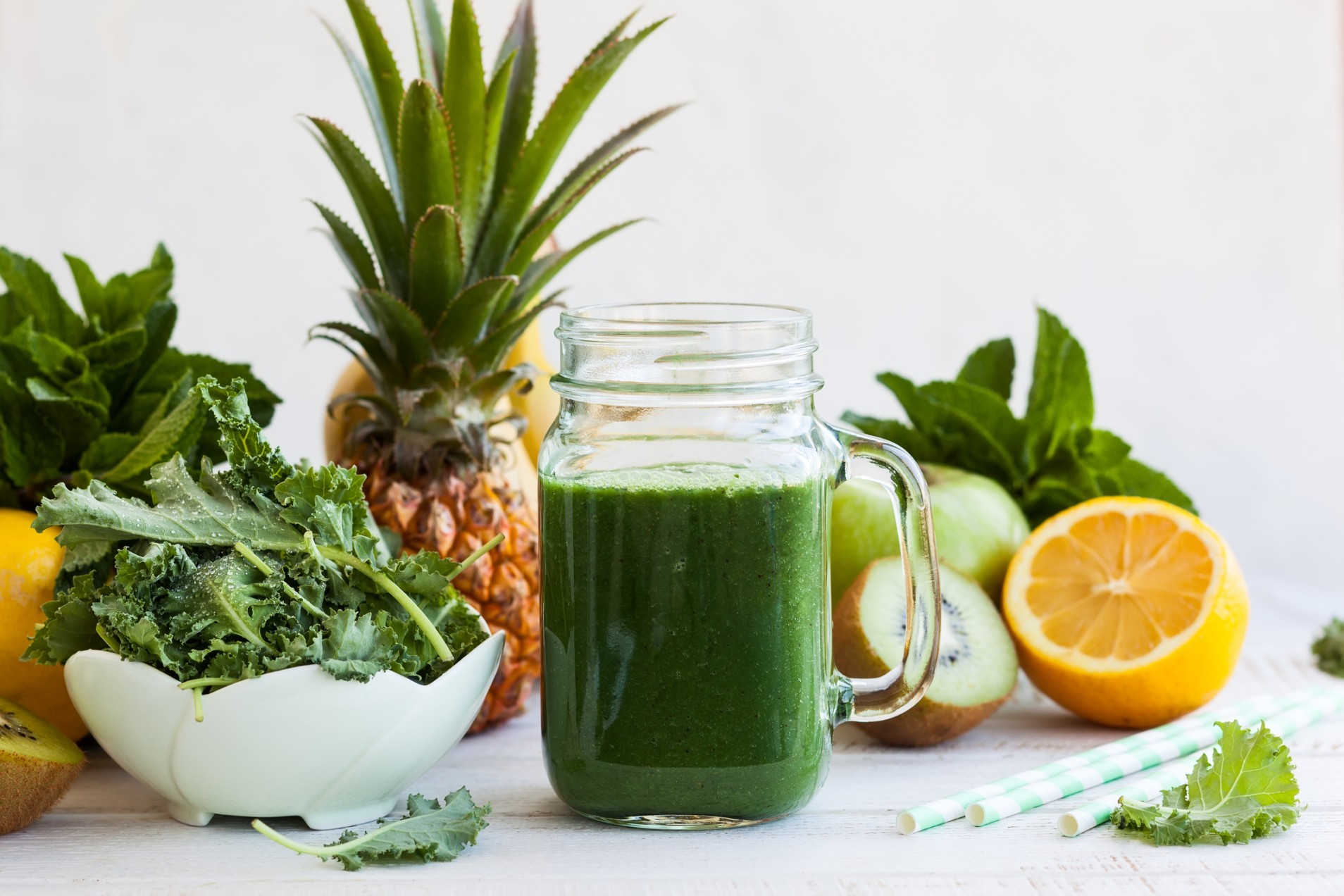
Fiber is back in the news. Most people have heard it before; sugar and refined carbohydrates are bad, and vegetables and whole grains are good. However, a recent review of research, published in The Lancet, attempts to give a broader view of the effect that carbohydrate quality has on overall health. This new study is…
-
Sleep and DNA Methylation

A recent study led by Jonathan Cedernaes and researchers at Uppsala University reported that the consequences of acute sleep loss on weight gain are more than being hungry and making poor food choices. They demonstrated “how” sleep loss, shift work or sleep disturbances influence the epigenome and gene expression through DNA methylation. Numerous studies suggest…
-
Gut Microbiota and the Neuroendocrine System
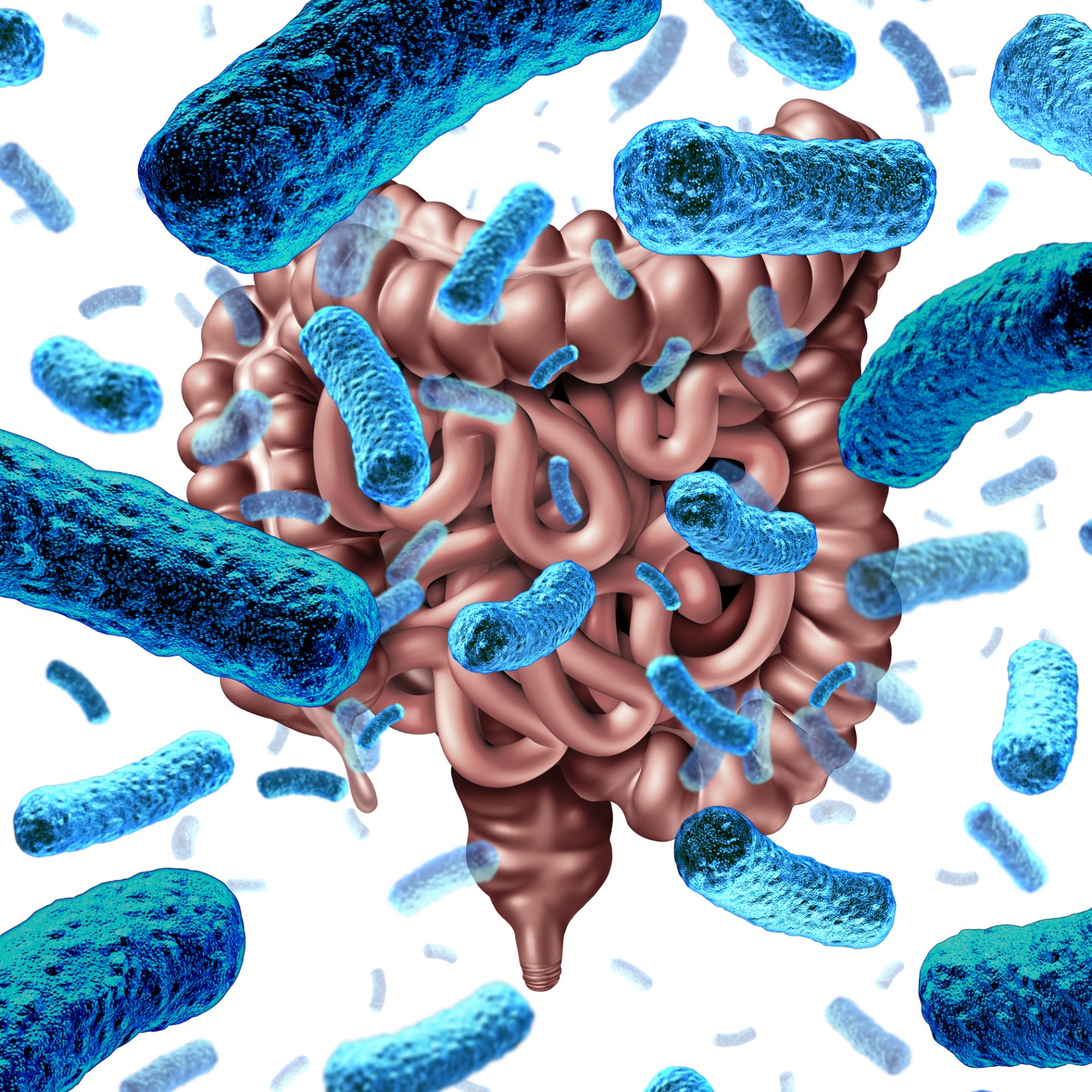
The gut-brain axis is undeniable, but specific mechanisms of influence continue to be investigated. Specifically, the gut microbiota is now considered the body’s major neuroendocrine system, controlling body processes including the stress response and the hypothalamic-pituitary-adrenal (HPA) axis. Back in the early 20th century, Nobel laureate, Ilya Metchnikoff, observed that the growth of cholera could…
-
Spice Up Your Microbial Health
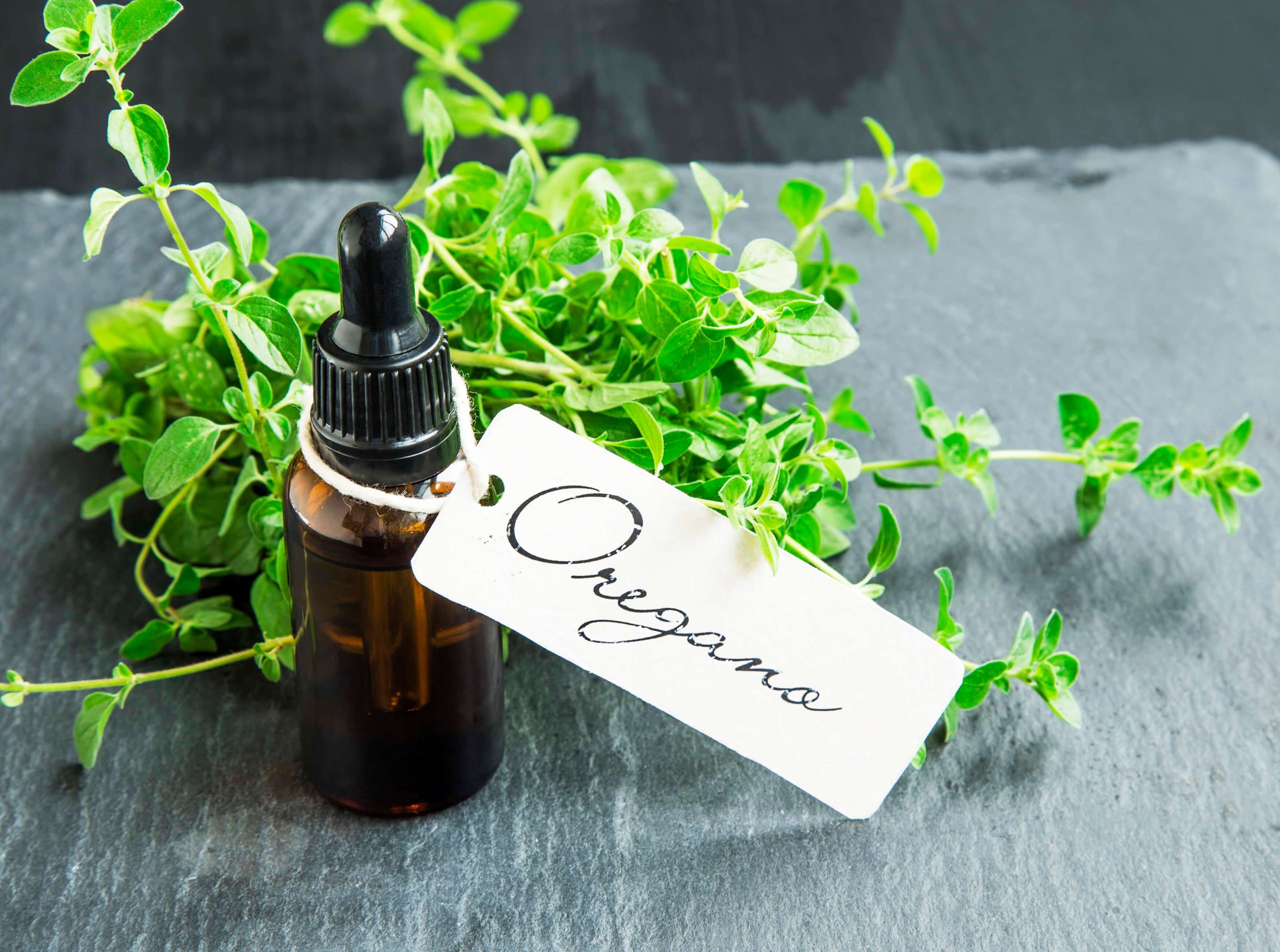
Among the many herbs and spices used to foster gut health is oregano. Derived from the Greek words “oros” (meaning mountain) and “ganos” (meaning joy), oregano was supposedly grown by the Greek goddess Aphrodite as a symbol of joy. Most known for its aromatic use in culinary dishes, oregano also has a history of medicinal…
-
New Study Links Omega-3s to Heart Health
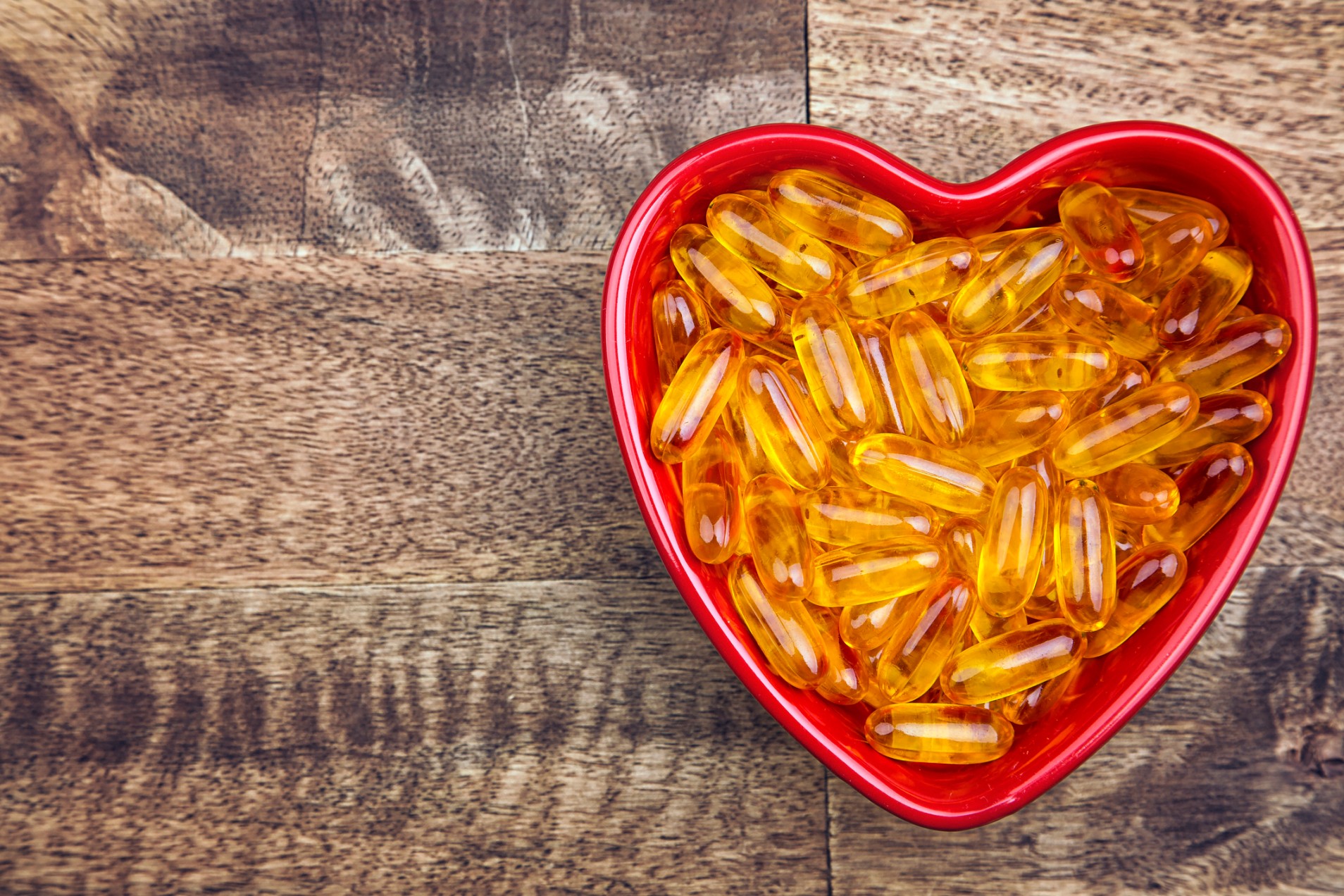
Recently published research investigated the omega-3 index in patients with heart failure to explore association and potential prediction of risk. The omega-3 index is the sum of EPA and DHA in erythrocyte membranes. Blood samples from 899 subjects with systolic heart failure were analyzed for fatty acid composition. The authors concluded, “Our results show a…
-
Exercise Your Guts Out

Exercise is good for us, yes? With its wide-range of benefits that include supporting heart, muscle and bone health, the short answer is yes. But could there be repercussions in over-exercising? For some people, yes; intense exercise can lead to leaky gut. In the literature, it is referred to as “exercise-induced gut permeability,” and the…
-
Another Vote for Coffee

The debate over whether or not we should be drinking coffee brews on. In a previous blog post, we weigh some pros and cons to drinking this delicious dark brown elixir (author is an admitted coffee junkie). Now we can add to the discourse results from a new study in the Journal of Internal Medicine…
-
Impact of Diet on Baby’s Microbiome
Whether you’re a would-be parent or your newborn is already safely in your arms, the joy and wonder of having a new member in your family can be truly exhilarating. But what most parents may not take the time to think about is the impact a baby’s diet has on their microbiome. The importance of…
-
Veggies Boost Brain Power
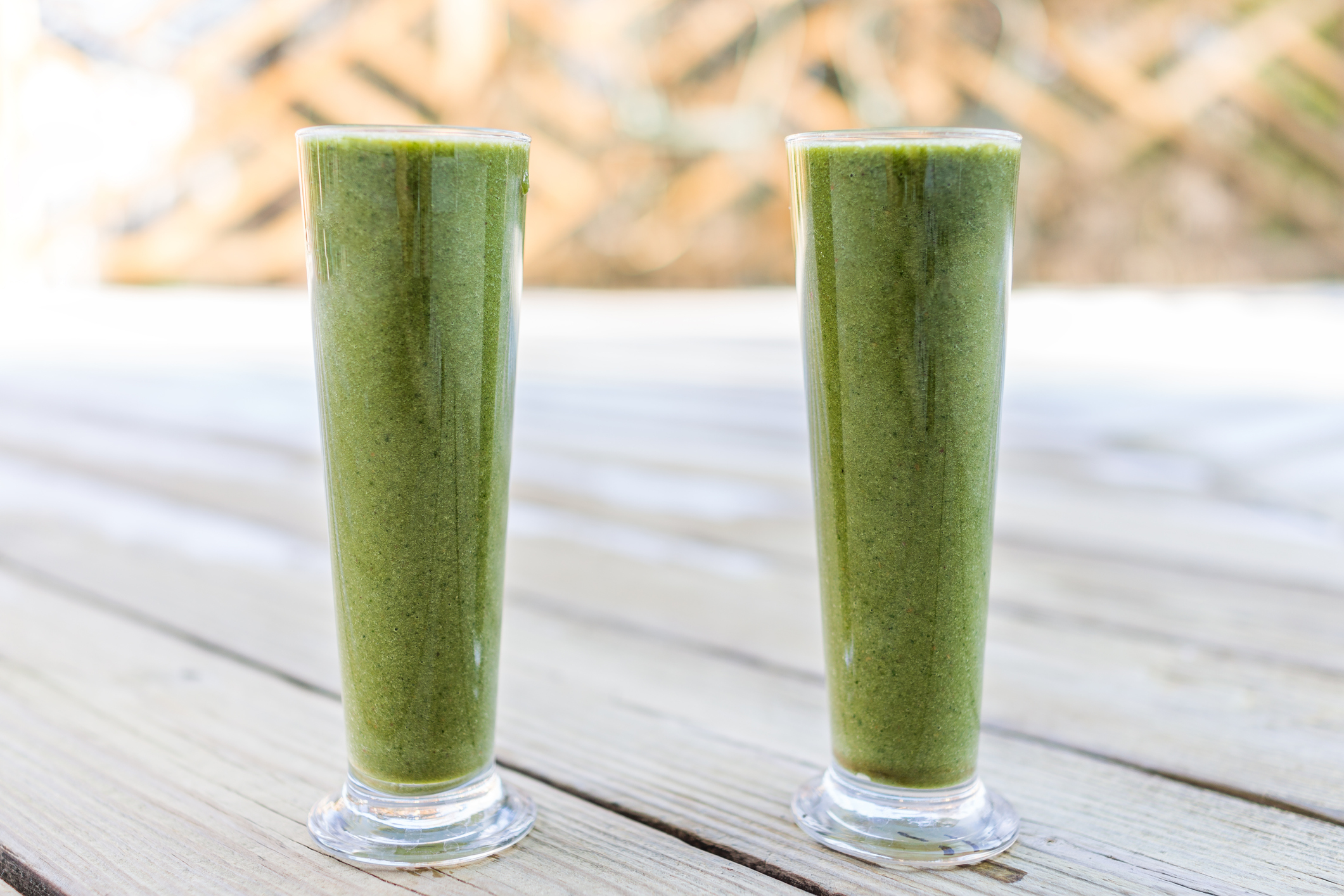
A new Harvard study highlights another reason why mother’s advice to “eat your veggies” is spot on for long-term health and, in particular, cognitive health. The study that started in 1986 and followed 27,842 men for 26 years was designed to highlight the impact of fruits and vegetables on subjective cognitive function (SCF). The subjects…
-
Do You Have Leaky Brain?

The NIH estimates that 20% of Americans have a diagnosable mental disorder, at a cost of $201 billion per year. The most common maladies are depression and phobias. In 2014, the CDC issued a report indicating that the U.S. suicide rate reached 13 per 100,000, the highest it had been since 1986. We are beginning…
-
Music and the Brain
Music has healing power,” Elton John once said, and recent research confirms this. Although aging and cognitive decline are affected by a wide variety of factors, music may be one factor that enhances cognition. A new study looked at the impact musical practice has on neurocognitive aging. The paper was a systematic meta-analysis of studies dealing with…
-
Detox Your Fat Cells
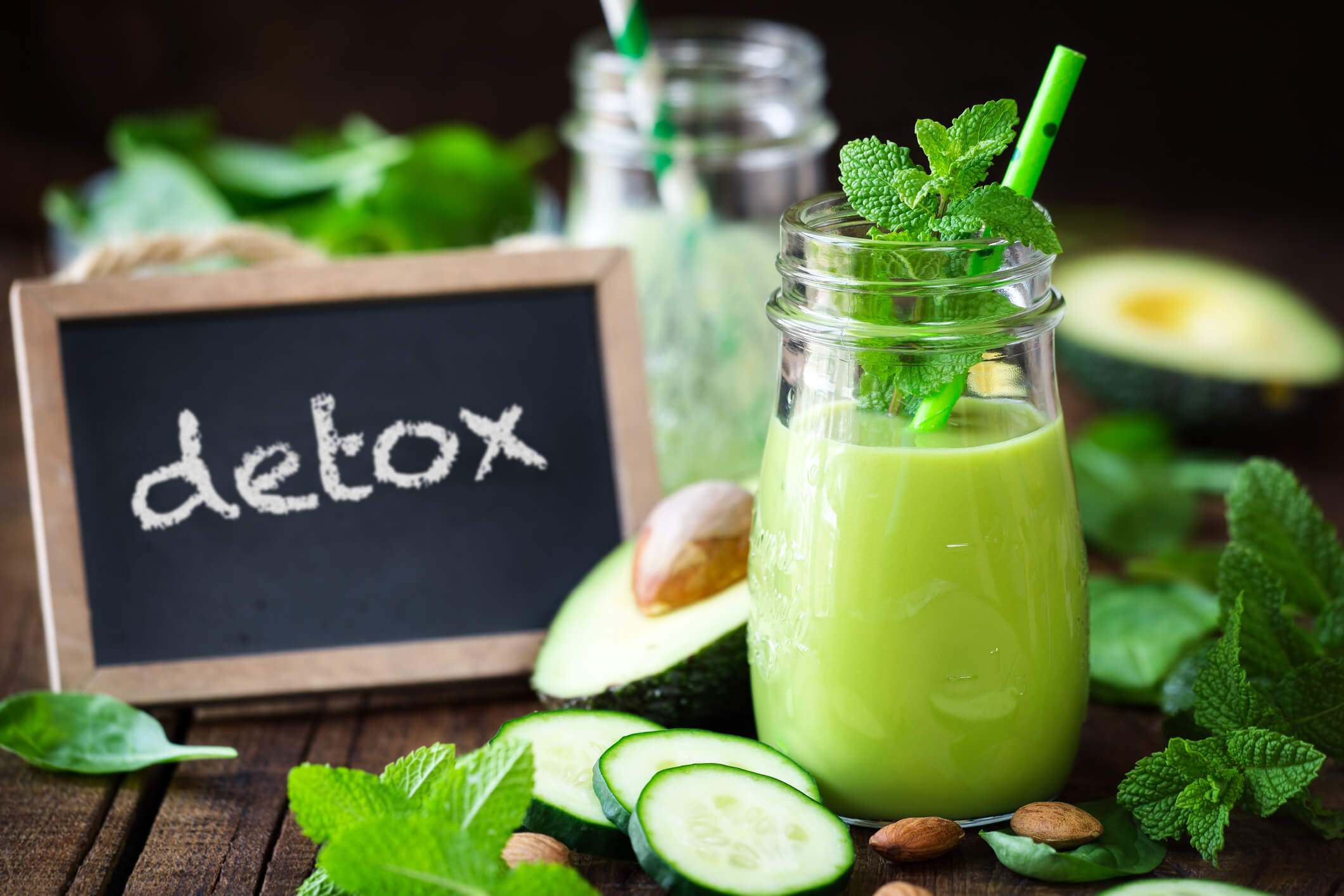
A quick internet search on the causes of obesity would lead one to believe this epidemic is simply due to poor diet and lifestyle choices such as too much junk food, food addiction, or overeating without exercising enough to balance energy intake. Genetics have also been implicated in the obesity discussion, making obesity a multifactorial…
-
Better Cognitive Health in India?
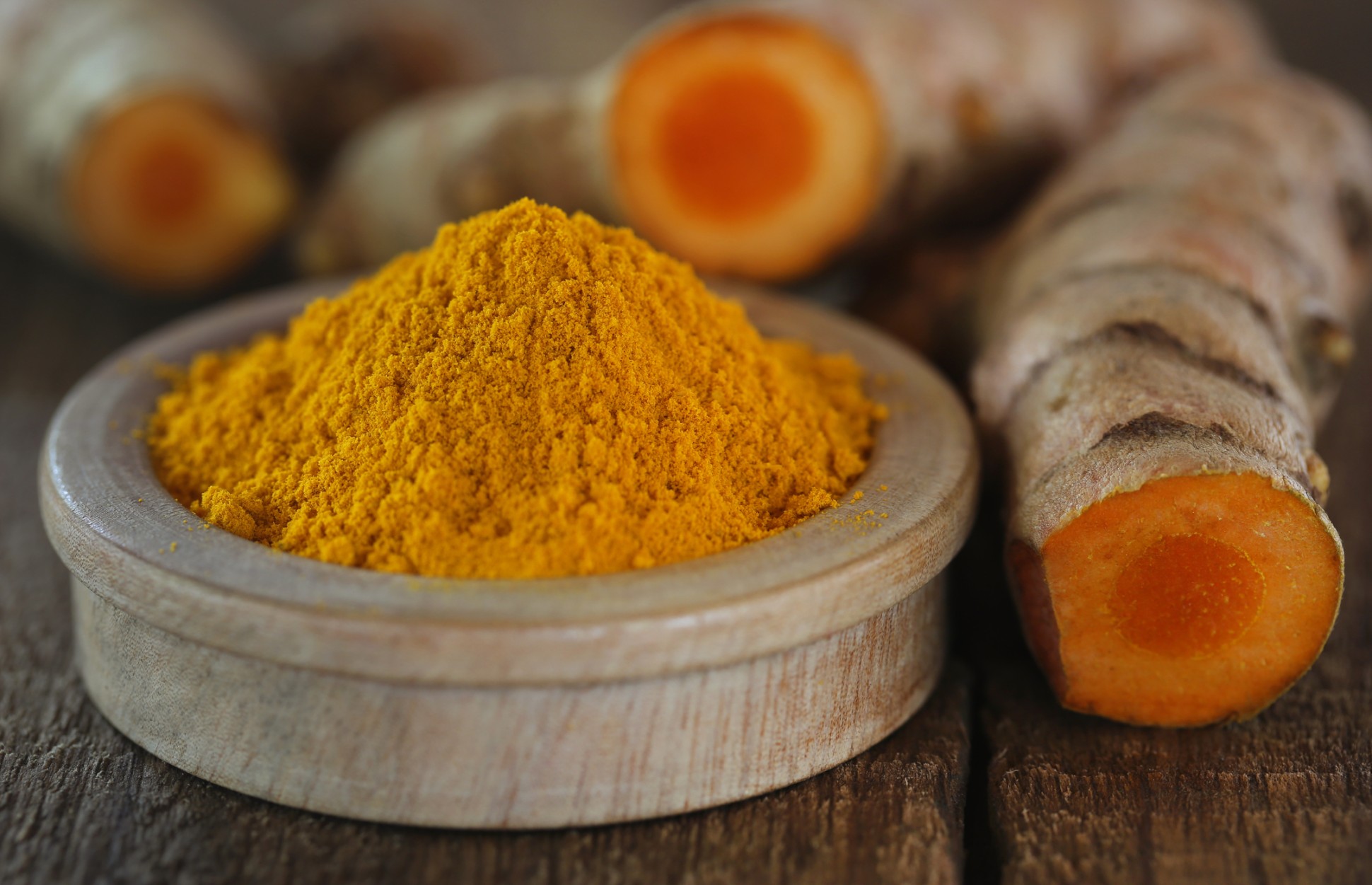
Back in February of 2010, the BBC reported on Ballabgarh, a village in northern India that had an unusually low rate of Alzheimer’s disease (AD)—lower than anywhere else in the world. University of Pittsburgh researchers had spent several years there, testing more than 5,000 subjects over the age of 55. They found that the rate…
-
Probiotics for Immune Support
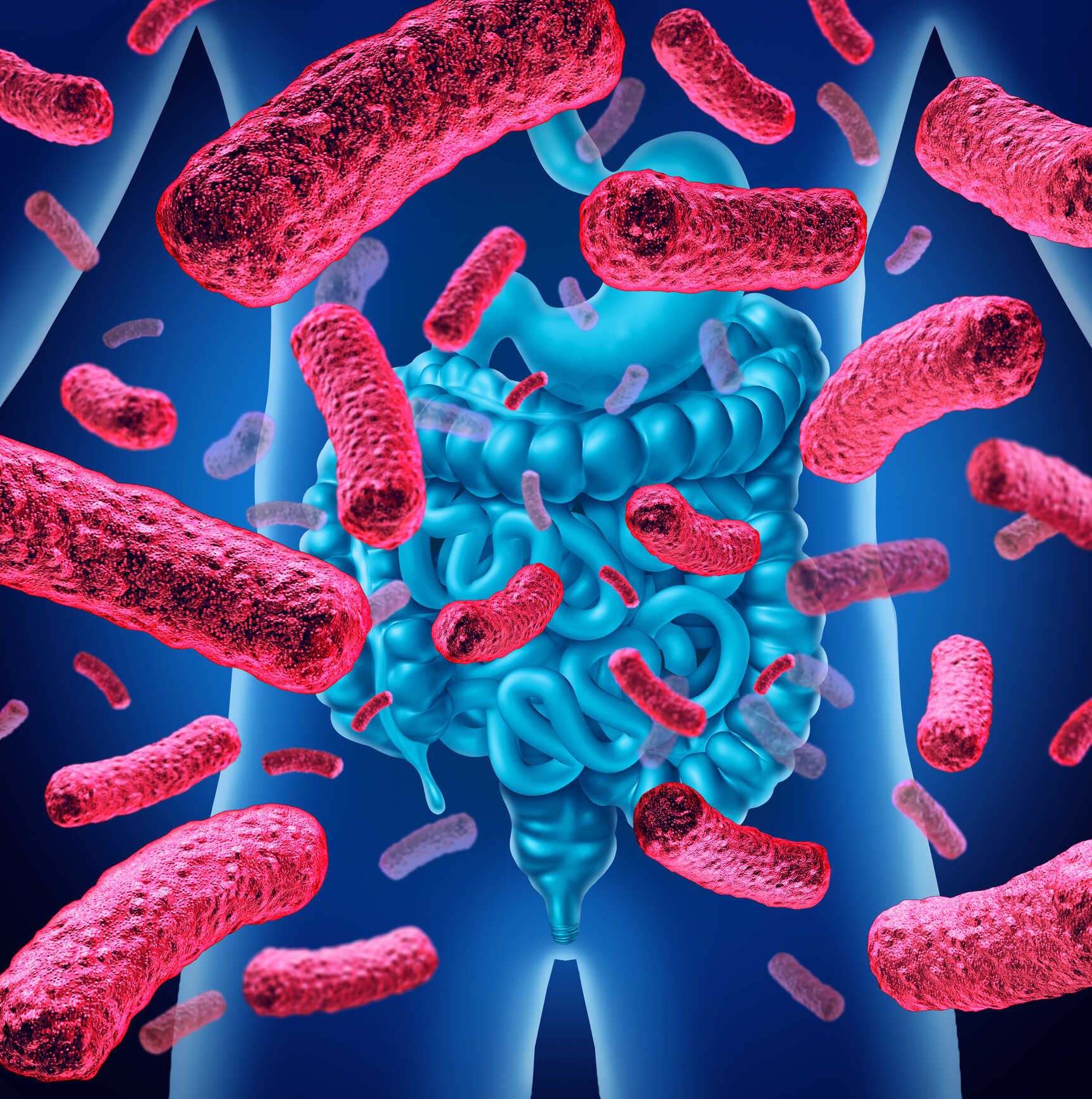
You have already heard about washing your hands, getting plenty of rest, getting your vitamin D and eating a diet rich in antioxidants and various botanicals such as Echinacea, Astragalus, Elderberry and mushroom blends, but what other immune-boosting tactics might be missing from your medicine cabinet? To keep the immune system running strong, there might…
-
A Sunny Workout is Best for Your Heart

Want to get fit? Check your vitamin D levels. Cardiorespiratory fitness (CRF) may well be linked to serum vitamin D levels. A study, published in the European Journal of Preventive Cardiology (October 30, 2018), looked at data from nearly 2,000 participants in the National Health and Nutrition Survey. Subjects were between the ages of 20…
-
The Methylcobalamin Effect
Vitamin B12 plays a key role in the normal functioning of the brain and nervous system (and the formation of blood). One of its analogs, methylcobalamin, which is considered an active form of vitamin B12, exerts neural protection by encouraging the regeneration of injured nerves and serving as an essential vitamin for promoting proper brain…
-
Deeper Dive into the Gut-Brain Connection
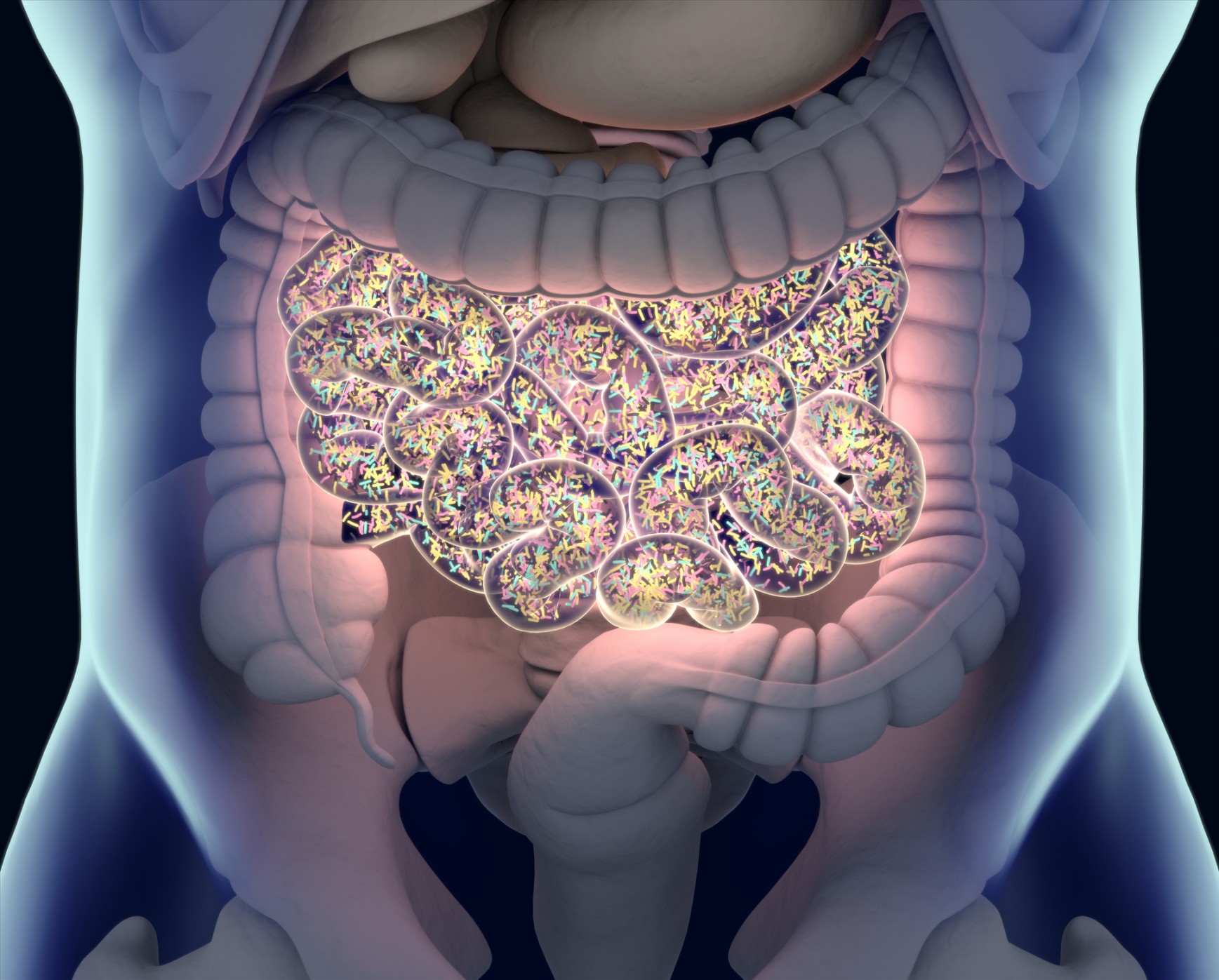
In an 1817 study on Parkinson’s disease (PD), James Parkinson noted that many of the patients with PD had gastrointestinal issues, and that up to 80% of these patients suffered from constipation. Even 200 years ago, we knew about the gut-brain connection. Currently, the literature demonstrates that the microbiome does, in fact, affect the function…
-
Nutritional Genomics as It Relates to Detoxification

The study of nutrient-gene interactions is becoming a popular and developing area of science, and people now accept the diet-genome relationship affects our health. In other words, the belief there is an optimal individualized diet which, if compromised, could expose a person to greater health risks is gaining credibility. As the poet Lucretius stated long…
-
The Power of Peas
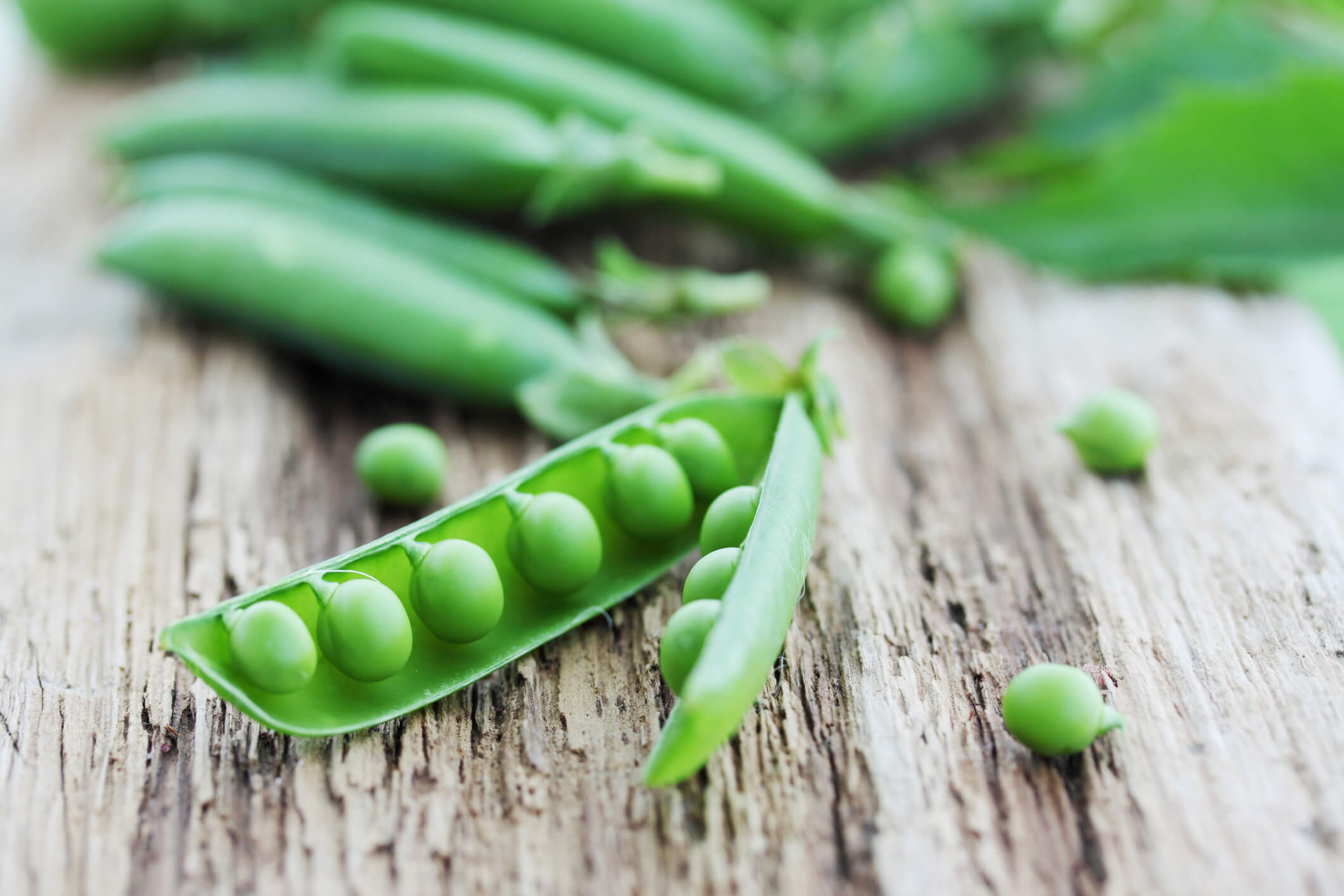
For those celebrating Thanksgiving this week, definitely have your family or friends pass the peas, please. Peas have been a common part the human diet for ages. Produced by the Pisum sativum plant, peas actually belong to the family Fabaceae, which are a group of pod-producing leguminous plants. So, although commonly regarded as vegetables, peas…
-
Can Chocolate Help with Oxidative Stress?

Can eating chocolate or drinking wine, coffee or tea play a role in keeping us young? According to a team of researchers led by Prof. Dr. Ivana Ivanovi-Burmazovi from the Chair of Bioinorganic Chemistry at Friedrich-Alexander-Universität Erlangen-Nürnberg (FAU), together with researchers from the USA, compounds within these foodstuffs can activate with zinc to protect against…
-
How to Build a Better Mood

The brain is comprised of billions upon billions of nerve cells (neurotransmitters) that relay information from one nerve cell to the next, allowing for efficient communication to occur. When everything is working properly, we feel our best. However, neurotransmitters often get compromised from the stressors of everyday life, which then affects our overall mood. One…
-
Probiotics May Improve Metabolic Profiles
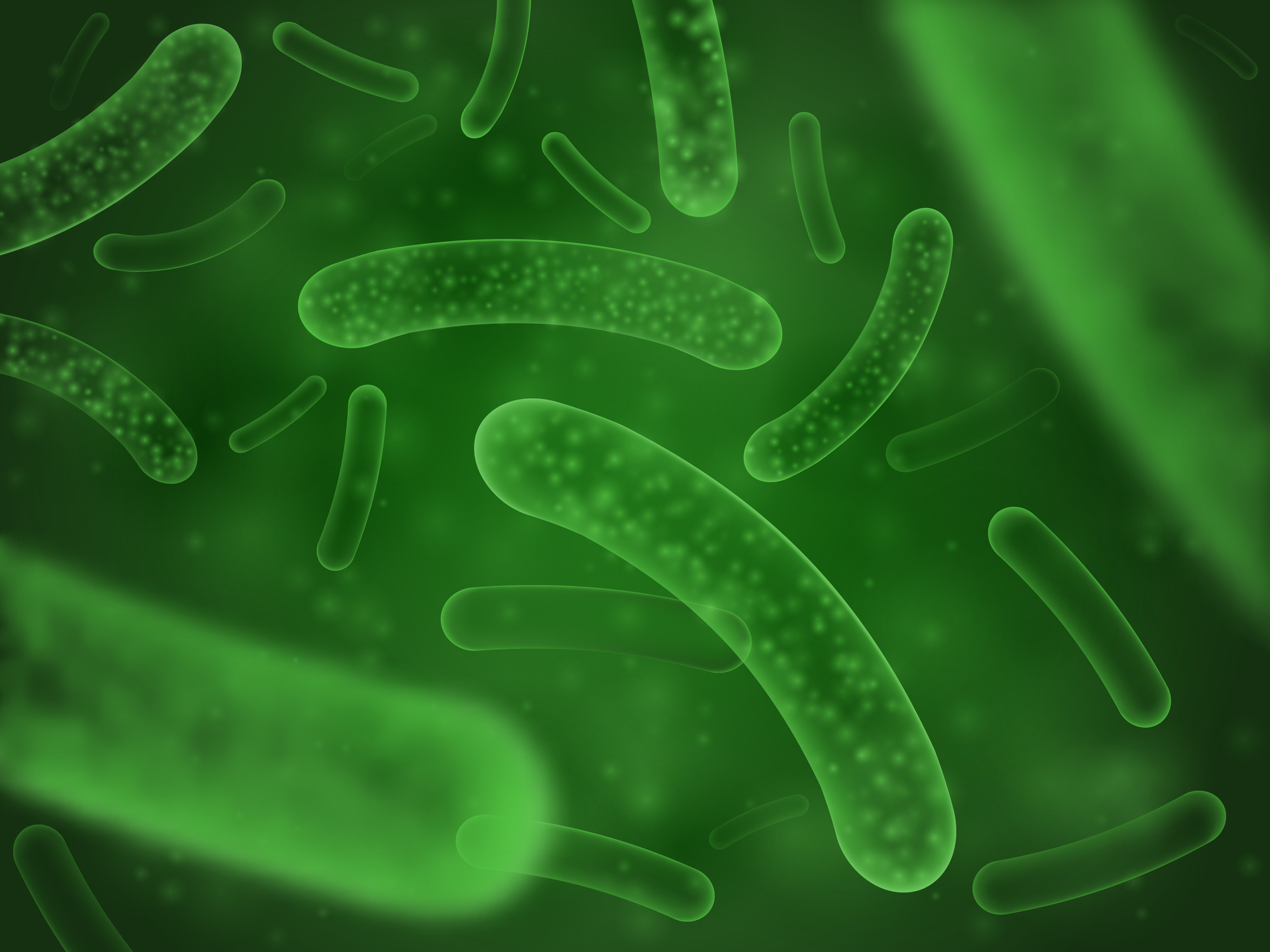
Most people generally associate probiotics with fostering the growth of good bacteria in the gut, however, more and more clinical studies are highlighting the role of probiotics beyond the gut. One randomized, placebo controlled, double-blind study looked at the effects of probiotic supplementation on the metabolic profiles in diabetic patients with coronary heart disease (CHD).…
-
Probiotics and the Brain
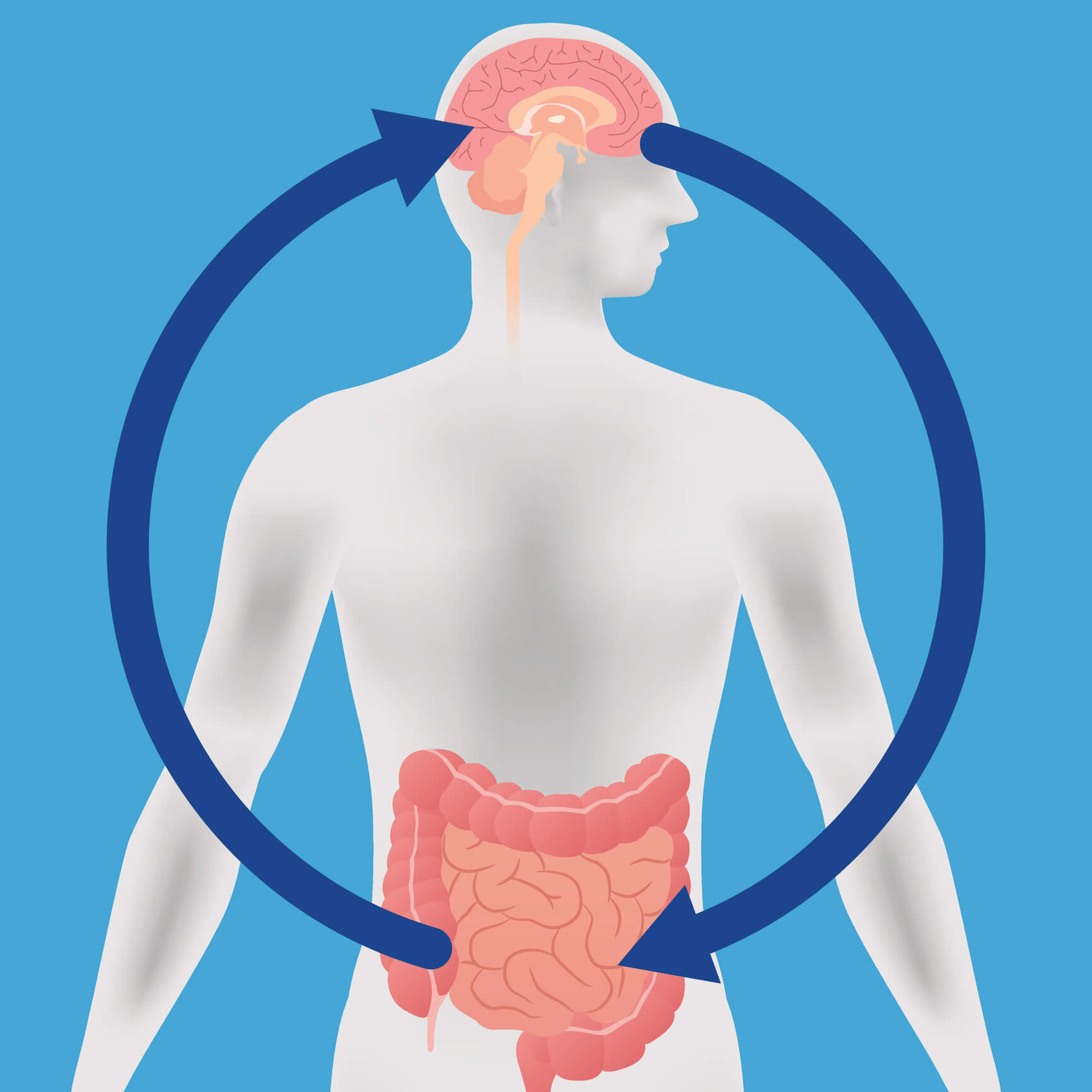
The mind-body connection garners a lot of attention these days, with explosive and ever-emerging research demonstrating the importance of seeing the body as a whole, rather than fractured systems. When talking about the brain, it’s hard to ignore the gut. The gut-brain axis is a good example of this; with the ability of the gut…
Shop Our Brands: