-
Vitamin B2 & Cognitive Health

Results of a cross-sectional study were recently published in the Journal of Translational Medicine, detailing the association between vitamin B2 (riboflavin) intake and cognitive function in an older population. Datasets from two cycles of NHANES (between 2011 and 2014) from more than two thousand adults over age 60 who had undergone cognitive function testing and…
-
Health-Boosting Benefits of Exercising in the Cold

Did you know that working out in the cold weather comes with extra advantages? So there are even fewer excuses to skip your morning run in winter. Plus, with lockdown restrictions still in place in parts of the world, getting to the gym can be extra challenging. So, if your goal is to stay fit…
-
Cardiometabolic Effects of a Vegan Diet
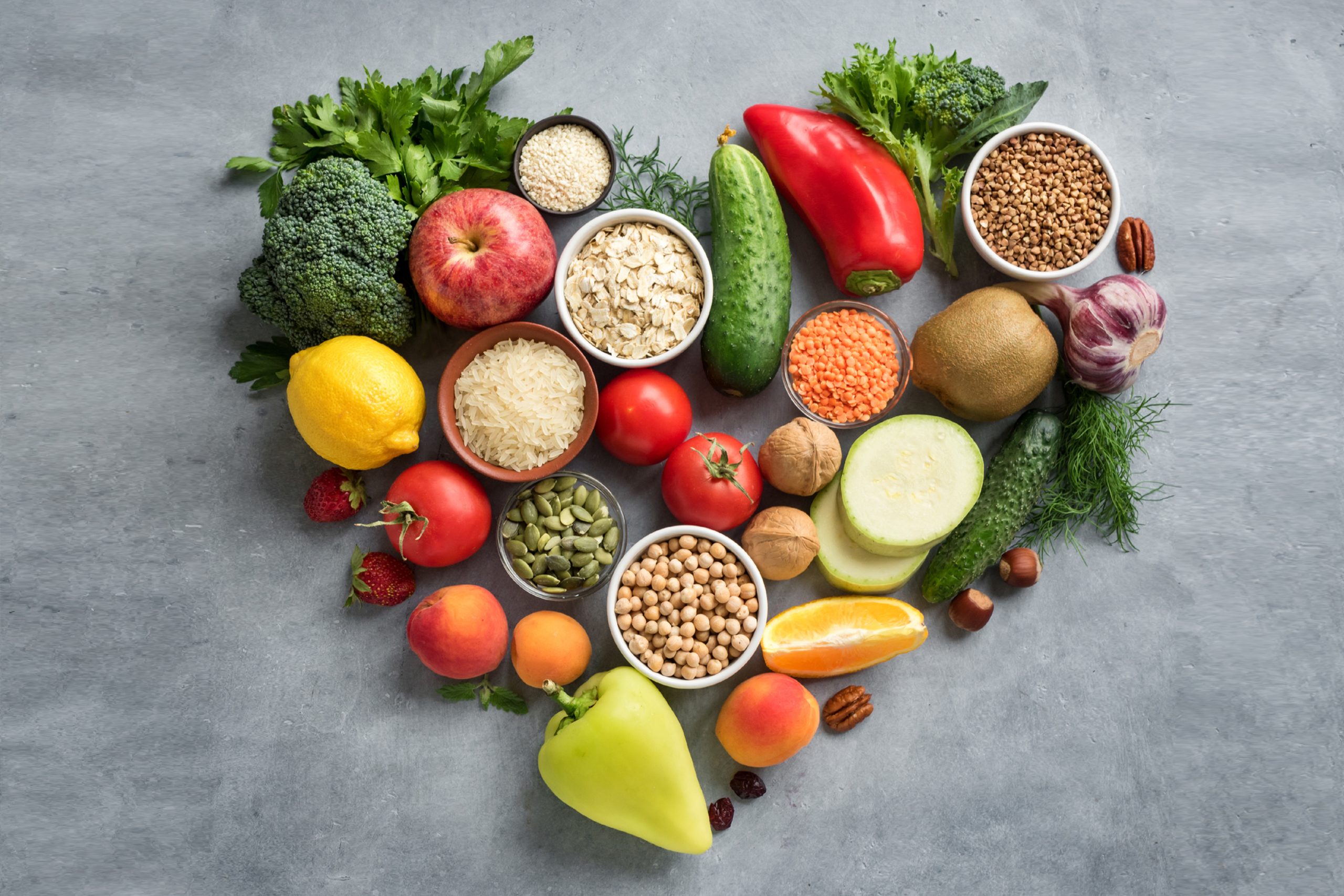
Recently published in JAMA Network Open were the results of a randomized clinical trial comparing the effects of a vegan or an omnivorous diet on LDL cholesterol (LDL-C) as the primary outcome, with multiple secondary outcomes related to metabolic health. This trial may be the first to recruit adult identical twins, 22 pairs in total,…
-
Personalized Nutrition for Weight Loss?

Results of a randomized clinical trial were recently published in Nature Communications, describing the outcome of either a high-carbohydrate or high-fat diet on weight loss, when stratified by predictive single nucleotide polymorphisms (SNPs). The hypothesis behind this study was that people with SNPs optimized to lose more weight while consuming a high-fat diet, termed “fat-responders,”…
-
Vitamin B6 & H. pylori
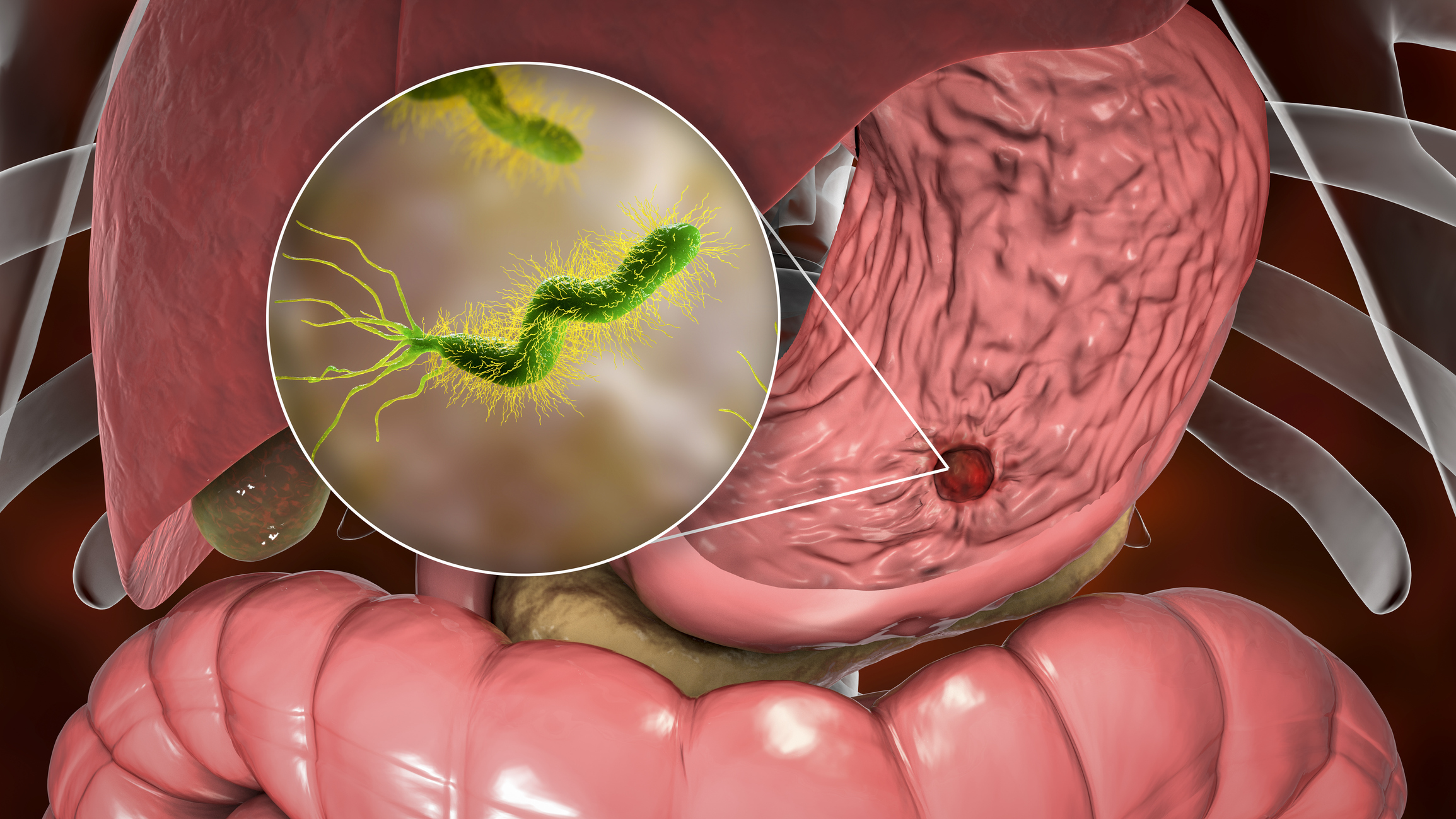
Results of a randomized and controlled trial that enrolled 280 patients and tested the effect of adding vitamin B6 to a standard drug regimen for the treatment of H. pylori were recently published in BMC Infectious Diseases. The primary treatment for H. pylori is often quadruple therapy (in this Shanghai-based study it included rabeprazole, metronidazole,…
-
SIBO & IMO – Breath Testing Review
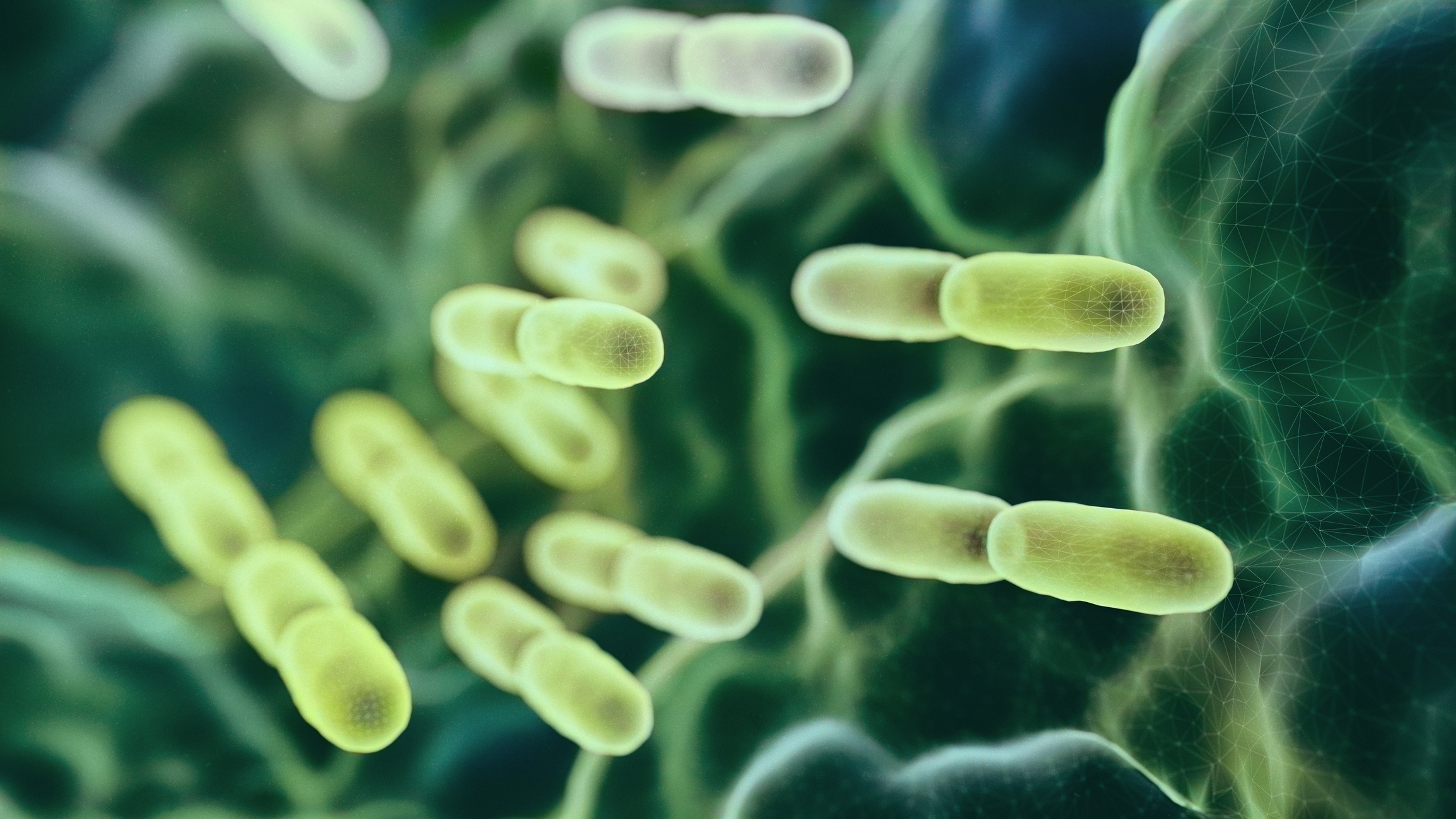
A review written by physicians from Cedars-Sinai Medical Center and recently published in Gastroenterology & Hepatology describes the clinical utility of breath testing for the diagnosis and treatment of both small intestinal bacterial overgrowth (SIBO) and intestinal methanogen overgrowth (IMO). Once lumped together under the SIBO umbrella, IMO was first proposed to be a distinct…
-
Berberine’s Effect on the Glycemic Profile

Results of a randomized clinical trial were recently published in the European Review for Medical and Pharmacological Sciences, detailing the effect of berberine (as Berberine PhytosomeTM) on the metabolic profile of overweight participants with impaired fasting glucose (IFG). Forty-nine non-diabetic participants with a fasting glucose between 110 and 126 mg/dL and a mean BMI near…
-
Parkinson’s, the Gut & Pesticides

A growing body of evidence suggests that gastrointestinal (GI) dysfunction, particularly in the enteric nervous system (ENS) which innervates the GI tract, may play an etiological role in the development of Parkinson’s disease (PD), at least in some cases, coined as the so-called “bottom’s up” vs. “top-down” progression/origin of the disease, and sometimes termed Braak’s…
-
Keto Diet for Lipidemia

A paper published recently in Current Obesity Reports presents evidence for the efficacy of ketogenic diets for lipedema. Lipedema is notoriously difficult to treat, as the hyperplastic, fibrotic, and painful adipose tissue that characterizes the condition is highly resistant to reduction via diet and exercise. The advanced stages may result in reduced quality of life…
-
Spice Up Your Microbial Health

Among the many herbs and spices used to foster gut health is oregano. Derived from the Greek words “oros” (meaning mountain) and “ganos” (meaning joy), oregano was supposedly grown by the Greek goddess Aphrodite as a symbol of joy. Most known for its aromatic use in culinary dishes, oregano also has a history of medicinal…
-
Is There an Optimal Number of Steps Per Day?

A recently published meta-analysis has tried to quantify the dose-response relationship between the number of steps taken per day and both all-cause mortality and incident cardiovascular disease (CVD). Published in the Journal of the American College of Cardiology, this meta-analysis started quite broadly, initially with over 5,000 potential studies to include, but weaned it down…
-
Food Order & Glycemic Control

In a controlled trial published in Nutrients (Oct 2023), the effect of altering the order in which foods are eaten on glucose tolerance (GT), HbA1c, weight, and nutrient intake was evaluated in a group of 45 adults with overweight/obesity and prediabetes. Specifically, researchers at Weill Cornell Medicine provided standard nutritional counseling to the control group,…
-
Microbiome & COVID-19

In Genome Medicine, Harvard researchers recently published their analysis of metagenomic profiling of the gastrointestinal microbiome of patients hospitalized with COVID-19 during the first year of the pandemic. Between April 2020 and May 2021, 127 consecutive hospitalized adult patients with confirmed COVID-19 (at Massachusetts General Hospital) were categorized as having either severe or moderate disease,…
-
Phenotypic Flexibility & Weight Loss

Results of a randomized and controlled trial describing the results of weight loss on insulin sensitivity as well as other markers of metabolism and body composition were recently published in the American Journal of Clinical Nutrition (AJCN). The primary objective of this study was to evaluate the effects of weight loss on phenotypic flexibility, here…
-
Keto for McArdle

A recent study published in Clinical Nutrition adds additional evidence to what we covered in a past blog article: ketogenic diets may be beneficial for people living with McArdle disease (glycogen storage disease type V).
-
Melatonin & the Stress Response

Acute or chronic stress can trigger an overactive sympathetic nervous system, resulting in high oxidative stress. The immune system functions at its best in the parasympathetic state so when it switches to a sympathetic state, the body is vulnerable to disease. Chronic release of hormones such as cortisol, catecholamines and neuropeptides due to stress also…
-
Modifiable Risk Factors & CVD

A paper published recently in The New England Journal of Medicine noted the not-exactly surprising finding that over fifty percent of incident cardiovascular disease and approximately twenty percent of deaths from any cause may be attributable to five modifiable risk factors: body mass index (BMI), systolic blood pressure, non-HDL cholesterol, current smoking, and diabetes.
-
Probiotics & Depression

JAMA Psychiatry recently published the results of a small randomized clinical trial evaluating the use of probiotics as an adjunctive treatment for inadequately controlled depression. Set in London, 50 outpatients with a primary diagnosis of major depressive disorder (MDD) and a Hamilton Depression Rating Scale (HAMD-17) score greater than 13 (indicating at least mild depression)…
-
Waist-to-Hip Ratio vs BMI

Numerous studies indicate that, compared to body mass index (BMI) or total body fat, waist-to-hip and waist-to-height ratios show stronger associations with risk for cardiometabolic disease and all-cause mortality. A paper published recently in JAMA Network Open Diabetes and Endocrinology showed that compared to BMI and fat mass index (FMI), the waist-to-hip ratio (WHR) showed…
-
Artificially Sweetened Beverages: An Umbrella Review

Advances in Nutrition recently published an umbrella review, a sweeping analysis that included 11 reports of 7 unique systematic reviews, evaluating the relationship between artificially-sweetened beverage (ASB) consumption and thirteen distinct health outcomes, including cardiovascular disease and diabetes. This more comprehensive review was undertaken in large part because of mixed findings with previously published systematic…
-
Processed Foods & Risk for Depression

Analysis of a cohort study evaluating the association between the consumption of ultra-processed food (UPF) and depression was recently published in JAMA Network Open. UPF refers to energy-dense and micronutrient-poor packaged products, generally rich in fat, sugar, and salt. This prospective study was conducted within the Nurses’ Health Study II, between 2003 to 2017, and…
-
Astragalus: The King of Herbs

Astragalus, also known as Milkvetch or huáng qí in Chinese, is an herb that has been used for hundreds of years, with its roots in traditional Chinese medicine. One of the few all-purpose herbs used, it is believed to support a wide array of biological functions.
-
Keto for Cardiovascular Disease

“Summarizing the extensive scientific evidence, the ketogenic diet is a promising nutritional model in the context of cardiovascular disease prevention and therapy. Through its pleiotropic properties, it is able to influence the cardiovascular system on multiple levels. Scientific evidence mostly confirms its beneficial (even more beneficial compared to other diets) effects on the lipid profile…
-
Acid Suppression & Dementia

Recently published in Neurology is an analysis of the relationship between incident dementia and proton pump inhibitor (PPI) use among participants in the Atherosclerosis Risk in Communities (ARIC) Study, a community-based cohort. The possible association between PPI use and dementia has been examined in a number of case-control and cohort studies, with mixed findings. For…
-
Impact of Food Labels
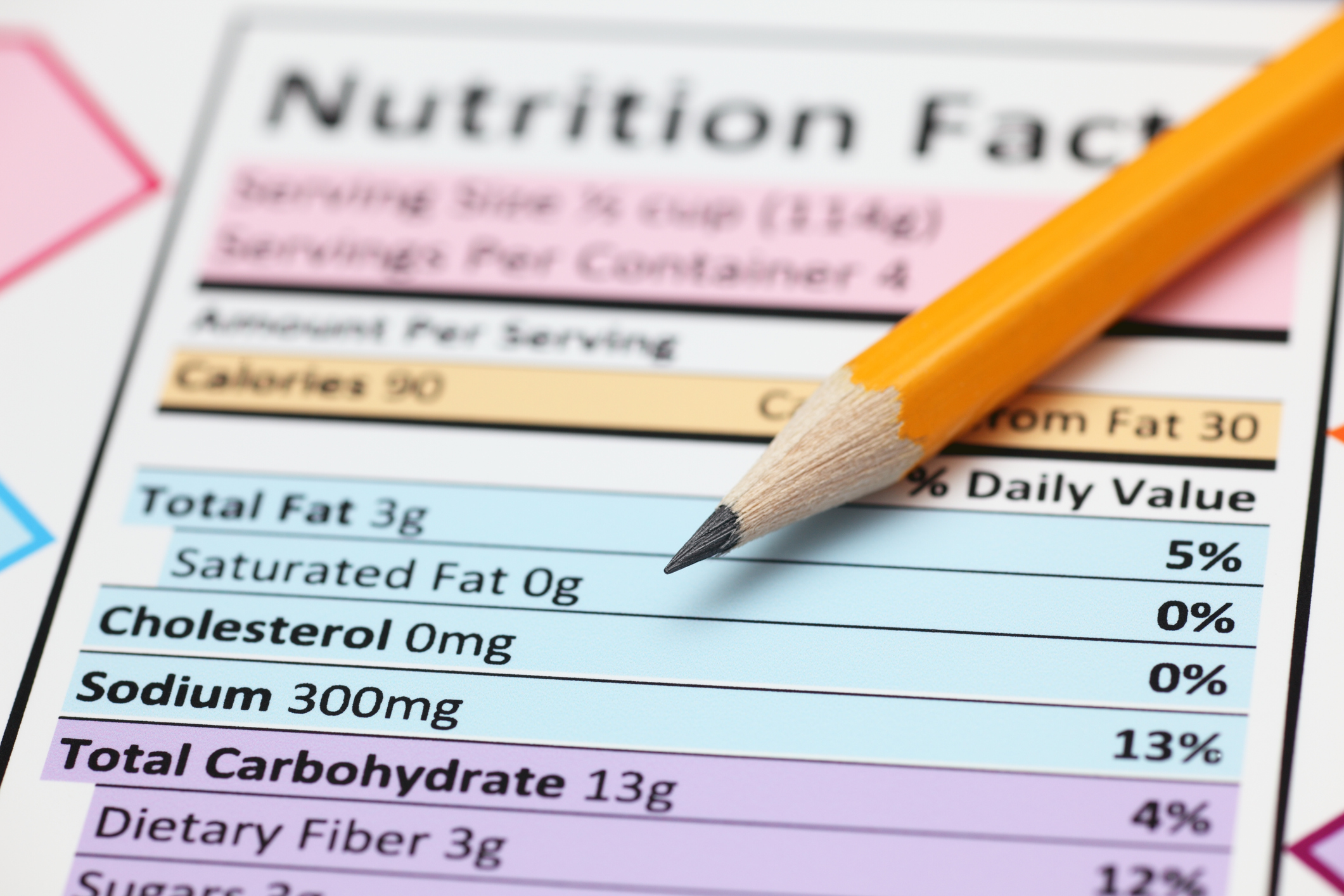
Results of a large randomized clinical trial were recently published in JAMA Network Open describing the effects of food labeling on the beverage and snack choices made by U.S. adults. This study was conducted with the assumption that the current Nutrition Facts labeling is insufficient; although it provides nutritional information about a product, it is…
-
SIBO & NAFLD – Cause, Effect or Bystander?

A recent review published in Nutrients examines the relationship between small intestinal bacterial overgrowth (SIBO) and non-alcoholic fatty liver disease (NAFLD). This relationship has gained research attention, as a growing body of evidence points to gut microbiota as playing a potentially causal role in NAFLD development and progression, including the promotion of the inflammatory response,…
-
Rhodiola & Menopause
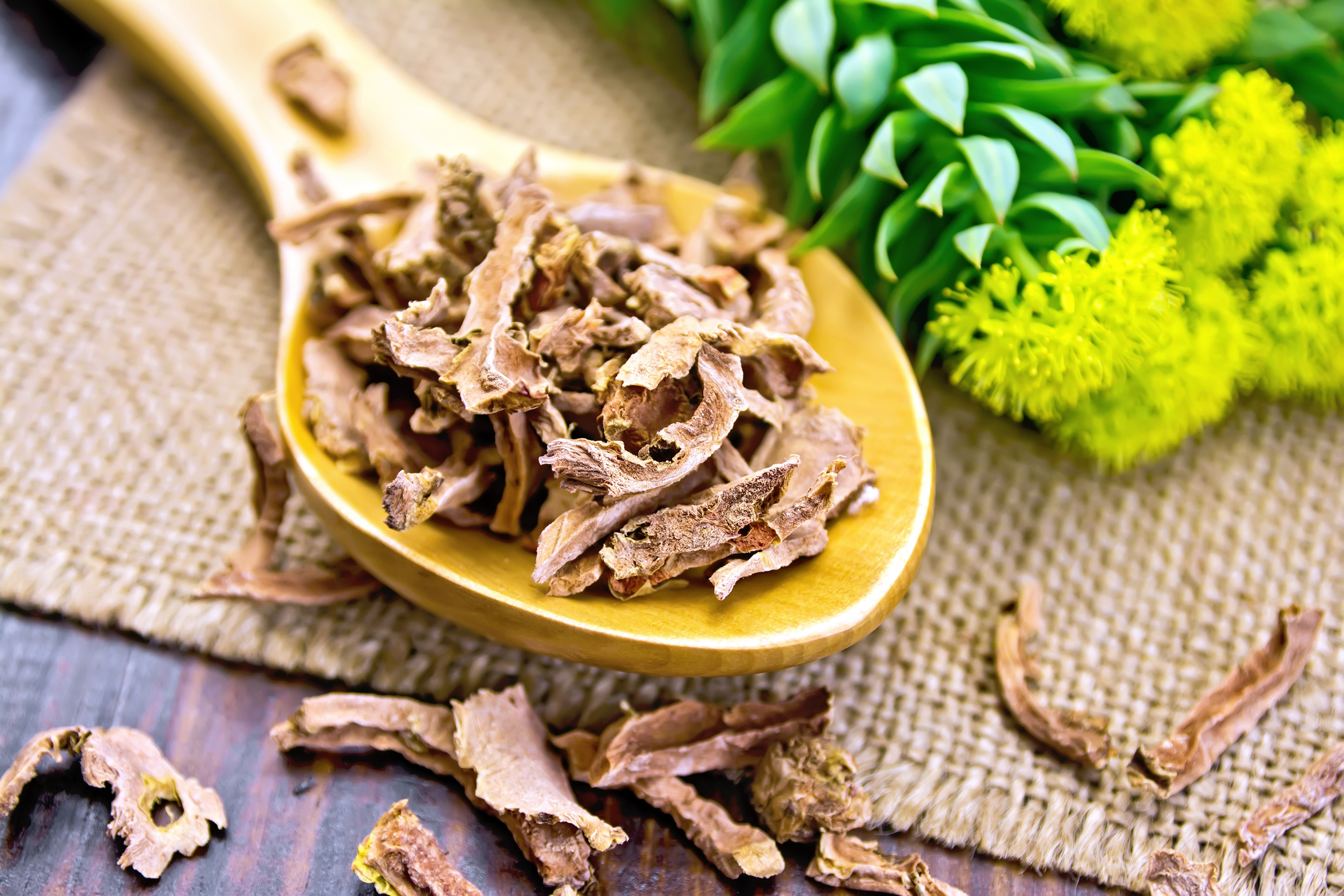
Results of a randomized and controlled trial suggest that Rhodiola rosea may be able to reduce menopausal symptoms, at least in combination with black cohosh (BC, Actaea racemosa). Published in Pharmaceuticals, this placebo-controlled 4-arm parallel-group study enrolled 220 women experiencing symptoms of menopause (confirmed with low estradiol and elevated FSH levels) and randomly assigned them…
-
Nutrients for Thyroid Health

In the U.S., rates of hypothyroidism are on the rise. It is estimated that every 5 out of 100 Americans experience low thyroid function, and women are 5-8 times more likely to develop hypothyroidism compared to men. The condition is characterized by decreased output of thyroid hormones, specifically T4 and T3, which regulate the body’s…
-
Antioxidant-Rich Diet in Pregnancy

Human pregnancy can be influenced by a wide range of health issues that vary from mild and reversible to severe and life-threatening, and many of the major ones like pre-eclampsia and gestational diabetes can be linked to oxidative stress. This may be because when the foeto-placental unit is poorly perfused, it produces more free radicals,…
-
Psyllium & Pediatric IBS

Results of a double-blind randomized controlled trial were recently published in the Journal of Pediatric Gastroenterology and Nutrition, describing the effects of psyllium husk supplementation on the symptoms of irritable bowel syndrome (IBS) in children. Psyllium has been recommended for adults as part of the initial treatment of IBS, but fewer trials exist for its…
Shop Our Brands: