-
Sleep & Diabetes Risk

JAMA Network Open recently published the results of a large cohort study that assessed the influence of sleep duration on diabetes type 2 risk, as well as any potential modification of that risk by dietary habits. A previous meta-analysis published in Diabetes Care reported that 7-8 hours of sleep is associated with the lowest risk…
-
Iron Supplementation During Pregnancy

Results of a randomized and triple-blinded clinical trial were recently published in Nutrients, reporting the effects of varying doses of iron on fetal growth and development when given to pregnant women, stratified by their hemoglobin levels. Nearly 800 pregnant women living in Spain (the ECLIPSES study) were included. Beginning in the 12th week of pregnancy,…
-
Prebiotics & Cognitive Function

Results of a randomized controlled trial performed to evaluate the effectiveness of a prebiotic supplement on both muscle function and cognition in a healthy older population were recently published in Nature Communications. To limit genetic confounding, this study was conducted among twins (monozygotic and dizygotic) and is known as the PRebiotic and PrOtein on Muscle…
-
The Connection Between Libido, Sleep & the Microbiome

Mounting research suggests a bidirectional relationship among sexual desire, sufficient sleep and the composition of the gut microbiome. Results from a 2022 review study demonstrate that abnormal sleep patterns affect composition, diversity, and function of the gut microbiome via the brain-gut-microbiota axis (BGMA). The researchers highlight that the quality of the microbiome is also significant…
-
Vitamin D & CRP

A systematic review and meta-analysis recently published in the Journal of the Academy of Nutrition and Dietetics examined the effects of vitamin D supplementation in post-menopausal women on both blood pressure and C-reactive protein, a marker of systemic inflammation and cardiovascular disease risk. This analysis included 7 randomized and controlled trials, directly comparing the effects…
-
Air Pollution & Aging

A recently proposed stricter regulation of fine particulate matter (PM2.5) by EPA is a step toward significant reductions in morbidity and mortality, supported by many recently published articles that point to a broad range of adverse health consequences linked to air pollution. An analysis previously published in JAMA Network Open indicates that PM2.5 levels are…
-
Keto & Polycystic Kidney Disease
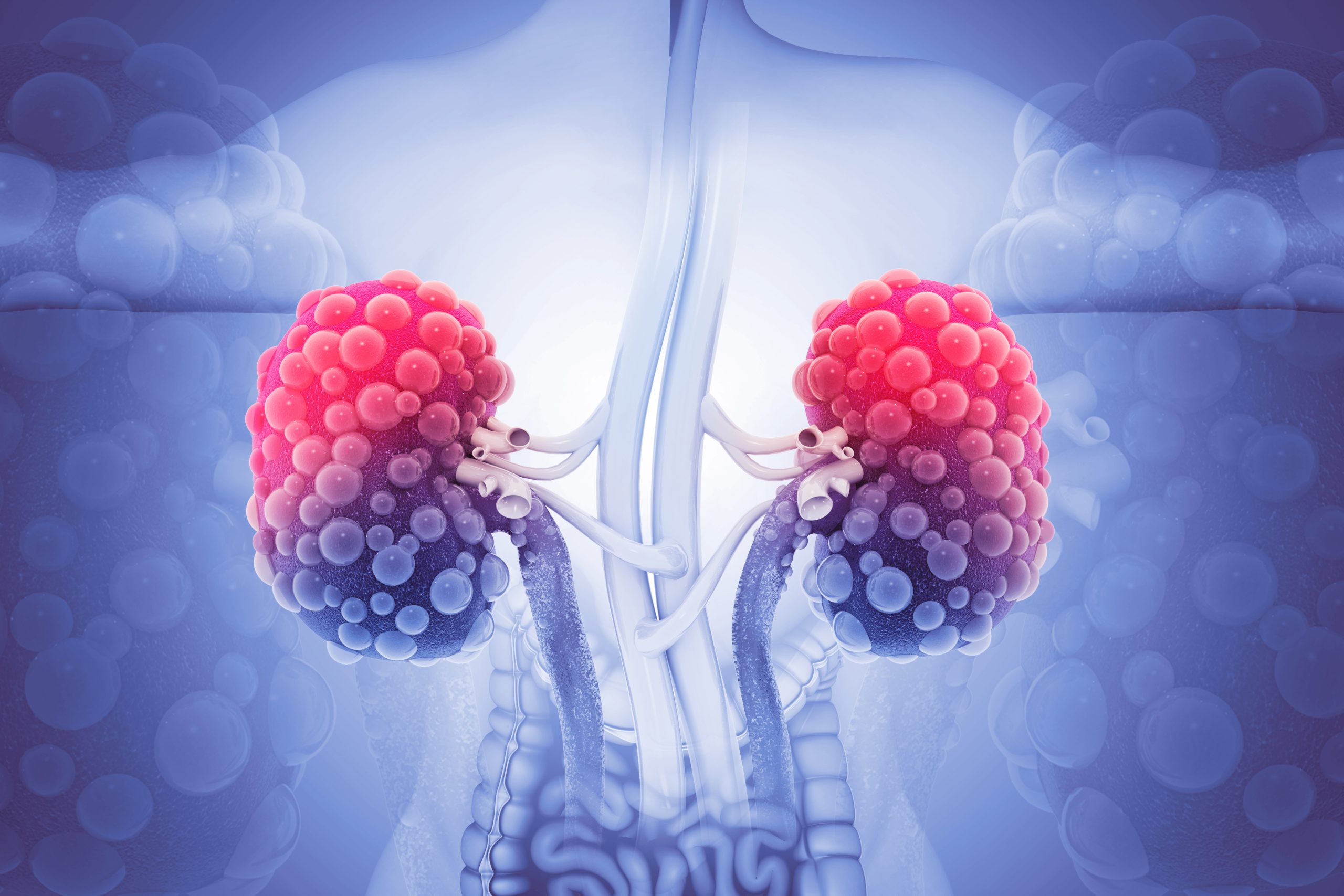
A study published recently in Cell Reports Medicine showed that a ketogenic diet is safe, feasible, and may be a beneficial intervention for patients with autosomal-dominant polycystic kidney disease (ADPKD), which is the most common genetic cause of kidney failure.
-
Apolipoproteins & CVD
Data supporting the use of apolipoproteins (APOs) in the assessment of chronic disease continues to mount, with a recent analysis published in the American Journal of Clinical Nutrition suggesting that ApoA1 has a protective effect that extends to dying from all causes, including cardiovascular disease and lung cancer, and that ApoB increases the risk for…
-
Sodium & BP

Results of a crossover trial were recently published in JAMA Open Network, evaluating the effects of both a high and low-sodium diet on blood pressure (BP) within the same individuals. Two hundred and thirteen participants consumed (prospectively) a high sodium (2.2 g sodium added to their usual diet) or a low sodium (500 mg total…
-
Niacin, NAFLD & Mortality

Results of a cohort study using NHANES (National Health and Nutrition Examination Survey, 2003-2018) data were recently published in JAMA Network Open, examining the relationship between dietary intake of niacin and both overall and cardiovascular mortality among people with NAFLD (nonalcoholic fatty liver disease). This was a large-scale prospective cohort, including over 4,300 individuals with…
-
ADHD & Dementia

Using data from a prospective cohort study, an association was observed between adult-onset attention-deficit/hyperactivity disorder (ADHD) and an increased risk for dementia later in life, with an analysis recently published in JAMA Network Open. This association was generated using data from a prospective birth cohort comprised of individuals from Israel born between 1933 and 1952,…
-
Do You Have Leaky Brain?

The NIH estimates that 20% of Americans have a diagnosable mental disorder, at a cost of $201 billion per year. The most common maladies are depression and phobias. In 2019, suicide was the 10th leading cause of death in the US, accounting for over 47,000 deaths overall. We are beginning to look at systemic inflammation and its…
-
Early Diet & IBD

The journal Gut recently published the results of a prospective cohort study analyzing the association between diet quality, assessed at age 1 and again at age 3, and the subsequent risk for inflammatory bowel disease (IBD) later in life. Comprised of two Scandinavian cohorts, the All Babies in Southeast Sweden (ABIS) Study and The Norwegian…
-
Exercise & BP

Results of a systematic review and network analysis of the relationship between exercise and blood pressure were recently published in BMJ. The final analysis included data from 270 randomized and controlled trials, including nearly 16,000 total participants over a 33-year period of review. This analysis was conducted to update existing guidelines that primarily promote only…
-
Depression & the Microbiome

Results of a small pilot study published in May 2023 in Neuroscience explored connections between the gut microbiome and depression among young adults. Shotgun metagenomic sequencing was performed on stool samples from 40 young adults with major depressive disorder (MDD) and 42 healthy controls, with results controlled for multiple confounders, including demographics, alcohol or cigarette…
-
Higher LDLs with Low Carbs?
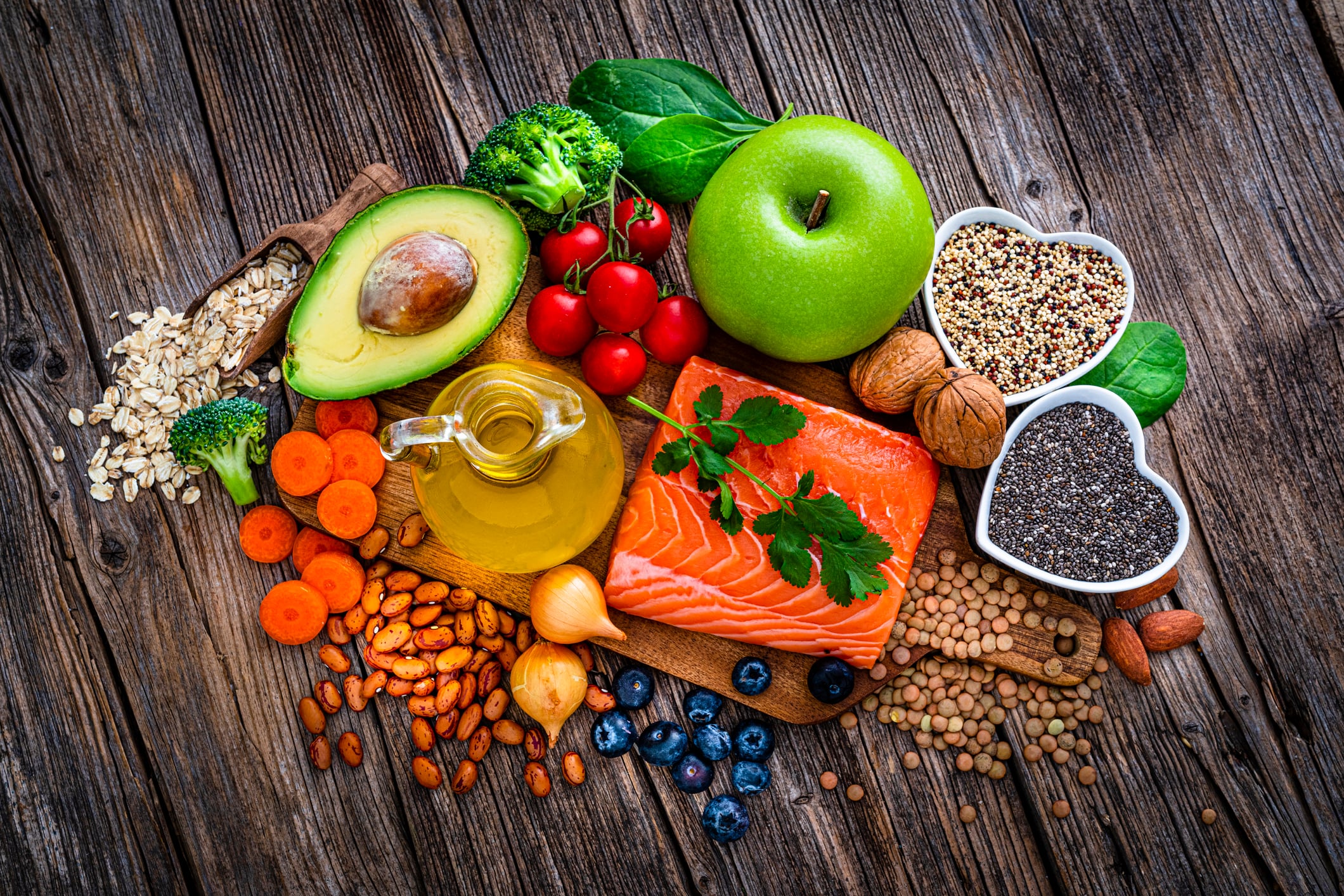
As increasing numbers of people adopt low-carb and ketogenic diets, new data are emerging that raise intriguing questions about the effects of these ways of eating on long-term cardiometabolic health. A paper published recently in The American Journal of Clinical Nutrition sheds new light on the phenomenon of increased LDL-cholesterol among a subset of people…
-
Mitochondria & Dietary Fat

Results of an experimental animal study clarifying the role of mitochondria in the processing and transport of dietary lipids were recently published in Nature. The gastrointestinal consequences of impaired mitochondrial function are not well understood, and this study was done to shed light on the specific role played by mitochondria in lipid processing, potentially leading…
-
Genetics, Omega-3s & Serum Lipids
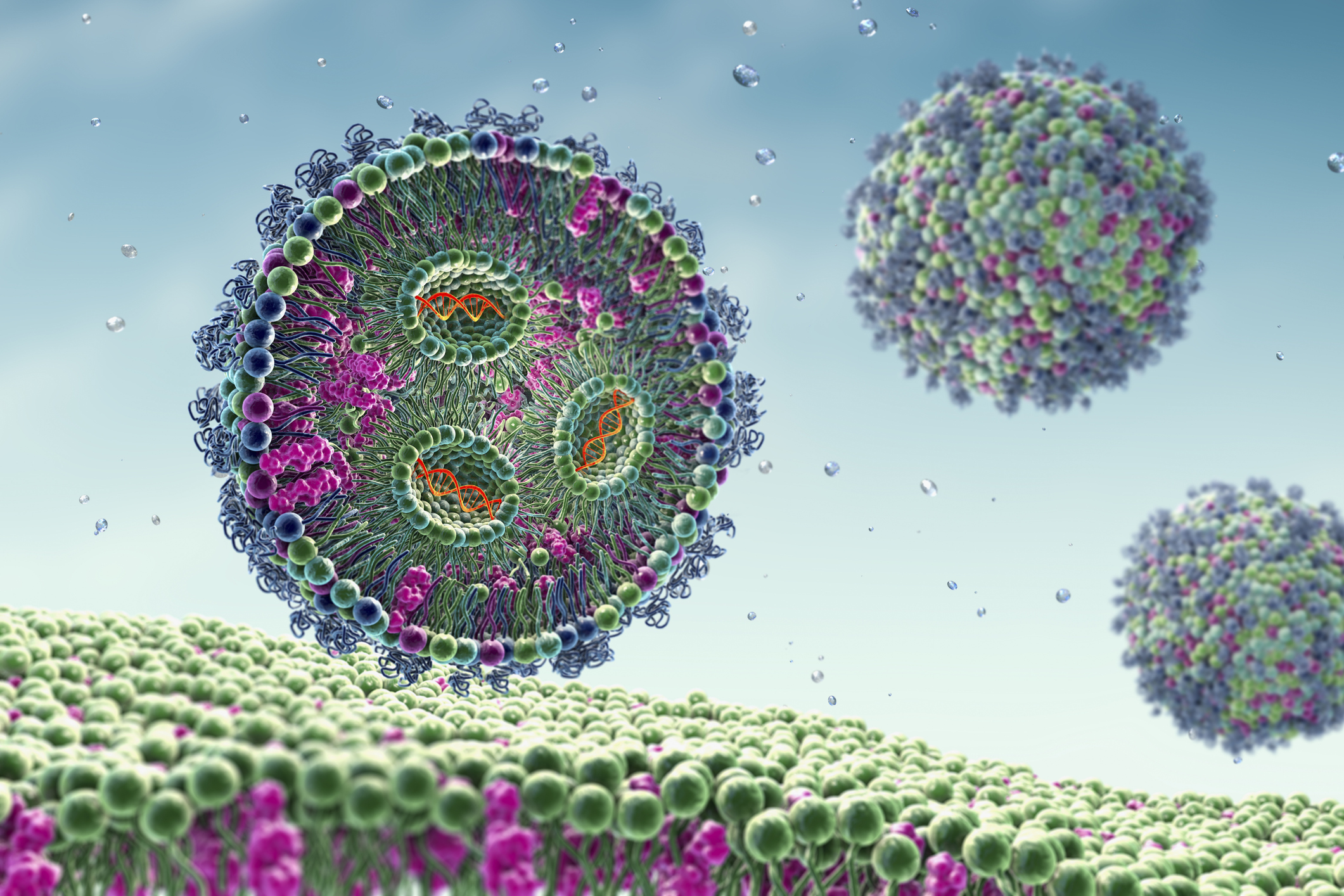
The effect of omega-3 fatty acid supplementation on serum lipids and other cardiovascular risk markers, with results stratified by PPARG genotype, were recently determined in a randomized and double-blinded placebo-controlled clinical trial published in Nutrients. One hundred and two adults between the ages of 40 to 75 with an LDL-C between 70 and 190 mg/dL…
-
New Frontier for ALS?

The bioenergetic changes induced by a ketogenic metabolism appear to be beneficial for neurodegenerative conditions. Promising research is being done on ketogenic diets for Alzheimer’s and Parkinson’s diseases, and a paper published recently in Frontiers in Neurology presents encouraging results from a proof-of-concept case study involving a subject with bulbar-onset amyotrophic lateral sclerosis (ALS) who…
-
Vitamin D & Childhood Fractures

Findings from a phase 3 randomized and placebo-controlled trial (funded by the U.S. NIH), which evaluated the use of supplemental vitamin D to prevent fractures among schoolchildren living in Mongolia, were recently published in The Lancet, Diabetes & Endocrinology. Children between the ages of 6 to 13 were given a weekly oral dose of 14,000…
-
B12 Supplementation & Breast Milk

Results of a randomized and controlled trial were recently published in the American Journal of Clinical Nutrition, providing more detail on the efficacy and timing of B12 supplementation given pre- and postnatally in the human milk (HM) concentration of B12. Pregnant women between 12-27 weeks gestation were recruited for this study from Tanzania, an area…
-
Cannabinoids & Sleep

Results of a randomized and double-blind controlled trial evaluating the effect of the non-psychoactive cannabinoid, cannabidiol, on sleep, mental health, and immune function were recently published in Nutrients. In this 8-week trial, 28 healthy college-age participants (median age of 25.9) received either 50mg cannabidiol or a calorie-matched placebo (consisting of medium chain triglycerides), taken 1…
-
Light Exercise Protects Against Childhood Obesity

Results of a study with over 13 years of follow-up were recently published in Nature Communications, detailing many of the associations between physical activity and fat accumulation in children aged 11 to 24. Data from the UK-based Avon Longitudinal Study of Parents and Children (ALSPAC) birth cohort provided a longitudinal analysis of accelerometer-assessed movement and…
-
Keto for Type 1 Diabetes

“Research increasingly shows that strongly limiting dietary carbohydrate can have a profound effect on improving quality of life and reducing risk for long-term complications in people with type 1 diabetes.” (Source)
-
Does Quality Matter with Low Carb Diets?

Researchers from Harvard’s Chan School of Public Health recently published an analysis of the association between low carbohydrate diets (LCDs) and long-term weight control, with a special focus on diet quality. The analysis included 3 well-described prospective cohorts, the Nurses’ Health Study (NHS) and Nurses’ Health Study II (NHSII), and the Health Professionals Follow-up Study…
-
Neurological Benefits of Green Tea

Common knowledge tells us that green tea is a healthy beverage, but evidence suggests that it may in fact have more natural brain benefits than most people realize.
-
Nutrient Support for PCOS

A systematic review and network analysis was recently published in PeerJ, evaluating the randomized clinical trials of various nutritional therapies for women with polycystic ovarian syndrome (PCOS). A total of 41 studies and over 2300 patients were included in the review, with network analysis providing a comparison of the impact of 8 therapies on specific…
-
Sleep & Dementia

The substantial associations between sleep and dementia continue to mount, with considerable evidence suggesting that deficits in sleep duration may be linked to a greater risk for dementia. Results of a large observational study recently published in Neurology indicate that sleep irregularity, independent of duration, may also be a risk factor.
-
Morning Sickness Insights Discovered

A recent study published in the journal Nature has elucidated the etiological basis of nausea and vomiting in pregnancy, commonly referred to as “morning sickness,” and its more severe form, hyperemesis gravidarum (HG). The multinational research, involving the University of Southern California, University of Cambridge, and Sri Lankan researchers, identifies the hormone GDF15, produced by…
-
Where Does Gluten Hide?

If you have celiac disease or non-celiac gluten sensitivity (NCGC) but are still experiencing symptoms despite eliminating gluten from your diet, you could be getting exposed to gluten from hidden sources. It is easy to unknowingly consume gluten. It hides in a wide range of foods and products. Identification of gluten in products can be…
Shop Our Brands: